
Flatbread, Pita, and Lavash: A Culinary Exploration
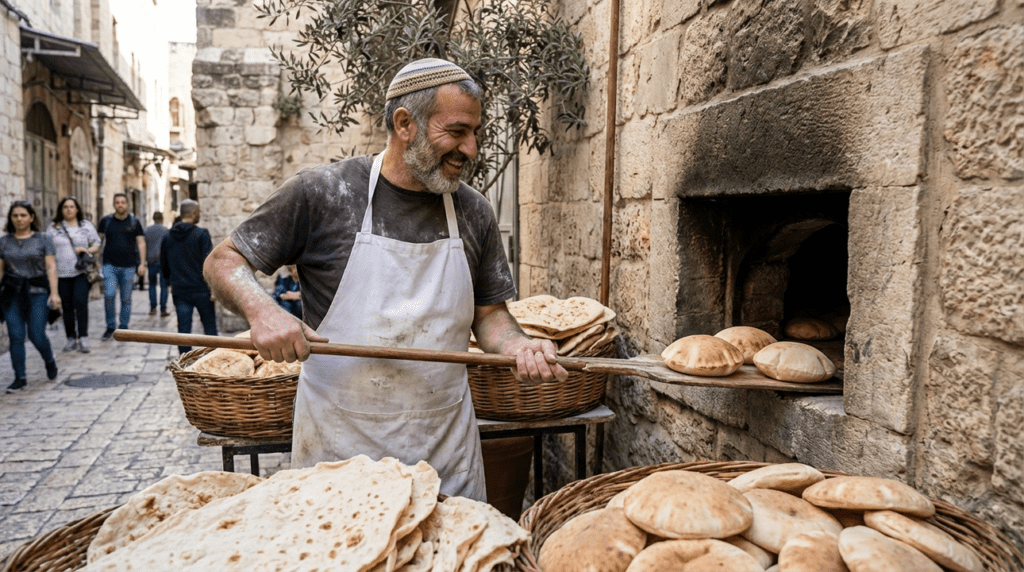

Each one boasts unique characteristics that set it apart, such as pita’s pocket or lavash’s pliability, making them staples in both traditional and modern dishes. These breads are more than food; they are a link to the cultural and culinary heritage of the region.
Understanding Pita Bread
Pita’s practicality and ancient origins make it a timeless favorite in Middle Eastern cuisine.
Pita’s unique pocket is a result of ancient baking methods that have stood the test of time. This bread has been a staple in Middle Eastern cuisine for centuries, with its origins dating back to ancient Egypt and Mesopotamia.
Israeli Cookbook
Inspired by the Farms of Israel

Pita’s unique pocket and ancient baking methods have contributed to its lasting popularity, making it a staple in Middle Eastern cuisine.
The Versatility of Flatbread
In India, naan is a popular flatbread, often cooked in a tandoor, similar to lavash. Flatbreads are versatile and hold cultural significance across different societies.
Flatbreads are a testament to the diverse culinary practices found across the globe. In Jewish traditions, matzah is a type of flatbread with deep religious significance, especially during Passover (Exodus 12:15).
Flatbreads are versatile and culturally significant, offering insights into diverse culinary practices and historical contexts.

Exploring Lavash
Its pliable texture makes it ideal for wraps and rolls, providing a versatile base for various fillings. Lavash’s simplicity and versatility make it a beloved staple in many cuisines.
Lavash vs Pita: Key Differences
While both lavash and pita are staples, their differences are notable. Pita’s pocket distinguishes it from lavash’s flexibility. Lavash’s minimal ingredients give it a lighter taste compared to pita.
Lavash, often associated with Armenian cuisine, is traditionally baked on the walls of a clay oven, known as a tandoor, which dates back to ancient times. This method imparts a unique texture and flavor.
In contrast, pita’s origins are often linked to the Middle East, with its pocket being perfect for stuffing.
Both have rich historical roots, with lavash being a staple in Armenian cuisine and pita in Middle Eastern dishes. Lavash and pita offer unique qualities, each contributing to their distinct culinary roles.

Cultural and Historical Significance
Lavash is often used in traditional Armenian weddings, signifying prosperity and fertility. These breads are more than food; they are woven into the cultural and historical narratives of the region.
Breads like lavash and pita are more than just food; they are cultural symbols that reflect ancient traditions. Lavash is often used in Armenian weddings, symbolizing prosperity and fertility, while pita has been a staple in Middle Eastern cuisine for centuries.
Israeli Cookbook
Inspired by the Farms of Israel
These breads connect past and present culinary practices, highlighting the rich history of the people who make and enjoy them. Breads like lavash and pita reflect ancient traditions and connect past and present culinary practices.
Pita in Historical Context
Pita’s ancient origins and practical design have made it a beloved bread worldwide, showcasing its enduring appeal across cultures.
Pita’s origins can be traced back to the Middle East, where it has been a staple for thousands of years. The earliest forms of pita were likely baked by ancient civilizations such as the Babylonians and Egyptians.
Pita’s ancient origins and practical design have made it a beloved bread worldwide, showcasing its enduring appeal across cultures.
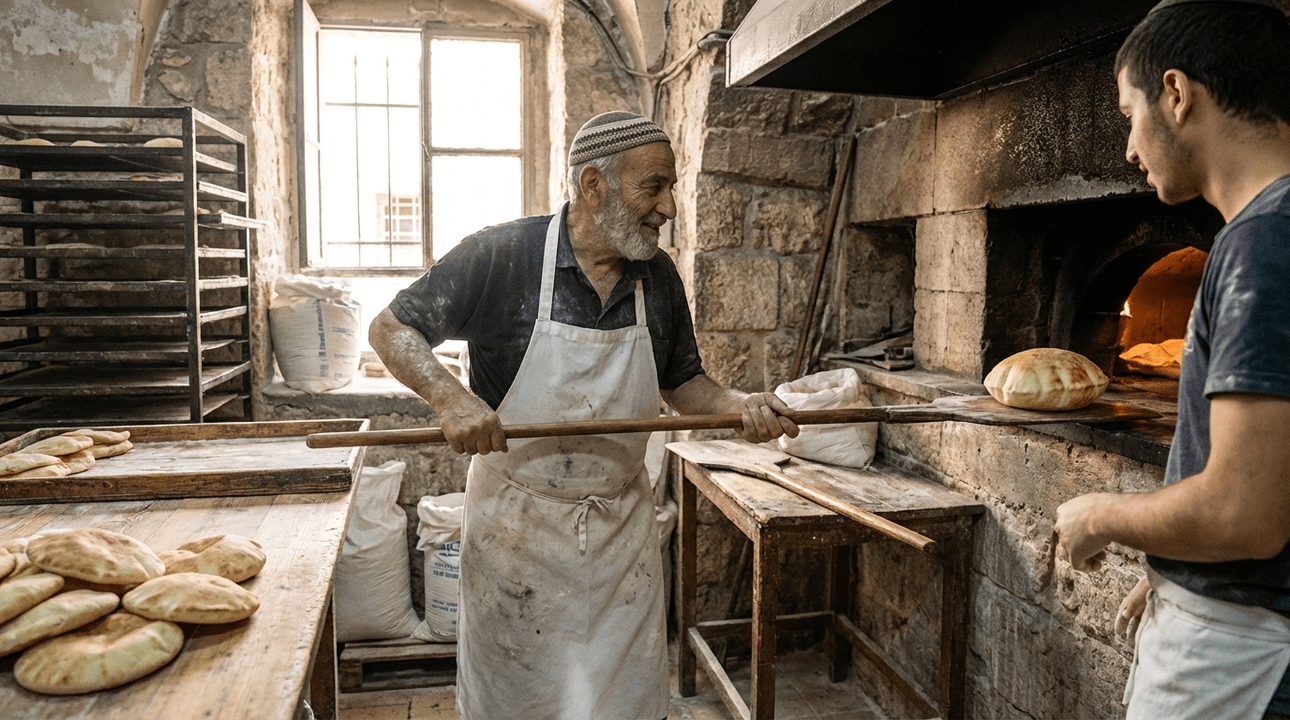
Enjoying Flatbread, Pita, and Lavash Today
The global appeal of these breads lies in their versatility and ability to adapt to various culinary styles.
Breads like lavash and pita have a versatility that allows them to transcend traditional uses. Lavash, for example, is often used in Armenian cuisine, while pita is a staple in Middle Eastern dishes. These breads have become integral to both classic and modern dishes, from wraps to pizzas.
The versatility of breads like lavash and pita allows them to become integral to both classic and modern dishes, showcasing their enduring nature in culinary traditions.
Experimenting with recipes is a delightful way to incorporate these breads into varied meals. For instance, you might pair pita with feta cheese and olives for a Mediterranean twist or use lavash to wrap grilled vegetables and hummus.
Incorporating them into your diet allows for a taste of the Middle Eastern culinary landscape, offering a blend of traditional and modern flavors. These breads provide a canvas for creativity in the kitchen, connecting ancient traditions with contemporary tastes.

Common Questions
