
25 Important Places in the Bible


This article lists 25 places that appear in the Bible or are commonly linked to biblical texts. Each entry gives a short factual note. Sentences are written plainly for readers aged 55 and older. Where a claim needs a source, links at the top of the page are offered. The content aims to be neutral and factual.
1. Jerusalem – Jerusalem appears across many biblical books. At various times it served as a political center and as a focus for ritual life. The First Temple is described in the texts as built there; later, the Second Temple again made the city a place of public rites. Jerusalem is the setting for many narrative events in the literature. Archaeological study and historical records provide added detail about the city’s long history. Readers may consult the linked sources for overviews of archaeological and textual evidence.
from the Western Wall to Masada.
Places in the Bible
2. Bethlehem – Bethlehem lies south of Jerusalem. Several passages name it in family lists and local stories. The town is noted as a home for some family groups in the narrative sources. It is also found in lists of towns and in routes near the central highlands. Modern study notes connections between the site and the surrounding agricultural land. Short archaeological and historical reports consider the town’s size and role in its region.
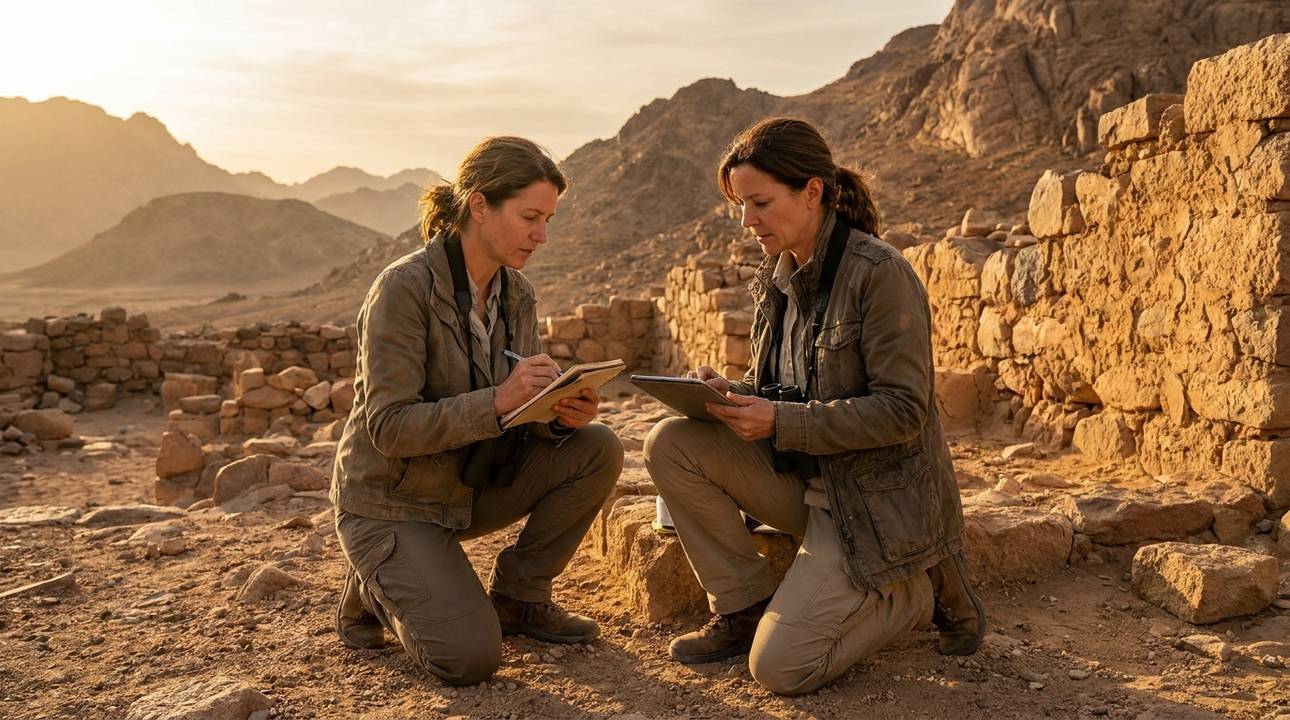
3. Mount Sinai – Mount Sinai is named in biblical accounts as a site where laws were given and where leaders gathered for decisive moments. Traditional identifications place the mountain on the Sinai Peninsula, though scholars have discussed several possible locations. The mountain is treated in the texts as a place of instruction and formal agreements. Reports and traditions about Sinai differ; readers interested in the range of views can consult the linked references. This entry remains a brief guide to those discussions.
4. Hebron – Hebron lies in the hill country. It appears in early narratives as a home base for named families and as a burial place for certain figures. In some periods the town served as a regional center. Modern research documents long-term occupation and a layered sequence of remains. The town’s archaeology helps show phases of settlement and local economy.
5. Jericho – Jericho is known in the texts for accounts that describe the town’s walls and events set there. The site sits on a route in the Jordan Valley. Archaeologists have identified settlement layers at and near the site that show long human presence over time. The city also appears in lists related to trade and travel along the valley. Brief summaries of the archaeology are available in the sources above.
6. Sea of Galilee – This freshwater lake in the north supported fishing and local transport. The lakeshore region sustained villages and small ports. Several accounts take place on or near the lake and name ordinary activities such as fishing and travel along the shore. The lake’s geography influenced local settlement and routes between towns.
7. Jordan River – The Jordan River runs through the region and marks movement in several accounts. Stories often describe crossings and ritual actions at the river. Its course affected settlement patterns and how goods moved along valleys and plains. Short geographic descriptions in the linked sources provide maps and further detail.
8. Mount Carmel – Mount Carmel is a coastal ridge named in a number of accounts. Later records associate the ridge with local figures in regional narratives. The place stands out in texts as a high point near the plain and the sea. Modern study notes long human use and traces of ancient occupation on the ridge and nearby slopes.
Geography and Biblical Narratives
9. Negev Desert – The Negev occupies the southern territory of the region. Travel here required planning for water and shelter, both in ancient times and later. Nomadic routes and small farmsteads are recorded in some sources. Several narratives set scenes of travel or daily life in desert zones such as the Negev. Archaeology and surveys record seasonal use of water points and paths across the area.
10. Jezreel (Jezreel Valley) – The Jezreel Valley is a fertile plain that supported farming and movement between north and south. It appears in accounts of battles and agricultural activity. The valley’s geography made it a frequent stage for events tied to food production and to troop movements. Short archaeological studies show long-term use of its fields and routes.
11. Beersheba – Beersheba is located in the south on old travel routes. The settlement is found in legal lists and in family narratives. Wells in the area are mentioned as important water sources. Beersheba also functioned as a junction for travel between regions. Modern fieldwork notes continued settlement and changing site size across periods.
12. Shechem – Shechem lies in the central highlands. The place is named as a meeting site in several texts and as a center for local assembly. Its position made it practical for talks between groups from nearby valleys and towns. Archaeological work indicates long occupation and layers of rebuilding over centuries.
Archaeology and Place Identification
13. Hazor – Hazor is a major northern site. Excavations show phases of settlement and episodes of destruction. The site appears in lists and in historical passages that record regional change. Studies of Hazor contribute to understanding how towns grew and declined. Short summaries and excavation reports are available in specialist works for readers who seek greater detail.
14. Lachish – Lachish is a fortified city in the Shephelah plain. It appears in accounts related to sieges and local governance. Archaeological layers at the site show urban life in multiple eras. The records from Lachish inform studies of administration, craft production, and building practice in the region.
15. Samaria – Samaria served as a capital in parts of the northern kingdom. It appears in political and prophetic texts. Excavations reveal planning and administrative structures. These remains illustrate how a city center functioned in different periods. Readers should consult archaeological summaries for technical findings and dating.
from the Western Wall to Masada.
16. Megiddo – Megiddo sits on a main route across the Jezreel Valley. The site connects to trade and military movement. Archaeologists have documented repeated layers of occupation, showing that several groups used the place over many centuries. Reports on Megiddo offer detailed stratigraphic accounts for those interested.
17. Tiberias – Tiberias lies on the western shore of the Sea of Galilee. It appears in later historical records and in local traditions. Over time it became a center for learning and local commerce. The town’s later records help map the region’s development in the centuries after the biblical period.
Notes on Later Records and Influence
18. Caesarea – Caesarea served as an important port and administrative center on the coastal plain. It appears in historical accounts tied to governance and to sea-borne trade. The harbor and road connections supported the movement of goods and people along the coast. Archaeological work documents harbor structures and urban planning from later periods.
19. Ashkelon – Ashkelon is a coastal site with long occupation. Early records list it among Philistine towns in some sources. Finds at Ashkelon show connections with wider Mediterranean networks. Over time the town participated in maritime trade and local exchange along the shore.
20. Gilead – Gilead covers hilly country east of the Jordan River. It appears in legal and narrative lists and is connected with pastoral life in many accounts. The terrain affected movement and patterns of grazing. Place names in Gilead are recorded in several sources across time; some are easier to link to a specific place than others.
21. Ramah – The name Ramah appears at different sites in the sources. In some passages it serves as a fortress or a local center. Modern identification varies by passage and depends on context. Scholars warn that similar names can refer to separate locations in different periods, so careful reading is needed.
Other Notable Locations
22. Bethany – Bethany lies close to Jerusalem in several travel accounts. It is named as a place of homes and simple daily life in those texts. The village appears in lists of towns around the city and on routes used by travelers. Archaeological notes describe a small-scale settlement pattern in the area.
23. Mount of Olives – The Mount of Olives is a ridge east of Jerusalem. It was used for lookouts and as part of travel routes. The site also contains burial grounds referenced in some later records. Its slopes form part of the city’s surrounding geography and are noted in both textual and topographic studies.
24. Emmaus – Emmaus appears in travel narratives. Its exact identification has been debated in later study. Several texts place a meeting and a journey at or near Jerusalem and name this place. Scholars propose different candidate sites for Emmaus; readers should consult detailed studies that compare the textual and archaeological evidence.
25. Masada – Masada is a plateau above the Dead Sea. Major events there date to the Roman period, but the site sits in a landscape used in many historical eras. Excavations at Masada show complex occupation and buildings that reflect extended human use of the plateau. Site reports document architecture, water systems, and material culture found on the site.
About sources and claims
This list offers short factual notes. Some identifications follow long-held tradition. Others rest on archaeological work or on historical records. Where scholars disagree, an entry gives the basic point without choosing a side. For deeper detail, readers may consult the linked sources at the top of the page or specialist works cited by those links.
How to use this list
Entries here are brief to help readers find basic facts quickly. Each item names the place and states one or two simple points about why it is noted in the texts or in later records. For fuller study, consult the linked sources and specialist works listed above. The presentation remains factual and avoids persuasion or calls for action.
Final note
The list is intended as a straightforward reference for readers who want clear, simple information about named places in the Bible. The article keeps a neutral tone and provides concise factual statements or notes of scholarly uncertainty where needed. Readers who wish to read more may follow the source links for more detailed studies and reports.
Understanding Historical Geography
