
Discovering the Significance of Allon Bacuth


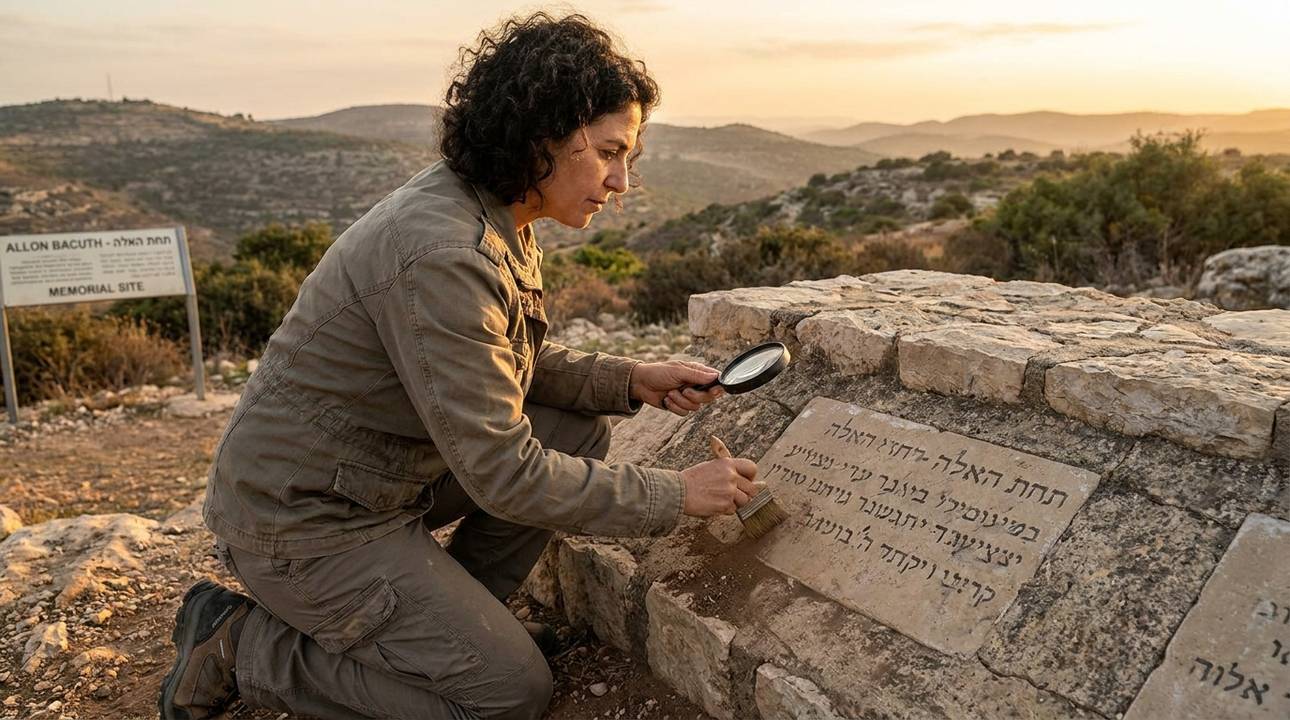
Allon Bacuth, a lesser-known but poignant place, is introduced in historical texts. It is where a significant figure was mourned. This site highlights themes of mourning and memory in narratives. The name ‘Allon Bacuth’ itself translates to ‘Oak of Weeping,’ emphasizing the sorrow felt. Her death marked a moment of personal loss, akin to the mourning of Sarah at Hebron.
The oak tree at Allon Bacuth serves as a symbol of remembrance, much like other historical sites where significant events occurred. The Cave of Machpelah, where Sarah was buried, is another example of how these locations become places of shared history. Such sites offer a tangible connection to the past, allowing individuals to reflect on the stories and emotions that have shaped their cultural identity and personal experiences.
from the Western Wall to Masada.

Where Is Allon Bacuth Mentioned in the Bible?
Allon Bacuth is mentioned specifically in historical texts. This chapter details the journey of a family returning to Bethel. During this journey, a significant figure died and was buried under an oak tree, which is named Allon Bacuth, meaning ‘Oak of Weeping.’
The name itself reflects the sorrow of the moment, cementing its place in the emotional landscape of the narrative. This moment serves as a reminder of the personal losses experienced by figures in history, much like the rest of humanity throughout time.
The significance of naming places after events or people is seen in other instances, such as the naming of Beersheba, marking the site of a covenant.
These names serve as lasting reminders of the stories and emotions tied to these locations, ensuring that the memories of those who lived and died there continue to resonate with future generations.
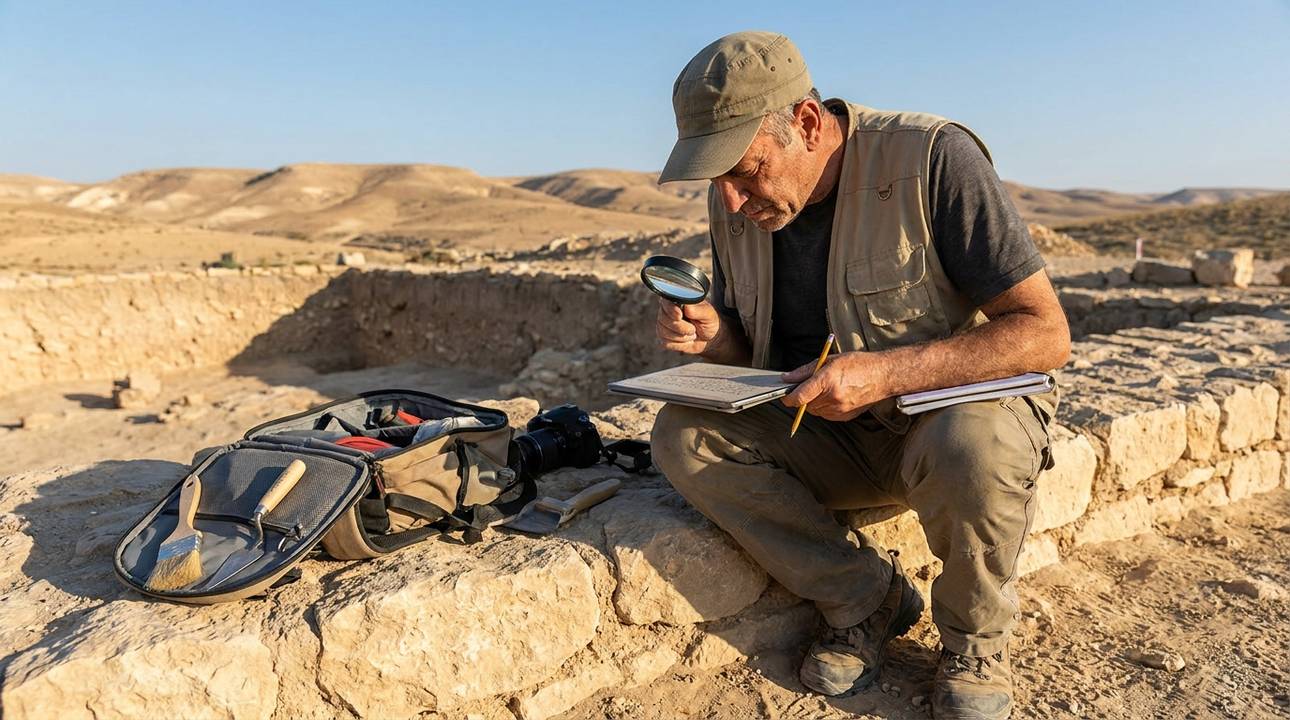
Who Was the Significant Figure at Allon Bacuth?
The significant figure mentioned in connection with Allon Bacuth was Rebekah’s nurse. She accompanied Rebekah when she left her family. Her presence throughout the lives of significant figures underscores her vital role in their personal stories.
Her death marks an emotional moment for Jacob, highlighting her importance not only as a caretaker but as a significant family member. Her burial under the oak gives the location its name, joining the personal and geographical history in a single narrative thread.
The oak at Allon Bacuth becomes a symbol of mourning and remembrance, similar to other sites like the Cave of Machpelah. This act of burial under a tree is a poignant reminder of the connections between people and places.
The role as a nurse and confidante to Rebekah and her family illustrates the deep bonds formed through shared experiences and the impact of such relationships on narratives.
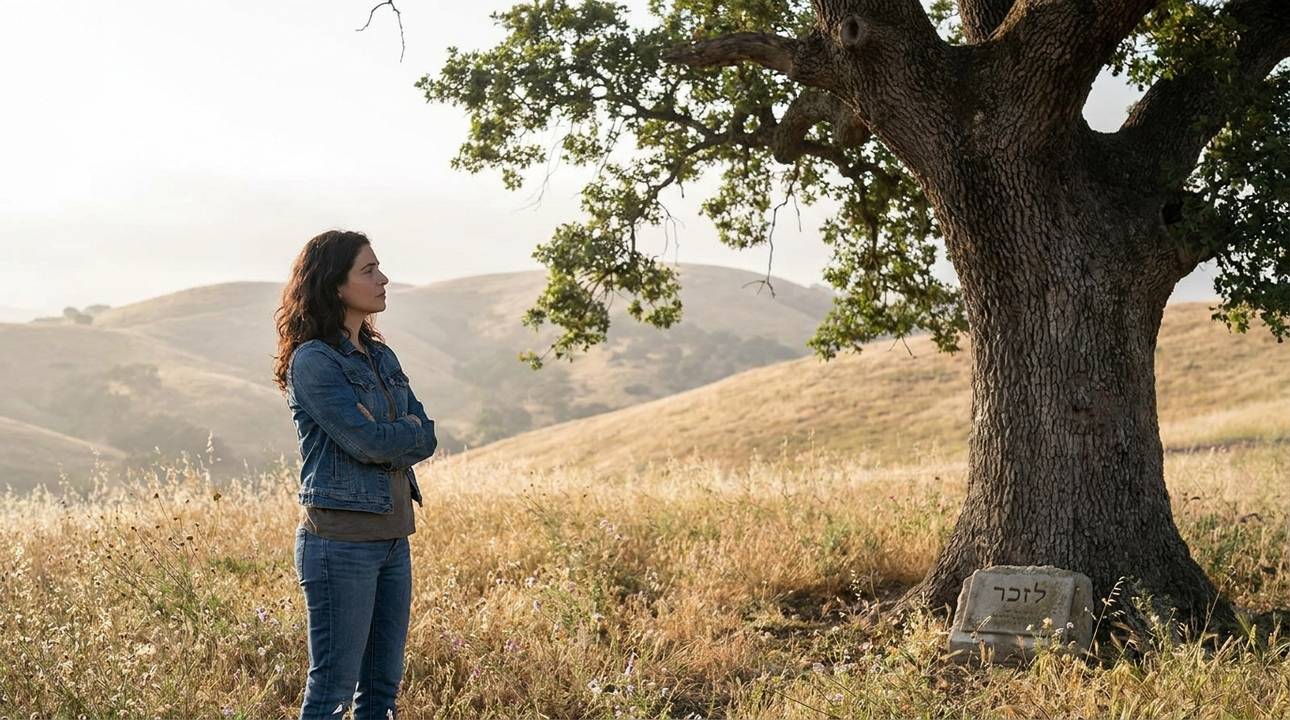
Understanding the Meaning of ‘Allon Bacuth’
The term ‘Allon Bacuth’ can be translated from Hebrew as ‘Oak of Weeping.’ This nomenclature reflects not only the funeral of a significant figure but the broader theme of memory and mourning. Oaks often symbolize strength and endurance, suggesting a lasting memorial for those who grieve.
By naming the tree, the narrative creates a place of memory and an emotional landmark for Jacob and his descendants. These trees are mentioned in other contexts, marking significant promises.
The symbolism of the oak extends to its role in significant events. Such trees serve as physical reminders of the connections that bind people to their past. By understanding the significance of these natural landmarks, we gain a deeper appreciation for the ways in which memory and mourning are woven into the fabric of narratives, showing the human experience.
The oak’s symbolism extends to its role as a witness to covenants. In this way, the tree at Allon Bacuth serves as a sign of enduring faith and the importance of remembrance in tradition. Its presence in these narratives underscores its role as a silent guardian of history and memory, providing a tangible connection to the past for future generations.
Oaks were also sites of judgment and decision-making. With their deep roots and expansive branches, they symbolize strength and the passage of time. By serving as witnesses to significant events and decisions, these trees become living testaments to the enduring nature of tradition, showing the ways in which memory and history shape our understanding of the world.
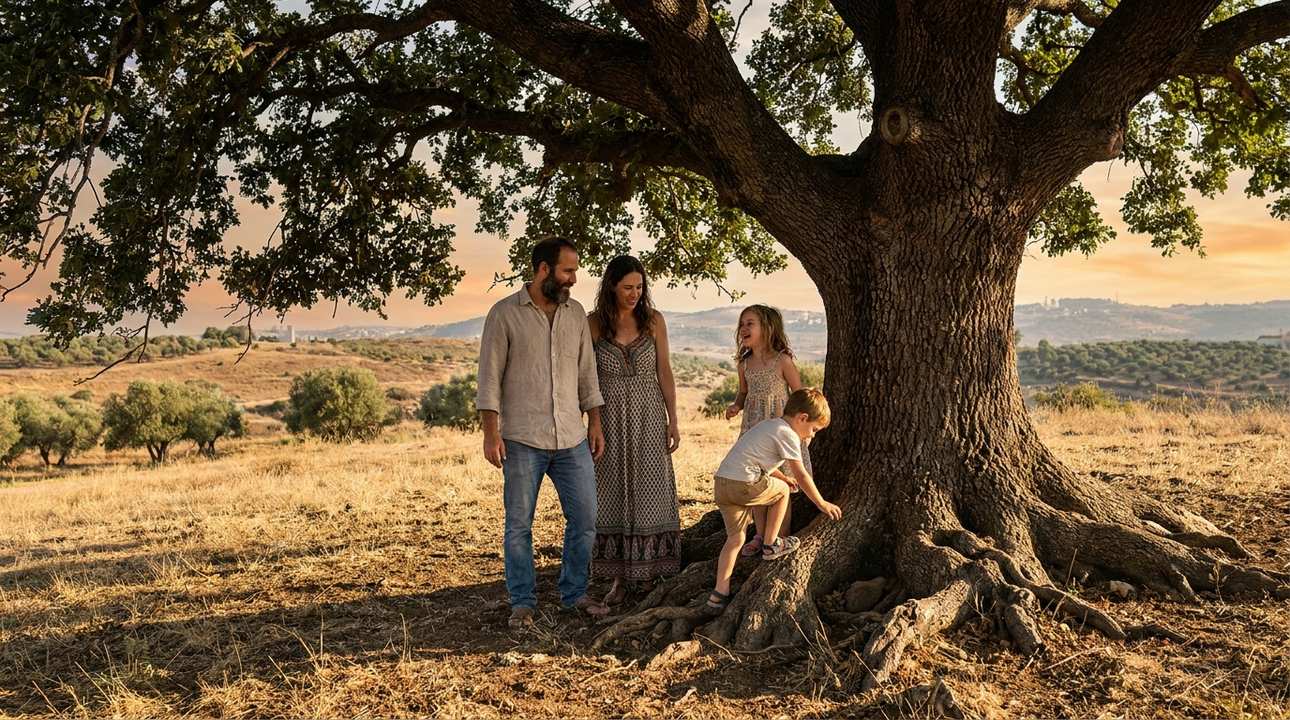
Significance of Mourning in Historical Narratives
Mourning is a recurring theme, providing a deep connection to human experiences across generations. Allon Bacuth stands as an emblem of this universal experience. The naming of locations as memorials, like Allon Bacuth, enriched the cultural mix, highlighting the role of memory in shaping identity and tradition. This emphasis on remembrance fosters a sense of continuity between past and present, grounding modern readers in the shared experiences of humanity. The Cave of Machpelah is another such memorial site.
Historical records show other instances of mourning, such as the lamentation for Rachel near Bethlehem, showing the importance of marking places of sorrow. These memorials serve as physical reminders of the stories and emotions tied to them.
By understanding these locations, we gain insight into the ways ancient peoples processed grief and maintained connections to their heritage, offering lessons that resonate with us today. The tomb of Rachel, marked by a pillar, continues to be a place of pilgrimage and reflection.
from the Western Wall to Masada.
In the same way, the burial of Sarah in the Cave of Machpelah illustrates how these sites become places of shared history and personal reflection. Such locations provide a tangible link to the past, allowing individuals to connect with the narratives that shaped their cultural identity. These memorials not only honor the deceased but also serve as reminders of the enduring nature of love and loss, resonating with the experiences of countless generations.
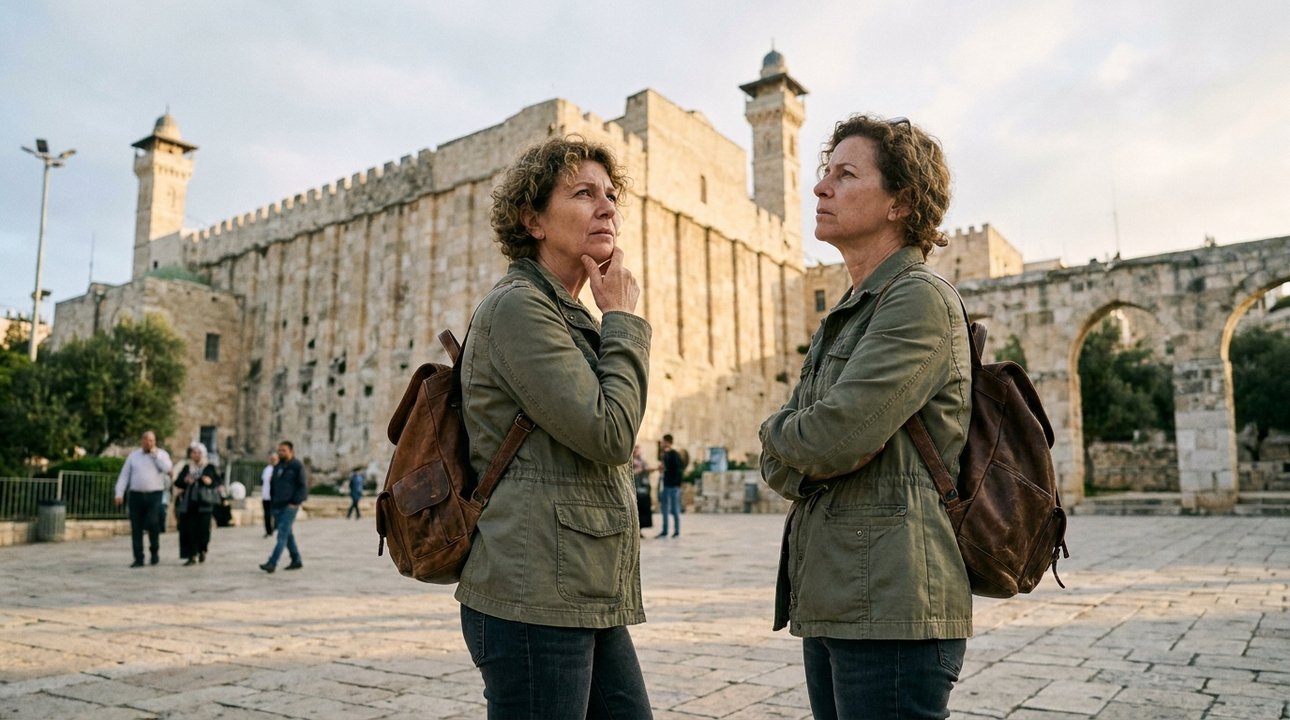
The Role of Oaks in Historical Symbolism
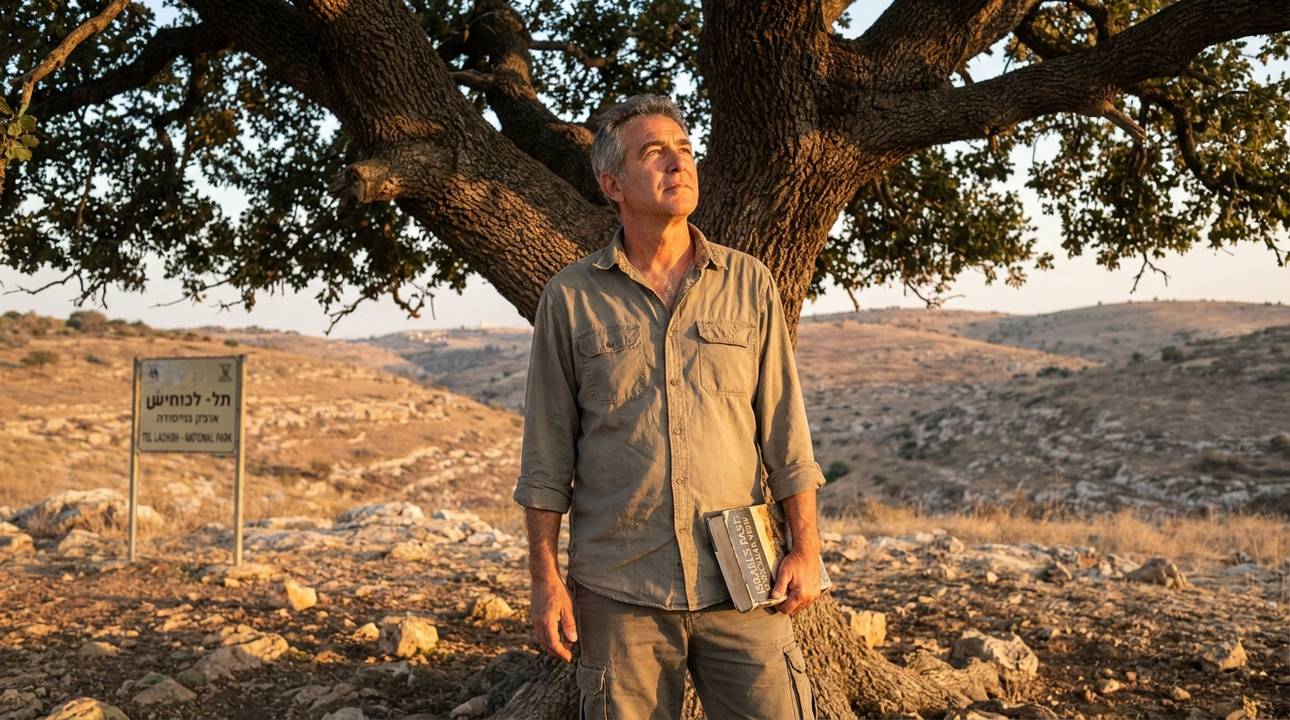
Oaks feature prominently in literature as symbols of strength and resilience, often marking locations of significant events. At Allon Bacuth, the tree becomes a site specific to mourning, illustrating the connection between natural landmarks and significance in historical times. Such trees not only represent continuity and tradition but also offer a silent witness to pivotal life events, standing as a sign of enduring faith and memory.
The oak’s role in stories, such as where significant events occurred, highlights its importance as a sacred space. Similarly, the tree at Allon Bacuth serves as a reminder of the profound impact of loss and the strength found in remembrance.
These natural landmarks provide a sense of place and continuity, linking past events to present reflections and future hopes.
Oaks have been witnesses to covenants and significant events, serving as silent guardians of history. With their deep roots and expansive branches, they symbolize strength and the passage of time, offering a living connection to the stories and traditions that shape our understanding of the world.
Allon Bacuth in Modern Reflection
In contemporary times, Allon Bacuth extends beyond its historical roots to inspire reflections on memory and mourning. Its continued relevance is evidenced in how we understand and honor the past.
The site invites us to contemplate the ways in which personal loss is universal, connecting us to the ancient text. For those exploring historical lands or narratives, understanding locations like Allon Bacuth deepens the appreciation for the shared human experience of remembrance.
It serves as a reminder of the enduring nature of grief and memory. Just as the oak stands as a sign of a significant life and death, modern memorials continue to honor those we have lost, bridging the gap between past and present. In visiting such sites, we are reminded of the shared human experiences that bind us across time and geography, offering comfort and connection through the ages.
The practice of naming places as memorials continues today, echoing the tradition seen at Allon Bacuth. This act of naming helps preserve stories and emotions tied to significant events, allowing them to resonate through time.
For example, historical texts recount how significant places were named after events, reflecting the importance of these acts in preserving cultural memory.
As we reflect on sites like Allon Bacuth, we are reminded of the enduring power of memory in shaping cultural identity and personal connections across generations. These memorials serve as anchors in the vast sea of history, allowing us to connect with the emotions and experiences of those who came before us. The tradition of naming places after significant events or people is a sign of the human desire to remember and honor the past, ensuring that these stories is still remembered and teach future generations.
About Allon Bacuth
