
Understanding the Antonia Fortress and Its Significance


The Antonia Fortress was a significant military and administrative structure, playing a key role during the Second Temple period as a base for Roman troops. This article explores its history and cultural role through architectural features and historical maps. Named after Mark Antony, it was strategically located near the Temple Mount, enabling Roman authorities to oversee religious activities and maintain control over the city.
Its robust construction included towers and walls that provided a vantage point over Jerusalem, as described by the historian Josephus. These features highlight its importance in Roman military strategy, serving both as a defensive stronghold and a symbol of imperial power in the region.
from the Western Wall to Masada.

What Was the Antonia Fortress?
Constructed by King Herod in the first century BCE, the Antonia Fortress in Jerusalem served as a strategic military headquarters for Roman troops occupying Judea. Named in honor of Mark Antony, it reflected its Roman connection.
This imposing structure overlooked the Temple Mount, providing a vantage point crucial for both defense and administration. Its location was strategically chosen to keep a watchful eye on activities within the city and the temple.
The fortress included a series of towers, with the tallest positioned at the southeast corner. These towers allowed for effective monitoring of the surrounding areas, including the temple courts and residential neighborhoods.
The design reflected a blend of Roman military architecture and local construction styles, emphasizing its significance as both a military installation and a political statement.
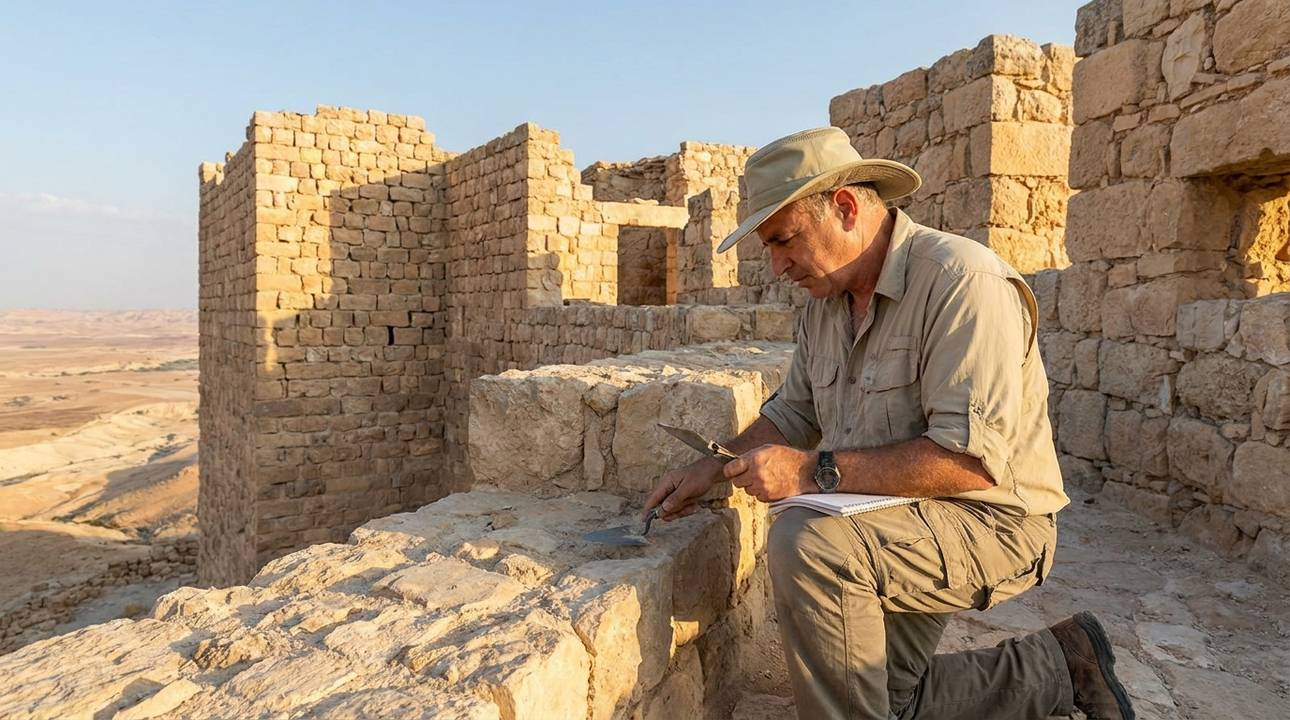
How Did the Antonia Fortress Function?
Primarily, the Antonia Fortress served as a stronghold for the Roman garrison stationed in Jerusalem, housing a significant number of troops ready to quell any unrest, particularly during religious festivals that attracted large crowds.
It also played a role in managing the city’s administration, allowing Roman officials to oversee local governance and ensure compliance with imperial policies.
Inside, facilities were designed for the comfort and efficiency of the stationed troops, including barracks, storage areas, and provisions for maintaining weapons and armor.
The fortress featured advanced engineering techniques, such as aqueducts for water supply, crucial for sustaining a large garrison. Its robust defenses and strategic sightlines made it a formidable presence in the city, allowing Roman forces to monitor and respond to any threats swiftly.
The design reflects the Roman military’s emphasis on organization and preparedness. Historical accounts, such as those by Josephus, describe its towers and walls, which provided a vantage point over Jerusalem, ensuring that Roman soldiers could oversee the city and maintain order effectively.
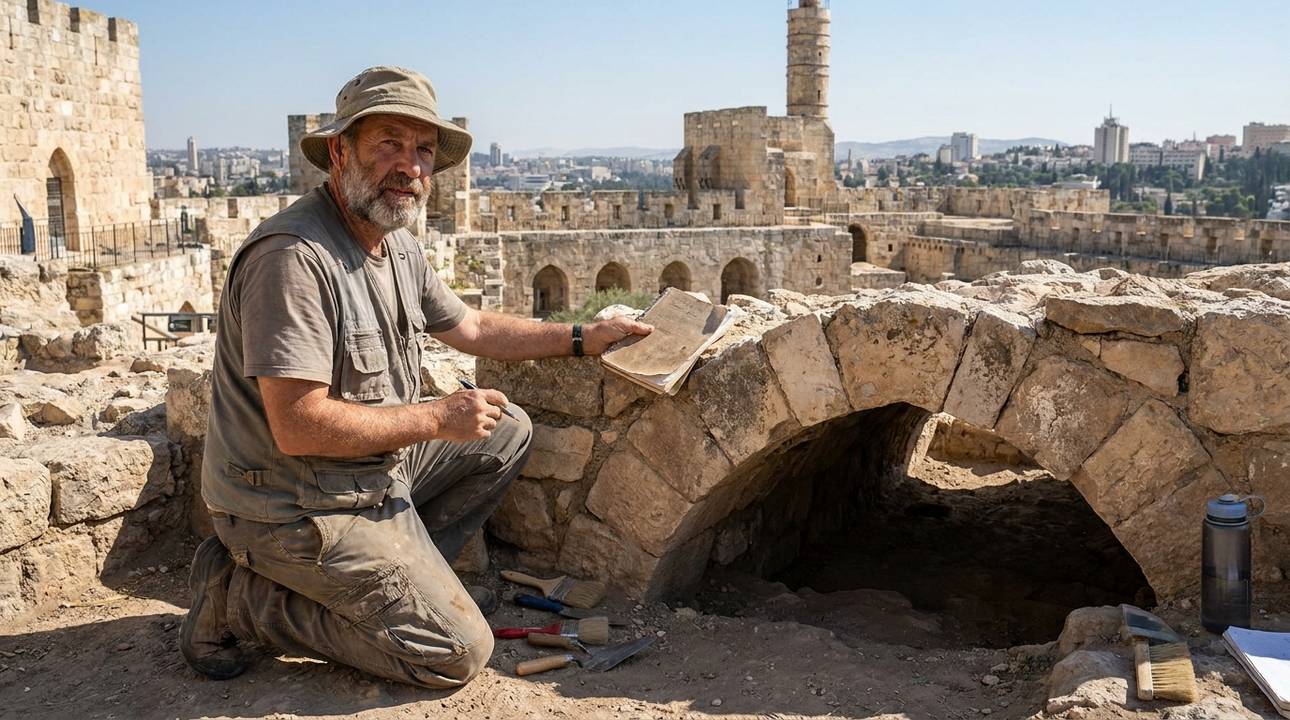
Antonia Fortress in the Context of the Second Temple
During the Second Temple period, Jerusalem was a hub of religious and political activity. The Antonia Fortress was strategically placed to monitor and control events related to the temple.
Its proximity allowed Roman authorities to quickly address any disturbances that might arise during major religious ceremonies. This placement was crucial, as it provided a direct line of sight to the Temple Mount, enabling swift military response to any unrest.
Its presence during significant events underscored the Roman Empire’s interest in maintaining order and asserting control over religious practices. Historical accounts, such as those by Josephus, describe how its strategic location was integral to the Roman administration’s ability to manage the complex dynamics of Jerusalem’s religious and political landscape.
The presence of Roman forces in the Antonia Fortress was a constant reminder of the broader imperial governance that affected daily life in Judea. Its role was vital in maintaining order but also symbolized the tension between Roman authorities and local Jewish populations.
This tension is evident in historical accounts, such as those describing the Jewish Revolt, where it served as a base for Roman operations against the insurgents.
Its strategic location near the Temple Mount allowed Roman forces to oversee religious activities, further emphasizing the control exerted over the Jewish population. This proximity to a sacred site added to the friction between the occupiers and the locals, as it stood as a symbol of foreign dominance over a deeply significant cultural and religious landmark.
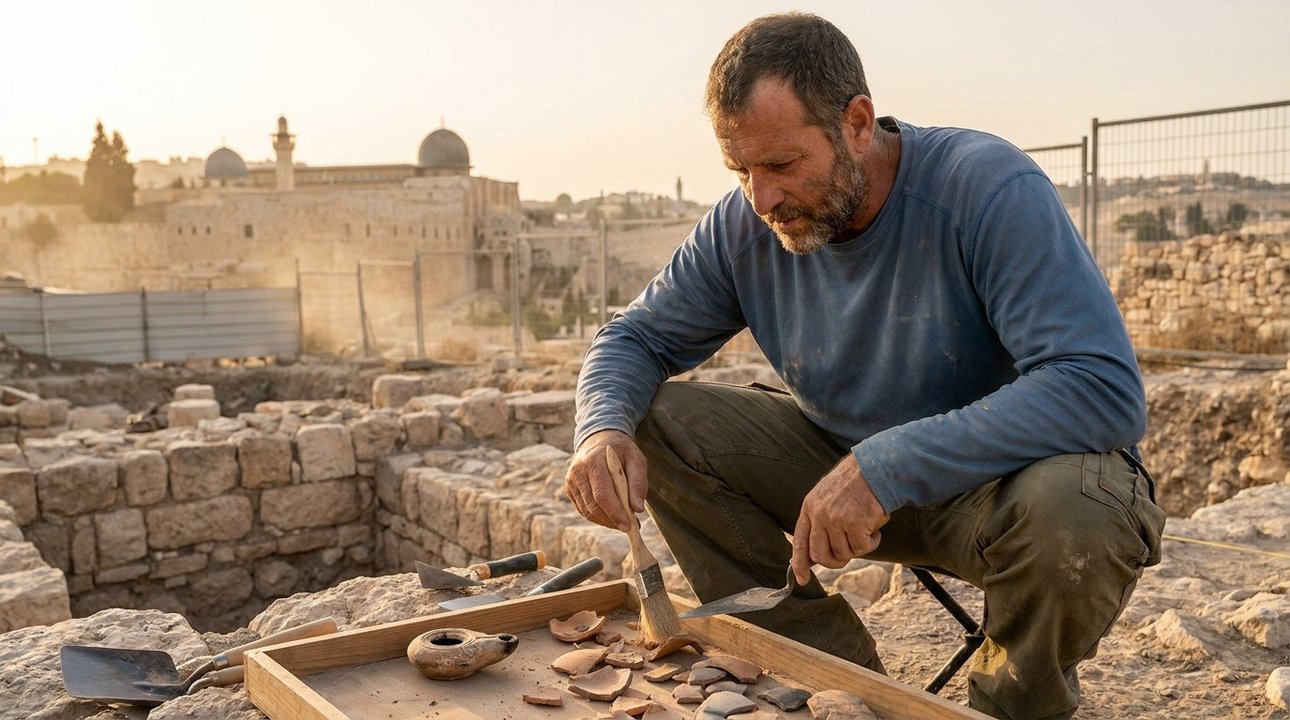
Maps and Archaeological Discoveries
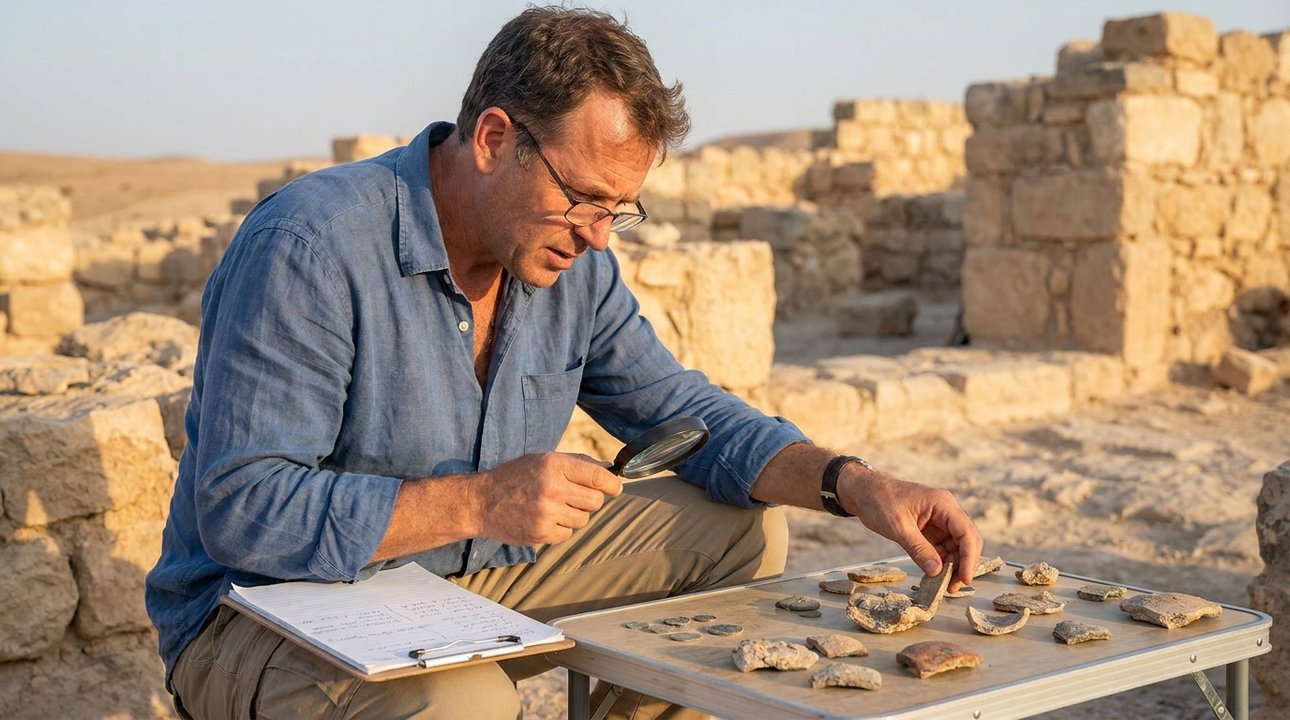
Historical maps of Jerusalem often include the Antonia Fortress due to its significant role in the city’s layout. Archaeological efforts have uncovered remnants, providing insights into its construction and scale.
These findings highlight Herodian influences in its architecture and expand understanding of its operational capabilities.
from the Western Wall to Masada.
Despite limited physical evidence, historical texts supplement archaeological data, illustrating its prominence. Detailed descriptions by historians like Josephus provide additional context regarding its structural features and strategic importance.
Josephus, in his work ‘The Jewish War,’ describes its dimensions and role during the Jewish Revolt, highlighting its significance as a military stronghold.
Its location near the Temple Mount also allowed for effective surveillance of the area, ensuring Roman control over religious and civic activities. This strategic positioning is corroborated by archaeological findings, which align with Josephus’s accounts of its layout and function in the city’s defense network.
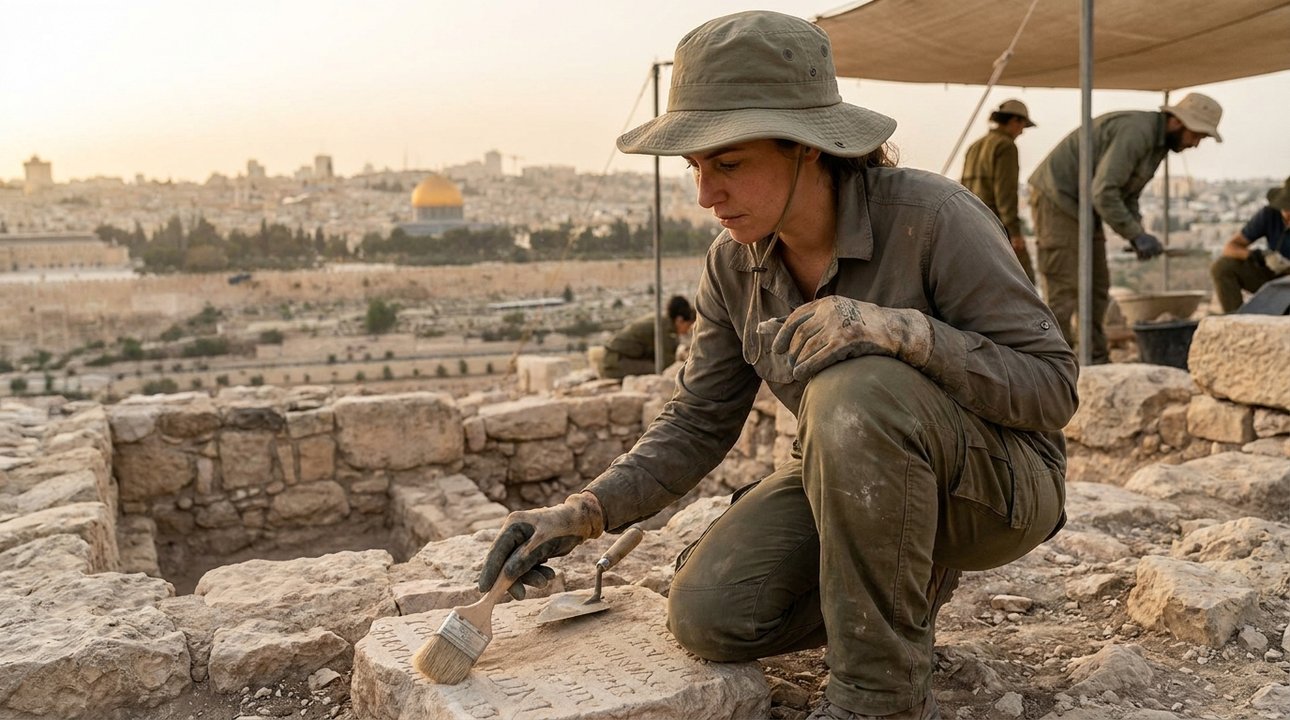
Antonia Fortress in Modern Study
In modern scholarship, the Antonia Fortress is studied both for its architectural ingenuity and its socio-political implications. Researchers continue to explore how it influenced ancient urban planning and day-to-day governance in Jerusalem.
It has been a focus of many archaeological expeditions aimed at uncovering its mysteries, though much remains to be discovered.
Modern interpretations often consider it as a symbol of Roman dominance, examining its implications in the tension between occupying forces and local populations. This line of inquiry allows for a better understanding of the historical dynamics at play.
Its imposing architecture and strategic location near the Temple Mount highlight the Roman Empire’s efforts to assert control over the region, a theme explored in various historical analyses.
Furthermore, its role in events such as the Jewish Revolt provides insight into the resistance faced by the Romans from local populations. This resistance is documented in texts like Josephus’s ‘The Jewish War,’ which details the struggles between the occupiers and the Jewish people seeking autonomy.
Cultural and Religious Impacts
The cultural impact extends beyond its military and administrative functions. It has been referenced in various religious and historical texts, showing the complex interplay between power and faith during the Second Temple period. For instance, it is mentioned in the writings of Josephus, who detailed its role in the events leading up to the destruction of the Second Temple in 70 CE. This period was marked by significant religious and political upheaval, with it standing as a sign of these turbulent times.
Moreover, its location near the Temple Mount allowed it to oversee religious activities, reflecting the Roman Empire’s interest in controlling not only political but also religious aspects of life in Judea. This strategic placement underscores its importance in maintaining Roman influence over the region’s diverse cultural and religious landscape.
Its historical narrative adds depth to the understanding of Roman rule in Judea. It showcases how physical structures can embody the shifting tides of political control and cultural identity over time.
For example, it was named after Mark Antony, reflecting the influence of Roman leaders in the region. The structure itself was strategically positioned near the Temple Mount, a site of immense religious significance, highlighting the complex interactions between political power and religious tradition.
Additionally, it played a role during significant events, such as the Great Revolt in 66 CE, when Jewish forces attempted to reclaim their autonomy. These events underscore how it was not just a military installation but a symbol of Roman authority and the tensions that accompanied it.
General Information
