
Understanding Baal of Peor in Historical Context


Baal of Peor is a notable location linked to pivotal events. Known for its association with idol worship, it features in the account of the Israelites’ journey. This article will delve into its geographical and societal roles.
Exploring its geographical roles, we see how this location influenced the Israelites and their interactions with neighboring peoples, such as the Moabites.
The events at Baal of Peor are a key part of the narrative, highlighting the challenges faced by the Israelites during their journey. The Moabites, mentioned in the text, played a significant role in these events. This article will explore the cultural and history of Baal of Peor, providing insights into its impact on the Israelites and their interactions with neighboring peoples.
from the Western Wall to Masada.

What Is the Historical Baal of Peor?
Baal of Peor is mentioned as a site of idol worship and transgression. The location is associated with a Moabite deity that tempted the Israelites during their wanderings in the wilderness.
This account highlights the Israelites’ struggle to maintain their covenant amidst external pressures, serving as a warning against the dangers of idolatry. The Moabites’ influence is evident in the story, showcasing the challenges faced by the Israelites.
The events at Baal of Peor are a significant part of the narrative, illustrating the Israelites’ ongoing struggle to remain faithful. The Moabite deity, associated with the site, represents the external temptations that threatened their integrity.
This account continues to serve as a powerful reminder of the importance of maintaining one’s values in the face of external pressures and influences.
The incident at Baal of Peor involved the Israelites engaging in illicit worship, leading to a severe punishment as recorded in the Torah. This serves as a historical example of the challenges faced by the Israelites in upholding their beliefs.
The account underscores the importance of loyalty and obedience to their values, as the Israelites were tempted by the Moabites, resulting in a breach of their covenant.
This account at Baal of Peor is a stark reminder of the consequences of straying from one’s spiritual commitments. The Israelites’ experience highlights the importance of remaining true to their covenantal obligations.
The narrative, found in Numbers 25, serves as a cautionary tale about the dangers of yielding to external temptations and the need for moral vigilance in maintaining one’s faith.
The Account of Baal of Peor
The account of Baal of Peor is found mainly in historical texts, where the Israelites engage in idol worship and immorality. This incident leads to severe consequences, including a plague affecting the Israelites.
The narrative highlights the dangers of straying from their obligations, emphasizing the importance of loyalty to their beliefs. It serves as a cautionary tale about the repercussions of yielding to external temptations.
The events at Baal of Peor are a vivid illustration of the challenges faced by the Israelites in maintaining their faith. The Moabites’ influence, as described in Numbers 25, led to significant consequences for the Israelites.
This account serves as a powerful reminder of the importance of remaining true to one’s spiritual commitments and the dangers of succumbing to external pressures and temptations.
Where Was Baal of Peor Located?
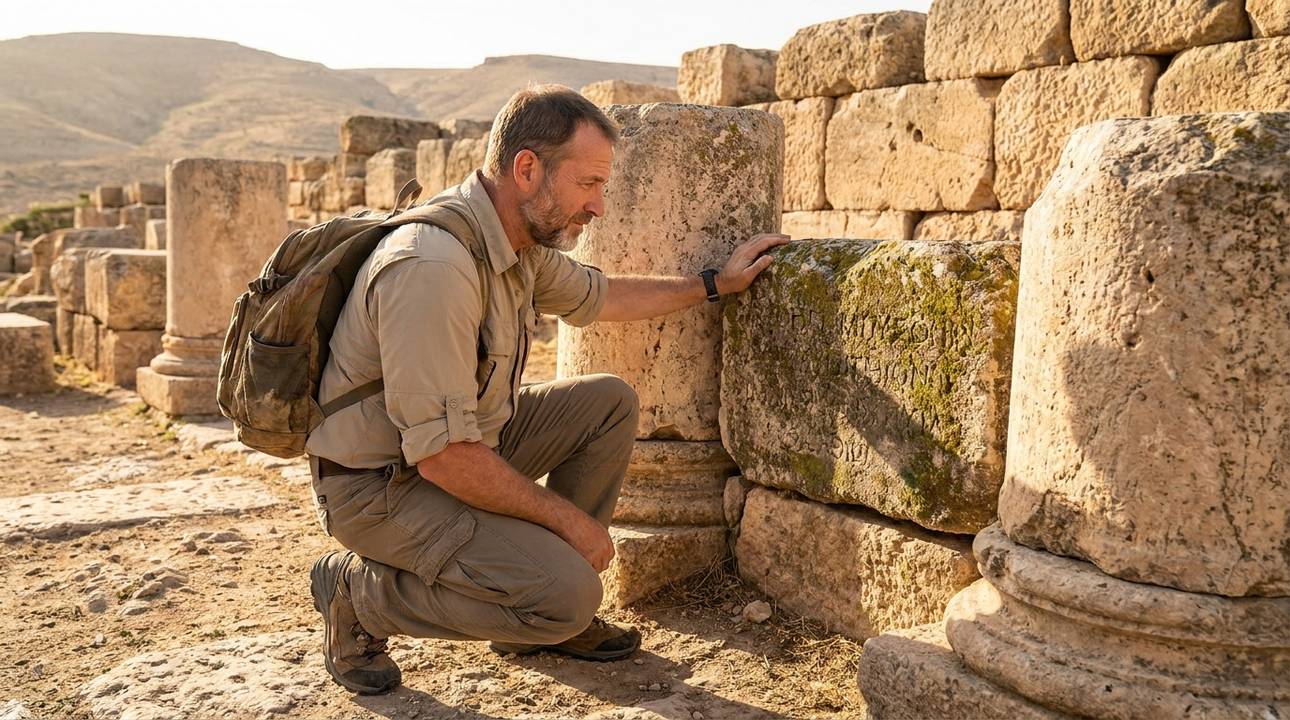
Baal of Peor was likely situated in the region of Moab, near the Jordan River. Although the exact location remains uncertain, it was strategically placed to influence the Israelites during their journey.
This area was known for interactions between different cultural and religious groups, including the Moabites and Israelites. Such interactions often led to both cultural exchanges and conflicts, as seen in historical accounts. The Moabites, descendants of Lot, played a key role in these dynamics.
The region of Moab, where Baal of Peor is believed to have been located, was a significant area for cultural and religious interactions. The strategic location near the Jordan River made it a focal point for various groups.
The interactions between the Moabites and Israelites, as described in the Bible, highlight the complexities of cultural exchanges and the potential for both enrichment and conflict in such relationships.
The Moabite Influence at Baal of Peor
The Moabites played a crucial role during the events at Baal of Peor, enticing the Israelites with their worship practices. The Israelites began to engage in idolatry with the Moabite women, leading to significant consequences.
These interactions led to a blending of cultures, albeit conflict-ridden, showcasing the Moabites’ influence over the region’s religious landscapes.
This event is a vivid example of cultural and religious interaction in the ancient Near East. The Moabites, known for their worship of Chemosh, had a significant impact on the Israelites, as seen in this narrative.
The account at Baal of Peor is not only a story of temptation but also one of cultural influence and religious conflict, illustrating the complexities of ancient relationships between neighboring peoples.
This account highlights the complex relationships between neighboring cultures in the ancient Near East. The Moabites’ interactions with the Israelites serve as an example of how cultural exchanges can lead to both enrichment and conflict.
Such dynamics have been observed throughout history in various contexts, illustrating the challenges and opportunities presented by cultural interactions. The Moabites, who worshipped Chemosh, had a distinct cultural identity that influenced their interactions with the Israelites.
The blending of cultures at Baal of Peor is a sign of the fluidity of cultural boundaries in the ancient world. The Moabites, mentioned in the Bible as descendants of Lot, often interacted with their Israelite neighbors. These interactions, while sometimes leading to conflict, also provided opportunities for cultural exchange and understanding. The account at Baal of Peor is a prime example of the complexities involved in such relationships.
Cultural and Religious Significance
Baal of Peor symbolizes the trials encountered by the Israelites in maintaining their values. This account emphasizes the recurring theme of loyalty to their beliefs in the face of external temptations.
It serves as a moral lesson warning against idol worship, illustrating the dangers of deviating from commitments and the importance of steadfastness in one’s values. The Moabite women, as mentioned in the text, played a key role in leading the Israelites astray.
from the Western Wall to Masada.
The account at Baal of Peor is a vivid illustration of the challenges faced by the Israelites during their journey. It highlights the tension between maintaining faith and succumbing to external influences.
This narrative, found in Numbers 25, continues to serve as a reminder of the importance of staying true to one’s spiritual path, despite the temptations that may arise from surrounding cultures.
The account of Baal of Peor is often used in teachings to highlight the importance of steadfastness in one’s beliefs. It underscores the need for vigilance against influences that may lead one away from their path.
This theme remains relevant in contemporary discussions about values and morality, serving as a reminder of the consequences of straying from one’s principles.
The events at Baal of Peor serve as a cautionary tale, warning against the dangers of idolatry and moral compromise. The Israelites’ experience highlights the importance of maintaining one’s spiritual commitments.
In religious teachings, this narrative is often cited as an example of the need for moral vigilance and the consequences of yielding to temptation. It continues to resonate with those who seek to uphold their faith in challenging times.
Mentions in Later Jewish Tradition
In later Jewish texts and rabbinical writings, Baal of Peor is frequently referenced as a symbol of moral failure. These accounts often focus on themes of temptation, using the narrative as a cautionary tale for maintaining religious integrity.
The Talmud, for instance, discusses the incident as a lesson in resisting idolatry and staying true to one’s faith, highlighting the enduring importance of these teachings. The account is a reminder of the consequences of straying from one’s spiritual commitments.
Rabbinical interpretations of Baal of Peor often emphasize the moral and spiritual lessons that can be drawn from the narrative. The account serves as a powerful reminder of the need for vigilance in maintaining one’s faith.
The teachings derived from this event continue to resonate in Jewish thought, underscoring the importance of resisting temptation and remaining steadfast in one’s beliefs.
Rabbinical interpretations emphasize the importance of learning from past mistakes to avoid repeating them. The account of Baal of Peor, found in Numbers 25, serves as a reminder of the consequences of straying from religious principles.
This theme is echoed in various Jewish teachings and traditions, such as in the Talmud, which discusses the importance of resisting idolatry. These interpretations highlight the enduring relevance of maintaining religious integrity.

What Baal of Peor Represents Today
Today, Baal of Peor remains a powerful symbol of the challenges of faith and moral integrity. The narrative is detailed in Numbers 25, where the Israelites faced a test of their devotion.
While its physical presence is a subject of archaeological interest, its account offers timeless insights into human nature and the enduring struggle between devotion and temptation. The story continues to be relevant in discussions about ethical and spiritual resilience.
The site of Baal of Peor, though not definitively located, is believed to be in the region of Moab, near the Jordan River. Archaeologists and historians are keenly interested in uncovering more about this area.
The account of Baal of Peor serves as a reminder of the ongoing challenges faced by individuals in maintaining their moral and spiritual integrity, a theme that resonates with many today.
The account of Baal of Peor, as detailed in Numbers 25, illustrates the complexities of human behavior and the consequences of yielding to temptation. The Israelites, during their journey, were led astray by the Moabites, resulting in idol worship and immorality.
This incident not only brought about a severe plague but also serves as a reminder of the need for vigilance in maintaining one’s values. Such lessons resonate with people across different cultures and eras, emphasizing the importance of steadfastness.
Baal of Peor in Archaeological Studies
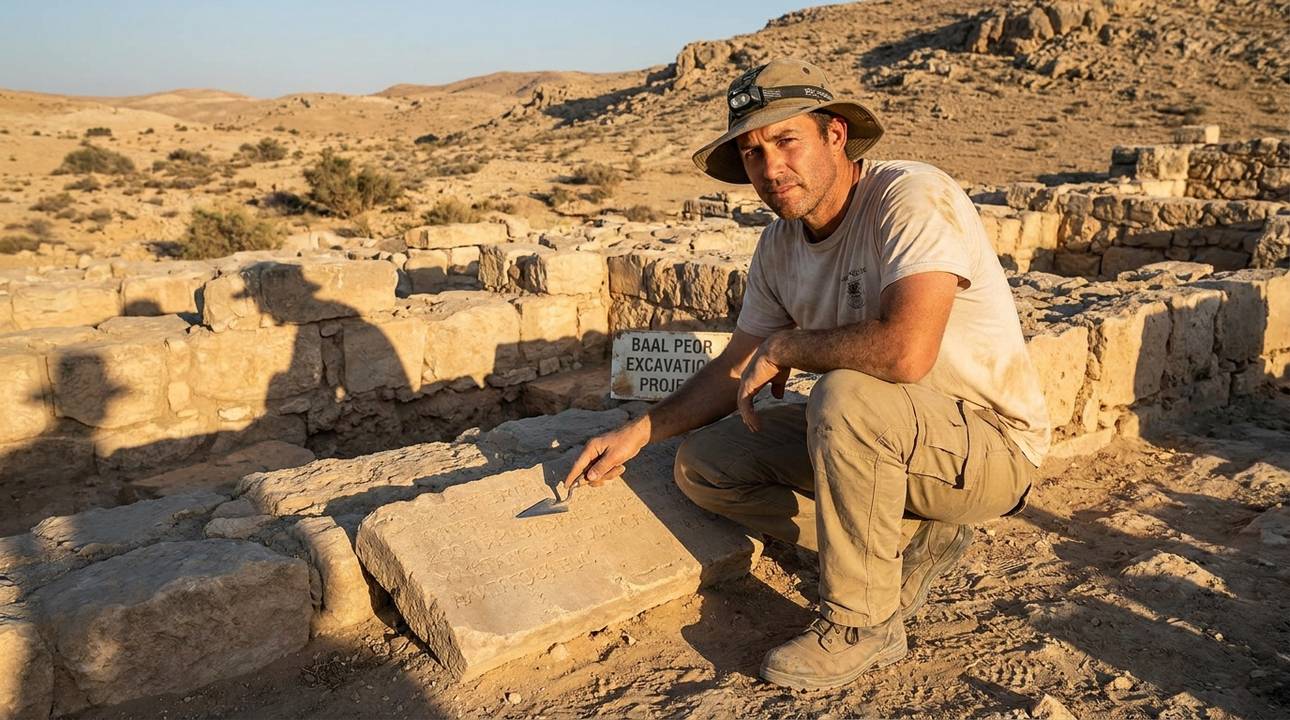
Archaeologists have shown interest in locating physical remnants of Baal of Peor, a site linked to ancient idol worship. The search is driven by the desire to better understand the historical context of the account.
Though concrete evidence remains elusive, the search contributes to understanding regional history and interactions between ancient cultures. Excavations in the region of Moab, now part of modern-day Jordan, aim to uncover artifacts that might shed light on this historical event.
The region of Moab, where Baal of Peor is believed to have been located, has been a focal point for archaeological research. This area, rich in history, offers insights into the interactions between the Moabites and Israelites.
While the exact location of Baal of Peor remains uncertain, ongoing excavations continue to provide valuable information about the cultural and religious dynamics of the time.
While no definitive artifacts have been found, the ongoing research highlights the importance of archaeology in piecing together the cultural and religious dynamics of the past.
These efforts not only aim to locate Baal of Peor but also to understand the broader context of Israelite and Moabite interactions. Such research provides valuable insights into the historical realities described in the Bible, offering a deeper understanding of these ancient accounts.
Understanding Baal of Peor
