
Uncovering Beth Togarmah’s Historical Role


Beth Togarmah is noted as an ancient city with significant trade connections. Situated in the far north, it is linked to the descendants of Togarmah, associated with Tubal and Meshech. Its historical role highlights its importance in the trade of horses and mules.
Beth Togarmah’s connection to Tyre’s commercial empire underscores its strategic importance. The genealogical link to Tubal and Meshech places Beth Togarmah within a network of peoples spread across Asia Minor.
These ties help us understand the city’s role in ancient commerce and its impact on regional dynamics.
from the Western Wall to Masada.

The mention of Beth Togarmah within the Table of Nations highlights its ancestral roots. This genealogy links it to a broader network of peoples, emphasizing its role in ancient economic exchanges.
These connections provide insights into the movement and interactions of early communities, serving as a historical map of the ancient world.
The genealogical record illustrates the connections of different groups, suggesting a shared ancestry. Beth Togarmah’s inclusion underscores its significance within historical narratives, reflecting its influence on regional identities.
Where Is Beth Togarmah Mentioned in the Bible?
Beth Togarmah appears in historical texts, described as a land trading in horses, mules, and merchandise, participating in international commerce.
These references highlight its economic significance and connections with other entities like Tyre, known for extensive trade networks.
Beth Togarmah’s mention alongside Tyre, a major trading hub, underscores its involvement in regional commerce. The trade of horses and mules reflects the city’s contribution to economic prosperity and cultural exchanges.
These mentions highlight Beth Togarmah’s role in the broader economic landscape of the ancient Near East. The city’s involvement in trade routes is comparable to ancient Phoenicia, known for seafaring and commerce. These dynamics help us appreciate ancient trade and cultural interactions.
The exchange of goods like metals, textiles, and ceramics facilitated cultural exchanges and technological advancements.
The interconnectedness of trade routes underscores the importance of commerce in shaping the economic landscape of the ancient world.
What Was the Role of Beth Togarmah in Trade?
In historical narratives, Beth Togarmah is highlighted as a trade hub. It is specifically noted for trading horses and mules, linking it with Tyre’s commercial empire. This association indicates its strategic importance in ancient economic activities.
Beth Togarmah’s connection to Tyre, a city known for maritime prowess, suggests a robust exchange of goods and culture. The trade of horses and mules underscores the city’s contribution to regional prosperity and cultural exchanges.
Beth Togarmah’s role in trade is further emphasized by its connections to other regions. The city was part of a network that included places like Tarshish and Javan, known for maritime commerce.
This interconnectedness allowed for the exchange of goods, ideas, and cultural practices, enriching the societies involved.
Javan, linked to the Ionian Greeks, suggests interactions with diverse cultures, facilitating a blend of traditions and innovations. Such connections highlight the fluidity of ancient trade, where goods like metals and textiles moved across vast distances.
Who Were the People of Togarmah?
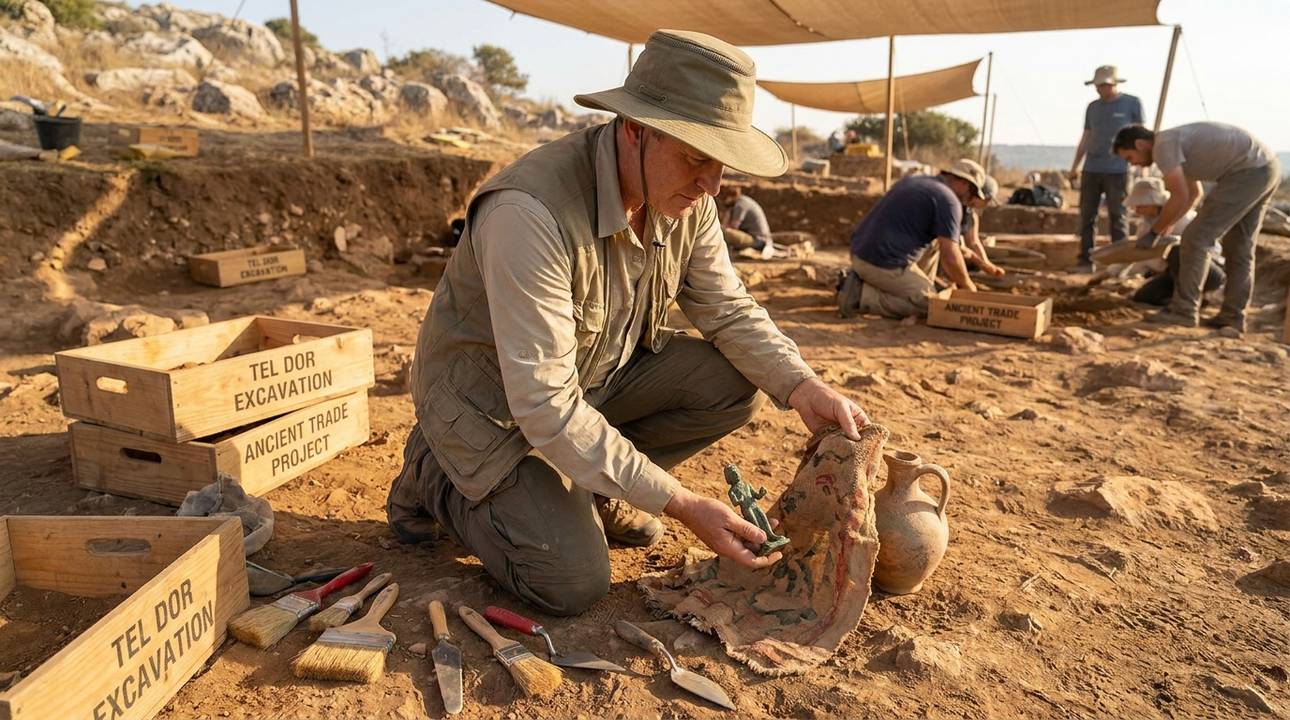
Togarmah is described as a descendant of Japheth, one of Noah’s sons. This genealogy places its people as part of a broader family of nations, linking them to Indo-European groups spread across regions.
The connection to Gomer implies relationships with peoples across Asia Minor and perhaps the Caucasus.
The genealogical ties to Gomer and other descendants of Japheth highlight the connections of ancient peoples. These links provide insights into the movement and interactions of early communities, offering a framework for understanding the spread of cultures and languages.
This network suggests a wide-ranging influence and interaction with various cultures in the ancient world. The descendants of Togarmah may have played a role in cultural exchanges between the East and West.
Such interactions are crucial for understanding the development of early civilizations and their shared histories.
The exchange of goods and ideas between diverse cultures would have enriched the societies involved, leading to innovations in areas such as agriculture, metallurgy, and art.
The spread of cultural practices and technologies highlights the interconnected nature of historical civilizations.
How Does Beth Togarmah Connect to Ancient Geography?
Geographically, Beth Togarmah is identified with regions north of Israel, potentially modern-day Turkey or Armenia. This aligns with mentions in historical texts, positioning it near ancient trade routes.
Its location served strategically and economically, interfacing between various ancient cultures and facilitating the exchange of goods and ideas.
What Archaeological Insights Are Available?
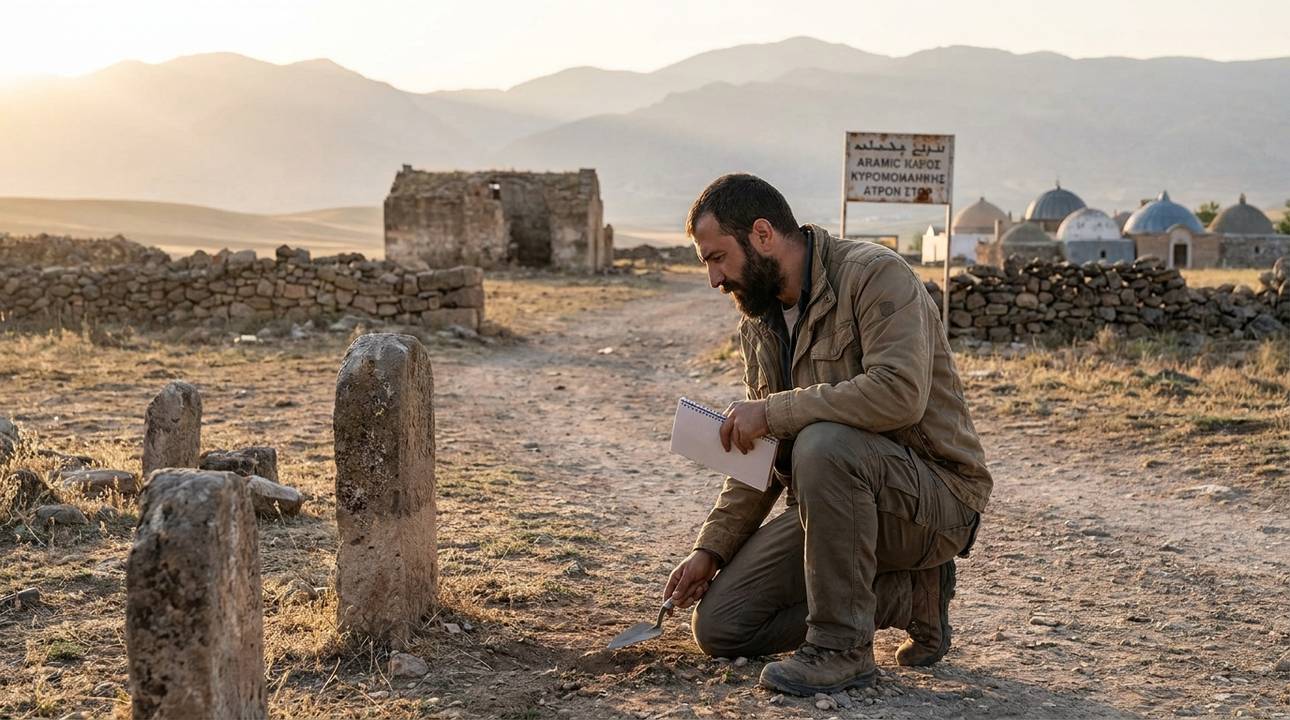
Archaeological evidence for Beth Togarmah remains speculative, with no definitive site identified yet. However, the search for locations matching its description offers intriguing possibilities, particularly in regions like Anatolia (modern-day Turkey). Some scholars suggest that ancient texts align with the Hittite civilization known to have existed in this area.
from the Western Wall to Masada.
The exploration of Hittite sites and records may reveal connections to Beth Togarmah, shedding light on its history. These discoveries could enhance our understanding of the cultural and economic landscape of the ancient Near East, highlighting the intricate web of relationships that shaped the region’s history and development.
Continued exploration and study of ancient records may uncover more about Beth Togarmah’s exact historical footprint and significance. The Hittites, known for their advanced society, could provide clues to understanding Beth Togarmah’s role.
Such discoveries would enrich our knowledge of the ancient Near East and its diverse cultures.
Archaeological findings and historical texts from Hittite sites may reveal connections to Beth Togarmah, shedding light on its role in trade and diplomacy.
These discoveries could enhance our understanding of the cultural and economic landscape of the ancient Near East.
Beth Togarmah in Historical Context
Historically, Beth Togarmah’s significance lies in its representation of trade-linked societies in the Mediterranean and Near East. It illustrates the interconnected nature of ancient economies and the flow of goods and culture.
Studying this context provides clues to understanding regional interactions and ancient world dynamics. The city’s role in trade highlights the complexity of economic networks that spanned vast distances.
These networks facilitated the exchange of not only goods but also ideas, technologies, and cultural practices. The movement of goods like metals, textiles, and spices across these regions underscores the economic interdependence of ancient societies. Understanding these dynamics sheds light on the development of early civilizations and their contributions to human history.
The economic activities of Beth Togarmah are mirrored in other historical accounts, such as those of Sheba and Dedan. These regions were also known for their trade, particularly in spices and precious stones.
Such parallels help us appreciate the complex trade networks that existed and their influence on cultural exchanges.
Dedan was known for trading in ivory and ebony, highlighting the diversity of goods exchanged. These networks facilitated not only economic prosperity but also cultural and technological exchanges.
The movement of goods like spices and stones was crucial in shaping the cultural landscapes of the regions involved.
Cultural Legacy of Beth Togarmah
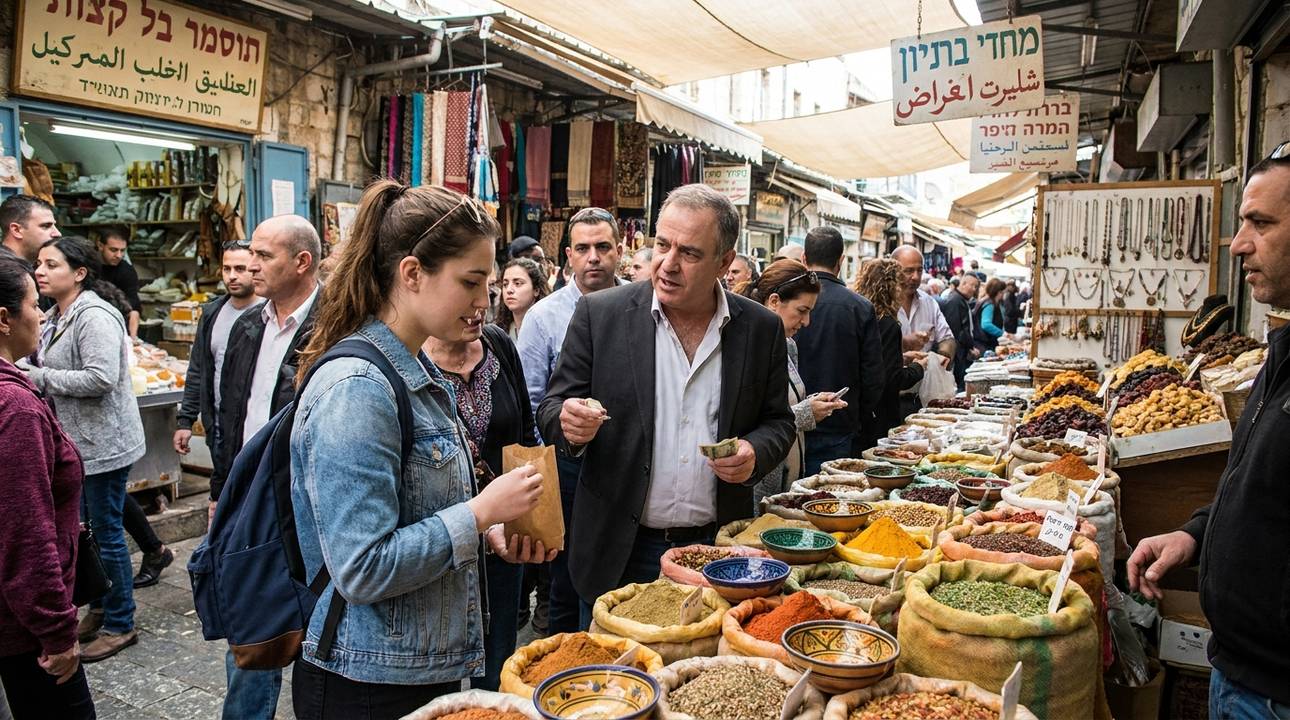
Beth Togarmah holds a cultural legacy reflected in its mentions, appearing in historical visions. It symbolizes the networks and relationships among ancient peoples, often associated with the descendants of Japheth.
Understanding such legacies enhances our appreciation for the diverse cultural tapestries woven into historical narratives.
The connections of civilizations and the shared histories that shaped the ancient world are highlighted here. The visions involving Beth Togarmah suggest a future where these relationships continue to influence events.
Such insights encourage us to explore the enduring impact of these ancient ties on modern cultures.
These visions underscore the ongoing relevance of historical relationships in shaping contemporary events. The connected nature of historical civilizations, as seen through Beth Togarmah’s role, provides valuable lessons for understanding the complexities of modern cultural and geopolitical dynamics.
Beth Togarmah in Modern Perspective
Today, Beth Togarmah’s significance continues in exploring historical geography and history. It serves as a focal point for scholars seeking to connect accounts with archaeological findings, particularly in regions like Anatolia. This explorative journey enriches both historical knowledge and scholarship, showing the ancient trade networks and cultural exchanges.
Exploring Israel’s Heritage
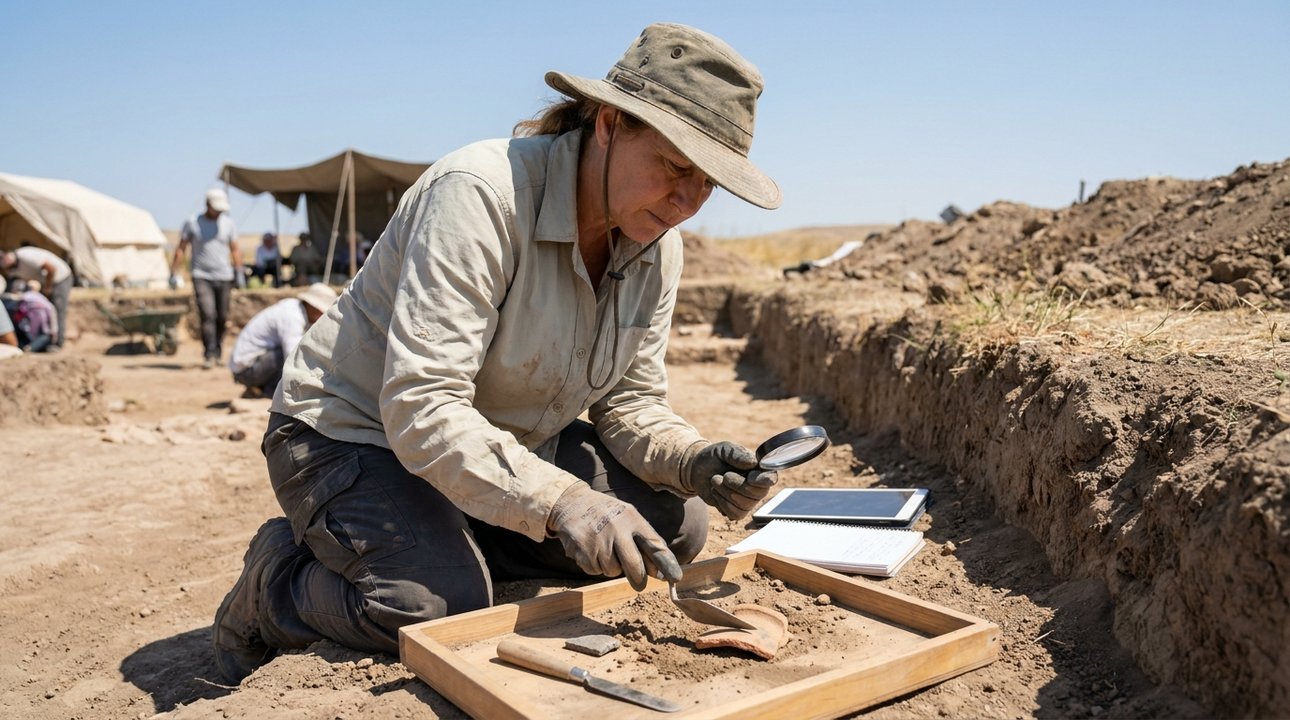
Lev Haolam offers a way to explore Israel’s culture through curated boxes from local artisans. These products reflect the unique stories of historical places.
Joining Lev Haolam allows you to discover products crafted with care, echoing the traditions and craftsmanship of the region. Each subscription box may include 6-8 items, providing a unique experience of the local heritage. Please note that contents vary.
The curated selections often include items inspired by historical narratives, providing a tangible link to the past. Each item tells a story, echoing the ancient trade routes that once connected Beth Togarmah to the wider world, allowing you to experience a piece of history in your own home.
Through these thoughtfully curated selections, you can explore the stories and traditions of the land, gaining a deeper appreciation for its history and significance. The items serve as a bridge to the past, allowing you to connect with the ancient world and its legacy.
Beth Togarmah FAQs
