
Unveiling the History of the Desert of Maon


The Desert of Maon, nestled within the landscapes of the Negev, is a region steeped in history. Known for its rugged terrain, it is mentioned in historical texts in connection with significant figures who sought refuge here.
This area was not only a haven for historical figures but also a site of strategic importance. Its challenging landscape provided natural defenses, making it a key location in historical narratives of survival and resilience.
Maon’s mention in historical texts highlights its role as a place of refuge and strategic advantage. The natural fortifications of the region offered protection to those seeking safety. Today, the legacy of Maon is still remembered by those interested in history, providing a tangible link to the past and its enduring stories.
from the Western Wall to Masada.

Exploring Maon today allows us to step back into history, showing the lives of those who once traversed its paths. The region’s significance in historical stories underscores its role in shaping the history and culture of the area. By delving into its past, we gain a deeper understanding of how this landscape influenced events and decisions, reflecting its enduring impact on the historical context and beyond.
Historical texts mention Maon as a place of refuge. This historical context highlights the strategic importance of the area. Today, visiting Maon offers a unique opportunity to connect with these ancient narratives, providing a tangible link to the past and its legacy.
Location and Geography of Maon
Maon is located in the south of Judea, characterized by its arid climate and rocky landscape. This region’s harsh conditions shaped its role in historical events and narratives. Situated near the territories of Judah, it provided a refuge and route for travelers. Its proximity to other historical sites lends it additional history. The geography of Maon, with its hills and sparse vegetation, influenced the strategies of those who inhabited or traversed through this area.
The Cultural Heritage of Maon
Maon is notably mentioned in historical stories, highlighting its importance. According to historical texts, significant figures sought refuge in the Wilderness of Maon during times of conflict.
The rugged terrain provided natural protection, aiding in escape. The association of Maon with such pivotal events illustrates its key role in history as a backdrop for notable historical moments.
The strategic location of Maon is emphasized in historical accounts. The natural fortifications offered crucial protection.
This story highlights the importance of geography in historical narratives, where landscapes played a significant role in shaping the actions and outcomes of historical events.
Cultural and Historical Context
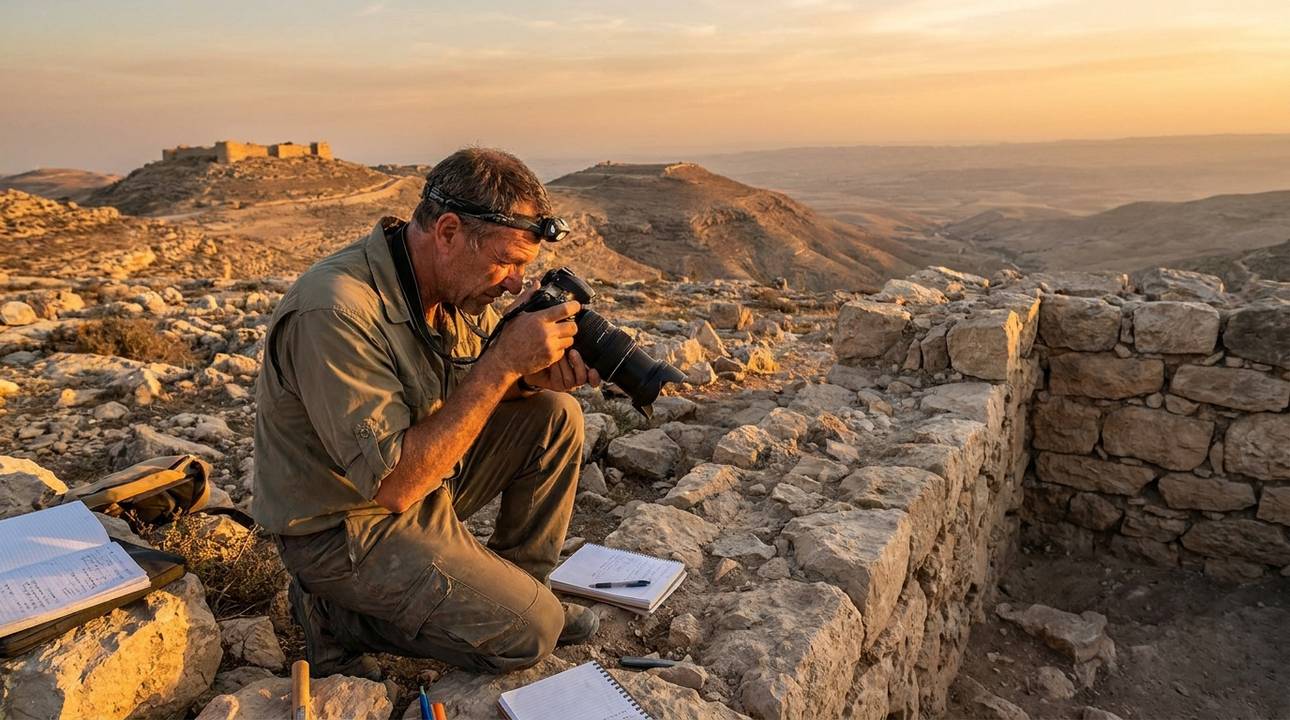
Beyond historical accounts, Maon played a role in the cultural exchanges among ancient peoples. Its location facilitated interactions between various tribes and cultures in the region. Artifacts and findings suggest a mix of life that once thrived here, shaping its historical context. The paths and trails connected Maon to trade routes and neighboring lands. These connections underscored its role not only as a refuge but also as a bridge in ancient trade and communication networks.
Archaeological Discoveries in Maon
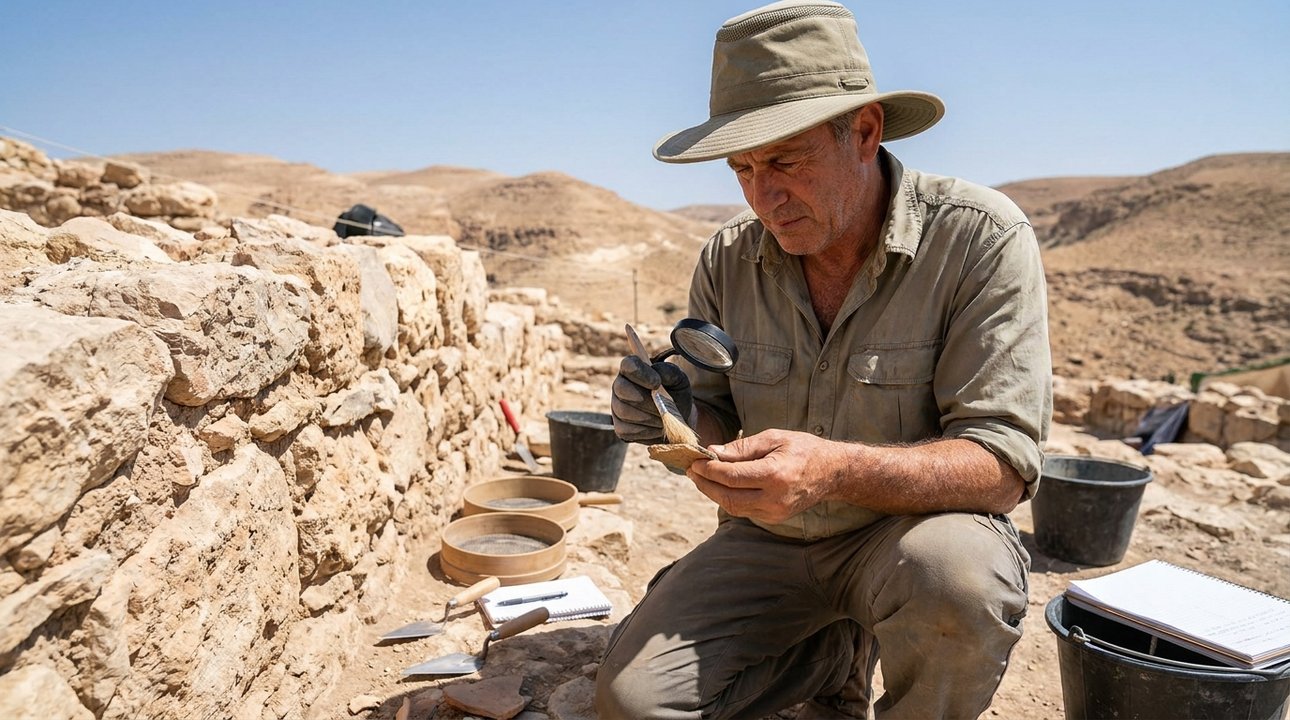
Archaeological efforts in the region of Maon have unearthed various artifacts, offering glimpses into the past. Findings include pottery, tools, and remnants of ancient settlements. These discoveries provide valuable insights into the daily lives of those who inhabited Maon, revealing agricultural and trade practices. The artifacts indicate a community capable of adapting to the harsh desert environment. Such findings continue to enrich our understanding of Maon’s place within the broader mix of history.
Maon in Modern Times
Today, Maon stands as a sign of its history, with its landscapes echoing the stories of the past. Archaeological research continues to uncover insights into its past, enriching our understanding of its role in history. The area serves as an educational site for those interested in exploring the mix of narratives, offering a perspective on Maon’s enduring influence on the cultural and historical narrative of the region.
The ongoing archaeological discoveries in Maon reveal artifacts and structures that deepen our understanding of its historical context. These findings provide a glimpse into the lives of those who once inhabited the area.
Maon’s significance in historical narratives is further highlighted by these discoveries, offering a richer connection to the past.
Present-day interpretations of Maon derive from both its historical context and ongoing archaeological research. The landscapes continue to tell the stories of the past, providing a window into history. Understanding Maon’s history offers valuable insights into its role in shaping the narratives that have been passed down through generations, highlighting its importance in the cultural and historical identity of the region.
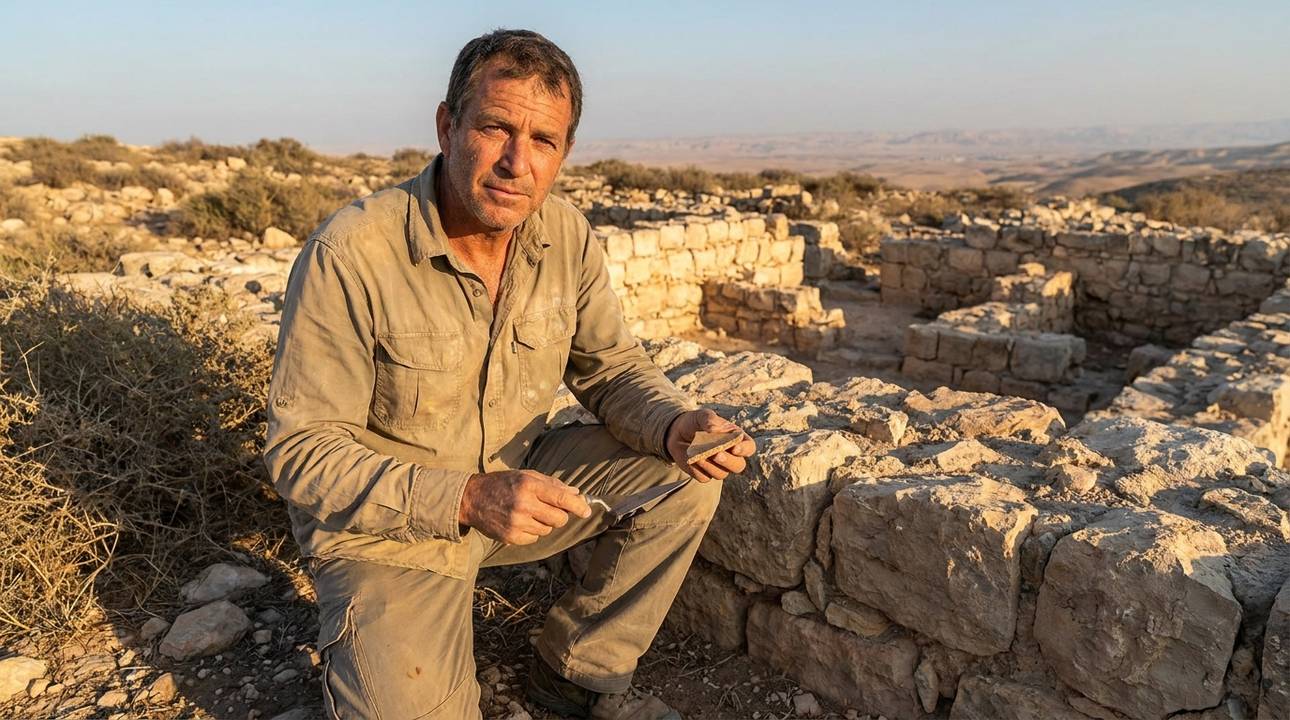
Archaeological findings in Maon reveal artifacts and structures that shed light on its history. These discoveries help us piece together the lives of those who lived there. The ongoing research enriches our understanding of Maon’s role in historical narratives, offering a deeper connection to the events and people of the past.
The Strategic Importance of Maon
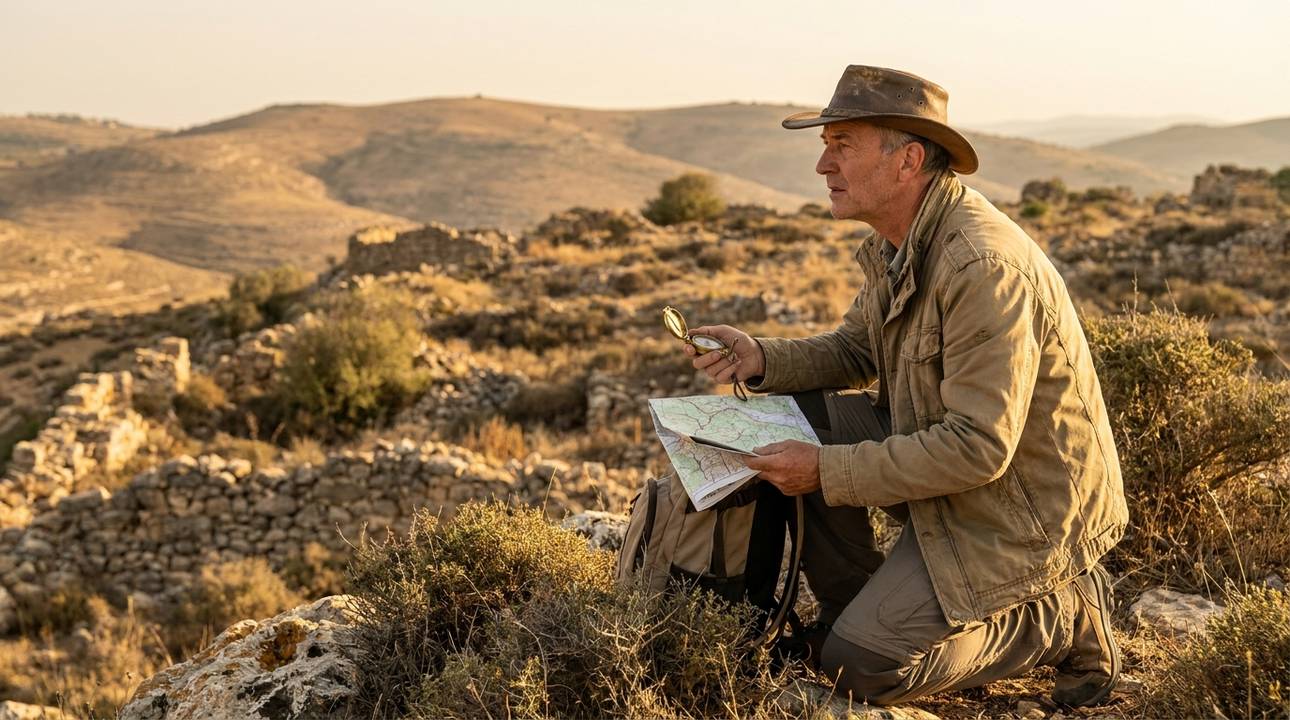
Maon’s strategic importance is evident in its use as a setting for military and refuge purposes in historical accounts. Its geographical features offered natural fortifications, crucial during times of conflict. Situated near paths used for travel and commerce, Maon provided advantages in controlling vital routes. This strategic role is why Maon is frequently referenced in scripts focusing on tactical maneuvers and survival narratives, emphasizing its history.
Maon’s rugged terrain is highlighted as a refuge in historical accounts. This illustrates its strategic value.
The natural defenses offered by Maon made it a critical location for those seeking shelter, influencing the course of events in history.
Control over Maon meant command over essential routes, making it a key location in historical narratives. The area’s natural defenses and strategic position contributed to its frequent mention in stories of survival and tactical maneuvers.
These accounts highlight the importance of Maon in historical contexts, illustrating how geography influenced the decisions and actions of those who lived and traveled there.
from the Western Wall to Masada.
The region is noted for its strategic value, providing a place to evade adversaries. This strategic role made Maon a frequent setting for stories involving military and survival tactics.
The rugged landscape offered natural fortifications, crucial for those seeking refuge or planning tactical maneuvers.
Maon’s Impact on Historical Events
Maon played a crucial role in various historical events. When significant figures fled from adversaries, they found refuge in the natural fortifications.
The rugged terrain provided strategic advantages, allowing evasion from capture. This highlights the area’s role in shaping the narratives of survival and resilience that have been told for generations.
The strategic importance of Maon is further illustrated by its natural defenses. These features made it a key location for those seeking to escape or defend against adversaries. The stories of escape are a sign of the area’s role in history, demonstrating how geography influenced the outcomes of significant events.
The stories of Maon underscore the importance of this landscape in history. The natural environment contributed to the unfolding of significant episodes, emphasizing the themes of survival and resilience.
These events illustrate how the geography influenced the strategies and decisions of those who sought refuge there, leaving a lasting impact on the narratives that continue to be shared today.
Historical accounts highlight Maon’s strategic importance. The rugged terrain provided natural defenses that were crucial for survival. This story is a sign of how the physical landscape shaped the actions and decisions of historical figures, impacting the course of history.
Maon’s Influence on Later Traditions
Maon has left a lasting impression on stories and traditions beyond its historical roots. Its name and legacy resonate in cultural references and historical interpretations, symbolizing refuge and endurance.
In literature and tradition, Maon continues to be a topic of exploration and fascination, highlighting its impact on cultural memory and historical identity. This enduring presence in narratives underscores its significance.
The mention of Maon in historical texts contributes to its legacy. This narrative has inspired countless interpretations and retellings. The association with themes of survival and resilience continues to captivate those interested in history and cultural heritage.
Maon’s presence in narratives highlights its lasting impact on cultural memory and historical identity. The stories associated with this area are still remembered and inform our understanding of the past. This connection to significant events emphasizes its enduring role in shaping cultural narratives.
As a symbol of refuge and endurance, Maon remains a subject of interest and exploration, reflecting its influence on the cultural and historical narratives that have been passed down through generations.
The rugged landscape not only provided physical shelter but also became a metaphor for spiritual and emotional resilience, resonating through the ages.
Conclusion: the Legacy of the Desert of Maon
Maon is a sign of the mix of history, where landscapes were important in shaping narratives. It is mentioned as a place where significant figures evaded adversaries, highlighting its strategic importance. Today, the legacy continues to inform our understanding of these ancient stories, offering a connection to events that inspire reflection on the intertwining of geography and history.
The strategic location of Maon made it a key setting for historical events. Its natural defenses provided refuge for those seeking safety from adversaries.
The role in these narratives underscores the importance of geography in shaping historical outcomes, a theme that resonates throughout history.
The stories of Maon invite us to reflect on the past and understand how this landscape influenced the lives and decisions of historical figures. The ruggedness and isolation made it a refuge for those seeking safety or solitude. As we explore Maon, we are reminded of the enduring narratives that have been passed down through generations, illustrating the profound connection between the land and its history.
Maon is mentioned in historical contexts as a sanctuary. This connection underscores the area’s importance in shaping historical narratives. The landscape is still remembered as a reflection on the determination of those who sought refuge there.
Historical Context
