
Exploring the Desert of Paran: A Historical Journey


Paran’s desert holds a significant place in history. Known for its expansive, arid landscape, it served as a backdrop for key events and figures in ancient narratives. Mentioned as the dwelling place of Ishmael, it highlights its historical relevance. Additionally, it is referenced as part of the Israelites’ journey, marking it as a site of transition during their wanderings.
Paran is also noted in the story of the twelve spies, where they were sent from this location to explore the land. This underscores its role as a strategic starting point for important missions. Its harsh environment served as a testing ground for endurance, shaping the narratives of those who traversed it.
from the Western Wall to Masada.
What Is the Desert of Paran?
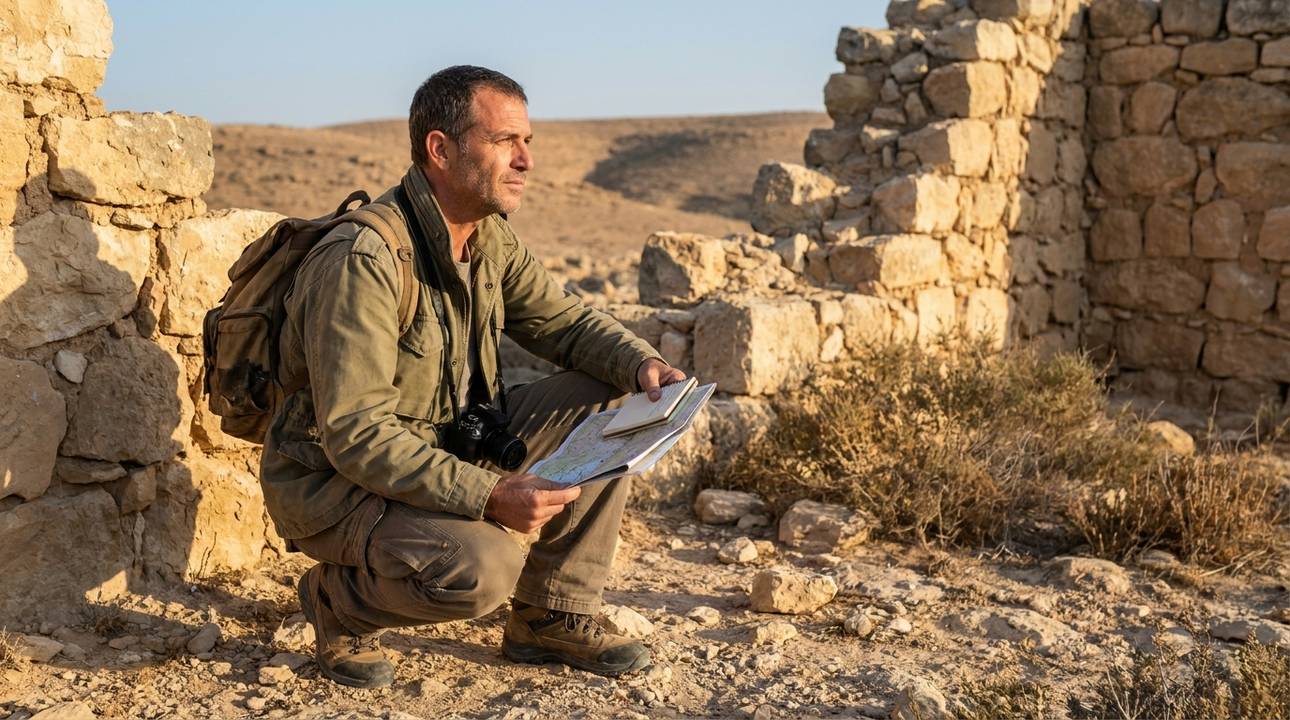
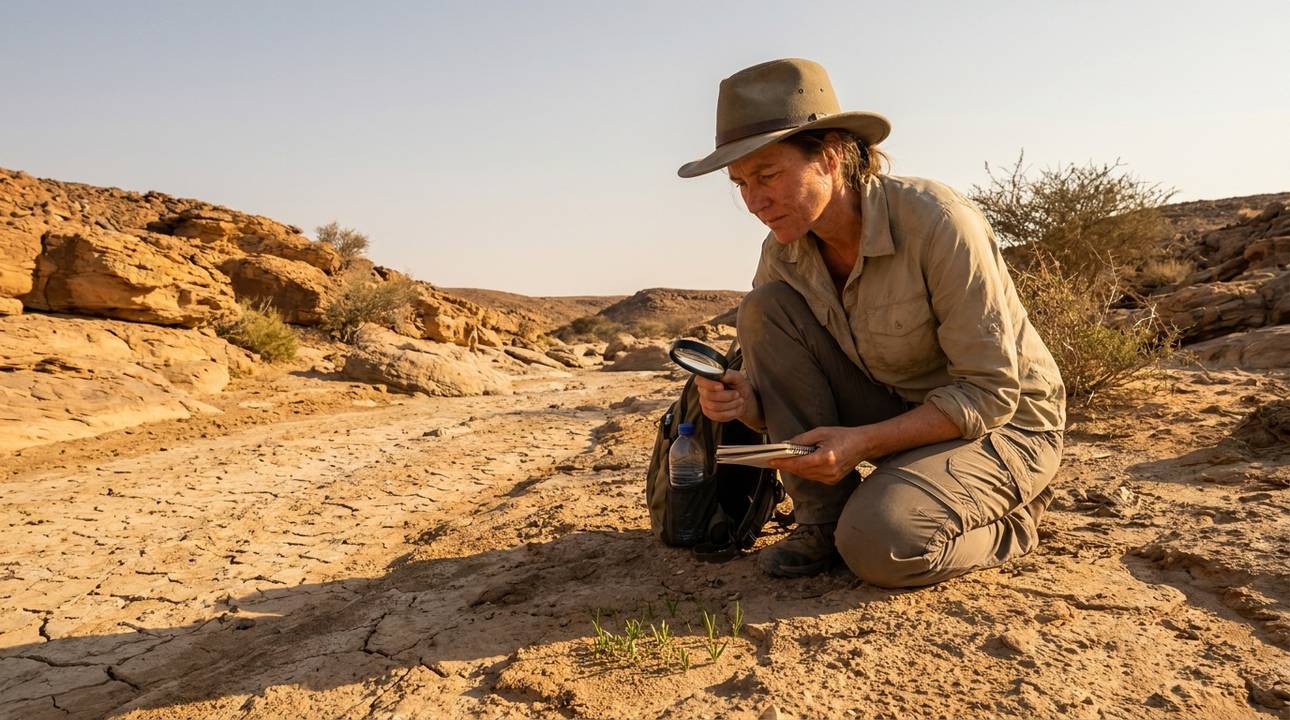
Paran is mentioned in several historical accounts, often as a wilderness region where significant events unfolded. Located in the Sinai Peninsula, it is framed by the more prominent areas of Kadesh and the Sinai wilderness. This barren landscape is known for its rugged terrain and sparse vegetation. As a geographical marker, it plays an important role in the journey of the Israelites, serving as a place of encampment and encounters. Its exact borders are still subjects of study and interpretation among scholars.
Paran’s name has etymological roots linked to terms for ‘beauty’ or ‘glory,’ reflecting the awe-inspiring yet harsh beauty of its landscape. The importance of Paran extends beyond its physical location, encompassing its role as a testing ground for those who traversed it. The region’s climate is typical of desert environments, with extreme temperature variations between day and night.
This made survival challenging, emphasizing reliance on guidance and sustenance. Historical accounts highlight the area’s role as a place of decision-making and testing. These stories underscore the resilience required to navigate such a harsh environment.
Paran in Historical Narratives
Historical narratives shed light on Paran as a notable location for key events. This wilderness serves as the area where Hagar and Ishmael find themselves after departing from their household. It becomes a place of provision and promise, where an angel appears to Hagar, offering comfort and assurance of Ishmael’s future.
Moreover, the Israelites set out from the Sinai Desert and come to rest in Paran. It is depicted as a pivotal stop during their 40-year journey through the wilderness. This desert was not only a physical location but also a symbolic space of testing and growth for the Israelites.
The narrative of the twelve spies sent to scout the land also begins in Paran. This event is significant for its ensuing consequences and the lessons of faith and doubt that it engenders. The mission and the reports brought back highlight the important role of this location.
Paran thus emerges as a place of crucial decision-making, illustrating the challenges and opportunities faced by the Israelites in their pursuit of their destination. The differing reports from the spies led to significant decisions that impacted the Israelites’ journey, emphasizing the importance of faith and trust in their mission.
Geographical and Archaeological Insights
Geographical studies place Paran in the southern regions of the Sinai Peninsula. While its exact location remains a subject of academic discussion, it is generally associated with this area. Its natural features include sandy expanses, rocky hills, and arid conditions, which have been subjects of archaeological interest for many years.
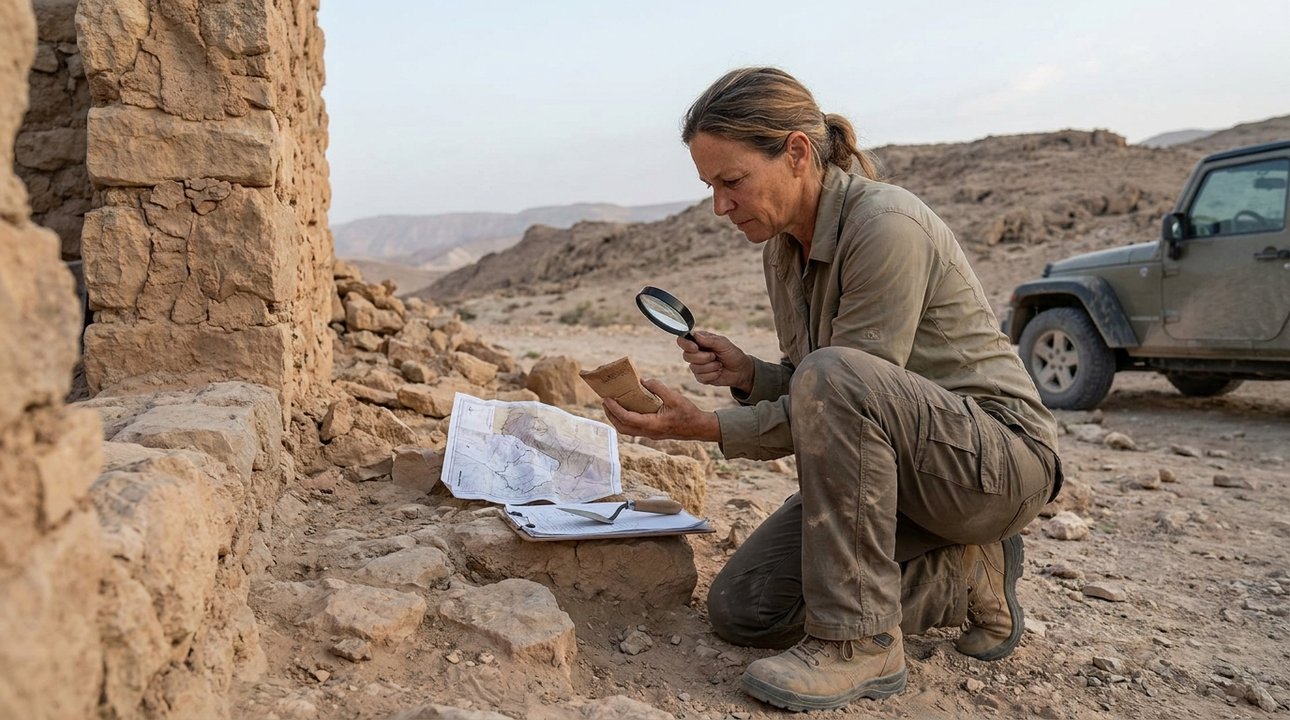
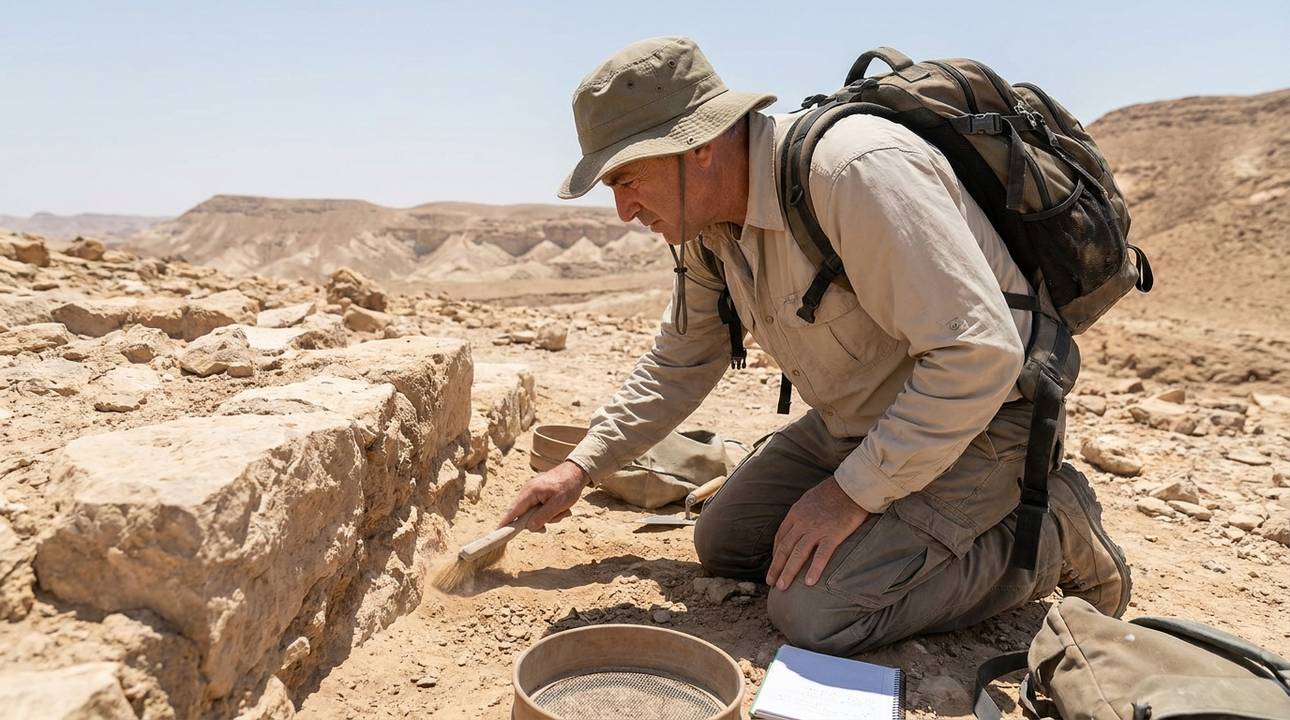
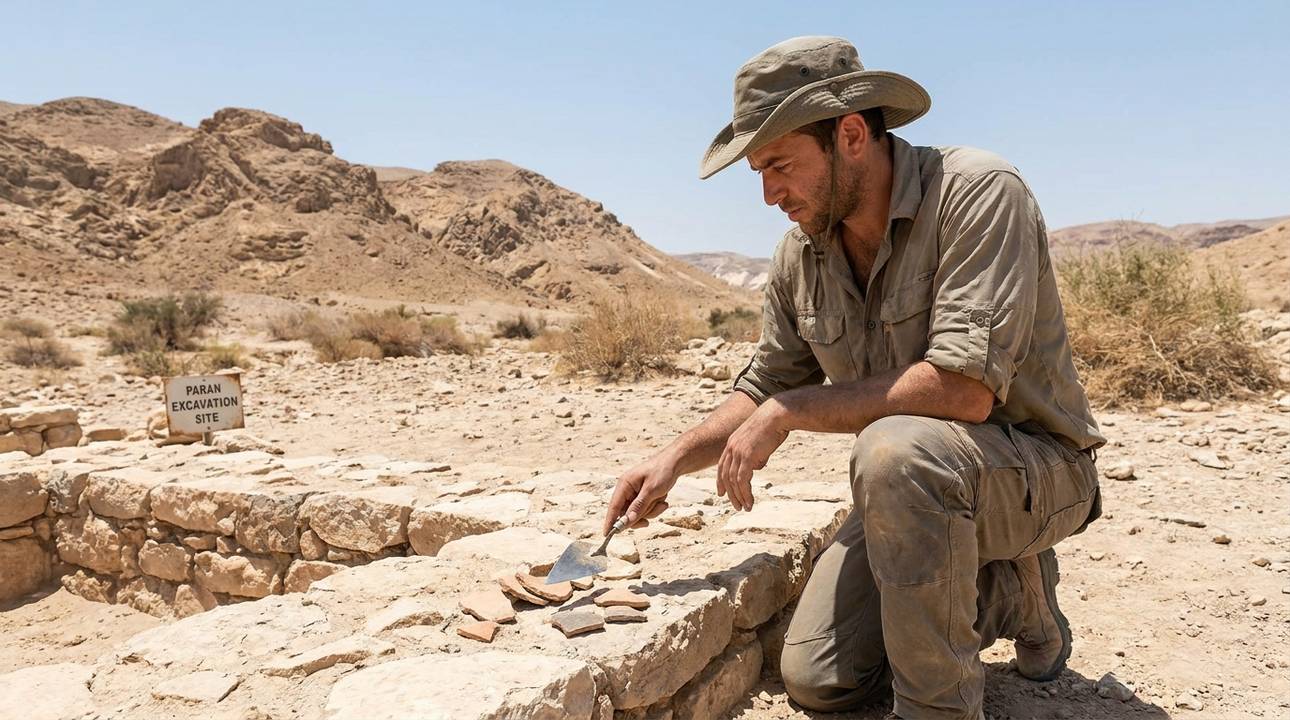
Archaeologists have long sought evidence to further establish the historical accounts related to this region. Findings from ancient inscriptions and remnants of past settlements offer insights into the lives of those who may have traversed this dry and harsh landscape. These discoveries help to contextualize the stories and the history of Paran.
Analyzing the topography and environmental factors of Paran provides insights into the challenges faced by ancient travelers. Water sources were scarce, demanding strategic planning and reliance on the few natural springs scattered across the area. The ongoing research and discoveries continue to intrigue scholars and historians, adding to the understanding of the historical validity of this desert.
This research often references archaeological findings and ancient texts, which provide evidence of past human activity and settlement in the region. The harsh conditions of Paran required ingenuity and adaptation from those who lived or traveled through it. These studies contribute to a deeper understanding of the narratives and their historical context.
Paran’s Role in the Journey of Hagar and Ishmael
The story of Hagar and Ishmael finds a crucial setting in Paran. After being sent away, Hagar wanders through the wilderness with her son. It’s here that intervention occurs, highlighting themes of survival and promise. An angel appears to Hagar, offering comfort and a promise that Ishmael would become the father of a great nation.
from the Western Wall to Masada.
Paran thus becomes symbolic of hope and future fulfillment amid adversity. This narrative emphasizes the desert’s role as a place of encounter and assurance, providing a backdrop for significant promises. The story of Hagar and Ishmael continues to resonate as a sign of faith and perseverance.
The narrative emphasizes the provision of water in the wilderness, a recurring theme, where presence and guidance manifest amid the harsh conditions. An event illustrates intervention. Hagar’s journey through Paran underscores the significance the area holds within stories, reinforcing its role as a place of testing and faith. Her story is found where she finds water after an angel’s guidance.
Significance of Paran in the Israelite Exodus
Paran is inherently linked to the chronicle of the Exodus, symbolizing a phase of transition and transformation for the Israelites. It serves as a reminder of the trials faced by the people during their wanderings. The Israelites set out from the Sinai Desert and come to rest in Paran, marking it as a significant stop in their journey towards their destination.
The encampment in Paran represents a consolidation of the community, testing their collective will to move forward towards their destination. This phase in their journey highlights the themes of faith, obedience, and providence. The experiences in Paran emphasize the importance of perseverance and trust in their mission.
The lessons derived from their time in Paran continue to resonate, illustrating the timeless nature of their struggles and triumphs. It stands as a sign of the enduring perseverance required to achieve a greater purpose. By examining these accounts, one gains a deeper appreciation for the landscape and the enduring lessons it imparts.
The desert’s harshness reflects the trials faced and the determination needed to overcome them. The Israelites’ experiences in Paran highlight the importance of trust in their journey towards their destination. These narratives are still remembered and teach valuable lessons about perseverance and endurance.
Locating Paran on Ancient Maps
Paran is frequently featured on ancient maps, offering valuable insights into its strategic and historical importance. Cartographers from antiquity sought to depict this region with varying degrees of accuracy, reflecting its prominence. Maps from the period demonstrate its relevance as a crossroads of significant migratory and trade routes.
These routes were essential for understanding the nomadic lifestyle and interconnectedness of ancient communities. The trade routes facilitated not only economic exchange but also cultural interactions between different groups. Paran’s location made it a key area for these exchanges, as noted in historical records.
The depiction of Paran on these maps underscores its role as a key location within the greater context of geography, serving as an invaluable tool for historians and scholars seeking to reconstruct the historical narrative. Comparing these maps to modern geographical understandings enriches the study of events and provides context for contemporary interpretations.
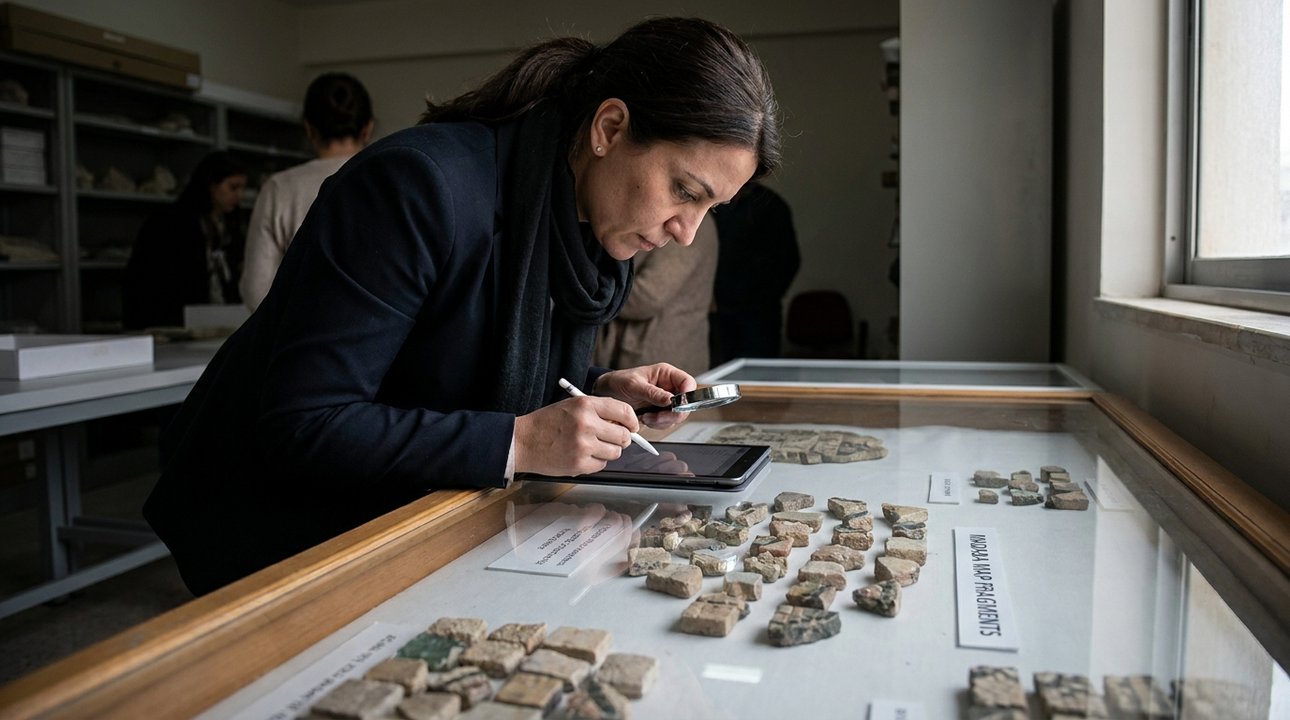
Ancient maps, like those from the Madaba Map, show Paran’s location relative to other sites. The Madaba Map, a mosaic from the 6th century, is one of the earliest known maps of the Holy Land, offering a glimpse into how ancient cartographers viewed the region. These maps provide a visual representation of the interconnectedness of locations.
Understanding the Desert
