Unveiling the Secrets of Dinhabah


Dinhabah is an ancient city mentioned as the capital of Bela, an Edomite king. This city holds history in the narratives of the Edomite kingdom. Bela was the first king to reign in Edom, and Dinhabah served as his capital. In this article, we explore the possible location and historical context of Dinhabah, uncovering its role in history. The descendants of Esau, known as the Edomites, occupied a region south of Judah, known for its rugged terrain.
The interactions between the Edomites and Israel are noted in historical accounts, where they denied passage to the Israelites. This highlights the complex relationships between these ancient peoples. As a capital city, Dinhabah would have played a central role in these dynamics.
By examining the historical context of Dinhabah, we gain insights into the geopolitical landscape of the ancient Near East.
from the Western Wall to Masada.
The strategic importance of Dinhabah might have been due to its position along trade routes connecting Arabia and the Mediterranean. This location could have facilitated trade and governance, making it a vital city in Edom’s network. Despite its mention in genealogies, Dinhabah’s archaeological footprint remains elusive.
Explorations continue in the region to uncover remnants that might reveal more about its past and its significance in the Edomite kingdom.
Dinhabah served as a capital during the reign of Bela, the first king of Edom. Its strategic location would have been crucial for controlling trade routes.
Understanding Dinhabah’s role in the Edomite kingdom can provide insights into the economic and political landscape of the time.
What Is Dinhabah?
Dinhabah is recorded as an ancient city located in the territory of Edom. It served as the capital city of Bela, one of the early kings of Edom. Edom was a region to the south of Judah, known for its harsh terrain and fierce inhabitants.
The text does not provide much detail about Dinhabah, leaving its exact location unclear. Scholars believe it to be somewhere in modern-day Jordan or southern Israel. The city played a role in the early political and administrative activities of the Edomites.
The strategic location of Edom allowed it to control key trade routes. Dinhabah’s role as a capital would have been integral to managing these routes. The interactions of the Edomites with neighboring peoples, including Israel, are well-documented in historical texts.
Understanding Dinhabah’s place in this network helps us appreciate the complexities of ancient Near Eastern politics.
The Edomites, as descendants of Esau, had a notable presence in historical narratives, often interacting with the Israelites. Dinhabah’s mention as a capital city suggests its importance in the governance of Edom.
While the exact location remains speculative, the city’s past continues to intrigue scholars and researchers, contributing to our understanding of the ancient world.
Dinhabah highlights its role during the reign of Bela, the first king of Edom. This underscores its importance in the early political landscape of the region. The interactions between the Edomites and Israel are also noted, where they denied passage to the Israelites.
Such narratives illustrate the complex relationships between these ancient peoples, providing a richer context for understanding history.
Historical and Geographical Context
The Edomites were descendants of Esau. Their territory, Idumea, was strategically located along trade routes connecting Arabia and the Mediterranean. This strategic location allowed them to engage in trade and cultural exchanges with various neighboring peoples.
Dinhabah’s significance lay in its position within this network, potentially serving as a hub for trade and governance. While the city’s name is mentioned in genealogies and kingship lists, its archaeological footprint remains elusive.
Historical accounts mention Edom’s interactions with Israel, where David fought against Edom. These accounts highlight the region’s importance in history. As a capital, Dinhabah would have been central to these interactions.
By exploring the historical context of Dinhabah, we gain insights into the economic and political dynamics of the ancient Near East.
Explorations in the region continue to search for remnants that might reveal more about Dinhabah’s past. Archaeologists hope to find artifacts or structures that can provide insight into the city’s role in Edomite society.
The ongoing search for Dinhabah is part of a larger effort to understand the history and culture of the Edomites, their cities, and their interactions with other ancient societies.
The Edomites were a prominent group in the region. Their interactions with Israel are well-documented, including conflicts and alliances. Discovering more about Dinhabah could illuminate aspects of Edomite governance and society.
Archaeologists often draw parallels with discoveries at sites such as Petra in Jordan, which offers insights into Nabatean culture, hoping similar finds at Dinhabah could enrich our understanding of Edomite civilization.
Dinhabah in Historical Texts
The reference to Dinhabah is found in historical texts. This passage lists Bela as the king of Edom, who reigned in Dinhabah. The city is part of a broader context involving the narrative of Edomite genealogies and kingships.
These lists provide insight into the early sociopolitical landscape of Edom. Dinhabah, through its mention, highlights the complexity and history of the Edomite people, their rulers, and their interactions with neighboring regions.
The Edomites, as descendants of Esau, had a unique position in history, often interacting with the Israelites. The mention of Dinhabah in these genealogical records underscores the city’s role in the administration and governance of Edom.
Understanding these connections helps us appreciate the intricate relationships between the Edomites and their neighbors, including the Israelites, as seen in various narratives.
The interactions between the Edomites and Israel are further illustrated in historical accounts, where battles occurred. Such accounts highlight the ongoing tensions and alliances that shaped the region’s history. As a capital, Dinhabah would have been central to these dynamics.
By examining these connections, we gain insights into the geopolitical landscape of the ancient Near East.
from the Western Wall to Masada.
Archaeological Perspectives
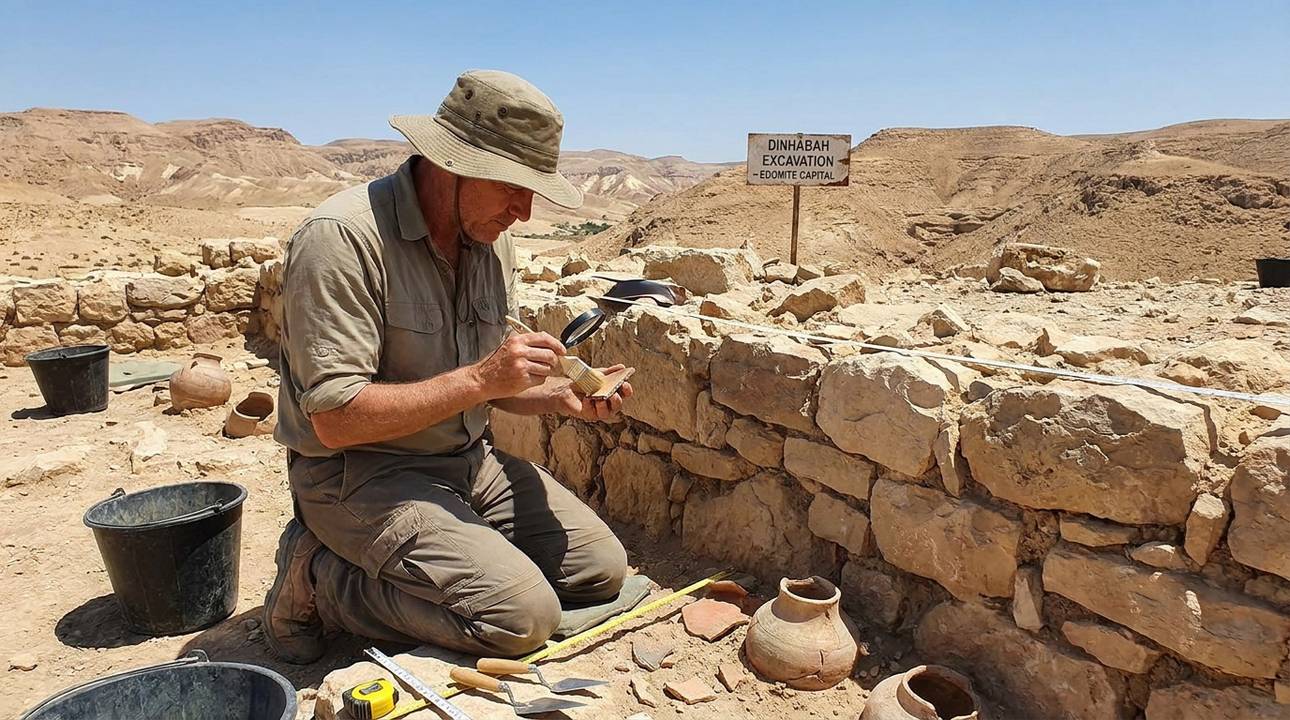
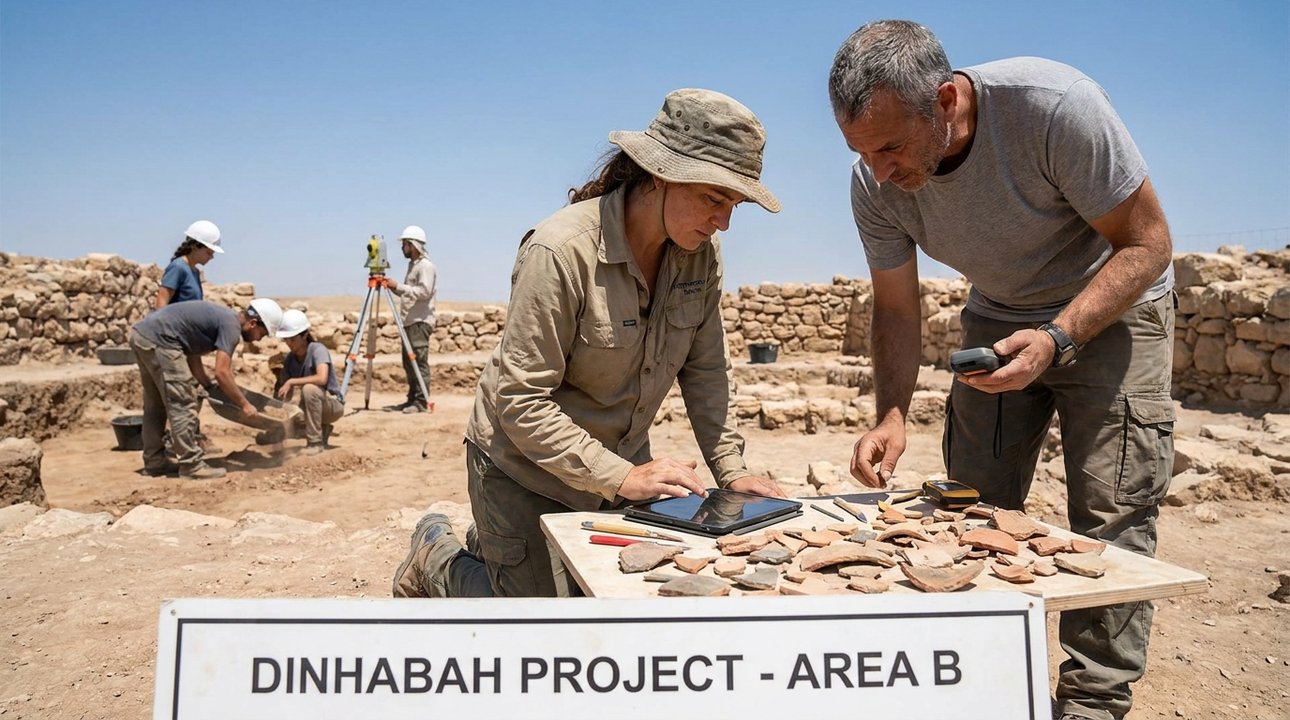
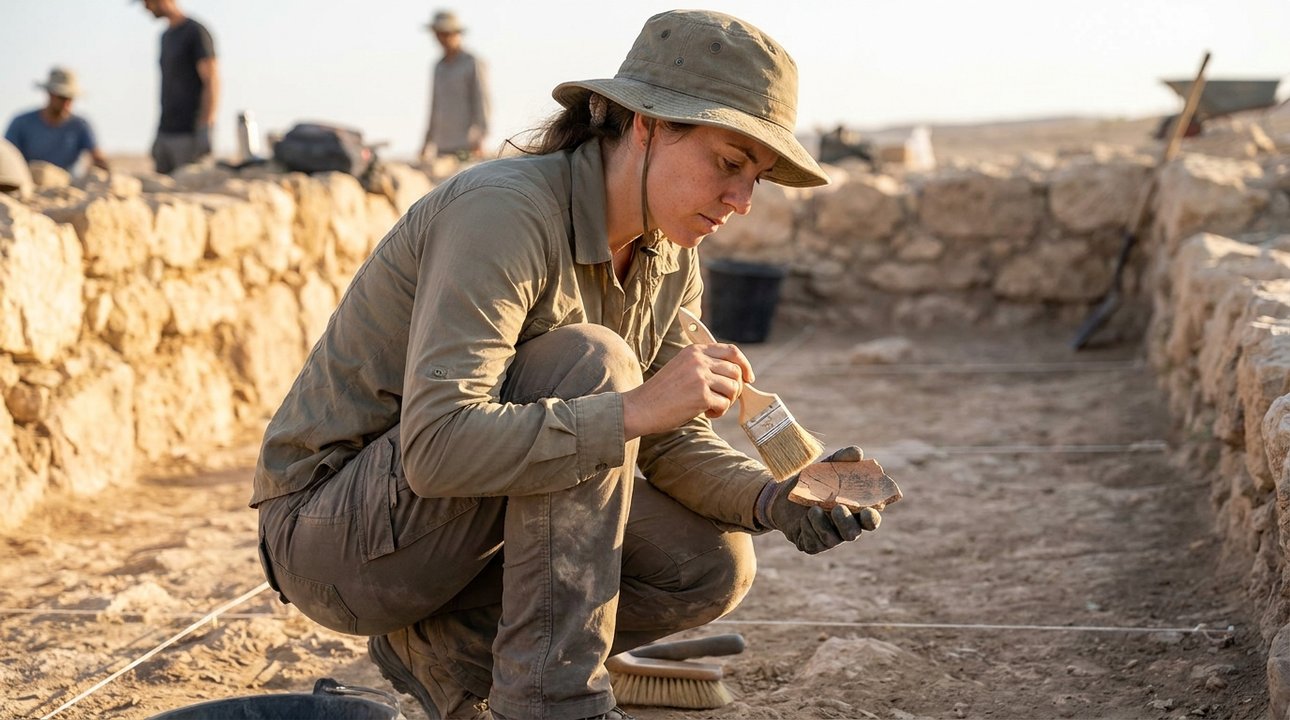
Archaeological efforts in the region focus on uncovering sites linked to Edom’s ancient cities, including Dinhabah. Excavations aim to piece together the material culture of these early peoples. Discovering artifacts and settlement structures could offer new insights into Edomite society and economy.
Despite challenges in identifying Dinhabah’s remains, researchers remain hopeful about finding tangible links to its historical mentions. Ongoing studies integrate historical texts with modern technology to locate hidden archaeological sites.
The search for Dinhabah is similar to efforts at other historical sites, where significant discoveries have been made. These archaeological pursuits not only aim to locate Dinhabah but also to understand the cultural and historical dynamics of the time.
By combining historical texts with modern technology, researchers hope to uncover more about Edomite civilization.
Edom and Israel: A Historical Overview
The relationship between Edom and Israel was complex, characterized by both cooperation and conflict. Historical accounts describe battles, alliances, and interactions affecting both kingdoms. Edom’s strategic location influenced its dynamics with surrounding nations, including Israel.
While at times adversaries, Edom and Israel shared cultural and familial ties. The narratives surrounding these interactions provide a deeper understanding of the region’s geopolitical context.
Edom’s interactions with Israel are noted in historical accounts, where they denied passage to the Israelites. Such accounts illustrate the ongoing tensions and alliances that shaped the region’s history. Dinhabah, as a capital city, would have played a central role in these dynamics.
By examining these connections, we gain insights into the geopolitical landscape of the ancient Near East.
Dinhabah in Modern Scholarship
Modern scholars continue to investigate the historical and geographical reality of Dinhabah. Debates often focus on translation and interpretation of ancient texts. The precise location and role of Dinhabah remain subjects of speculation and scholarly inquiry.
By integrating various disciplines, including archaeology and history, researchers aim to create a more comprehensive picture. These efforts enrich our understanding of Edom’s cities and their place within history. Archaeological digs in regions like southern Israel and Jordan seek to uncover evidence of Dinhabah’s existence.
The work of historians and archaeologists is crucial in piecing together the past. While some suggest Dinhabah might be located in modern-day Jordan, others propose sites in southern Israel. These investigations are vital for understanding the broader historical context of Edom. Similar efforts have been made for other historical sites.
As scholars continue their research, each new discovery adds to our knowledge of the Edomite civilization and its interactions with neighboring cultures.
Discoveries at sites like Tel Arad in Israel provide insights into ancient cultures, and researchers hope similar findings at Dinhabah could reveal more about Edomite society. Historical accounts mention Edom’s interactions with Israel, highlighting the complex relationships in the region.
These archaeological pursuits not only aim to locate Dinhabah but also to understand the cultural and historical dynamics of the time.
Dinhabah Today: Historical Legacy
Though the exact site of Dinhabah is yet to be discovered, its mention in historical texts preserves its significance. It serves as a reminder of the mix of ancient peoples in the region. Dinhabah invites us to reflect on the interconnectedness of early Near Eastern societies. This ancient city’s legacy lives on in the study of historical places, fostering curiosity and deeper engagement with historical narratives. Continued interest in Dinhabah illustrates the enduring fascination with uncovering the stories embedded in ancient texts.
Dinhabah highlights its role during the reign of Bela, the first king of Edom. This underscores its importance in the early political landscape of the region. The study of such cities enhances our understanding of history and the complexities of ancient Near Eastern politics.
By exploring these narratives, we gain insights into the cultural and historical dynamics that shaped the region.
Discovering Israeli Artifacts
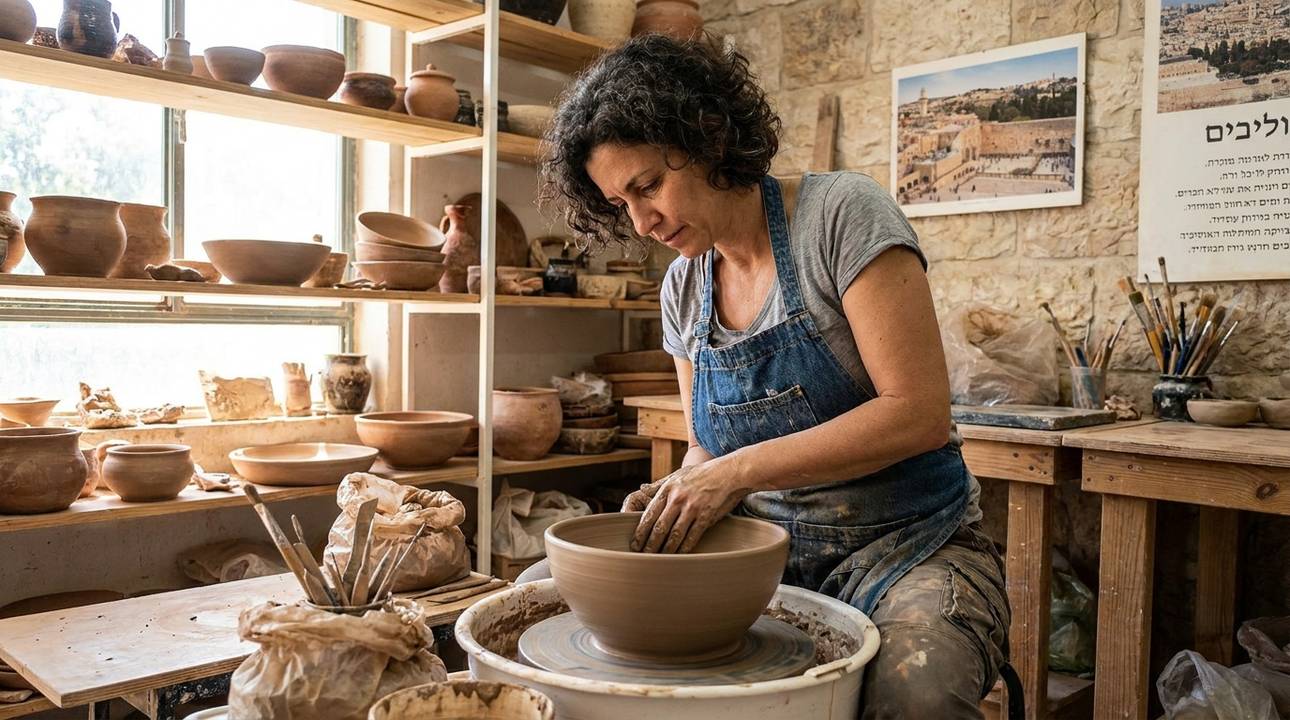
Through memberships with Lev Haolam, individuals can explore and appreciate products that connect them with Israel’s rich history. Each purchase contributes to the efforts of artisans and researchers dedicated to preserving cultural traditions. By engaging with these curated items, members can enjoy a tangible connection to Israel’s past and present.
This initiative offers a way to learn about and appreciate the heritage of ancient and modern craft without framing it as a charitable act. Members receive products inspired by historical narratives, providing a personal glimpse into the region’s history.
The curated products often include items inspired by Israel’s ancient cities and historical narratives, offering a unique glimpse into the past. By supporting these businesses, members help ensure that the stories and traditions of places like Dinhabah are not forgotten. This approach mirrors the preservation of historical sites like Masada, which holds deep cultural role. This connection to Israel’s history is not only educational but also deeply personal, allowing members to feel a part of the ongoing story of the land and its people.
Members of Lev Haolam receive products that reflect the mix of Israel’s history, from ancient cities like Dinhabah to modern cultural expressions. This engagement fosters a deeper connection to the land, similar to how visiting historical sites like the Western Wall can evoke a sense of belonging. Through these curated experiences, members become part of a community that values heritage and supports Israeli families and artisans.
Understanding Dinhabah