
Exploring the History of Nahor City


Nahor City is known for its historical significance, featuring prominently in ancient narratives. This article examines its historical references, archaeological findings, and its place in the Mesopotamian region, which is rich in history.
This ancient city provides a window into past societies and their lives. Situated along trade routes, Nahor was central to exchanges. Delving into its history reveals the traditions of its inhabitants, linking us to the past.
from the Western Wall to Masada.

Where Is Nahor City Mentioned in the Bible?
Nahor City is mentioned in historical texts as the home of Nahor, a notable figure. This connection lays the groundwork for many events and relationships significant to historical narratives.
The reference to Nahor in ancient stories underscores its role as a family and cultural hub. Its ties to important families illustrate its place in history, serving as a backdrop for key events.
The Historical Context of Nahor City
Nahor City was located in what is now upper Mesopotamia. This area was part of ancient trade routes, linking various civilizations. As a bustling trade center, it was crucial for exchanging goods and ideas. Historical records depict Mesopotamia as a cradle of civilization, with places like Nahor playing a vital role.
Nahor’s strategic position enabled it to foster exchanges between the Assyrians, Babylonians, and other ancient peoples. This connectivity contributed to its growth, making it an influential center. Artifacts from nearby sites suggest Nahor might have been a city with a diverse population, attracting merchants and travelers.
Archaeological Insights into Nahor City
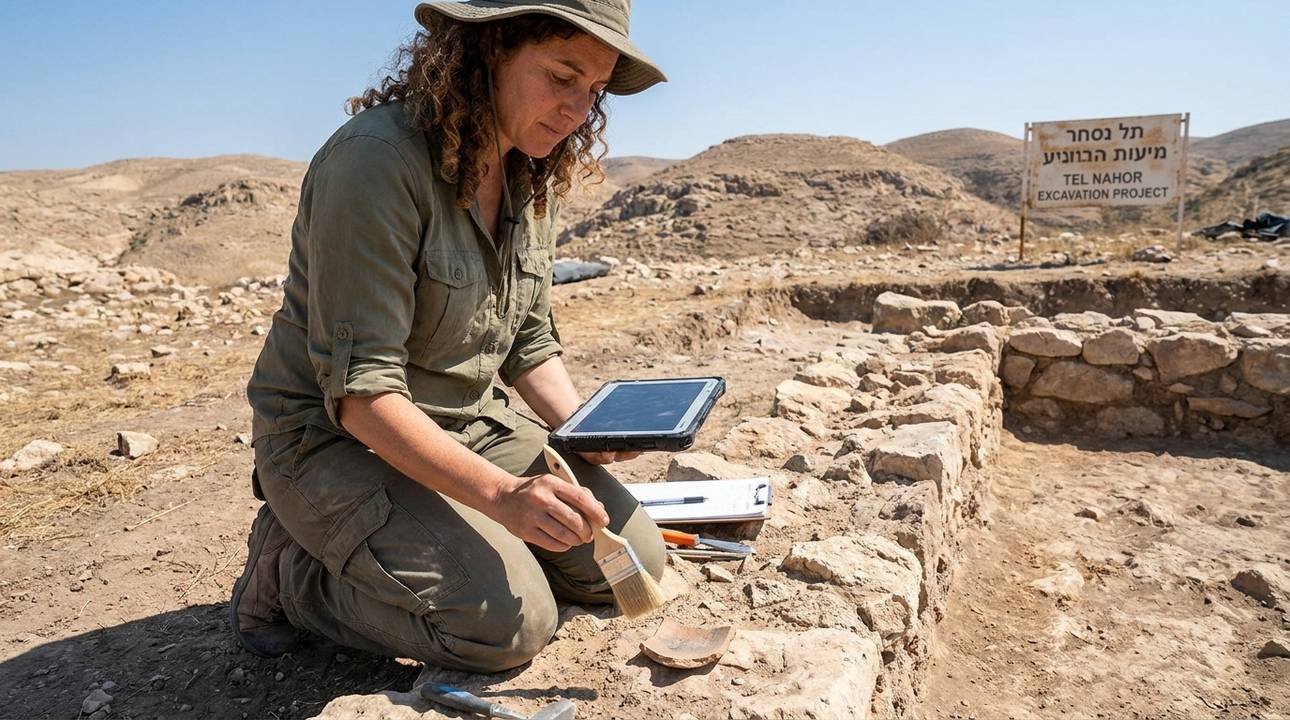
Excavations in proposed areas linked to Nahor City reveal layers of ancient urban life. Although the exact site is debated, areas like Haran provide valuable insights. Artifacts such as pottery and inscriptions offer views into the daily lives of its inhabitants, reflecting the trade and cultural exchanges there. These findings assist historians in reconstructing the past.
Significance of Nahor City in Patriarchal Narratives
Nahor is part of ancient narratives, serving as a backdrop for events involving key historical figures. These connections highlight its role in significant life events in historical stories. Nahor’s location in Mesopotamia placed it at the heart of cultural and trade exchanges, influencing its prominence in these narratives.
The strategic position made it a meeting point for various tribes and families, facilitating alliances and marriages that shaped history. Nahor’s significance is underscored in ancient texts, illustrating its influence on key events and its importance as a center of life and culture during that era.
Cultural and Religious Implications of Nahor City
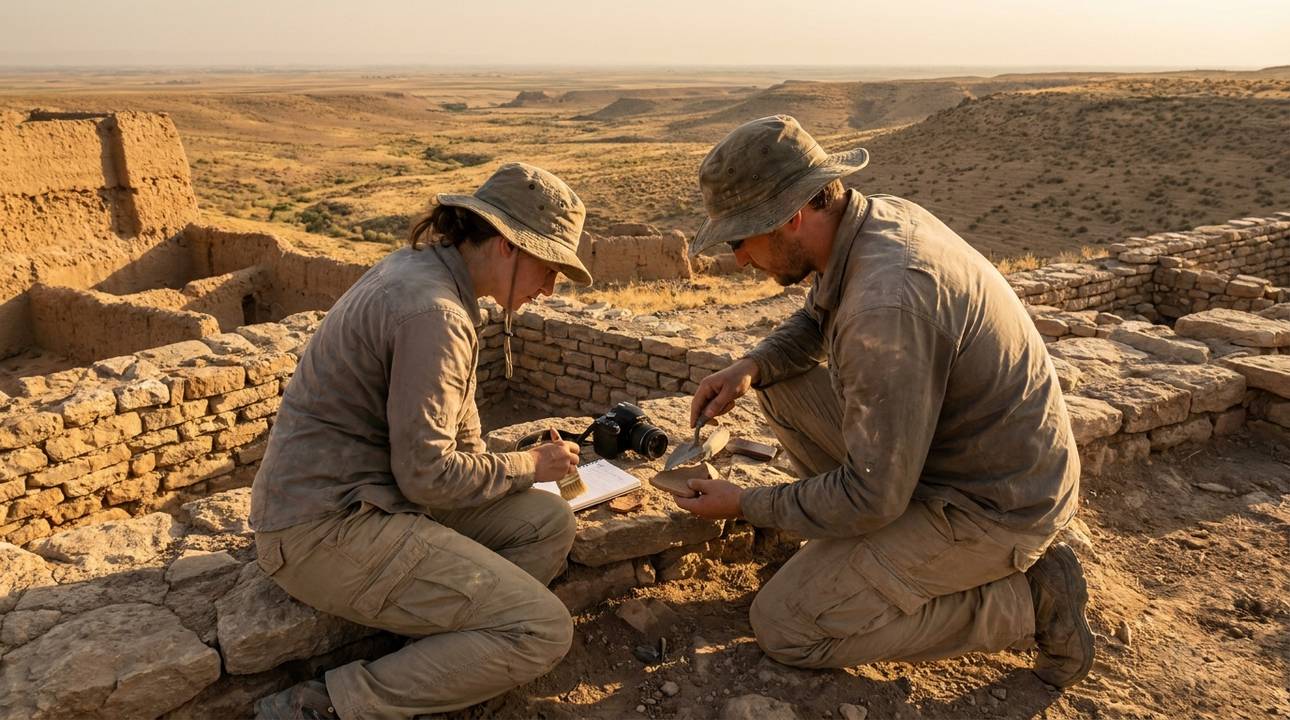
Nahor City represents the blending of cultural practices in the ancient world. Its place in historical narratives emphasizes the mix of different traditions and customs. Understanding these interactions is crucial for appreciating the history. Its role in the narratives of significant figures highlights the mingling of cultures and traditions during that era.
from the Western Wall to Masada.
Nahor’s mention in historical texts further illustrates this cultural exchange. Its location in Mesopotamia placed it at a crossroads of various civilizations, facilitating the blending of ideas and practices. This cultural fusion is reflected in the stories, where different traditions and beliefs intersect. Nahor serves as a sign of the dynamic interactions that shaped the ancient world, showing the complex relationships between peoples and cultures.
The Legacy of Nahor City in Modern Day
While the exact location of Nahor City remains uncertain, its legacy continues to interest scholars. According to researchers, modern archaeological methods persist in uncovering pieces of its past, creating connections to historical eras. This ongoing research enhances our appreciation of history and its influence on contemporary understanding. Archaeologists use advanced techniques like ground-penetrating radar to explore potential sites.
These efforts aim to uncover artifacts that might confirm the location and provide insight into its daily life. The search for Nahor is part of a broader effort to understand the Mesopotamian region, which played a crucial role in the development of early civilizations. Each discovery adds to our historical knowledge and connects us to the stories and people of the Bible. The quest to locate Nahor reflects a larger desire to bridge the past with the present.
Connecting Nahor City to Historical Appreciation
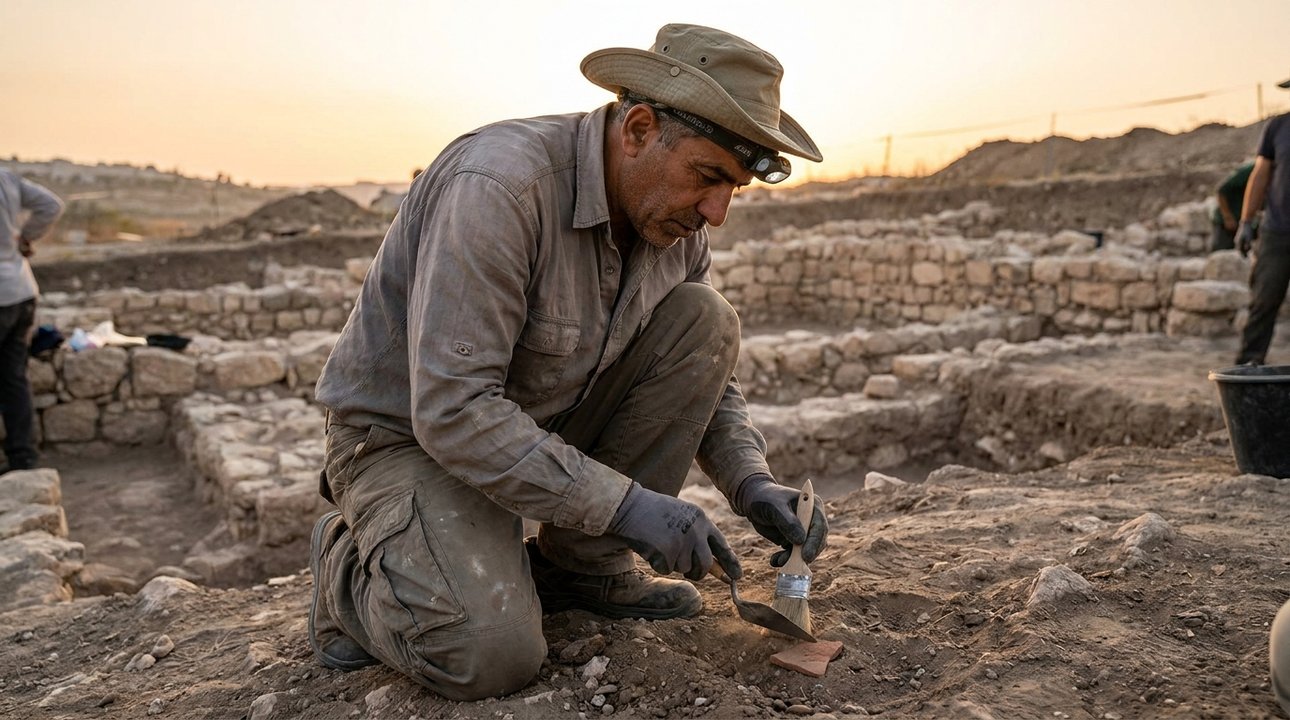
Exploring the history of places like Nahor City helps us appreciate the varied cultural influences of regions connected to ancient narratives. Our understanding of these places is enriched by artifacts and stories that reflect traditional techniques and customs shared over time.
Appreciating these historical connections offers insight into the blend of history and culture. Whether it’s a handcrafted piece or a culinary delight, these connections deepen our appreciation for the land and its heritage.
How Nahor City Is Viewed Today
Today, Nahor is remembered as a key historical site linked to ancient narratives. Scholars continue to explore its significance, offering new interpretations and insights. The city is thought to have been a center for trade and cultural exchange, contributing to its lasting influence. Although the exact location isn’t pinpointed, its cultural impact resonates, inspiring those interested in history and studies.
Nahor’s connection to Haran is significant, as it was a stopping point for significant families on their journeys. It likely played a role in the movement of peoples and ideas across the region. This historical context helps us understand the broader narrative of ancient texts and the development of early civilizations. Nahor remains a subject of fascination for scholars and enthusiasts alike, offering a view into the past and its legacy.
Conclusion: the Enduring Mystery of Nahor City
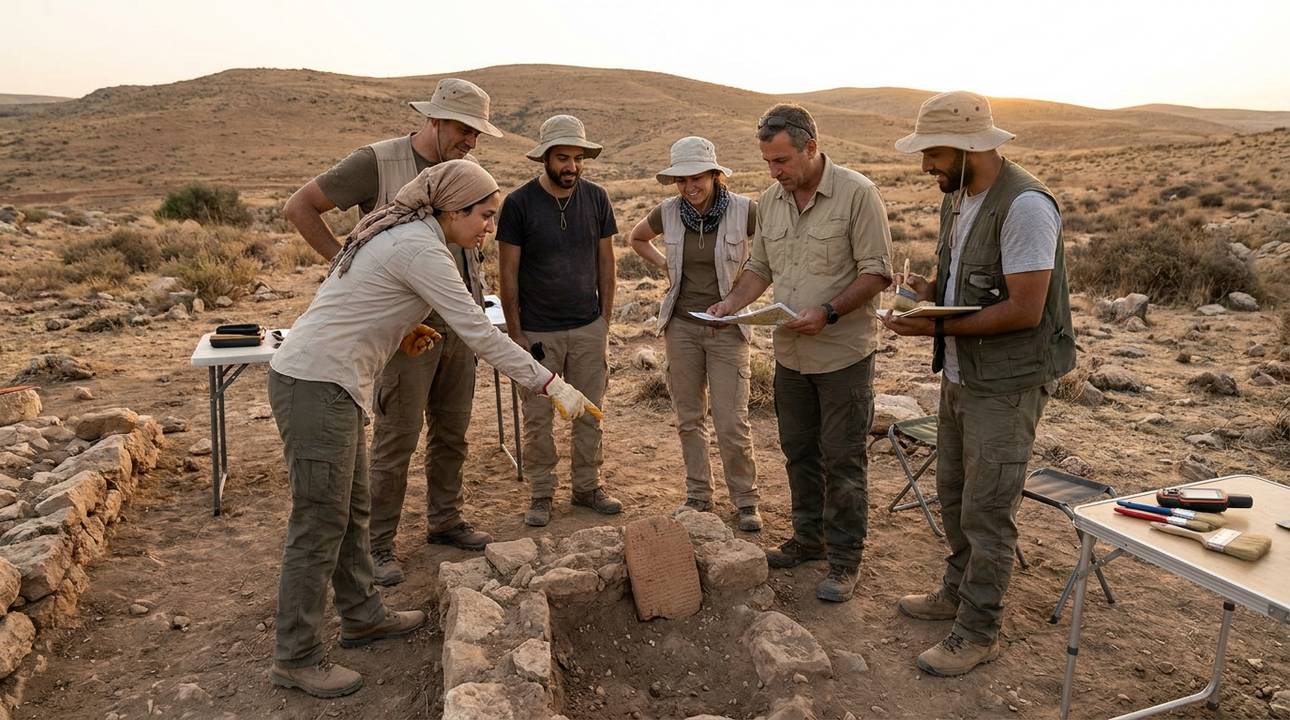
Nahor City remains a point of interest in historical stories, showing a world long past. Its role in ancient narratives provides context and depth to the broader understanding of history. Associated with Nahor, a significant figure, it reflects the familial ties that shaped early events. As we continue to explore its mysteries, Nahor will undoubtedly remain a subject of intrigue and study.
General Information
