Explore the Ancient and Historical Connections of Metula


Metula is a captivating town located at the northern tip of Israel. Known as the “Pearl of the North,” it holds a unique position both geographically and historically. Its charm is enhanced by its proximity to the lands of Naphtali. In this article, we will explore how Metula connects to historical landscapes and the traditions woven through its history. The area’s past is a mix of stories that is still remembered and connect people today. Its beauty and history make it a unique place.
__INTRO__ The lands of Naphtali, where Metula is located, were part of the inheritance given to the tribe of Naphtali, one of the twelve tribes of Israel. This historical connection adds a layer of depth to Metula’s cultural and history, drawing visitors interested in exploring their heritage.
from the Western Wall to Masada.
Where Is Metula Located?
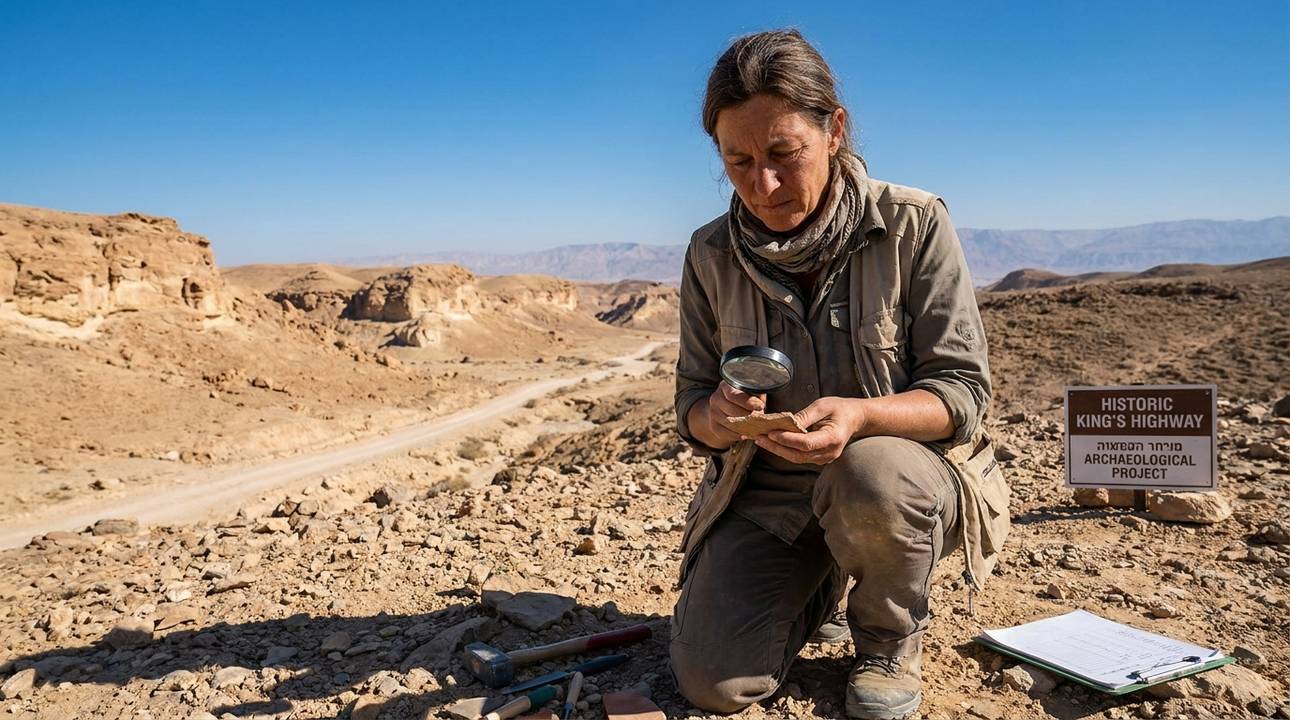
Metula lies at Israel’s northern frontier. It borders Lebanon and sits atop hills that provide panoramic views of the Hula Valley. This picturesque setting situates Metula as a gatekeeper between countries, holding strategic importance today as it did in earlier times. The region’s strategic importance is reminiscent of the ancient city of Hazor, which was a fortified city in the northern kingdom of Israel. Metula’s location continues to be vital for both defense and diplomacy. Its elevation offers a natural vantage point. The Hula Valley, visible from Metula, is a significant agricultural area, much like the fertile plains of Jezreel. The valley’s rich soil supports a variety of crops, contributing to the region’s economic stability and agricultural heritage. Historically, regions like Metula were crucial as transit and trade routes. The area’s geography allowed control over access points between different territories and peoples. This connectivity has made the region significant throughout history. The Via Maris, an ancient trade route, passed through this area, linking Egypt with the northern empires of Mesopotamia. Such routes facilitated not only trade but also cultural exchanges. Metula’s location along these ancient paths allowed it to be a mix of cultures and ideas. This is similar to the role of the King’s Highway, another historical route, which connected the Red Sea with Damascus. These highways were vital for the movement of goods and people, influencing the cultural and economic landscape of the region.
What Are Metula’s Historical Connections?
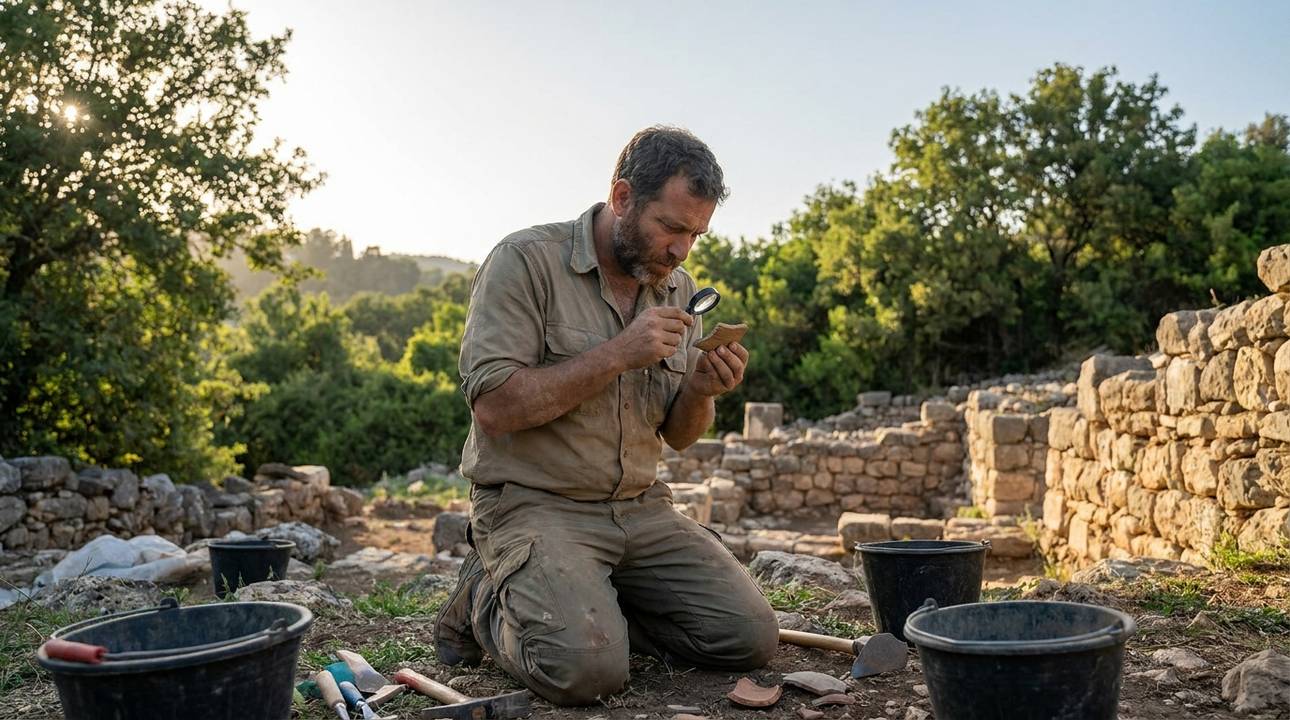
While Metula itself is not directly named in ancient texts, the surrounding landscapes echo stories and events recounted in history. For instance, the nearby region of Dan is mentioned as a place where the tribe of Dan settled after migrating from their original territory. Considered part of historical Israel, nearby places witnessed journeys, wars, and covenants. The nearby Mount Hermon was part of the land captured by the Israelites. These connections enrich Metula’s historical tapestry. The region around Metula, including the area of Dan, is known for its strategic and cultural significance in the northern part of Israel. This context provides a deeper understanding of the area’s role, making it a fascinating subject for those interested in history. The historic Upper Galilee region, near Metula, figures prominently in narratives like those of Solomon and the building of cities for storage and defense. This area becomes a crucial backdrop for understanding the spatial context. The region’s strategic importance is further highlighted by its proximity to ancient trade routes, which facilitated the exchange of goods and ideas. These routes are akin to those used during historical visits. The area’s history is rich with connections. The Upper Galilee’s location made it a key area for ancient trade and military strategy. Its significance is comparable to the city of Hazor, which was a major Canaanite city. The region’s historical relevance continues to be a point of interest for visitors and scholars alike.
How Did Metula Develop over Time?
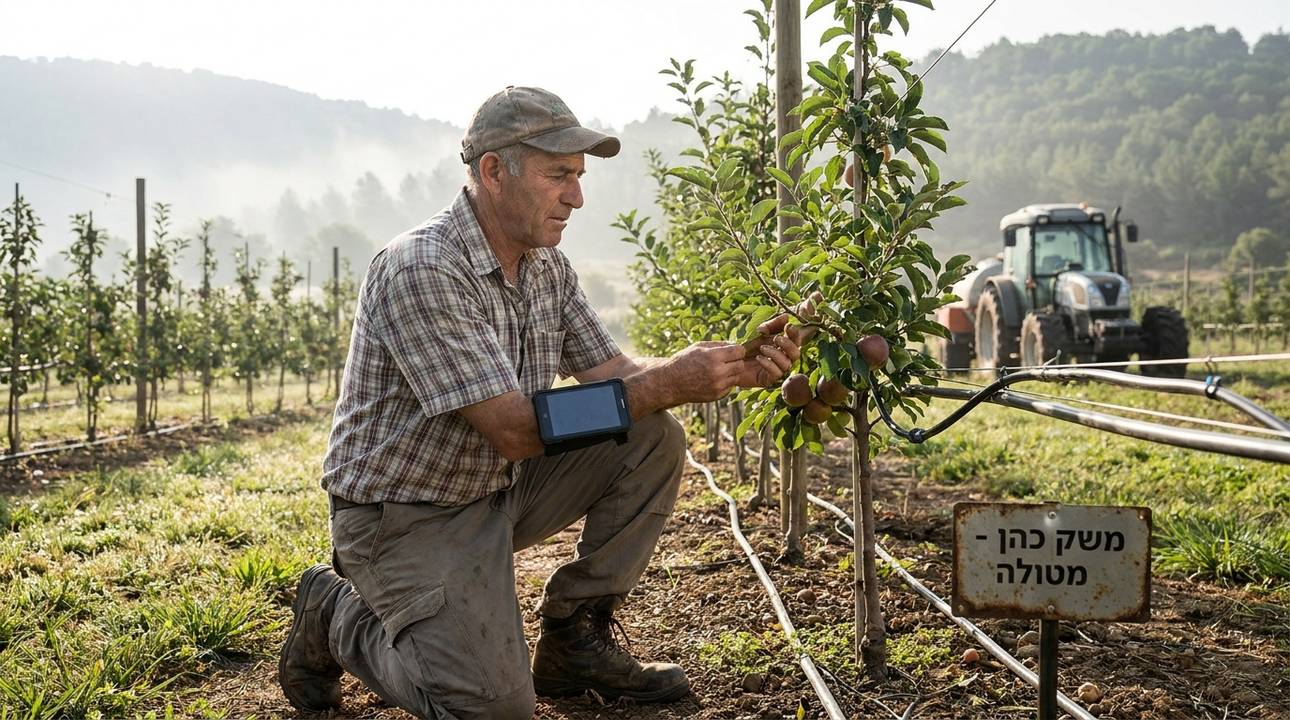
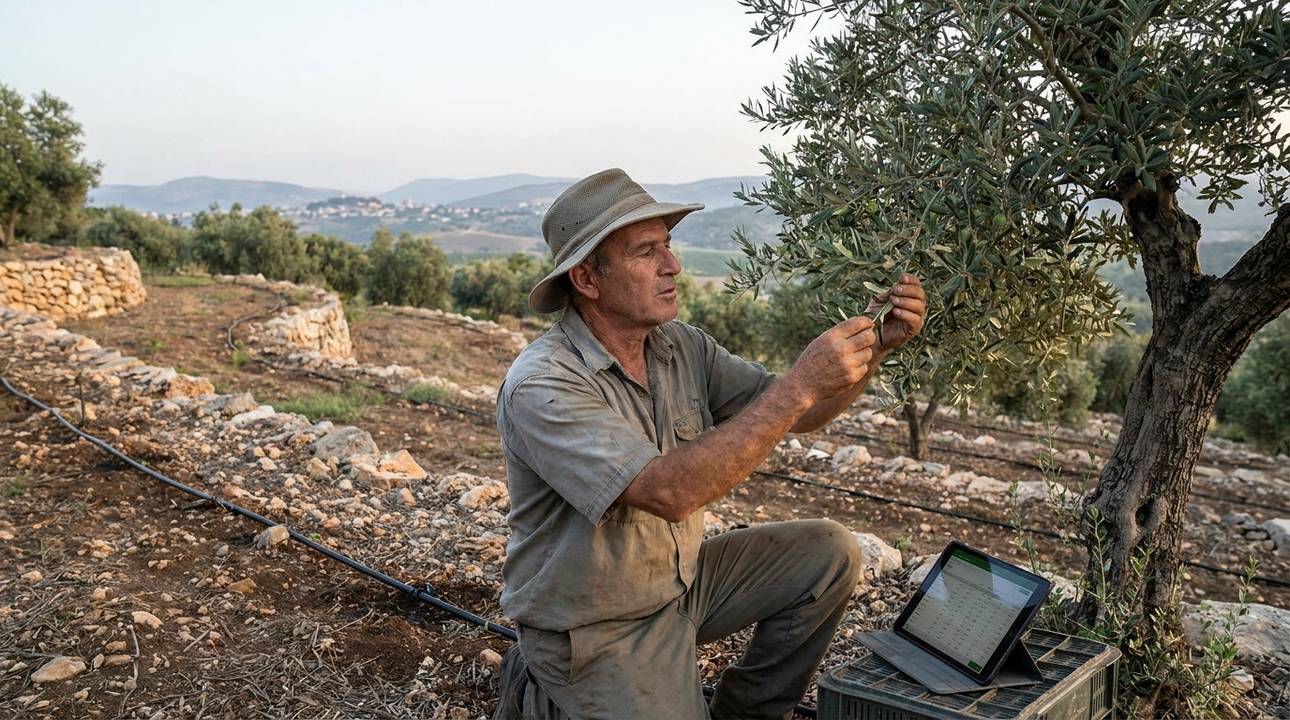
Founded in 1896 by Baron Edmond de Rothschild as an agricultural settlement, Metula marked the Zionist movement’s northernmost expansion. This establishment was part of a broader effort to create a Jewish homeland, as envisioned by leaders like Theodor Herzl. Metula was pivotal in the late 19th-century Jewish settlement efforts creating new agricultural communities. These efforts mirrored the mandate to settle and cultivate the land. Metula emerged as a thriving center for agriculture, introducing innovative farming techniques still used today. These advancements have roots in historical practices. This transformation into a fruitful landscape highlights the community’s innovation. The area’s ability to adapt and flourish mirrors the story of wise resource management during times of plenty and famine.
from the Western Wall to Masada.
What Is Metula Like Today?
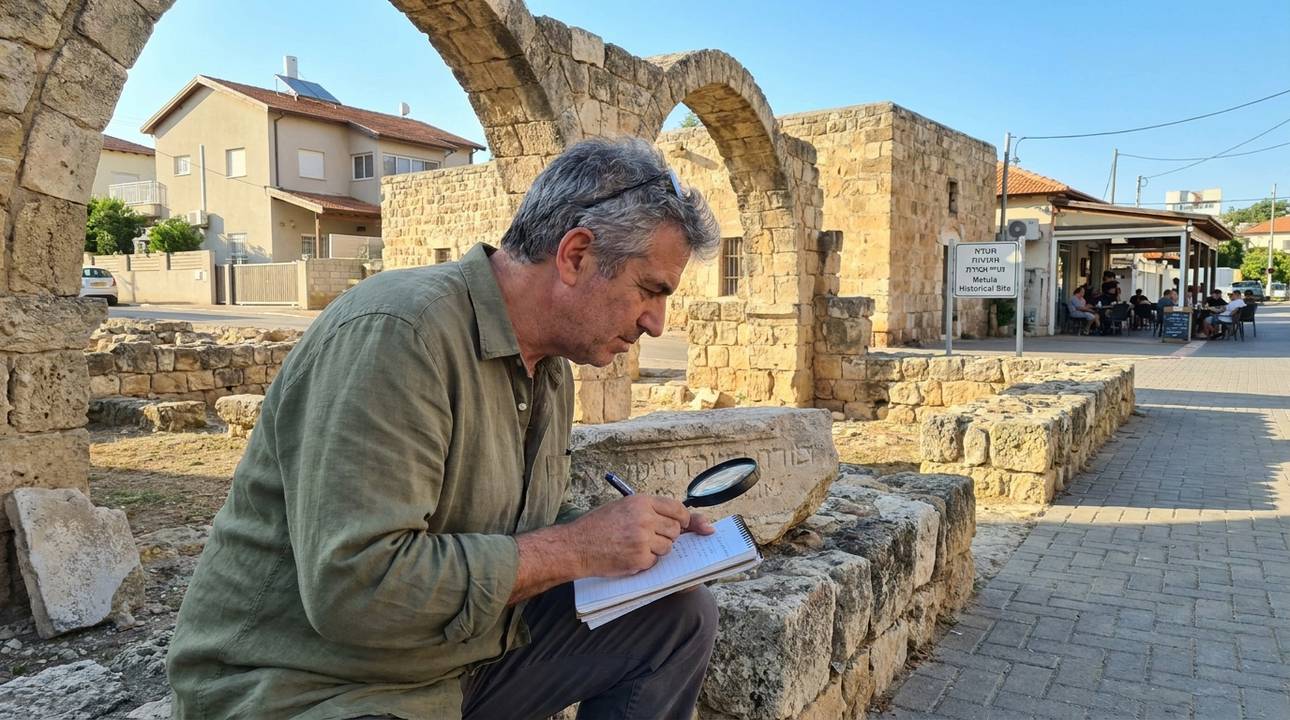
Today, Metula balances modern life with historical charm. Its streets, lined with historic homes dating back to the early 20th century, host a community living in harmony with its heritage. The architecture reflects the styles brought by early settlers inspired by European designs. Visitors are drawn to Metula for both relaxation and historical exploration. This blend of old and new is reminiscent of the ancient city of Hebron, where early settlers built a life amidst the locals. Metula’s charm lies in its harmonious blend of past and present. The historic homes in Metula showcase architectural styles that reflect the influence of European immigrants who settled in the area during the late 19th and early 20th centuries. This architectural heritage is a sign of the diverse backgrounds of its founders and their vision for a thriving community. With its preserved historical sites and natural beauty, Metula offers educational and cultural insights into Israel’s diverse past. Visitors can explore sites that date back to the Ottoman Empire, gaining a deeper understanding of the area’s history. The local economy thrives on tourism, agriculture, and cross-border interactions. This economic model is reminiscent of ancient trade routes mentioned in historical accounts. The historical richness of Metula is a sign of its enduring appeal. Metula’s historical sites include remnants from the Ottoman period, which lasted from 1517 to 1917, offering a glimpse into the architectural and cultural influences of that era. Its position near the Lebanese border has allowed it to be a hub for cultural exchange and trade, much like the ancient cities known for their commerce.
What Is Metula’s Role in Modern Israel?
Metula’s strategic position at the northern tip of Israel continues to make it significant in the country’s geopolitical landscape. Its location near the Lebanese border has historically been crucial for defense and diplomacy. Serving as a symbol of Israel’s resilience, much like the ancient city of Jerusalem, Metula also embodies peaceful coexistence with its neighbors, echoing the vision of nations living in harmony. Its role is crucial in maintaining regional stability. Throughout history, Metula has been a key location for both military and diplomatic efforts. Its strategic importance is comparable to that of the ancient city of Megiddo, which controlled a vital pass on the trade route known as the Via Maris. This history continues to shape Metula’s role in modern Israel. The local community in Metula is a mix of tradition and innovation. This blend is evident in their support for nationwide initiatives, such as agricultural advancements and educational programs. Metula also contributes to regional stability, acting as a peaceful bridge between different cultures. Its story reinforces the spirit of thriving amidst challenges. The community’s resilience is a source of inspiration. Metula’s community initiatives often focus on sustainable agriculture and education, reflecting its commitment to growth and development.
How Does Metula Connect to Israeli Heritage?
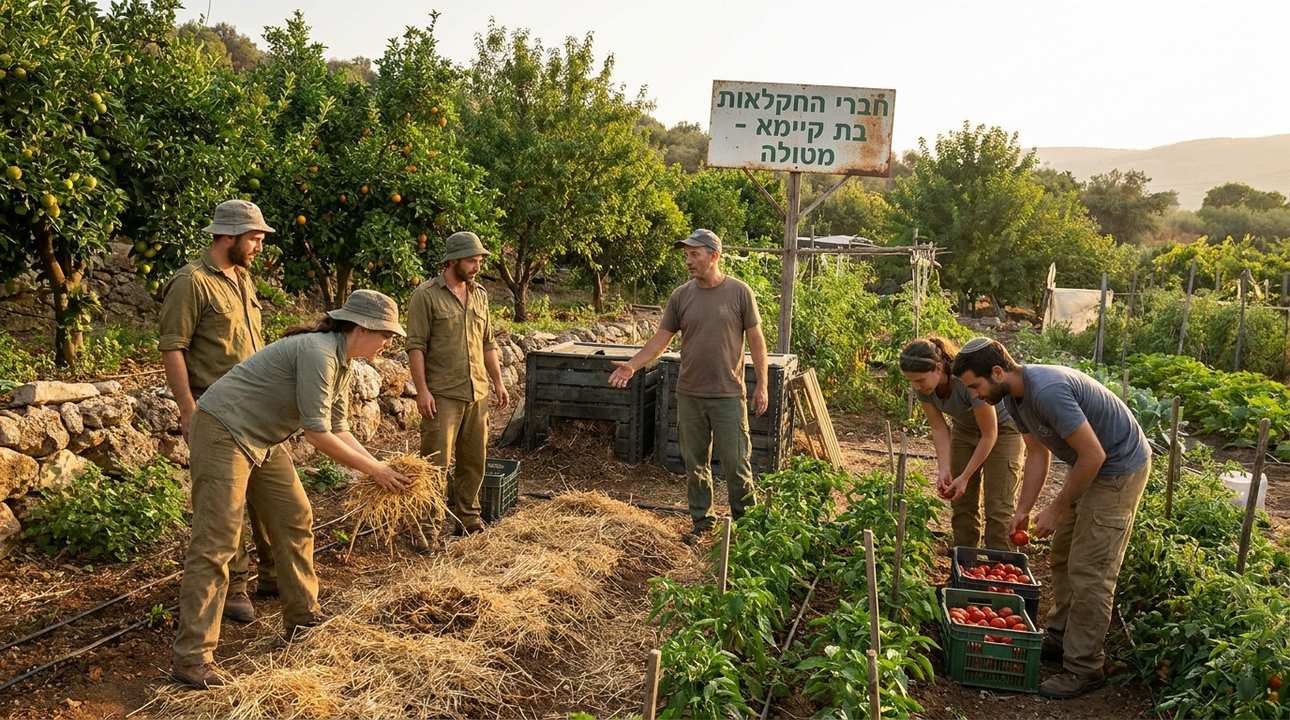
Metula represents a living connection to Israel’s pioneering era, a legacy of agricultural development and Zionist aspirations. Its founding in 1896 by Baron Edmond de Rothschild is a sign of this vision. It remains a testimony to the vision of building and sustaining communities in challenging environments. Metula’s ongoing success reflects the enduring spirit of determination and community. The area’s agricultural roots are a nod to the early Zionist movement. Baron Edmond de Rothschild’s support was instrumental in establishing Metula, as he financed many of the early settlements in the region. His vision was to create a self-sustaining community, similar to the kibbutzim that would later become a hallmark of Israeli society. This pioneering spirit can be seen in Metula’s continued emphasis on agriculture and community life. Metula’s landscapes have served not only as homes but as settings for historical narratives and achievements that is still remembered generations. The town has witnessed pivotal moments. It remains an emblem of cultural continuity and innovation, preserving traditions while embracing new ideas. This duality reflects the legacy of Israel’s early settlers, who laid the foundations for a nation. Metula’s agricultural success is a sign of this legacy. The fields surrounding Metula have been cultivated for generations, echoing the agricultural practices of earlier times. Its ability to adapt and innovate while maintaining its cultural heritage is reminiscent of wise resource management during times of plenty and famine.