
Discovering the History of Nain
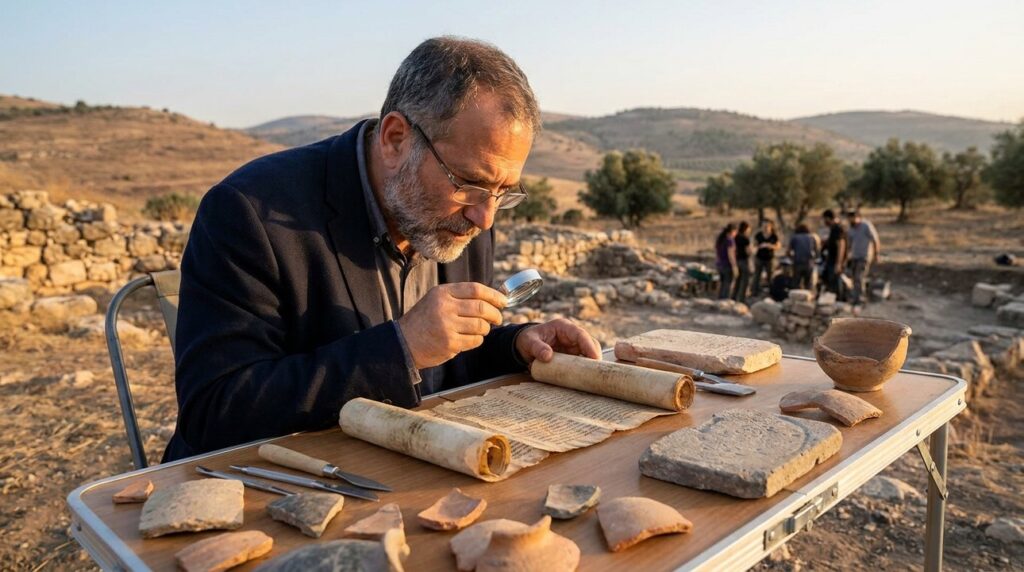

Nain, a small town nestled in the hills of Galilee, is known for its historical significance. This village connects us to the lives and events of the past. We will explore the layers of history and culture that make Nain an important site. The town is mentioned in ancient texts, linking it to narratives involving historical figures.
Nain’s location near the Sea of Galilee, a region known for its historical connections, enhances its appeal. The town’s history is enriched by its proximity to other notable sites, such as Nazareth. Exploring Nain offers an opportunity to walk through history and connect with the stories that have shaped cultural heritage. The landscape around Nain, with its rolling hills and fertile valleys, provides a picturesque setting for understanding the region’s historical context.
from the Western Wall to Masada.

What Is the Historical Background of Nain?
Nain is located in the Lower Galilee region, nestled among scenic hills. This village is known from historical texts, particularly in narratives involving historical figures. The area’s serene landscape hosted many historical events, making it a site of significance. The region of Galilee itself is rich in history, with connections to various narratives and figures. Nain’s history is intertwined with the social and cultural aspects of Galilee. Its location near other significant sites, such as Mount Tabor, adds to its historical importance.
Why Is Nain Important in Historical Texts?
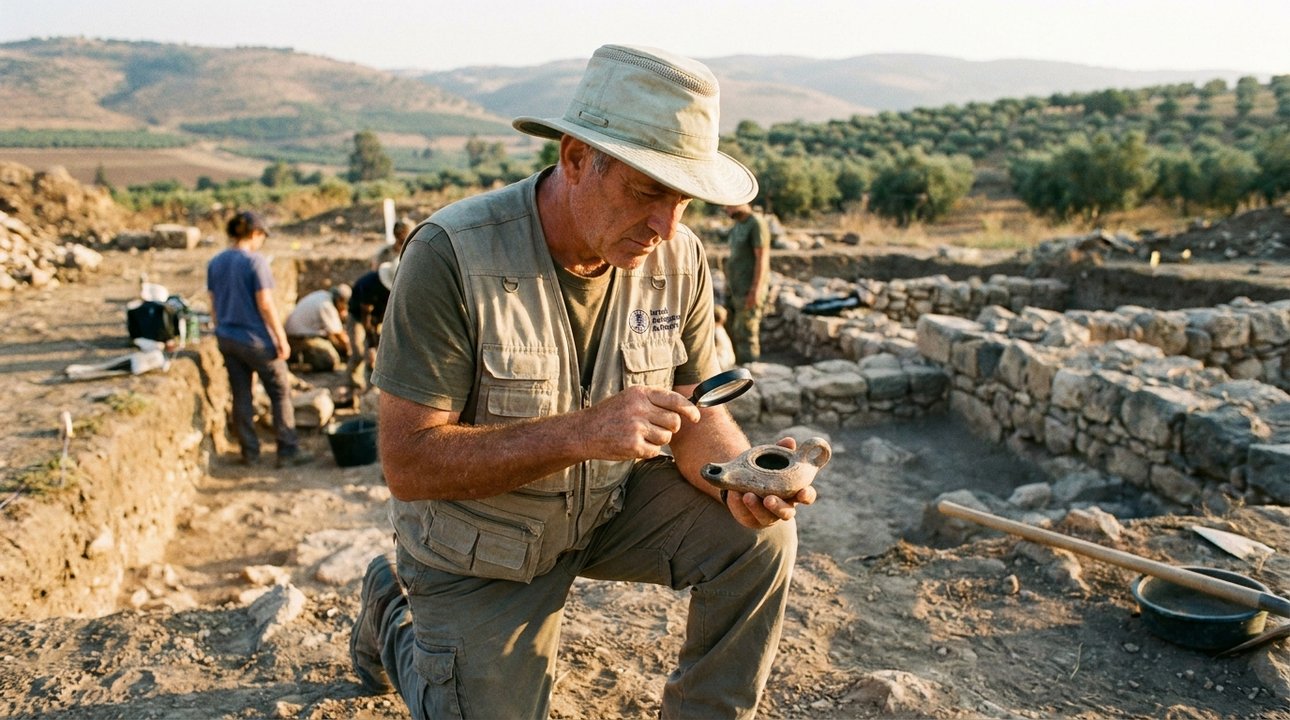
Nain is referenced in ancient texts, connecting the area to numerous narratives. It serves as a backdrop for events involving pivotal historical figures. The story of the Shunammite woman is believed to have ties to the region around Nain. This highlights the village’s role as a place of significant happenings in historical tradition. These narratives contribute to Nain’s cultural role, offering insights into the lives of those who once inhabited the region.
The association with historical figures adds a layer of significance to Nain. The village’s historical connections make it a focal point for those interested in history. These narratives inform our understanding of the past, offering insights into the lives of those who once called Nain home. The stories of historical figures enrich the cultural mix of the region.
In religious texts, Nain is noted for a particular event, although not detailed here. The town’s ancient past adds interest for many believers. Understanding Nain’s place in these narratives offers insights into its historical role, as it was a site of significant events that continue to be remembered. The blending of historical fact with tradition makes Nain a place of reflection for those seeking to connect with their heritage.
The town’s connection to historical figures and events provides a tangible link to the heritage that many hold dear. Nain’s historical and cultural role is further underscored by its inclusion in ancient texts, which is still remembered for reflection. This connection makes Nain a place of interest for those seeking to connect with their roots. The stories associated with Nain offer insights into the values and beliefs of ancient communities, enriching our understanding of the past.
What Archaeological Finds Reveal About Nain
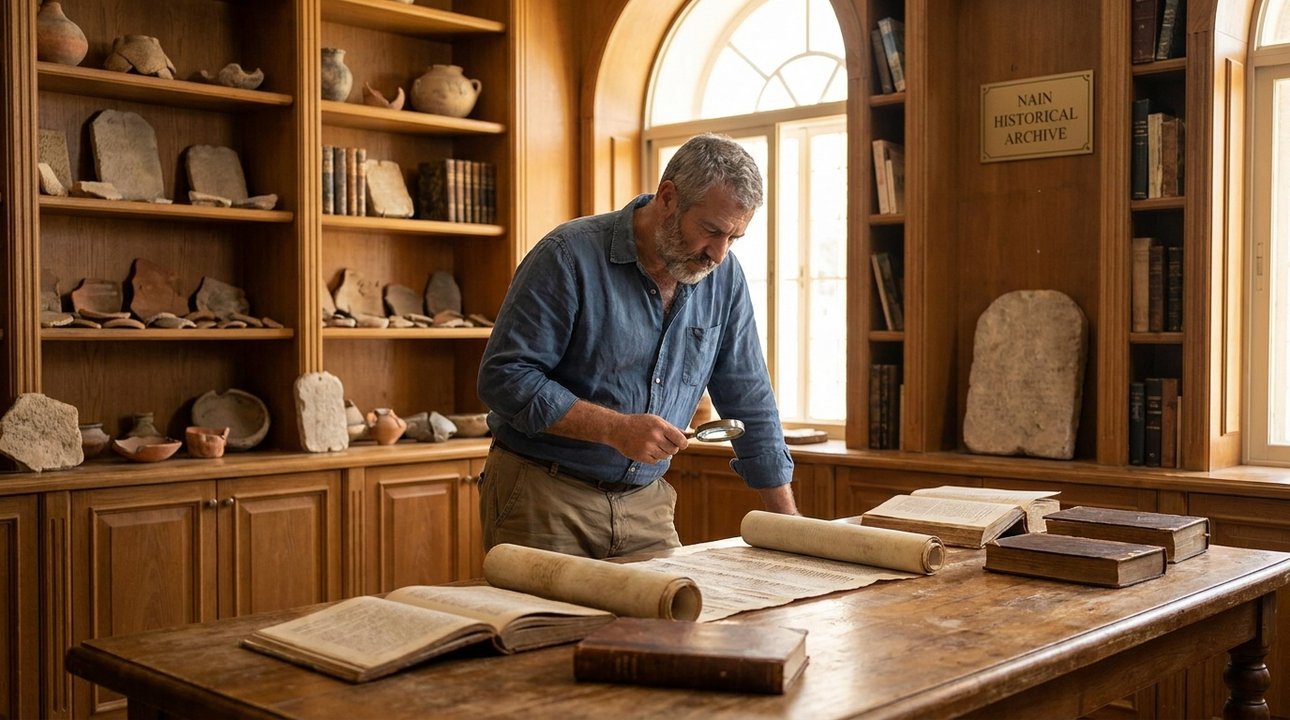
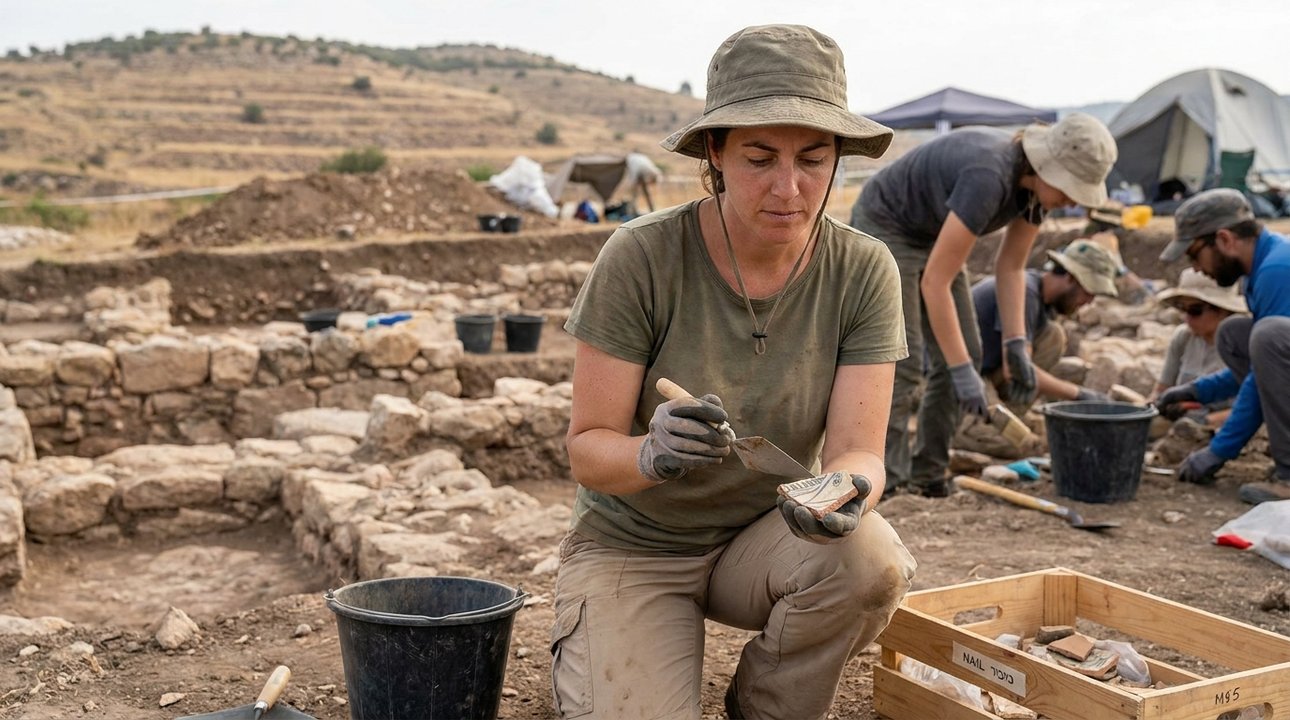
Archaeological explorations in Nain have unearthed artifacts that shed light on its ancient life. Items ranging from pottery to ancient tools have been found, reflecting the daily life of its inhabitants. These discoveries provide a deeper understanding of the economic activities and cultural practices of the time. Nain thus offers tangible connections to the stories told in historical texts. The artifacts serve as a bridge between the historical narratives and the physical evidence of the village’s past.
Notably, these archaeological efforts also reveal the town’s interaction with nearby regions. The findings play a crucial role in piecing together the historical puzzle of Galilee’s past. Artifacts such as pottery and coins indicate trade and cultural exchanges with neighboring communities, highlighting Nain’s role in the broader ancient economy. These exchanges suggest a network of trade and communication, with Nain serving as a hub for merchants and travelers. The discovery of foreign coins, for instance, points to interactions with distant regions, while pottery styles reflect influences from various cultures. Such findings enrich our understanding of Nain’s economic and cultural role in history.
Through these efforts, scholars gain valuable insights into the social structures and customs of the past. The discovery of ancient dwellings and public buildings provides evidence of the town’s development over centuries. These insights help us understand how Nain’s residents lived, worked, and interacted with their environment, offering a richer understanding of the past. For instance, the layout of ancient homes and communal spaces reveals much about the social organization and daily life of the community, contributing to our knowledge of historical Galilean society.
Nain Today: Preserving the Historical Legacy
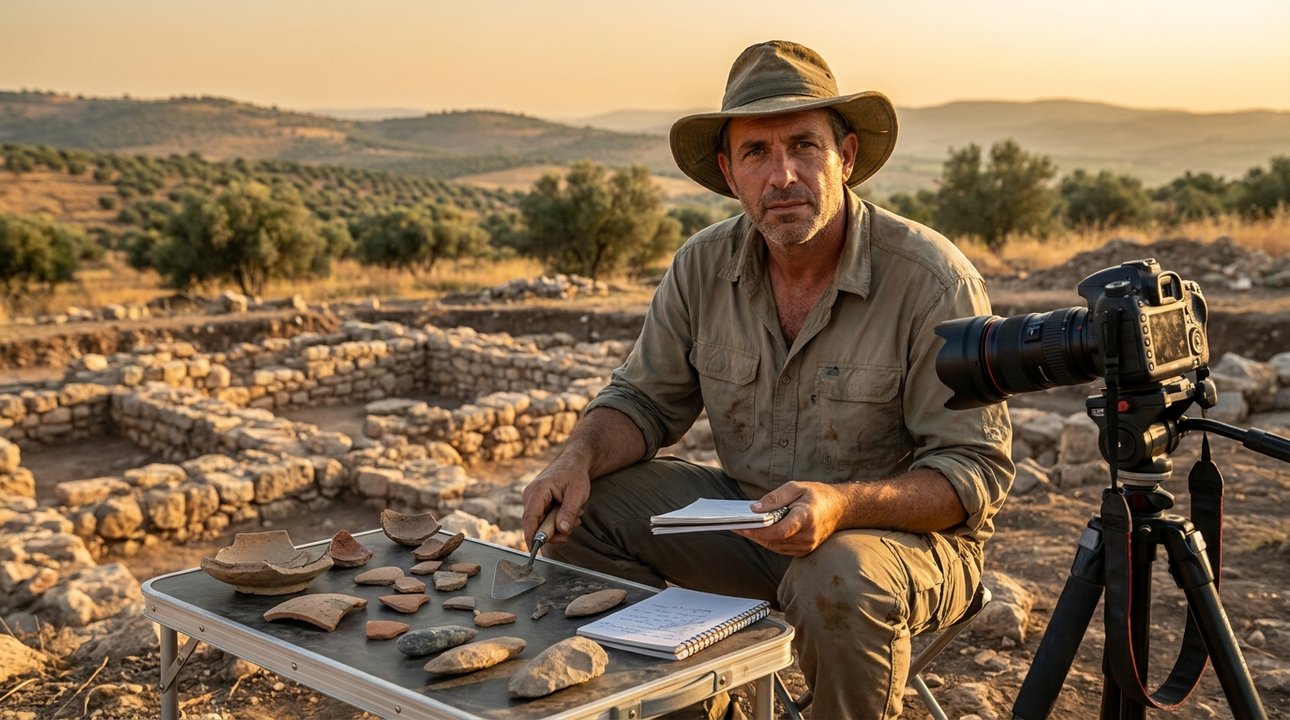
Today, Nain is a small, tranquil village with a legacy. Its history can be traced back to ancient periods, with references in ancient texts. Efforts to maintain its historical sites allow visitors and scholars alike to connect with its past. Archaeological excavations have uncovered artifacts from various periods, including the Roman era, showing the daily lives of its inhabitants. Modern-day Nain retains the cultural and historical echoes of its stories, with archaeological sites and historical landmarks offering glimpses into its storied history. These sites include remnants of ancient dwellings and public buildings, which provide evidence of the town’s development over centuries. Protecting these sites ensures that future generations can appreciate the village’s unique place in history.
Residents of Nain continue to uphold traditions that reflect the village’s storied history. These traditions include local festivals and crafts that have been passed down through generations. They are a sign of the enduring spirit of the community, which cherishes its heritage while embracing the present. Protecting Nain’s historical sites ensures that future generations can appreciate the village’s unique place in history. Community efforts to maintain these traditions include storytelling and educational programs for younger generations, ensuring that the legacy of Nain is not forgotten. These activities foster a sense of identity and pride among residents, connecting them to their ancestors’ way of life.
from the Western Wall to Masada.
Nain serves as a reminder of the enduring connection between past and present. By exploring Nain’s history, we gain insights into the events that shaped the wider region. The village’s strategic location near the Jezreel Valley, a site of many historical battles, highlights its historical importance. Efforts to maintain its heritage ensure that Nain continues to be a place of interest for future generations.
Archaeological discoveries in Nain have uncovered artifacts from various periods, including the Roman and Byzantine eras. These findings provide a window into the daily lives of its ancient inhabitants, revealing their customs and social structures. For example, the discovery of Roman-era pottery and tools offers insights into the domestic life and craftsmanship of the time. Safeguarding Nain’s heritage allows us to appreciate the mix of history that this village embodies. These artifacts not only tell the story of Nain’s past but also connect us to the broader historical narrative of the region.
The Cultural Impact of Nain over the Centuries
Nain’s influence extends beyond its geographical boundaries, impacting cultural narratives in the region. It has inspired artistic and literary works that draw from its historical associations. The village’s role in these narratives speaks to its continued relevance and historical resonance. Through these cultural expressions, Nain’s story is shared with wider audiences, bridging ancient and modern worlds.
This cultural role adds another dimension to understanding Nain’s place in history. By looking at these artistic interpretations, we see how Nain is still remembered and captivates imaginations. The blending of historical fact with cultural storytelling enriches the narrative of Nain’s past, making it a source of inspiration for artists and writers alike. Artistic works, including paintings and literature, often draw on Nain’s history, weaving tales that resonate with audiences today. These creative expressions ensure that Nain’s legacy is preserved and celebrated, bridging the gap between past and present.
Nain’s influence extends beyond its historical roots, as evidenced by its portrayal in various forms of art and literature. These creative works often draw from the village’s storied past, weaving tales that resonate with audiences today. The interplay between history and art ensures that Nain remains a part of cultural discourse, bridging the gap between past and present. Artistic interpretations of Nain’s history can be found in paintings, literature, and other media, each adding a unique perspective to the village’s legacy.

Conclusion: Nain’s Enduring Role in History
Nain remains a remarkable blend of history and culture. This ancient village continues to offer insights into the past, enriching our understanding of ancient communities. By exploring Nain, one connects with a piece of history that is both unique and universally significant. It stands as a sign of the enduring connection between land, story, and belief. Maintaining its historical sites and traditions ensures that Nain’s legacy is still remembered and educates future generations.
The legacy of Nain is a vital part of Galilean history, bringing ancient tales to life. For those inspired by history, Nain serves as a link to the stories that have shaped culture and identity for generations. The village is mentioned in historical texts dating back to the first century, providing a glimpse into the lives of those who once walked its paths. In ancient texts, the region surrounding Nain is associated with significant events.
Nain’s proximity to other historical sites like Mount Tabor adds depth to its historical narrative. This connection to significant events enhances Nain’s role as a focal point for understanding the broader Galilean context. Visitors to Nain can imagine the life of the past, where stories of resilience were born. Mount Tabor itself is a site of great historical importance, providing a backdrop to the stories that unfolded in the region. The landscape around Nain, with its rolling hills and fertile valleys, would have been familiar to the people of the past, adding to the authenticity of the experience.
Understanding Nain
