
Exploring the History of the Valley of Beracah
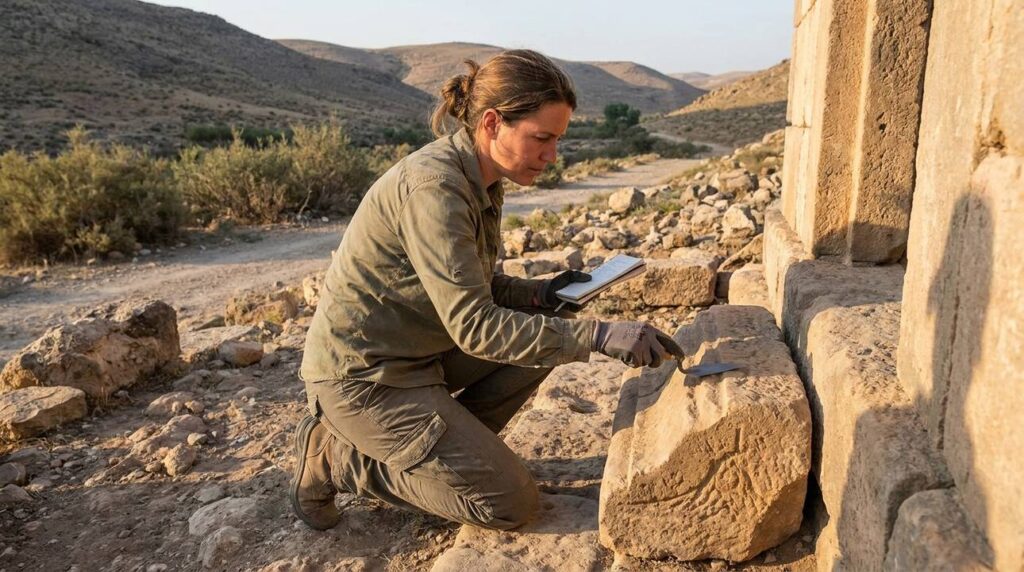

The Valley of Beracah is more than just an ancient battlefield; it’s a place of profound gratitude and unity. Its narrative is one of miraculous victory and collective thanksgiving.
Mentioned in the account of King Jehoshaphat, this site transformed from a potential disaster area to a celebrated place of praise and intervention. The people of Judah gathered to express gratitude, marking it as a perpetual reminder of unity’s power.
The events followed a miraculous victory where the enemies turned on each other.
The transformation of Beracah into a symbol of gratitude is significant, highlighting the importance of unity in overcoming adversity. The name ‘Beracah’ itself reflects the overwhelming gratitude felt by the people of Judah. This occurrence is a sign of the power of collective belief and the importance of support during difficult times.
from the Western Wall to Masada.
What Is the Valley of Beracah?
Beracah gets its name from the Hebrew word ‘berachah,’ reflecting gratitude. Located near Jerusalem, it holds a unique place in history due to a remarkable event. Here, King Jehoshaphat led his people to a triumphant victory over their enemies through unity and intervention. The site became a symbol of triumph and thanksgiving. It remains a sign of the power of unity and the importance of gratitude in overcoming adversity. This occurrence is a reminder of the enduring strength found in collective belief.
The significance of Beracah is further highlighted by its proximity to Jerusalem, a city central to Jewish history. Its transformation into a place of gratitude underscores the belief in support during times of crisis.
Jehoshaphat’s victory serves as an enduring example of how unity and gratitude can lead to unexpected triumphs, inspiring future generations to trust in the power of collective unity.
The Story of Jehoshaphat
In II Chronicles 20, King Jehoshaphat faced a formidable alliance of enemy nations. Alarmed, he turned to collective action, leading his people in seeking guidance.
This act of seeking counsel is reminiscent of other leaders who sought guidance in times of crisis. A prophet assured them that the battle was not theirs to fight.
This assurance is a recurring theme, where intervention is promised in times of need.
They gathered at the site, praising and thanking before the battle even began, turning their fear into faith. This act of worship and trust was crucial in transforming their situation from one of fear to one of hope.
The people’s faith was rewarded when their enemies turned against each other, leading to an unexpected victory. This event emphasizes the power of faith and worship in overcoming challenges, reinforcing the idea that trust in divine plans can lead to miraculous outcomes.
The enemies were Moabites, Ammonites, and some of the Meunites, who had gathered to wage war against Jehoshaphat. This coalition of nations posed a significant threat, as each had its own history of conflict with Israel. The Moabites and Ammonites often clashed with the Israelites. The king’s leadership in calling for national unity is a sign of his reliance on intervention. Jehoshaphat’s call to seek guidance is reminiscent of earlier leaders who also turned to collective action in times of crisis.
The prophet Jahaziel delivered the reassuring message that the battle was not theirs but belonged to a higher power, reinforcing the community’s unity.
Jahaziel’s message echoed the sentiments of earlier prophets who assured Israel of support.
This prophetic assurance played a crucial role in bolstering the morale of the people, reminding them of the victories achieved by their ancestors through unity.
The Miraculous Victory
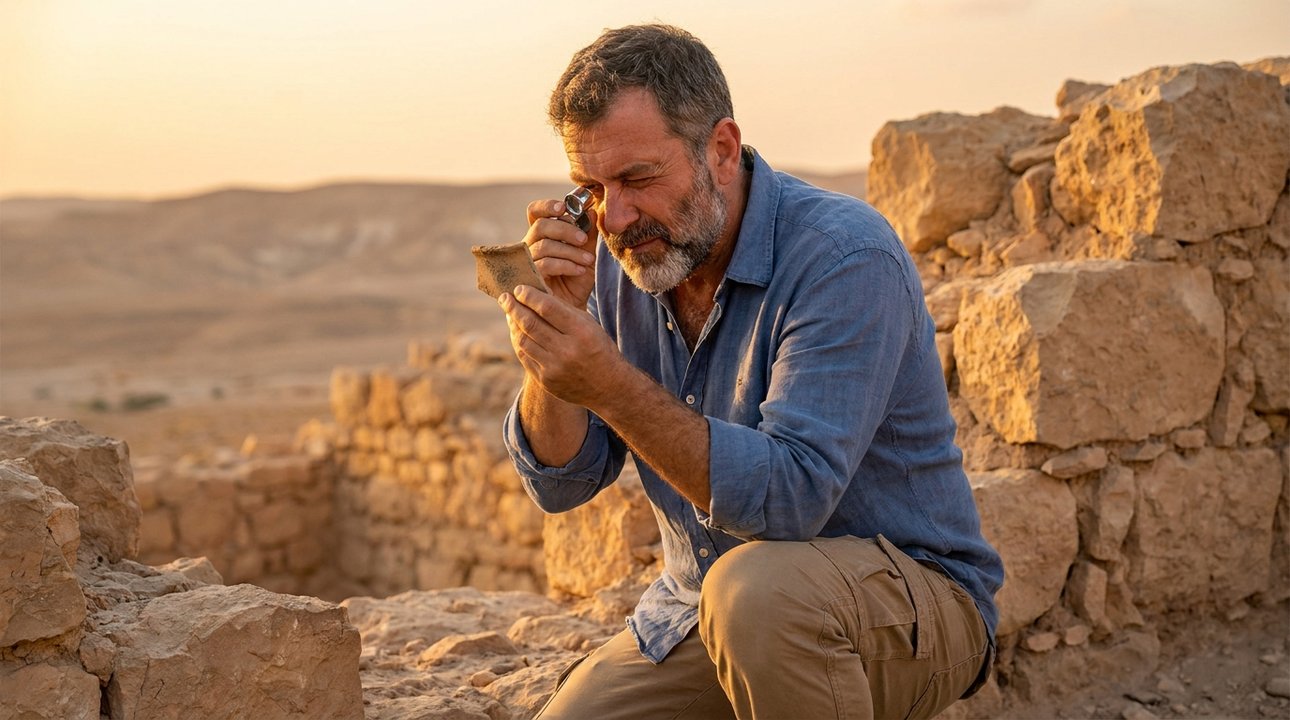
In an extraordinary turn of events, the enemies turned against each other, leading to a miraculous victory for Jehoshaphat’s forces without a single Israelite having to fight. This unexpected outcome further solidified Beracah’s place as a symbol of intervention and gratitude.
The community spent three days collecting the spoils of war, overwhelmed by how the battle turned in their favor, highlighting the abundance of riches and goods they found.
The miraculous victory in Beracah serves as a sign of the power of faith and divine intervention. The unexpected turn of events, where the enemies turned on each other, highlights the mysterious ways in which challenges can be overcome. This occurrence emphasizes the importance of gratitude and faith in achieving unexpected triumphs, inspiring future generations to trust in the power of collective belief and unity.
Significance of the Name ‘Beracah’
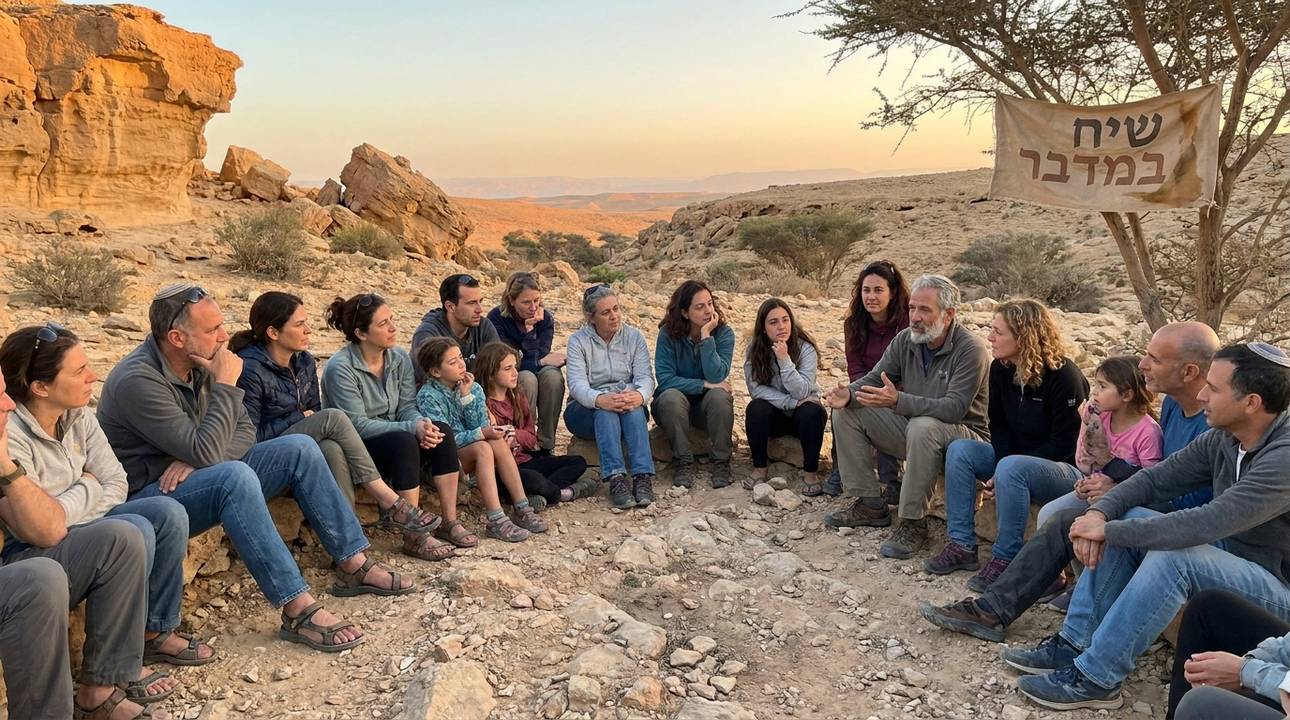
Defined as ‘gratitude,’ the name Beracah reflects the overwhelming appreciation the people of Judah felt. This site became a living sign of the power of unity and the belief in support. The people named it Beracah after gathering to express gratitude. Naming it Beracah marked it as a perpetual reminder for future generations of the power of unity and gratitude. It serves as a symbol of how collective belief can lead to unexpected victories and enduring hope.
The act of naming the site Beracah also highlights the importance of memorializing significant events in Jewish history. By doing so, the people ensured that future generations would remember the power of faith and gratitude in overcoming adversity. It stands as a sign of the enduring strength found in unity and collective belief, inspiring those who seek strength in times of challenge and uncertainty.
from the Western Wall to Masada.
Why Is Beracah Important Today?
Though not a major archaeological site today, Beracah remains an important symbol. It stands for the idea that challenges can be turned into positive outcomes when faced with unity. The people gathered to express gratitude after their victory. For many, it is a reminder of the importance of gratitude and unity during difficult times. This site is still remembered by those who seek strength in collective belief and the power of shared purpose.
Beracah’s importance lies in its message of hope and transformation. By coming together in unity, the people of Judah were able to achieve a miraculous victory, turning a potential disaster into a symbol of gratitude. This account serves as a reminder of the power of collective belief and the strength found in community, inspiring those who seek strength in times of challenge and uncertainty.
Beracah in Jewish Tradition
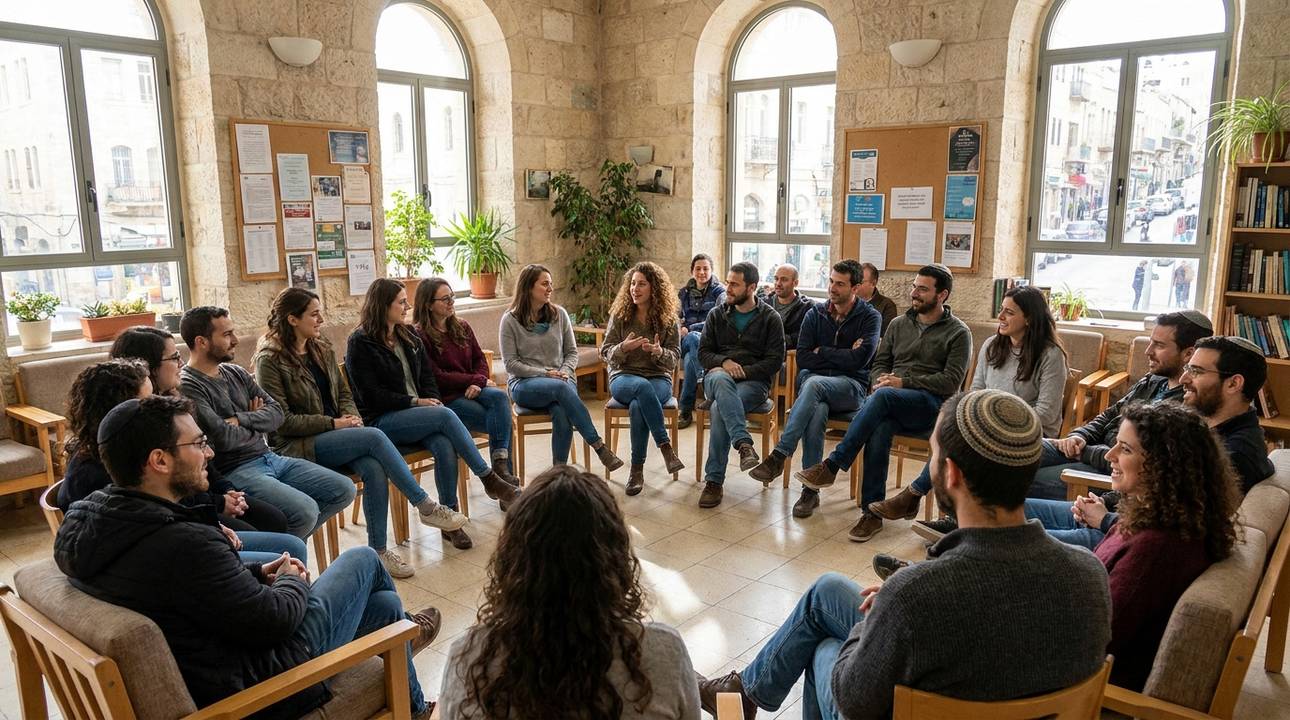
In Jewish tradition, Beracah serves as a metaphor for renewal and community strength. The account emphasizes how collective belief and gratitude can transform adversity. Praise and unity led to victory over the enemy.
It appears in discussions and teachings as an example of how unity and gratitude can lead to positive outcomes beyond expectation. This site remains a powerful symbol of how unity and gratitude can bring about remarkable change.
Theological Insights from Beracah
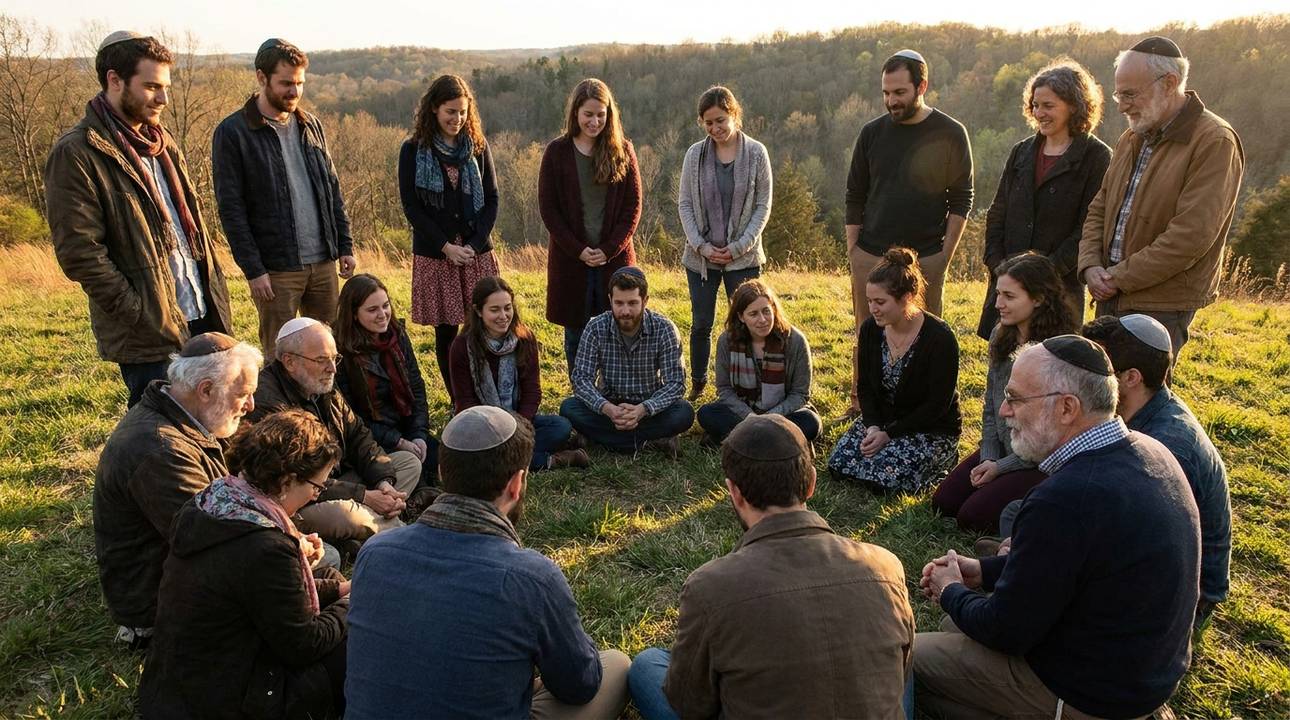
The site helps convey lessons about the power of collective trust in plans. The account of Jehoshaphat and the people of Judah illustrates how victories can come in many forms, often when least expected.
They faced a formidable enemy, yet through unity, they found triumph. Beracah represents themes of trust, gratitude, and the mysterious ways that challenges can turn into positive outcomes. It reminds us that community and unity can transform fear into celebration.
The account of Beracah also serves as a reminder of the importance of community and collective action in overcoming challenges. By coming together in faith and unity, the people of Judah were able to achieve a miraculous victory.
This occurrence highlights the enduring power of hope and the strength found in unity, inspiring future generations to trust in the power of collective belief during difficult times.
Lessons for Modern Life
Today, Beracah symbolizes hope and the potential for positive outcomes through unity and gratitude. Its lessons encourage people to face challenges with unity, finding positive outcomes even in adversity. Jehoshaphat’s triumph is still remembered. By remembering this narrative, individuals and communities can draw strength and inspiration for their own journeys. Beracah’s legacy is one of resilience, teaching that unity and belief can overcome any obstacle.
Conclusion: the Legacy of Beracah
In summary, Beracah stands as a timeless representation of faith’s potential to turn trials into triumphs. Whether through prayer, song, or community coming together, its message endures.
Jehoshaphat’s victory over Moab and Ammon, as recorded in 2 Chronicles 20, highlights this transformation. This site teaches that gratitude and faith are timeless virtues, able to bring about profound transformation.
It embodies the enduring power of hope and the strength found in unity.
Beracah is still remembered those who seek strength in times of challenge and uncertainty. Its account serves as a reminder of the power of faith and gratitude in overcoming adversity, emphasizing the importance of collective belief and unity. This enduring message of hope and transformation resonates with those who value the power of community and the strength found in shared purpose.
Understanding the Valley of Beracah
