
Discovering Anatot: A Historical Insight


Anatot, a village with deep historical roots, is closely linked to significant figures. Located just north of Jerusalem, it holds significant historical importance. Anatot is mentioned as a notable hometown, offering a unique glimpse into life and traditions of the time. This mention underscores its role in ancient narratives, reflecting themes of community and perseverance. Anatot is more than a mere geographic location; it serves as a sign of the enduring spirit of its people.
__INTRO__ Anatot’s cultural implications are profound, as it was a place where important messages were born and shared. Its strategic position near Jerusalem allowed it to be a hub of activity and communication. This proximity to the capital city provided a platform to deliver messages, which often called for renewal. The history of Anatot is further highlighted by its role as a significant city, designated for important figures. Its legacy is still remembered by those who seek to understand the depth of historical impact on Jewish history.
from the Western Wall to Masada.

Where Is Anatot Located?
Anatot is located in the tribal lands of Benjamin, approximately 3 miles north of Jerusalem. Its proximity to the capital city made it strategically significant. Known for its agrarian lifestyle, it provided resources to nearby areas. This fertile region allowed for the cultivation of crops and the raising of livestock, supporting the local economy. The location offered both safety and access, creating an environment where significant figures could contemplate and share their messages. Anatot’s geographical setting contributed to its historical importance as a crossroads for commerce and culture. It is mentioned as a dwelling place for important figures. The fertile lands of Anatot not only supported agriculture but also facilitated trade with neighboring regions. This economic activity contributed to its prosperity and integration into the broader Israelite society. Its strategic location near Jerusalem allowed it to serve as a hub for communication and exchange. Anatot’s role as a dwelling place for priests further underscores its spiritual significance. By providing a home for religious leaders, it became a center of spiritual and cultural life, influencing the religious practices and beliefs of the surrounding communities.
Anatot in the Bible
Anatot is famously known as the hometown of significant historical figures. This connection adds depth to Anatot’s legacy, making it a symbol of wisdom. During historical reigns, Anatot is mentioned as the place where significant events occurred. These narratives underscore its layered political significance. The narratives surrounding Anatot not only highlight its importance but also its role in the political landscape. Its association with key figures underscores its influence in shaping the discourse of the time. Anatot’s legacy as a center of activity and political intrigue continues to resonate today, showing the complexities of society. By examining these stories, we gain a deeper understanding of the forces that shaped the history and culture of the region.
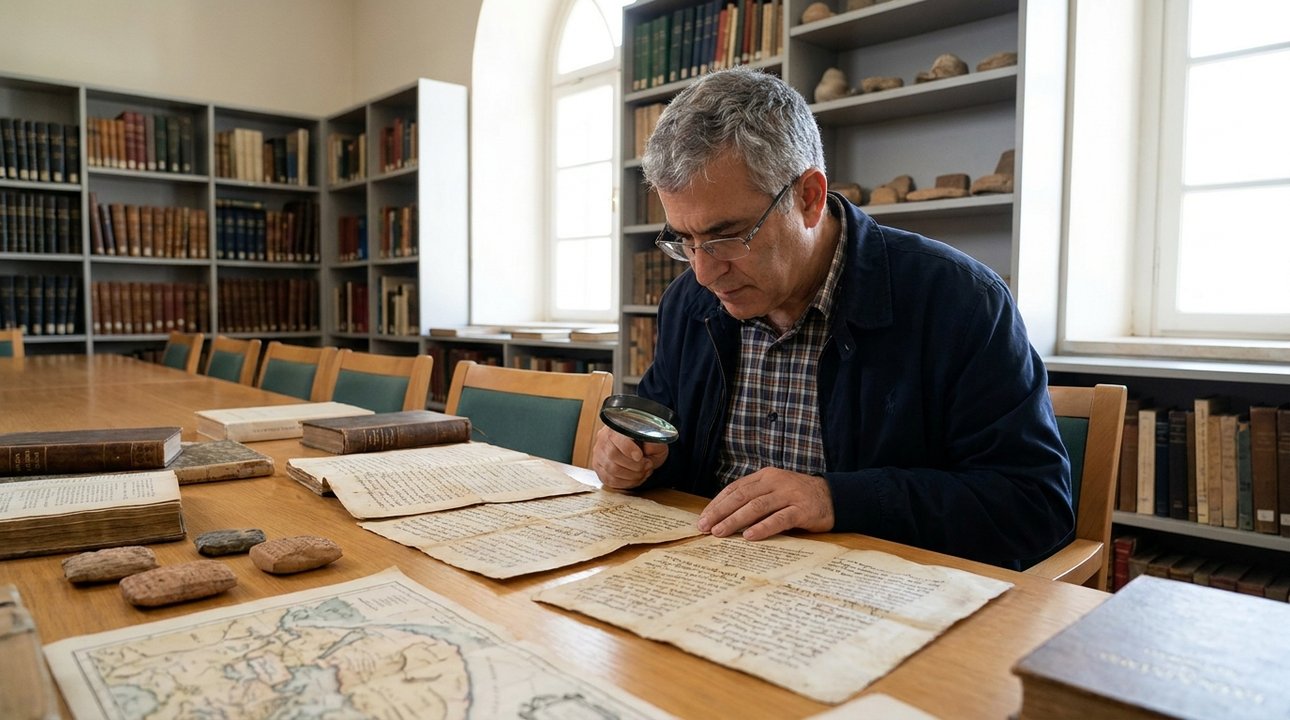
Anatot’s Archaeological Significance
Archaeological excavations at Anatot have uncovered a wealth of artifacts, including pottery and remnants of ancient structures. These discoveries provide a tangible connection to the past, showing daily life during historical times. The pottery found at the site dates back to the Iron Age, illustrating the long-standing human presence in the region. These archaeological finds reveal Anatot’s role in regional trade and daily activities, shedding light on its economic and cultural interactions. The artifacts suggest a blend of cultures, highlighting Anatot’s diverse community and its integration into the broader society. The blend of cultures at Anatot is evident in the variety of artifacts uncovered, which include items from different periods and influences. This diversity reflects its position as a crossroads for trade and cultural exchange. The remnants of structures suggest a community that was both agrarian and engaged in trade, contributing to the region’s economy. These archaeological insights enrich our understanding of Anatot’s function within the historical context. By studying these artifacts, historians can piece together the daily lives of its inhabitants, offering a window into the past that informs our present understanding of history.
Cultural Influence of Anatot
Anatot’s cultural contributions are established in its Judean heritage. It plays a part in the broader mix of Jewish history, showcasing themes of perseverance. References to Anatot evoke themes of prophecy and perseverance within Jewish thought. Its association with significant figures emphasizes the enduring nature of messages and their cultural impact across generations. This connection is further explored in historical texts, where Anatot is discussed in the context of its significance. The Talmudic discussions about Anatot highlight its spiritual importance, reinforcing its role as a center of prophetic activity. These teachings emphasize its legacy, illustrating how its stories continue to resonate within Jewish culture. Anatot’s association with Jeremiah serves as a reminder of the power of faith and perseverance. Its narratives inspire those who seek to understand the depth of prophetic wisdom and its influence on Jewish history. By exploring Anatot’s cultural contributions, we gain a deeper appreciation of the values that have shaped Jewish identity over the centuries.
from the Western Wall to Masada.
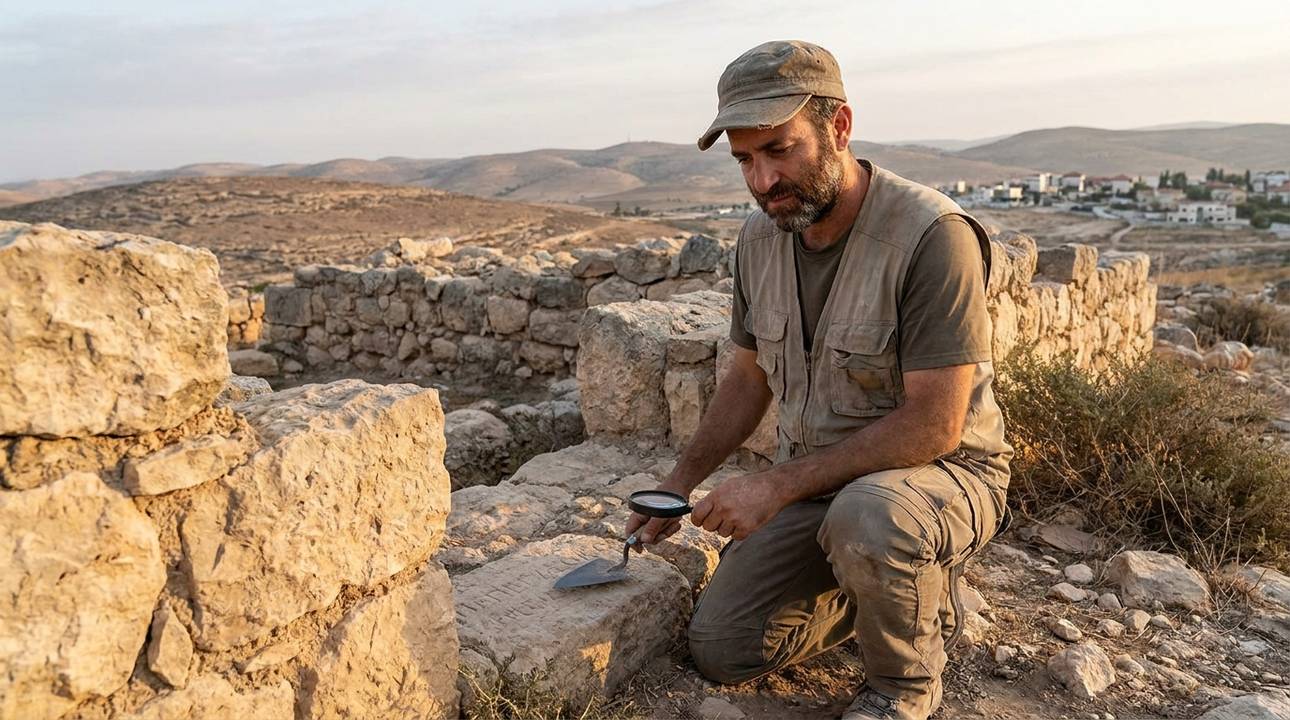
Anatot in Modern Times
Today, Anatot remains a site of interest for those exploring history. It stands as a sign of the mix of life that once flourished there, integrating ancient and modern narratives. Archaeologists have uncovered artifacts dating back to the Iron Age, providing tangible links to the past. Modern explorations of Anatot often focus on its archaeological discoveries. These elements narrate the continuous story of a place that holds a special place within Jewish history. The ongoing archaeological work at Anatot continues to reveal its historical layers, offering new insights into the daily lives of its ancient inhabitants. These discoveries enrich our understanding of its role in the broader context of society. By examining the artifacts and structures uncovered, historians can piece together the story of Anatot, providing a deeper appreciation of its significance in narratives. This exploration not only connects us to the past but also enhances our understanding of the cultural and historical forces that shaped the region.
How Anatot Inspires Today
Anatot’s legacy is still remembered in discussions on tradition. The symbolism associated with Anatot resonates with those who value heritage and history. By exploring Anatot, individuals connect with the timeless themes present in the narrative. This connection invites reflections on personal values and cultural continuity, bridging the past and present in meaningful ways. Its history is celebrated in Jewish educational programs, fostering a deeper understanding of its role in history.
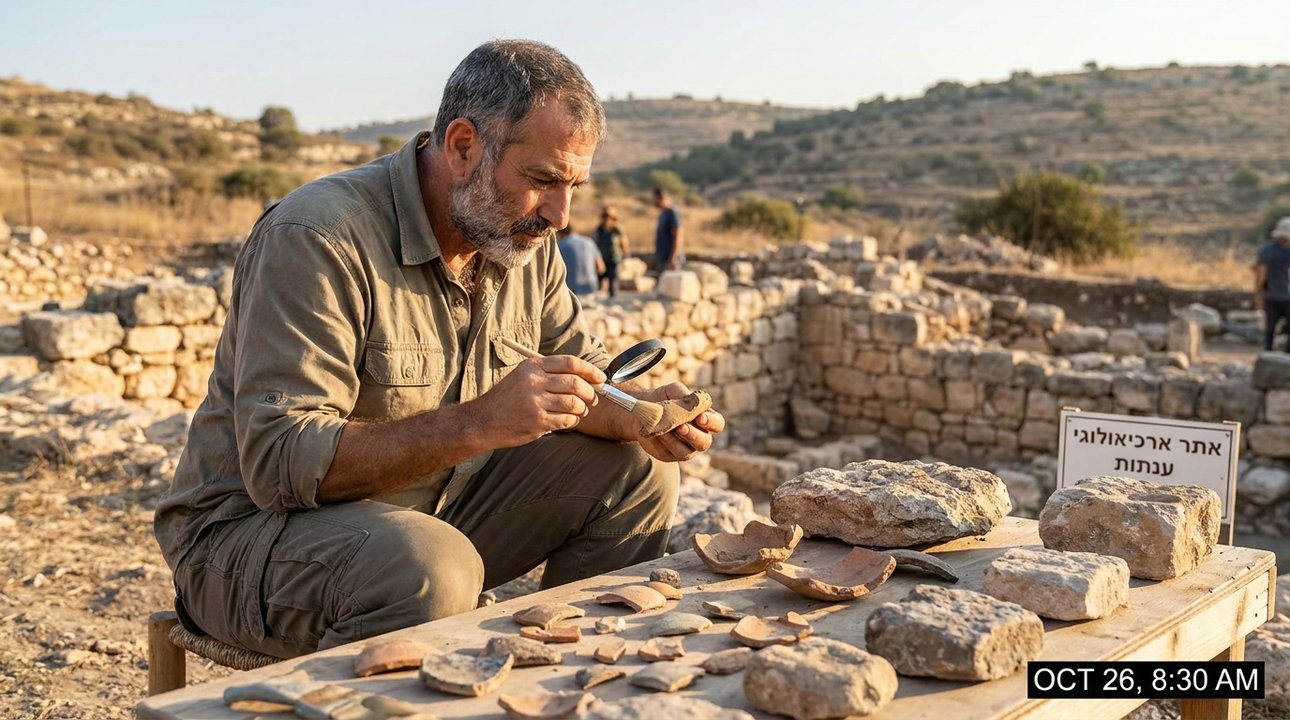
Anatot’s Role in Jewish Memory
Anatot’s historical and cultural relevance remains alive in Jewish memory. Its narratives are preserved in teachings, forming an essential part of collective identity. The lessons from Anatot provide insight into the values and historical experiences that shape Jewish life. Connection with Anatot allows individuals to engage with a place central to legacy and tradition. It embodies the spirit of continuity, linking past generations with the present. The stories of Anatot are shared during cultural festivals, keeping its legacy in Jewish culture. Anatot’s role underscores its significance. This designation highlights its importance in the landscape, serving as a sanctuary for those seeking safety and solace. The enduring connection to Anatot is evident in the way its stories are woven into the fabric of Jewish tradition. By preserving these narratives, the community ensures that the lessons and values of Anatot are still remembered and guide future generations. This ongoing engagement with the past strengthens the cultural and spiritual ties that bind the Jewish people.
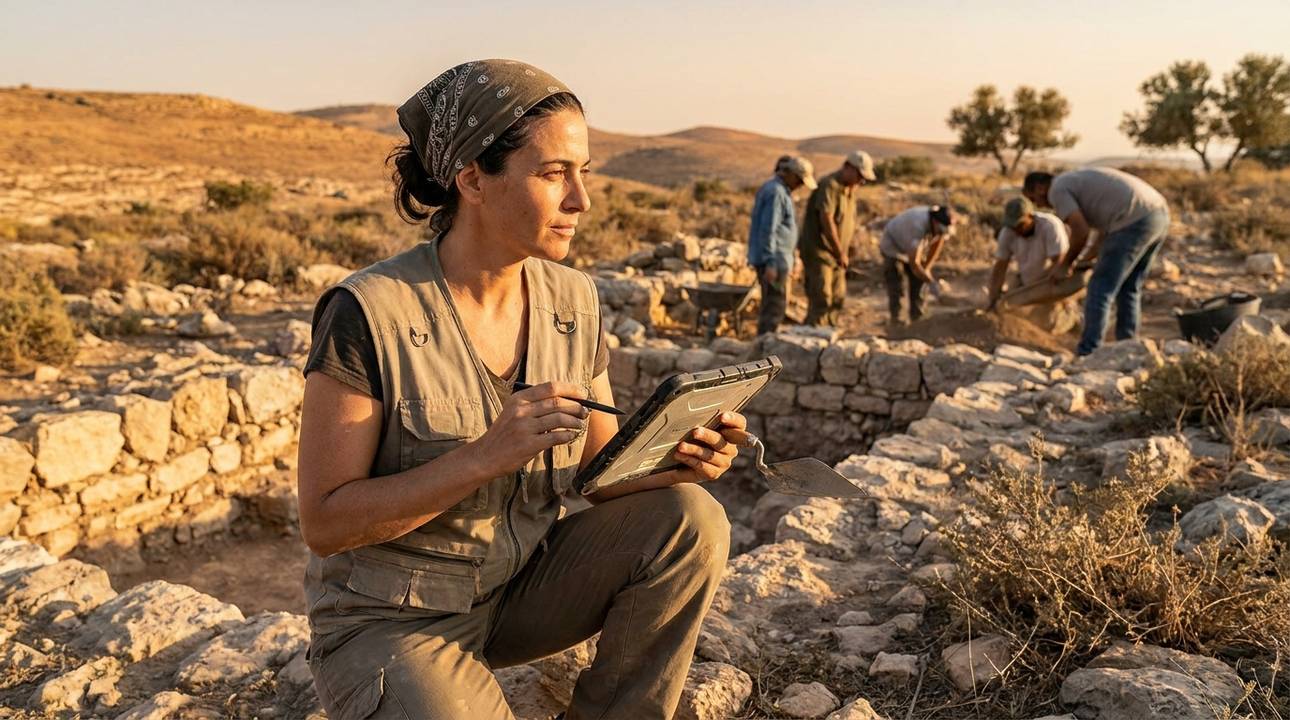
Exploring Anatot’s Stories
Exploring Anatot means delving into stories of courage and hope. Its ties to significant figures highlight personal courage and fortitude in facing adversities. These stories offer lessons relevant to anyone seeking understanding of history. Anatot’s narratives continue to be shared in educational settings, emphasizing their relevance and inviting further exploration. They provide a foundation for ongoing dialogue about the intersections of history and culture. The archaeological remains at Anatot, such as ancient pottery, offer a glimpse into the daily lives of its historical inhabitants. These artifacts provide tangible connections to the past, enriching our understanding of the cultural and economic activities that took place there. By studying these remains, historians can reconstruct the social and cultural dynamics of Anatot, showing the lives of those who lived there. Its stories and archaeological findings together create a mix of history that invites further exploration and appreciation of its significance in narratives.
