
Unraveling the history of Mikmash


Mikmash is a notable historical location, recognized for its military significance during key events.
Situated in the territory of Benjamin, Mikmash played a pivotal role in the battle against the Philistines. The Philistines camped at Mikmash, setting the stage for a major confrontation. This site was vital in defending the northern frontier, demonstrating its strategic importance.
The history of Mikmash is marked by its strategic position, enabling it to function as a military outpost, controlling essential routes and providing a defensive edge. Accounts of battles at Mikmash reveal insights into military strategies, highlighting the significance of terrain and positioning in warfare.
from the Western Wall to Masada.

The terrain of Mikmash, with its rugged hills and narrow passes, offered natural defense advantages. The site is mentioned in historical texts, underscoring its continued importance in later periods.
Mikmash’s strategic location allowed it to control the routes leading to Jerusalem and the central highlands, making it a focal point in regional power struggles.
Mikmash’s significance is further highlighted by its role in historical battles. Its narrow passes and rugged terrain made it ideal for ambushes and guerrilla tactics. Leaders used these advantages to attack opposing forces, creating confusion and fear. This event underscores the importance of understanding and utilizing terrain in military strategy, a lesson that resonates through history.
What Is Mikmash in Historical Context?
Mikmash is known for its strategic location. Situated in the tribal territory of Benjamin, it was crucial in defense against invading forces.
The most notable event associated with Mikmash is a battle where it served as a critical military campsite. This location was essential for strategies due to its proximity to major valleys and ridges.
Mikmash’s mention helps historians understand the military tactics used in past eras. The town’s geographic features made it a valuable asset in warfare, echoing its historical importance.
Where Is Mikmash Located Today?
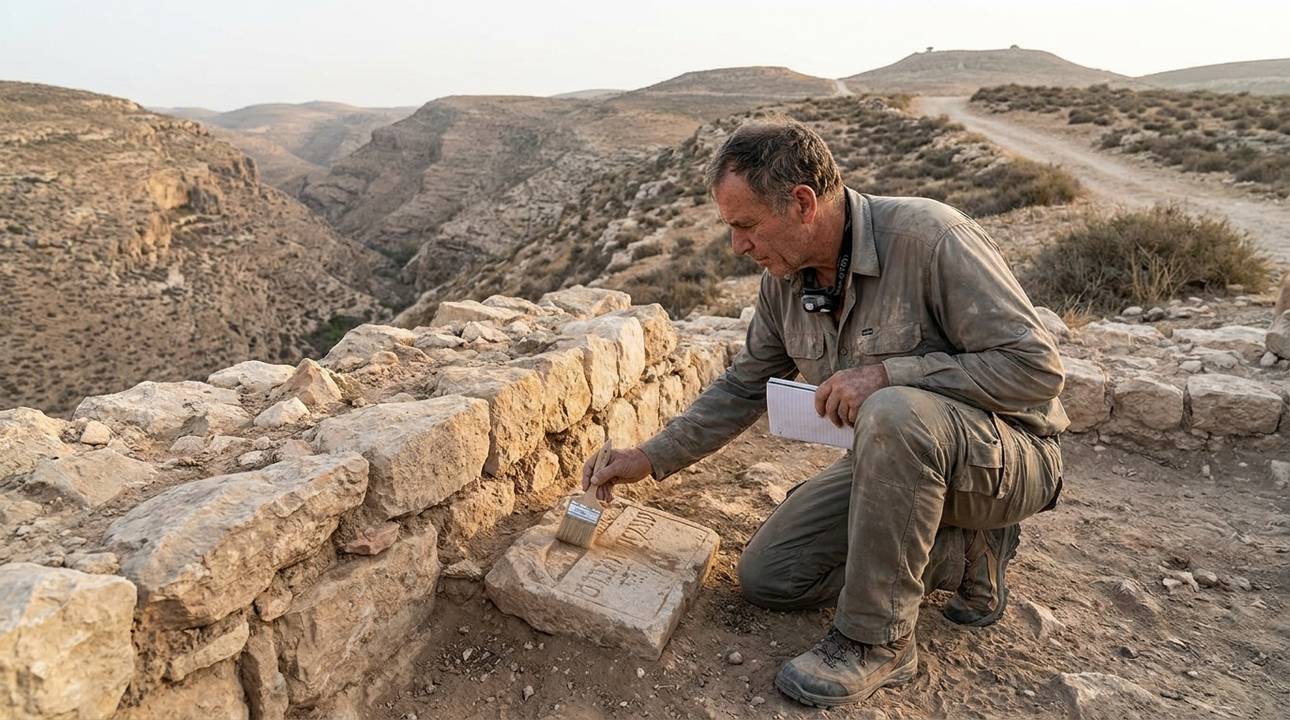
Today, the archaeological site believed to be Mikmash is identified with modern Mukhmas, located northeast of Jerusalem. This alignment is based on historical texts correlating the locations.
The area is part of the West Bank, with landscapes that have remained largely unchanged over centuries. Explorers and archaeologists have debated its exact positioning, but findings continue to support its historical relevance.
Such explorations have uncovered artifacts pointing to its significance as a military site.
The identification of Mikmash with modern Mukhmas is supported by various archaeological discoveries, including pottery and fortifications that align with historical descriptions.
These findings provide a tangible link to the past, allowing historians and archaeologists to piece together the site’s role in military and cultural history. The ongoing research continues to shed light on the significance of Mikmash in historical narratives.
Mikmash and the Battle of Saul
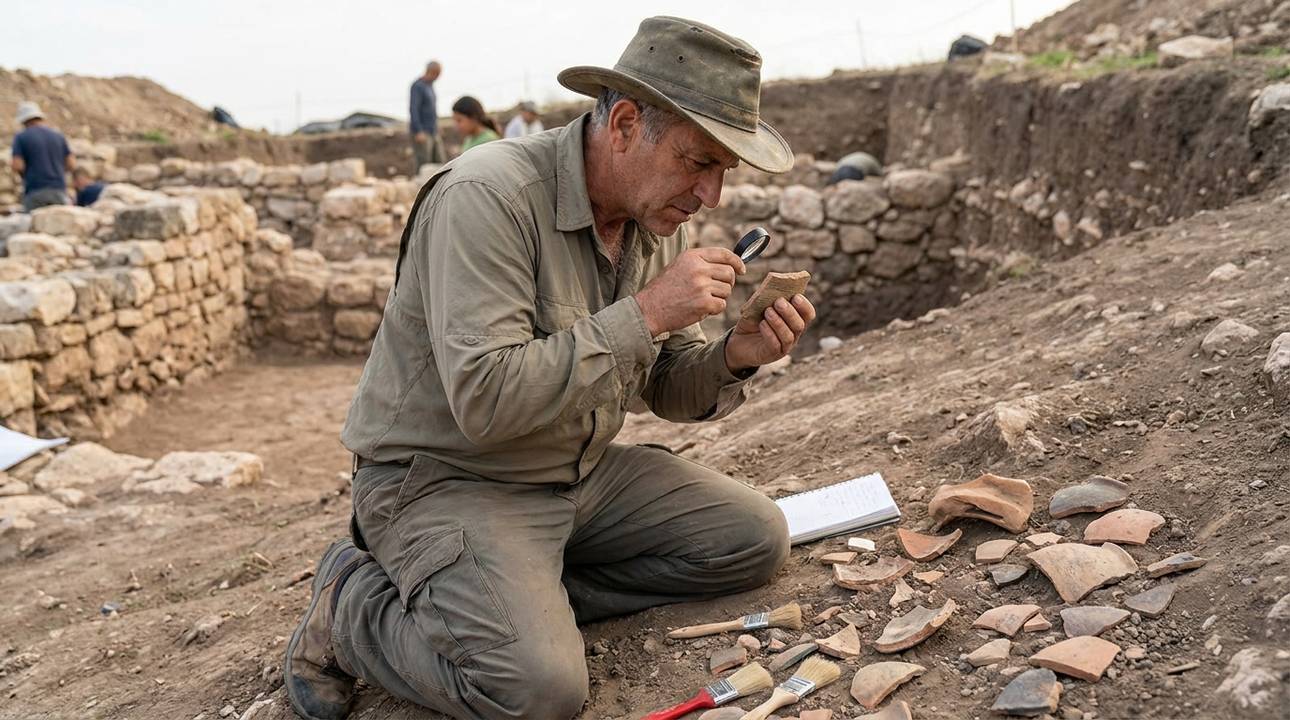
The battle at Mikmash is a landmark event in its history. According to historical records, notable bravery was demonstrated at this site.
The terrain of Mikmash, featuring narrow passes and ridges, favored guerrilla tactics, which were effectively used. The daring attack led to confusion and fear among opposing forces, providing a momentary advantage. This story symbolizes the tenacity and courage often emphasized in historical narratives, capturing the essence of strategic warfare.
The actions at Mikmash are often cited as a classic example of leadership and bravery. The account highlights determination and belief in victory, even against greater numbers. The ability to inspire and take decisive action in challenging circumstances is a testament to leadership and strategic thinking. This narrative is still remembered as lessons in courage and resourcefulness in military studies.
The attack at Mikmash exemplifies how terrain can be used to an army’s advantage. The narrow passes forced opposing forces into a difficult position, allowing for effective strikes. The account highlights determination and belief in victory despite being outnumbered. This event is a sign of strategic thinking and courage in overcoming seemingly insurmountable odds, demonstrating the effectiveness of surprise tactics.
The story of Jonathan at Mikmash also emphasizes the importance of confidence and trust in one’s abilities. Jonathan’s belief that “nothing can hinder” the Israelites from achieving victory, regardless of their numbers, showcases his unwavering confidence and strategic acumen.
This narrative has been used in military studies to illustrate how innovative tactics and bold leadership can turn the tide in battle, even when facing a superior force.
Mikmash in Archaeological Studies
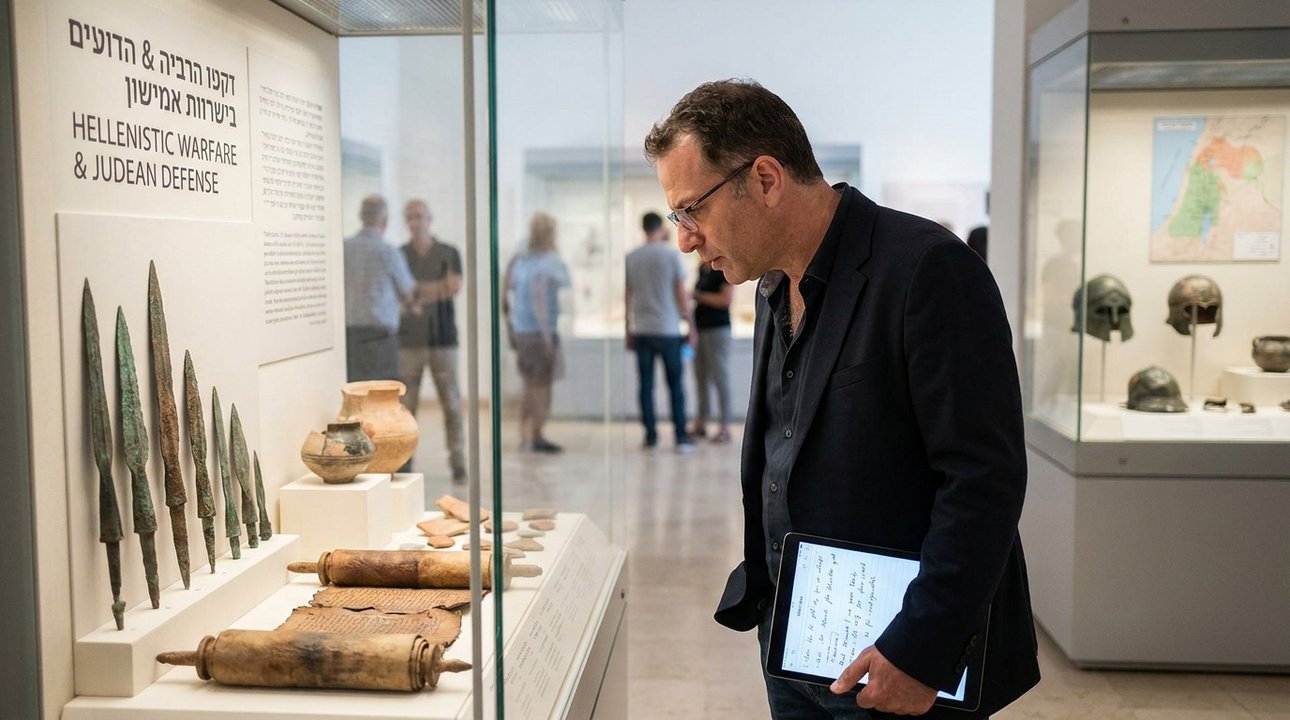
Archaeological interest in Mikmash has provided insights into the town’s ancient livelihood. Surveys in the area have uncovered pottery, remnants of ancient dwellings, and traces of fortifications. These findings align with the town’s described military prominence.
The discoveries add credence to the historical accounts depicted in records. Archaeological studies continue, offering a clearer picture of life in ancient Mikmash. Excavations have revealed artifacts dating back to the Iron Age, providing a tangible link to its past.
The pottery found at Mikmash includes examples of typical ware, indicating a thriving community engaged in daily life and trade. The fortifications suggest a need for defense against frequent incursions by neighboring groups.
These archaeological findings help historians piece together the daily lives of the inhabitants, their economic activities, and their interactions with surrounding regions. The evidence supports the depiction of Mikmash as a fortified town of strategic importance, reflecting its role in regional trade networks.
The discovery of storage jars and cooking pots at Mikmash provides a glimpse into the domestic life of its ancient inhabitants. These artifacts suggest a community that was not only concerned with defense but also with sustaining a stable and prosperous lifestyle.
The presence of such items indicates trade connections with nearby regions, highlighting Mikmash’s role in the broader economic landscape of the region.
from the Western Wall to Masada.
How Mikmash Relates to Other Historical Towns
Mikmash is often mentioned along with other towns within the tribe of Benjamin’s territory. Its proximity to Ai and Bethel highlights its strategic importance. Together, these towns formed a defensive cluster essential for safeguarding the region.
They are often referenced collectively in military contexts throughout historical texts. Understanding Mikmash’s relation to these towns helps map the broader geopolitical landscape of the region. The cluster’s role was pivotal during conflicts, as seen in historical accounts where Ai was a focal point.
The connection between Mikmash, Ai, and Bethel is significant in understanding the military strategies of the region. These towns worked together to form a defensive network that protected the central highlands.
The strategic importance of this cluster is evident in various historical accounts, where their collective strength was crucial in maintaining control over the region. This network illustrates the importance of collaboration and strategic planning in ancient warfare.
The proximity of Mikmash to Bethel underscores its importance in the defense and administration of the region. Bethel was a central location for governance.
Mikmash’s strategic position allowed it to serve as a buffer, protecting these vital centers from external threats. This network of towns was crucial in maintaining the stability and security of the territory controlled by the tribe of Benjamin.
The relationship between Mikmash and Bethel is also highlighted in historical accounts, illustrating the interconnectedness of these towns in the political life of the region.
The strategic positioning of Mikmash as a defensive outpost ensured that the heartland remained secure, allowing for the flourishing of cultural practices.
Mikmash in Modern Culture
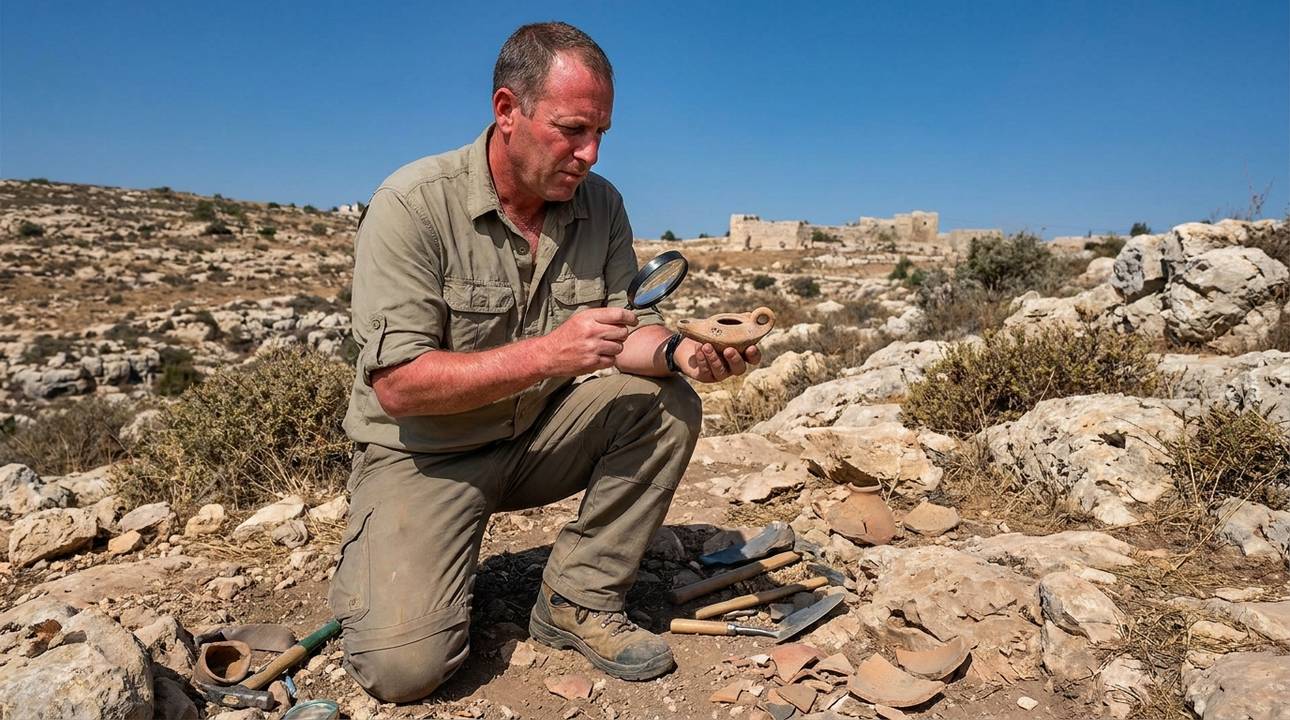
Mikmash finds occasional mention in literature and historical studies discussing narratives. Its representation is often as a symbol of strategic wisdom and ancient warfare. Popular culture, especially in educational contexts, refers to Mikmash when exploring victories of underdog forces.
This illustrates its role as an enduring symbol of tactical brilliance. The stories of Mikmash inspire contemporary narratives of courage against overwhelming odds. The tale of bravery at Mikmash is a classic example of this theme.
The story of Mikmash and the daring attack is often used in educational settings to illustrate themes of courage and strategic innovation. This narrative serves as a powerful example of how determination and clever tactics can lead to victory. The legacy of Mikmash in literature and history highlights its significance as a symbol of ingenuity, inspiring future generations to learn from its lessons.
In educational materials, Mikmash is frequently highlighted as a case study in military strategy. The account of the attack on the Philistine garrison at Mikmash is used to demonstrate the effectiveness of surprise and terrain in warfare. This story is not only a sign of courage but also to the ingenuity and resourcefulness that characterized military leaders. Such narratives continue to resonate, offering lessons in leadership and strategy, emphasizing the value of tactical innovation.
The lessons drawn from Mikmash extend beyond military strategy. They offer insights into the broader themes of leadership and resilience. Jonathan’s ability to inspire his men and execute a bold plan underlines the importance of morale and decisive action.
These themes are explored in various leadership courses, where the story of Mikmash serves as a powerful example of overcoming adversity through strategic planning and courageous execution.
Conclusion: Mikmash’s Legacy in Historical Context
In summary, Mikmash stands out as a site of historical and military importance. Its strategic location, memorable battles, and archaeological findings paint a comprehensive picture of its past. Understanding Mikmash offers valuable insights into tactical prowess.
The enduring stories associated with Mikmash continue to add depth to history. Its legacy remains a part of the broader narrative that connects the land and its people. The site serves as a reminder of the determination that defined earlier times.
Mikmash’s role in history is further underscored by its mention in various texts, where it is part of a route taken by invading forces. This highlights its continued relevance in the region’s military history. The archaeological and historical evidence from Mikmash enriches our understanding of the narrative, providing a tangible connection to the events described in the records. It remains a symbol of strategic importance and historical continuity, reflecting the legacy of its location.
The continued mention of Mikmash in texts underscores its strategic significance throughout history. Its location along key military routes made it a focal point for both defense and invasion.
The archaeological findings, including fortifications and artifacts, provide a deeper understanding of the site’s role in ancient warfare and its impact on the surrounding regions, offering a window into the past that aligns with historical accounts.
Understanding Mikmash
