
Exploring the Historical Significance of Shechem
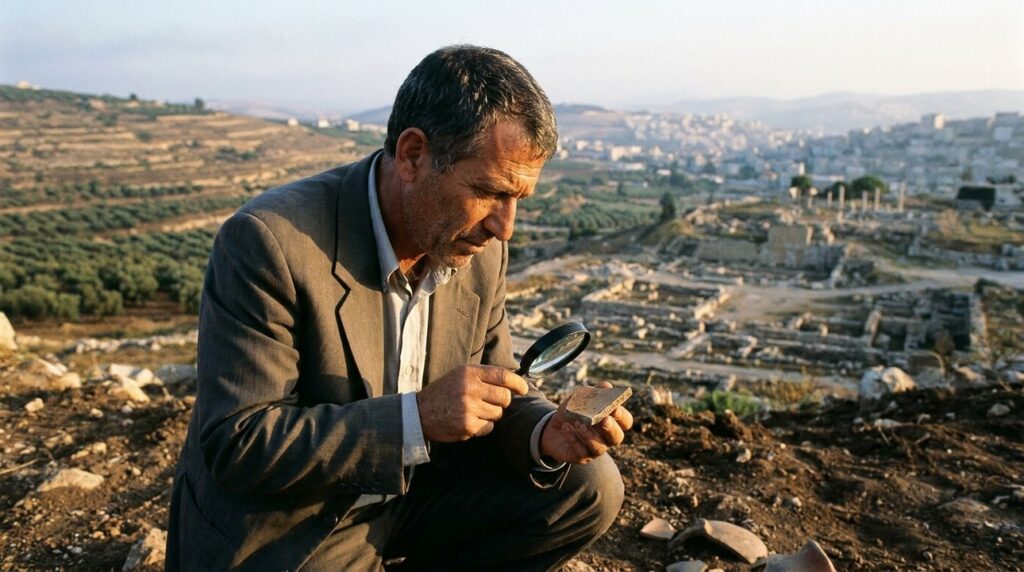

Shechem is a city with a long and storied history. This ancient site has been the backdrop for events that have influenced Jewish tradition.
Join us as we explore the stories and significance of Shechem, examining its influence from past to present-day relevance. From its role in the stories of Abram and Jacob to its mention in the covenant renewal, Shechem’s history is rich and multifaceted.
The city’s historical and cultural impact continues to resonate, offering insights into the heritage of the region. As we journey through Shechem’s past, we uncover layers of history that connect us to the figures and events that have shaped Jewish identity. This exploration invites reflection on Shechem’s role in Jewish tradition.
from the Western Wall to Masada.
The Geographic Significance of Shechem
Situated in a fertile valley between Mount Gerizim and Mount Ebal, Shechem occupied a strategic position.
This central location made it a crossroads for trade routes, contributing to its significance in regional politics and trade throughout history. The valley’s fertility supported agriculture, making Shechem a vital center for food production and distribution.
The proximity to Mount Gerizim and Mount Ebal also held cultural value, as these mountains were sites of historical events.
Shechem’s location allowed it to serve as a meeting place for tribes, where the Israelites gathered to renew their covenant. This strategic and cultural role made Shechem a focal point in historical narratives.
Shechem’s geographic prominence is mirrored by its frequent appearances in historical texts.
In Judges 9, it is the site of Abimelech’s rise and fall, illustrating its role in early governance. Its location made it a natural meeting place, where tribes gathered to renew their covenant.
Its role as a meeting place and point of reference in pivotal events highlights the city’s importance in the cultural and historical landscape.
Shechem’s strategic location facilitated its involvement in significant narratives, contributing to its reputation as a center of power and influence. These stories emphasize the city’s relevance in Jewish history.
The city’s terrain, rich in resources, supported agriculture and habitation for millennia. Shechem’s historical role has remained, spanning from early civilizations to modern interests.
The fertile land allowed for the cultivation of crops, sustaining its population and contributing to its prosperity. This abundance is reflected in historical descriptions, where flocks are tended near Shechem.
As we delve deeper, the tangible connections between Shechem’s geography and its historical narratives will unfold.
The city’s location and resources made it a desirable settlement, attracting various groups throughout history. This enduring appeal is evident in its continued mention in stories and its archaeological remains, which offer insights into its past.
Shechem in the Hebrew Bible
Shechem’s significance in historical texts is profound. It first appears when Abram journeys through the land and builds an altar.
This altar signifies Shechem as a place of worship and covenant, grounding it as a sacred site in tradition. Later, it becomes the site of a covenant renewal ceremony, reinforcing its role as a spiritual and communal center.
The covenant renewal at Shechem highlights its importance as a place of commitment and unity.
This event, where tribes gather to reaffirm their dedication, underscores Shechem’s role as a unifying location for the Israelites. The city’s cultural role is further emphasized by its frequent mention in historical texts, marking it as a cornerstone of Jewish heritage.
The city is again spotlighted in the narrative of Jacob. His family moves to Shechem, an event that underscores the city’s role in the patriarchal stories.
A well, a celebrated location, is traditionally associated with this area, deepening Shechem’s historical roots. This well is mentioned where Jacob purchases land and sets up an altar, highlighting Shechem’s continued importance in his family’s journey.
The significance of the well extends beyond the patriarchal narratives, as it symbolizes the connection between the past and present.
The well remains a site of historical interest, reflecting the enduring legacy of Shechem in heritage. The city’s association with historical figures adds layers to its cultural relevance, making it a place of pilgrimage and reflection.
Shechem also features in the story of Joseph. Joseph seeks his brothers in Shechem, setting the stage for consequential events.
This encounter leads to Joseph being sold into slavery, a pivotal moment that ultimately results in the Israelites’ migration to Egypt. Shechem, as a setting, weaves together the familial narratives that shape broader themes.
This city is thus a backdrop for stories of betrayal, redemption, and providence, central to historical teachings.
Shechem’s role in historical narratives highlights its significance as a place where pivotal decisions and events unfold. The city’s presence in these narratives underscores its importance in the unfolding of Israel’s history and its influence on subsequent generations.
Archaeological Discoveries in Shechem
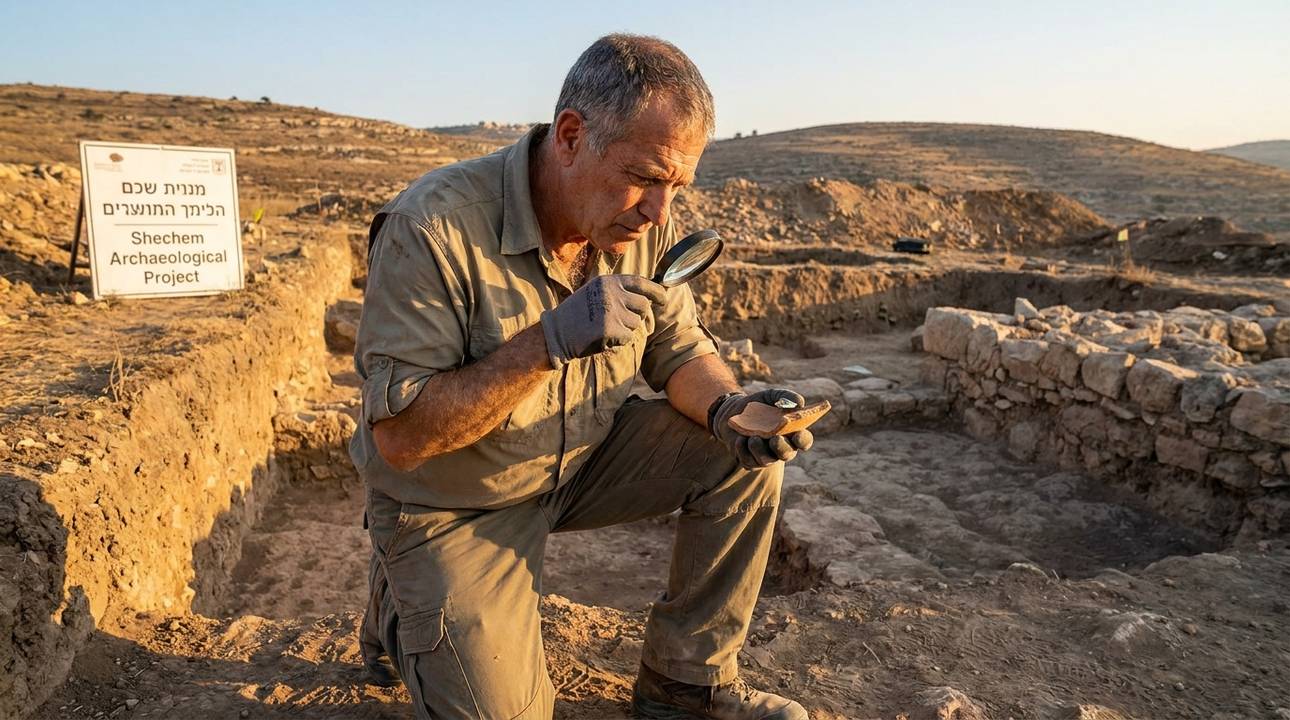
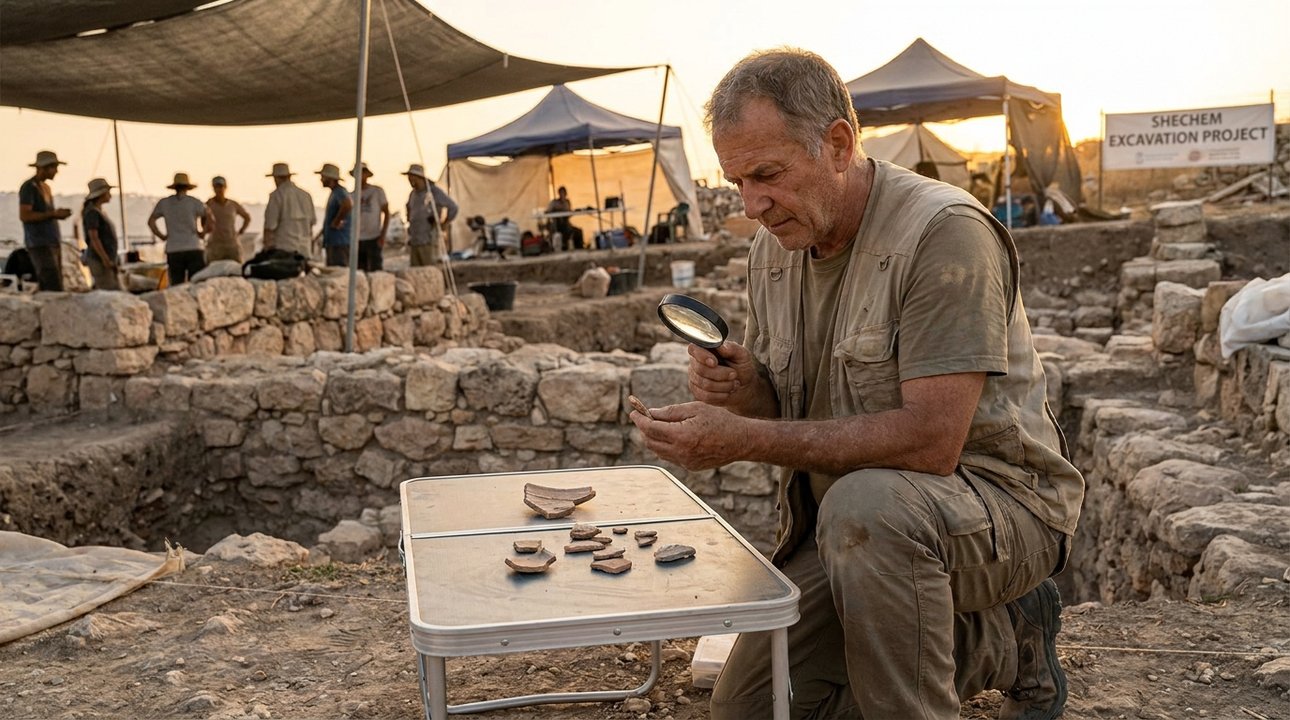
Shechem’s archaeological sites offer valuable insights into its past. Excavations have uncovered structures dating back to the Canaanite and Israelite periods.
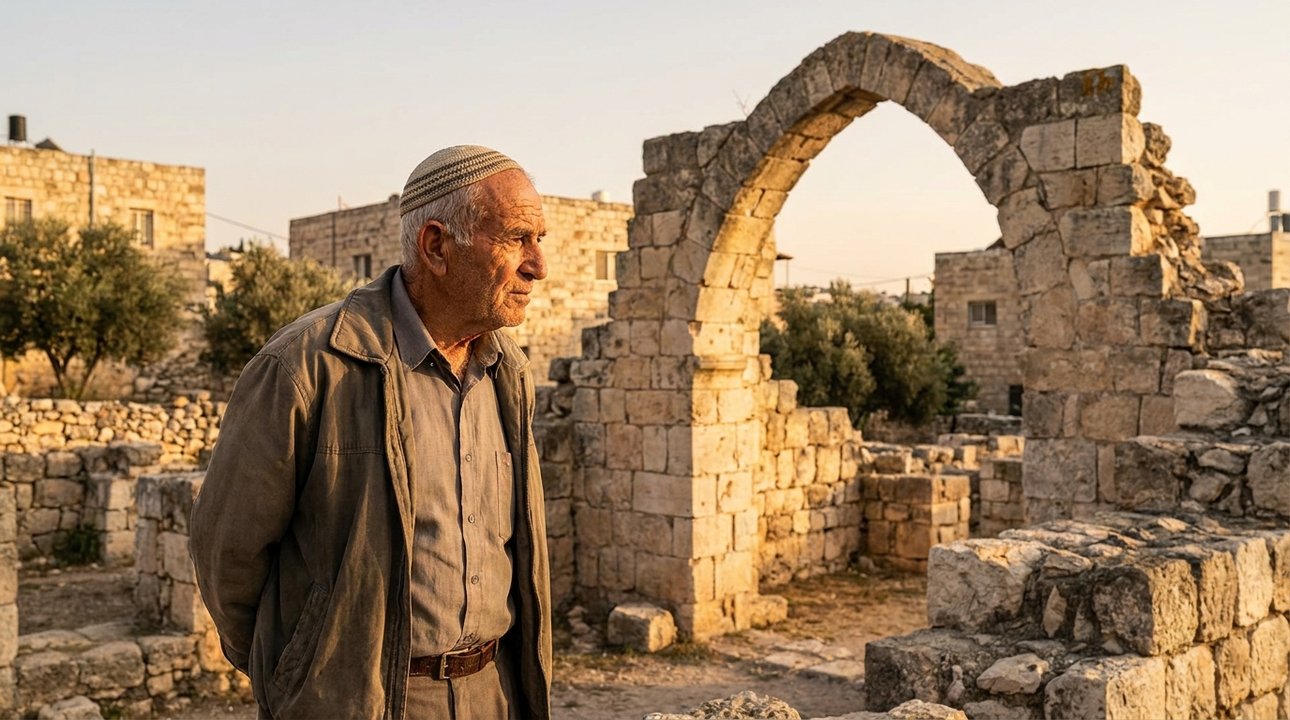
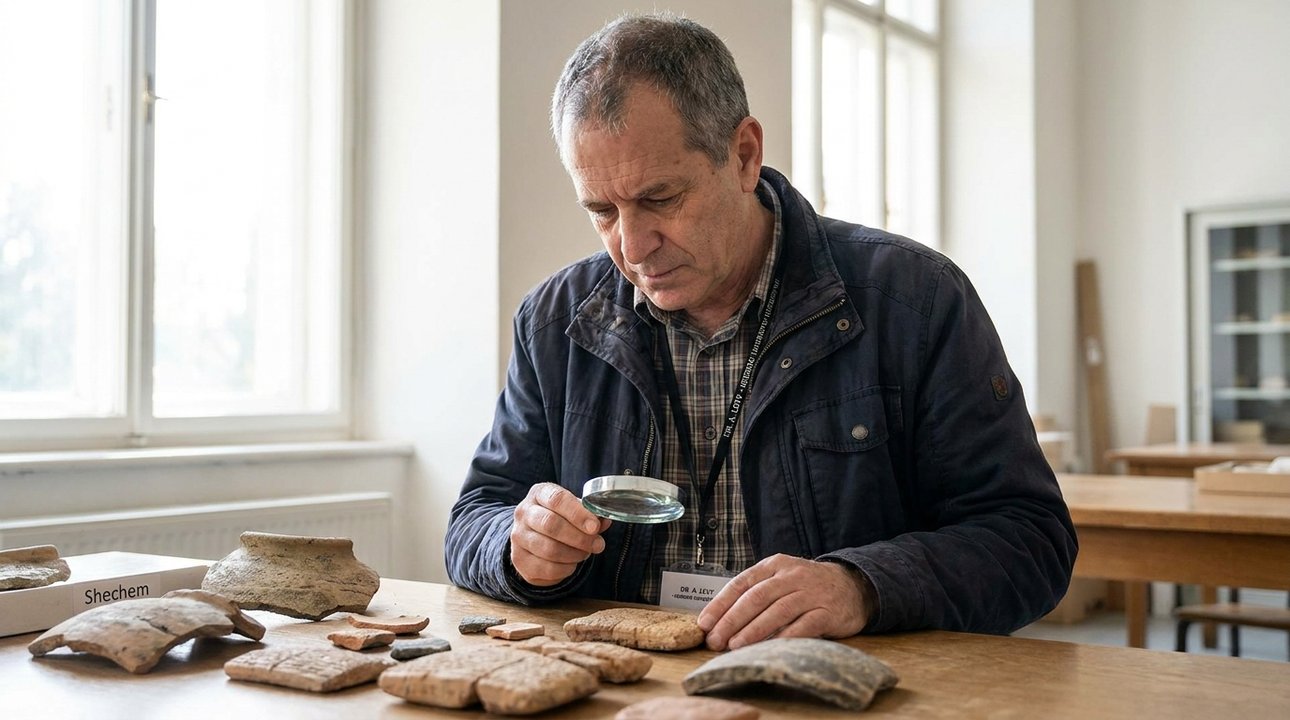
Among the discoveries are remnants of ancient walls and gates, providing a glimpse into the city’s fortifications. Archaeologists have also unearthed pottery and tools that reflect the daily life of its inhabitants, connecting us to the stories of people who once walked these lands.
The artifacts unearthed offer tangible connections to the narratives and historical records of early civilizations. For example, the discovery of altars and cultural artifacts aligns with Shechem’s role as a spiritual center. Such discoveries help us understand the cultural practices and role of Shechem in historical times.
from the Western Wall to Masada.
The discovery of significant fortifications, temples, and artifacts speaks to Shechem’s role as an administrative and religious center.
These excavations include the remains of a large temple, possibly linked to the worship practices of the time. The presence of administrative buildings suggests Shechem was a hub of governance, as supported by its mention in Judges 9 as a place of political activity.
Excavations provide a glimpse into the life and culture of its early inhabitants, supporting its portrayal as a city of great influence.
Artifacts such as seals and inscriptions offer evidence of trade and communication with neighboring regions. These discoveries highlight Shechem’s importance as a crossroads for cultural and economic exchange, reinforcing its strategic significance in history.
Ongoing archaeological work continues to reveal new aspects of Shechem’s historical continuum. Excavations have uncovered structures dating back to the Middle Bronze Age, providing insights into its early urban planning. Artifacts like pottery and inscriptions offer a glimpse into the daily life and governance of its past inhabitants. Understanding these layers enriches our appreciation for both the place itself and its significance in the broader historical context.
Shechem in Later Jewish Thought
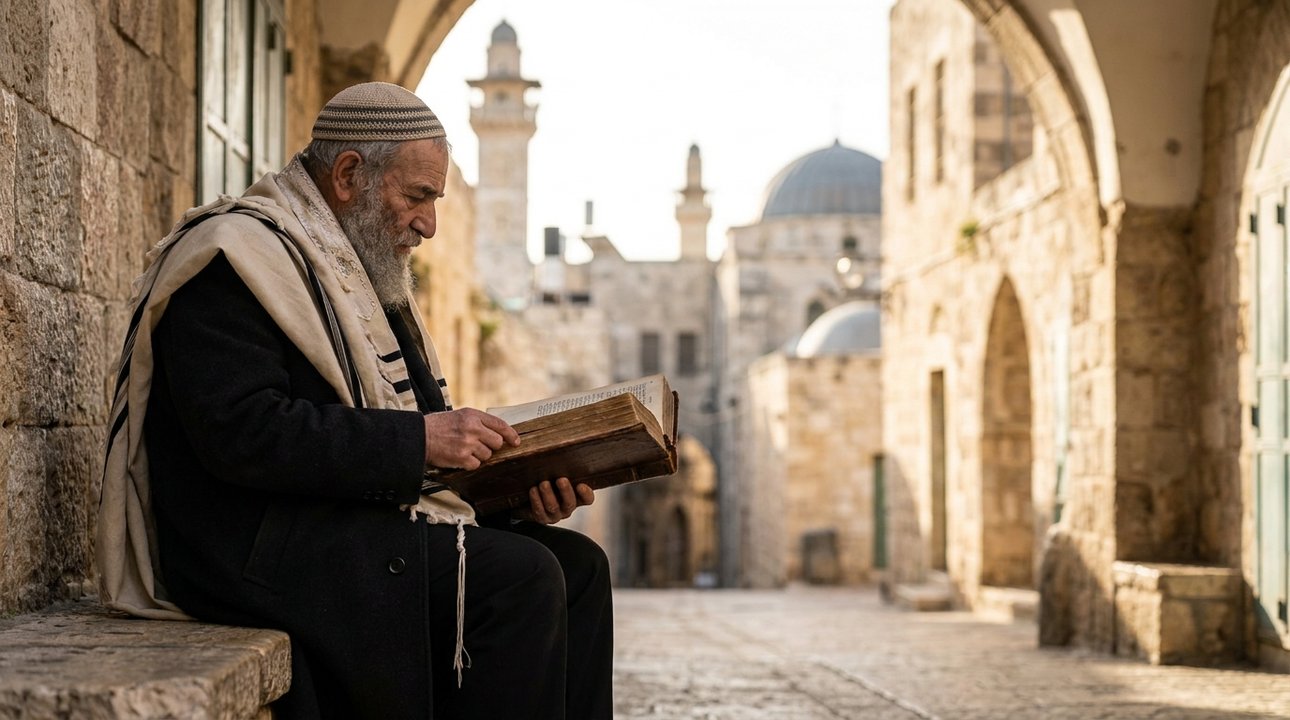
In rabbinic texts, Shechem is remembered not only for its past but also as a symbol of transformation and redemption.
The story of Dinah, where Shechem is a site of conflict, is reinterpreted in rabbinic literature to highlight themes of justice and reconciliation. The rabbinic writings often reflect on Shechem’s complex character and role as a site of both conflict and covenant.
Rabbinic interpretations of Shechem often focus on its dual nature as a place of turmoil and renewal.
The city’s history of conflict, as seen in the story of Dinah, is balanced by its role in covenant-making, illustrating the potential for healing and unity. These themes resonate in Jewish teachings, offering lessons on justice and the power of reconciliation.
Throughout Jewish history, Shechem’s legacy has been preserved in liturgy and thought, serving as a symbol of efforts and hope. The city is referenced in prayers and teachings that emphasize the enduring connection between the Jewish people and their historical lands. Shechem’s role in narratives underscores its cultural role. It remains a poignant reminder of the enduring connection between the Jewish people and their ancestral lands.
The continued recognition of Shechem in Jewish teachings and rituals underscores its lasting impact on Jewish heritage.
In the Torah, Shechem is where the Israelites renewed their covenant. This event highlights its role as a place of commitment and unity. Shechem’s mention in the Talmud also reflects its enduring cultural relevance.
This makes Shechem not only a place of history but also a deeply ingrained part of cultural identity. The city’s legacy is preserved through its inclusion in religious texts and teachings, ensuring its stories and lessons remain relevant. Shechem’s role in the covenant renewal and its mention in Jewish law illustrate its importance as a symbol of faith and unity.
Cultural Legacy of Shechem
Shechem’s influence extends into cultural narratives and historical writings, engaging scholars and historians.
The city’s dynamic history and associations offer a fascinating field of study for those interested in antiquity and heritage. Shechem’s role in events like the division of the kingdom provides valuable insights into the socio-political dynamics of early Israel.
The study of Shechem offers a view into the complexities of early society and governance.
Its mention in historical texts and records highlights its significance as a center of power and influence. Scholars continue to explore Shechem’s contributions to the development of tradition and its impact on the broader historical narrative.
Folk songs, literature, and art continue to draw inspiration from Shechem’s storied past, reflecting its enduring presence in cultural consciousness.
The narratives from Shechem create a bridge between the ancient and modern worlds, keeping its stories alive. Works by poets and artists often evoke Shechem’s historical moments, such as the covenant renewal in Joshua 24, to explore themes of faith and identity.
Shechem’s influence in cultural expressions highlights its lasting impact on identity and heritage. Through various art forms, the city’s stories are retold and reimagined, preserving its legacy for future generations. These creative works serve as a sign of Shechem’s role in shaping cultural narratives and its continued relevance in contemporary discourse.
Understanding Shechem’s cultural legacy helps us appreciate the depth of its influence across time.
Shechem is mentioned in early texts, where an altar is built, marking it as a place of worship. This act sets the stage for its ongoing cultural role. Shechem’s role as a city of refuge further emphasizes its importance in providing safety and sanctuary.
Its significance is not confined to historical texts but lives on through its contributions to culture and identity.
Shechem's Historical Role
