
Exploring the History and Significance of Mount Zalmon


Mount Zalmon is a fascinating location mentioned in historical texts. Known for its dense forests and historic events, it provides a glimpse into the mix of history. Abimelech used the wooded terrain of Mount Zalmon to his advantage, highlighting its strategic importance. This mountain, with its lush vegetation, served as a natural fortress and a site of significant events. For those interested in historical locations, Mount Zalmon holds particular intrigue due to its recurring appearances in sacred texts, inviting further exploration and study.
What Is Mount Zalmon?
Mount Zalmon appears in historical narratives, described as a wooded area where crucial events unfolded during Abimelech’s reign. This mountain, enveloped in mystery, offers a unique insight into ancient strategies and natural fortifications.
Abimelech used the mountain’s resources to gather wood for his campaign against the city of Shechem, demonstrating its strategic importance. Scholars and readers are drawn to its mention as it signifies the intertwining of geography and history.
from the Western Wall to Masada.
However, it is traditionally associated with the region near Shechem, underscoring its role in the territorial dynamics of the past. Its mentions enrich our understanding of how natural landmarks were woven into the fabric of historical narratives. The strategic use of Mount Zalmon by Abimelech also highlights the mountain’s significance in military tactics of the time, providing a window into the past strategies employed by leaders of that era. This historical context adds depth to its importance, showing the era’s complex political landscape.
Mount Zalmon’s Historical Appearances
References to Mount Zalmon are few but impactful. It is highlighted as a strategic location where Abimelech gathered timber to destroy his adversaries. This action at Zalmon marked a pivotal moment in Abimelech’s attempts to consolidate power.
The presence of dense forests added to Zalmon’s strategic value, providing both resources and refuge. This natural setting has captured the imagination of many, making it an emblematic piece of the landscape.
These texts highlight Zalmon’s dual role as both a physical location and a symbolic representation of power and judgment, demonstrating the way natural features were interpreted within the political realms of the time.
The Geographical Significance of Mount Zalmon
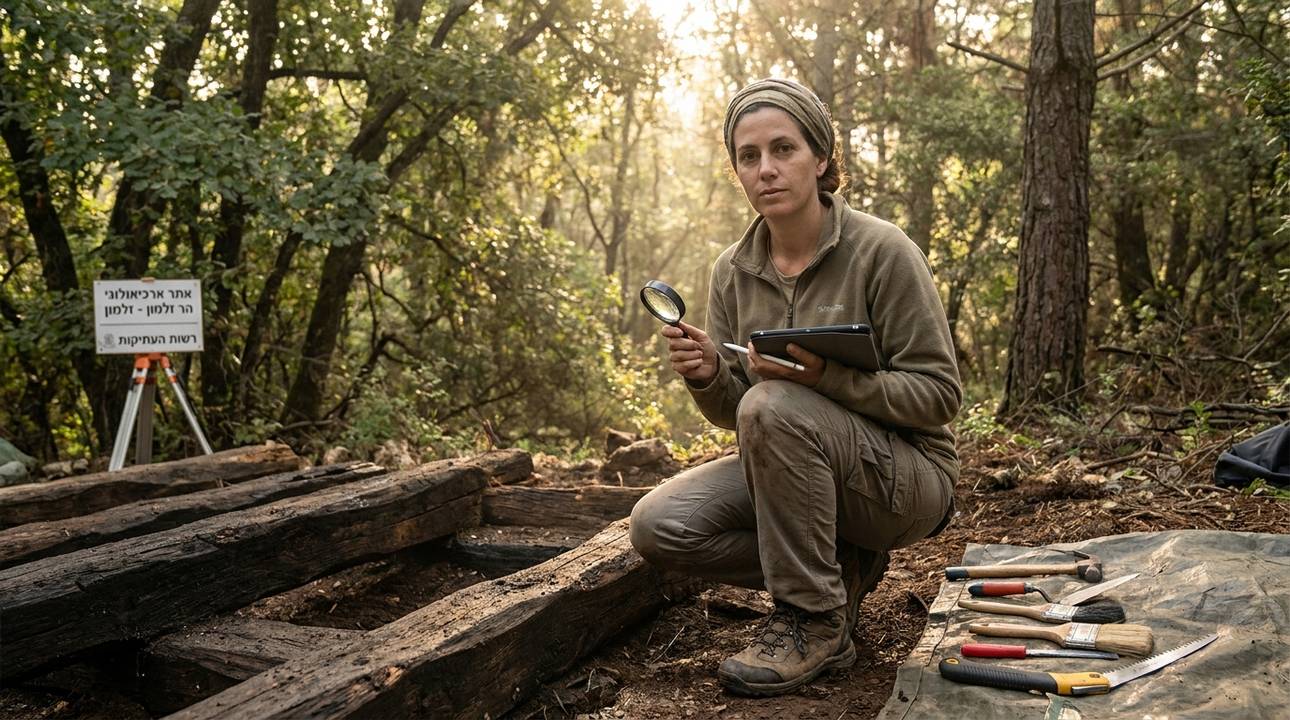
Geographically, Mount Zalmon is thought to be located near the ancient city of Shechem, an important site in Israel’s history. The area is characterized by its natural beauty and strategic positioning, often featuring prominently in historical narratives.
Shechem itself is a city mentioned frequently in historical texts, enriching our understanding of the area’s significance, highlighting its role in the unfolding of Israel’s historical journey.
The possible identification of Zalmon near Shechem provides valuable context for understanding its role during the era of the Judges. Its location would have made it a valuable asset during historical times, particularly for leaders seeking to use its natural resources or defensive advantages.
Shechem adds historical depth to the area. Despite the passage of millennia, the natural topography retains a sense of mystery and allure, inviting ongoing exploration and reflection on its intriguing past.
Mount Zalmon in Literature and Midrash
Beyond the text, Mount Zalmon has been referenced in various interpretations, shedding light on its significance.
Discussions surrounding Zalmon often extend to its symbolic meanings, reflecting broader themes of power and intervention. These narratives help illuminate the cultural import of the mountain within tradition.
As these interpretations explore the deeper symbolic aspects of Mount Zalmon, they provide valuable insights into interpretive traditions and how physical sites are imbued with meaning.
Such texts serve as crucial reminders of how geographical locations, steeped in historical events, are continuously reimagined and interpreted within a context, cementing Zalmon’s place as a necessary study for those interested in symbolism.
Theological Insights from Mount Zalmon
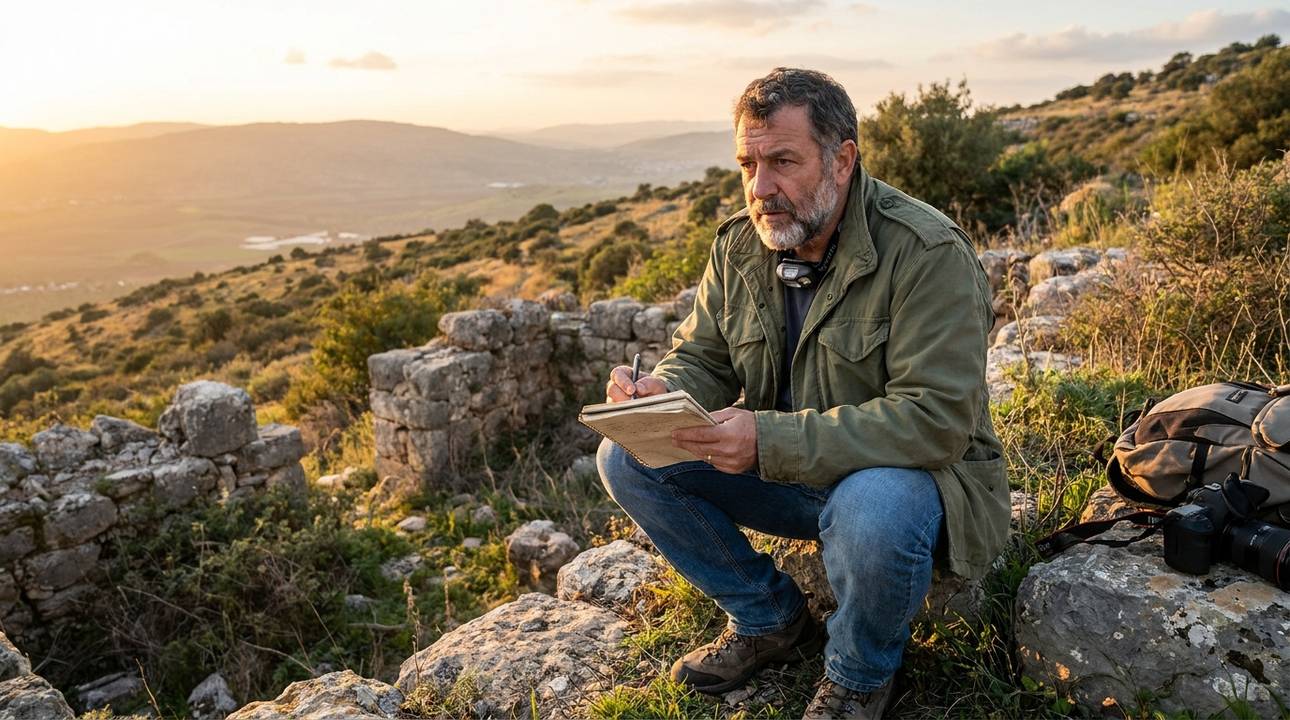
Mount Zalmon is also crucial in understanding the intersection between geography and history. Its presence in texts serves as a sign of how physical landscapes were imbued with significance in the ancient world. Zalmon, like many geographic references, is tied to narratives of interaction with humanity, illustrating the profound connection between the physical and the divine. The mountain’s role in stories highlights the way ancient peoples understood their world, seeing the hand in their natural surroundings.
from the Western Wall to Masada.
This connection is evident in the various roles Zalmon plays, from a location of dramatic events to a symbol of divine judgment and power. Its mention in Psalm 68:14 emphasizes its symbolic role in depicting divine power and intervention. In studying the theology associated with Mount Zalmon, scholars and laypersons alike gain insights into the beliefs and values of ancient communities, and how they sought meaning in the world around them. The mountain’s narrative is still remembered reflection and study, revealing the enduring impact of these ancient stories.
Cultural Relevance of Mount Zalmon Today
Today, Mount Zalmon continues to hold significance as a subject of interest for historians and cultural enthusiasts. While the exact geographic location may be elusive, its cultural footprint is undeniable. Modern interpretations and studies often focus on the symbolic meanings drawn from its mentions. These explorations add depth to contemporary understandings of geography and reflect the ongoing relevance of ancient texts in modern discourse. Such studies highlight how ancient landscapes are still remembered and inform.
As scholars delve into its past, Mount Zalmon remains an enduring symbol of the complex interplay between place, narrative, and meaning, inviting ongoing reflection and discussion.
In literature, Mount Zalmon is sometimes associated with themes of intervention and judgment, adding layers to its historical narrative. This ongoing scholarly interest underscores the mountain’s role in bridging ancient and modern understandings of landscapes.
The literature often explores how such landscapes are more than mere settings, but active participants in the narrative.
The Relationship Between Mount Zalmon and Lev Haolam
Lev Haolam supports the preservation and appreciation of Israel’s historical and cultural sites, including locations like Mount Zalmon. This mountain is part of the cultural legacy that Lev Haolam seeks to honor. Through its subscription boxes, Lev Haolam connects people with products made by local Israeli artisans, ensuring that the mix of Israel’s heritage remains vibrant. Each box may feature a selection such as artisan foods, handcrafted goods, cosmetics, or cultural items, telling a story of Israel’s past and present, bridging cultural gaps and fostering a deeper connection to the land. Each box contains 6-8 products, and contents vary.
Supporters of Lev Haolam help sustain small businesses and contribute to the continuation of Israel’s cultural legacy. By sharing these authentic products, communities worldwide can deepen their connection to places like Mount Zalmon, appreciating the stories and traditions they represent. In essence, Lev Haolam facilitates a link between past and present, allowing people to embrace the beauty and significance of Israel’s storied landscapes. This connection fosters a shared appreciation for the historical and spiritual depth of locations like Zalmon, enriching the culture of those who engage with these narratives.
Understanding Mount Zalmon
