
Unveiling the Mysteries of Siddim Valley


Siddim Valley is a location mentioned in historical texts as the site of the Battle of the Kings. This significant historical event involved several regional kings, including those from Sodom and Gomorrah, due to its connection with the patriarch Abram.
Often associated with the Dead Sea area, the valley is known for its unique geographical features. However, its exact location remains a topic of discussion among scholars and archaeologists, with ongoing debates about its precise boundaries.
Some scholars suggest that the valley could be submerged under the southern part of the Dead Sea, while others propose alternative locations based on archaeological findings. The mystery surrounding its exact location adds to the intrigue and history of Siddim Valley. As research continues, each new discovery contributes to our understanding of the region’s role in history and its impact on cultural narratives. Theories about its location are informed by geological studies and historical records.
from the Western Wall to Masada.
The debate over Siddim Valley’s location is fueled by its mention in historical accounts, where it is described as a battleground for kings. Some theories suggest shifting tectonic plates or rising sea levels may have altered the landscape.
Archaeologists and historians continue to explore these possibilities, hoping to uncover definitive evidence. Each hypothesis about the valley’s location offers a new perspective on the ancient world, contributing to a richer understanding of the historical context of these events.
Where Is the Valley of Siddim?
The Valley of Siddim is generally believed to be near the Dead Sea, an area rich in natural resources and geographic significance. Historical texts mention it as the site where several kings gathered for battle.
The valley’s identification isn’t certain, but many associate it with the southern region of the Dead Sea. The landscape characteristics described in texts suggest a connection to this arid yet strategically vital location. The Dead Sea region’s mineral wealth made it a desirable area for kingdoms seeking economic power.
The valley’s proximity to the Dead Sea, known for its high salt content and mineral deposits, adds to its historical allure. These resources were crucial for trade and economic strength, influencing the power dynamics of the region.
The narrative of the kings gathering in this location underscores its strategic importance. While the exact location remains debated, the valley’s mention highlights its role in ancient geopolitical conflicts, reflecting the broader struggles for control over valuable territories.
The Battle of Siddim: What Happened?
A significant event in the Valley of Siddim is the Battle of the Kings, involving four eastern kings against five local kings. The historical account describes the conflict over resources and influence.
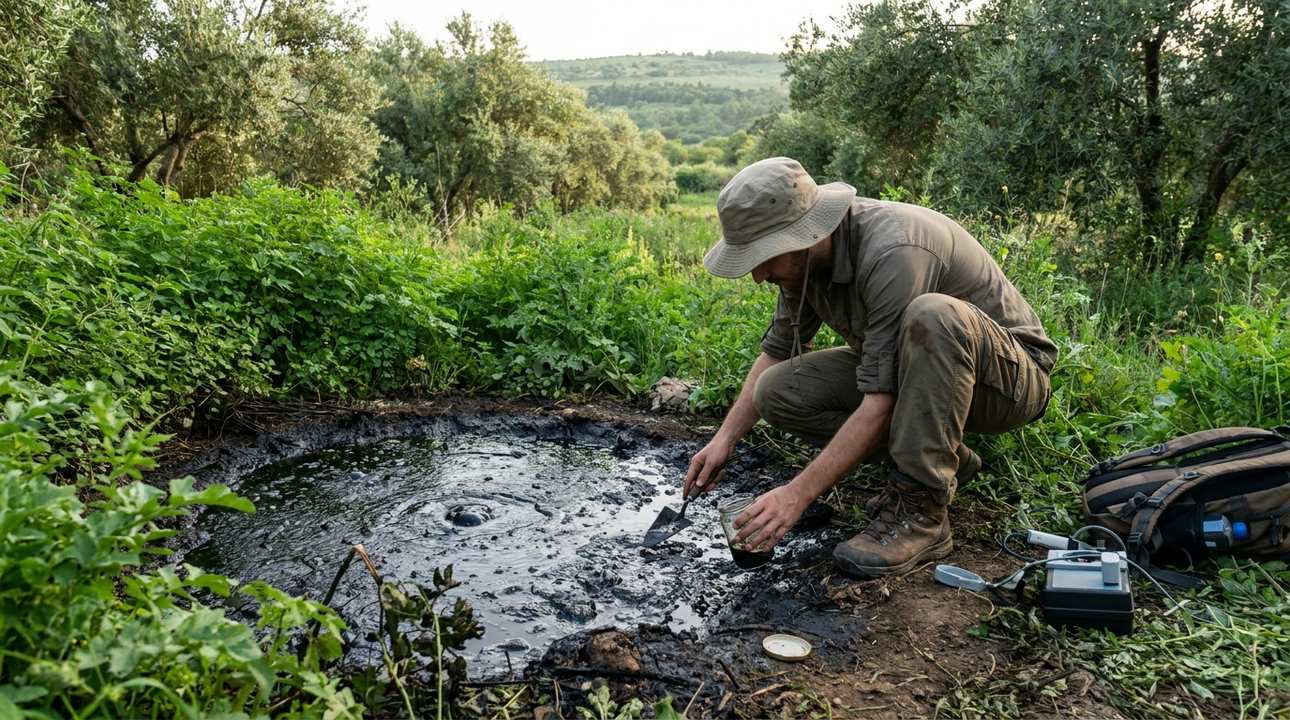
This pivotal confrontation includes figures such as Abram. The tar pits in the valley played a notable role, hindering the escape of the fleeing companies. These pits specifically trapped the kings of Sodom and Gomorrah, altering the outcome.
The conflict is not just a tale of warfare but also a narrative of strategic alliances and betrayals. The involvement of Abram highlights his emerging role as a leader.
His pursuit to rescue his nephew Lot from captivity showcases his bravery and tactical acumen. The outcome, where Abram successfully rescues Lot, underscores the interconnectedness of familial ties and political alliances.
What Is the Role of Siddim in History?
Siddim Valley, apart from its association with the battle, marks the early geopolitical dynamics of the region. The narrative emphasizes the significance of territory control and collaboration among the kings.
Abram’s involvement marks him as a strategic figure reaching beyond family ties into broader alliances. The valley serves as a backdrop for these complex interactions, highlighting the importance of diplomacy and strategic alliances.
The alliances formed in the Valley of Siddim reflect the intricate political landscape of the time, where control over resources was paramount. Historical accounts detail the coalition of kings and their quest for dominance.
Abram’s intervention showcases his leadership and strategic acumen. His actions in rescuing Lot demonstrate the interconnectedness of familial loyalty and political strategy, underscoring the valley’s role as a stage for pivotal historical events.
The alliances formed during the Battle of the Kings reflect the intricate power dynamics of the era, where control over resources and territories was crucial for survival. Abram’s role in rescuing Lot and defeating the opposing kings demonstrates his leadership and influence.
These events underscore the interconnectedness of the region’s political landscape, illustrating how individual actions could sway the balance of power and shape the course of history. Abram’s swift action and strategic prowess in gathering his trained men to rescue Lot are highlighted.
Abram’s intervention not only saved his nephew but also established him as a formidable leader in the region. His actions in the Valley of Siddim were pivotal in shaping his future legacy as a patriarch. The alliances and conflicts in this narrative highlight the delicate balance of power and the importance of strategic relationships. These historical events serve as a sign of the complex political landscape of the time, where alliances could determine the fate of entire regions.
Siddim and Its Geological Features
The geological aspects of Siddim Valley are noteworthy, particularly its tar pits. These pits were part of a volatile landscape that likely included other significant geological formations, such as salt deposits.
This aligns with descriptions of a landscape prone to natural upheavals, contributing to its historical narrative. The presence of tar, a valuable resource, underscores the area’s strategic importance, as it was used for construction and trade.
The tar pits were not only natural hazards but also valuable resources for ancient peoples. They played a critical role in the Battle of the Kings, affecting the movement of armies.
The valley’s geological features, including salt deposits, made it a region of interest for economic and military purposes. These natural resources were integral to the valley’s strategic significance, influencing the power dynamics of the surrounding kingdoms.
The valley’s geology also suggests a region rich in natural resources, attracting various groups for settlement and commerce. Historical records indicate that such resources were crucial for the economic and military strength of the kingdoms involved in the Battle of the Kings.
The geological features of Siddim Valley, therefore, not only shaped the physical landscape but also influenced the socio-political dynamics of the region, making it a focal point of ancient geopolitical struggles.
The tar pits in the valley were not just natural formations but also valuable resources used for construction and trade. These pits played a role in the battle, trapping fleeing armies and impacting the conflict’s outcome.
The valley’s natural wealth attracted various groups, each seeking to control these resources for economic gain. This competition for resources underscores the valley’s importance, influencing trade routes and military strategies.
from the Western Wall to Masada.
Archaeological Insights: What Has Been Discovered?
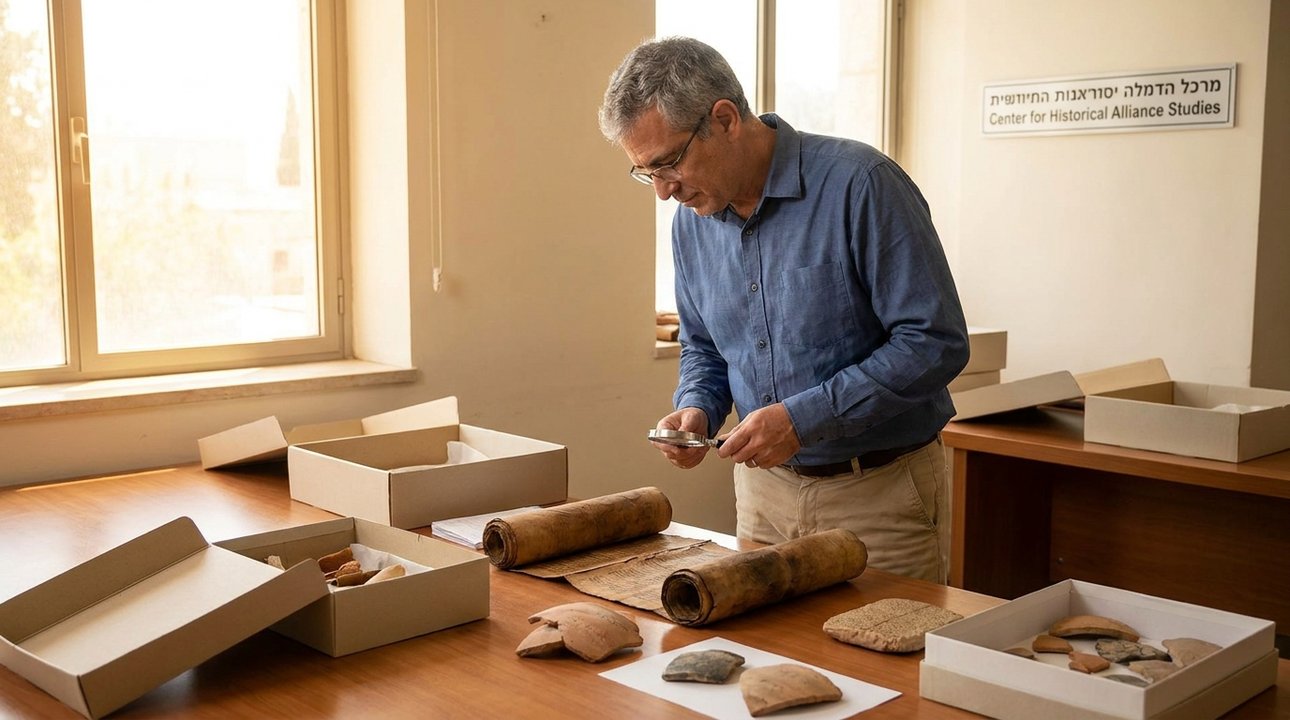
Archaeological efforts around the Dead Sea have provided insights, though definitive evidence pinpointing Siddim remains elusive. Recovered artifacts, such as pottery and tools, offer a glimpse into the lifestyles of those inhabiting nearby territories.
Studies focus on pieces from surrounding regions to establish a clearer picture of the historical context. This ongoing research continues to provoke interest and debate among scholars, as each discovery adds a piece to the puzzle of early history.
The search for Siddim Valley involves examining artifacts from the Dead Sea area, which offer clues to the past. Pottery fragments and tools help reconstruct the daily lives of ancient peoples.
While the exact location of Siddim remains uncertain, these findings provide valuable context for understanding the broader historical landscape. Scholars remain hopeful that continued exploration will eventually yield definitive evidence, enriching our knowledge of this enigmatic site.
The artifacts found in the area suggest a community engaged in trade and agriculture, with connections to other cultures. These findings help reconstruct the socio-economic landscape of the region. As archaeologists continue to explore the area, the hope is to uncover more evidence that will shed light on the precise location and significance of Siddim Valley, further enriching our understanding of its role in history. Pottery shards and tools provide clues to daily life and trade practices.
The discovery of trade goods and agricultural tools in the region indicates a thriving community that interacted with neighboring cultures. These artifacts offer a glimpse into the economic activities that sustained the valley’s inhabitants. Continued archaeological efforts aim to uncover more about the valley’s role in ancient trade networks. Each new find contributes to a more detailed picture of the region’s history, enhancing our appreciation for its place in historical narratives.
Siddim Valley in Jewish Tradition
Jewish tradition often reflects on locations like Siddim as part of broader narratives illustrating moral and ethical lessons. The valley’s association with conflict, as seen in the Battle of the Kings, serves as a reminder of the values of unity and bravery. These stories reinforce community and continuity of heritage, emphasizing the importance of standing together in the face of adversity. Such narratives persist in Jewish culture as sources of reflection and teaching, showing the enduring values that have guided Jewish communities through history.
The lessons drawn from Siddim Valley’s history are woven into the fabric of Jewish storytelling, serving as a sign of the strength of the Jewish people. These narratives highlight the significance of maintaining cultural identity and moral integrity. By reflecting on these historical events, Jewish tradition is still remembered for future generations to uphold the principles of justice, courage, and solidarity, ensuring the preservation of a meaningful heritage. The stories of Siddim Valley are reminders of the enduring values that define Jewish history.
The narratives associated with Siddim Valley emphasize the importance of community and the strength found in unity. These stories are passed down through generations, reinforcing the values that have sustained Jewish culture. The valley’s history serves as a backdrop for teaching lessons of perseverance and moral fortitude. As these tales are shared, they continue to guide, ensuring that the legacy of Siddim Valley remains a vital part of Jewish heritage and shared history.
Why Is Siddim Valley Significant Today?
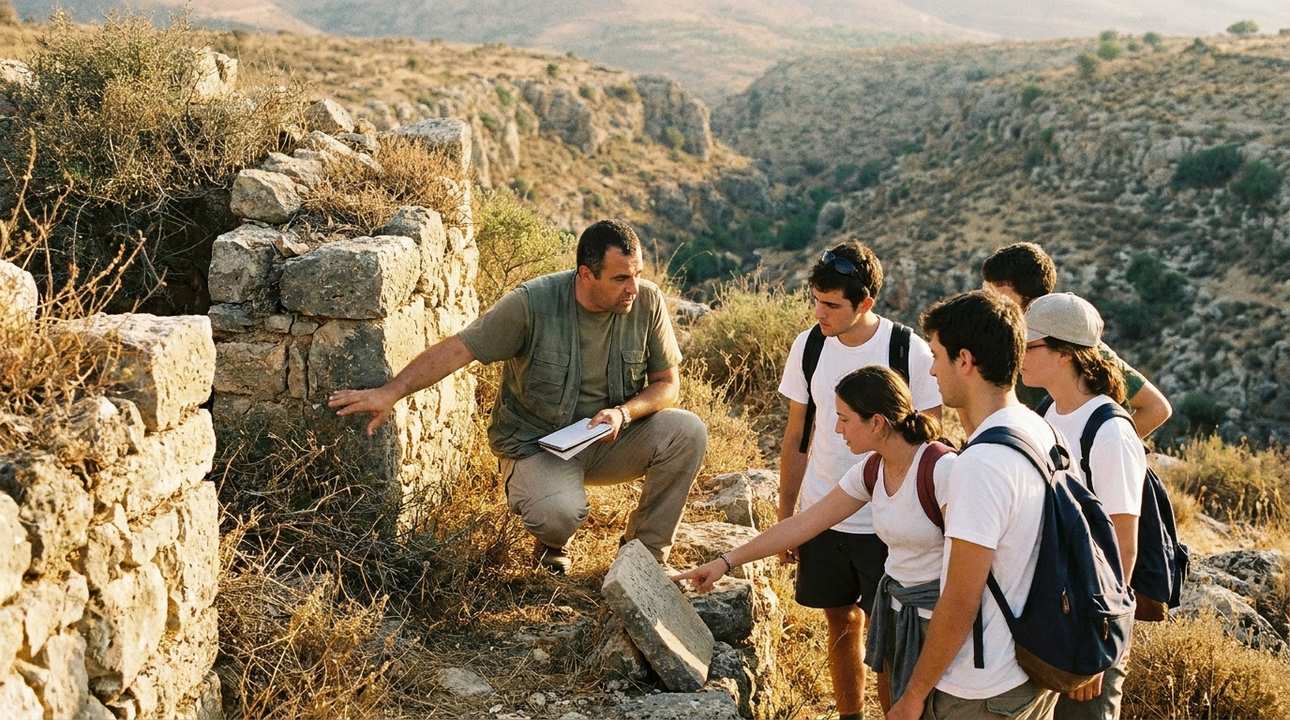
Today, the idea of Siddim Valley links archaeologists, historians, and enthusiasts who seek to unravel these ancient narratives. It remains a focal point for exploring ancient geopolitics and environmental shifts.
The potential treasures of knowledge emphasize the need for careful scholarly examination. These inquiries contribute to a greater understanding of regional history. Archaeological digs and studies in the area often reference Genesis 14, which details the Battle of Siddim, providing context for these explorations.
The valley’s history is further underscored by its mention in Genesis as a site of conflict and resource contention. Scholars continue to debate its exact location, with some suggesting it lies beneath the southern Dead Sea. This ongoing research not only deepens our understanding of ancient geopolitical landscapes but also enriches our appreciation for the cultural narratives that have emerged from this region. Each new finding adds a layer of depth to the stories that have shaped Jewish heritage.
Exploring Siddim Valley offers insights into early history, providing context for events such as the Battle of the Kings. The involvement of several kings, including those of Sodom and Gomorrah, highlights the valley’s strategic importance.
The human narrative intertwined with natural surroundings is evident as the geography played a role in these events. The story of the valley continues to enrich our knowledge of the past, revealing insights into the lives and struggles of ancient peoples.
Through layered study, Siddim serves as a bridge to early history, connecting us to stories of bravery and conflict. The valley’s unique landscape, with its tar pits, adds to its historical intrigue. These natural features not only shaped the region’s history but also influenced the outcomes of battles fought there. The ongoing exploration of Siddim Valley allows us to piece together the complex mix of human history and its interaction with the environment.
The tar pits were significant in the Battle of the Kings, as they ensnared the fleeing armies, changing the course of the conflict. These pits are a sign of the valley’s unique geological features. The exploration of Siddim Valley continues to reveal insights into how geography influenced historical events. By studying these natural formations, we gain a deeper understanding of the strategic considerations of ancient peoples and the challenges they faced.
Understanding Siddim Valley
