
Uncovering the History and Meaning of Beth-peor


Beth-peor holds a noteworthy place in historical narratives due to the significant events associated with it. Located near Moab, it provides insights into ancient times.
Beth-peor is cited as the location where a prominent leader was buried, although the exact site remains unknown, adding an element of mystery to its historical intrigue.
This article delves into the history, stories, and current understanding of Beth-peor, examining its historical references and cultural significance.
What Was Beth-peor?
Beth-peor is recognized as a site near Moab. The name translates to ‘house of Peor,’ connecting it to the Moabite god Baal-peor. Historically, it plays a role in the narrative of the Israelites during their journey.
The account links Beth-peor to events involving the prophet Balaam and the Israelites. Researchers have examined its role in these stories, considering its geographical and cultural context to better understand its importance.
from the Western Wall to Masada.
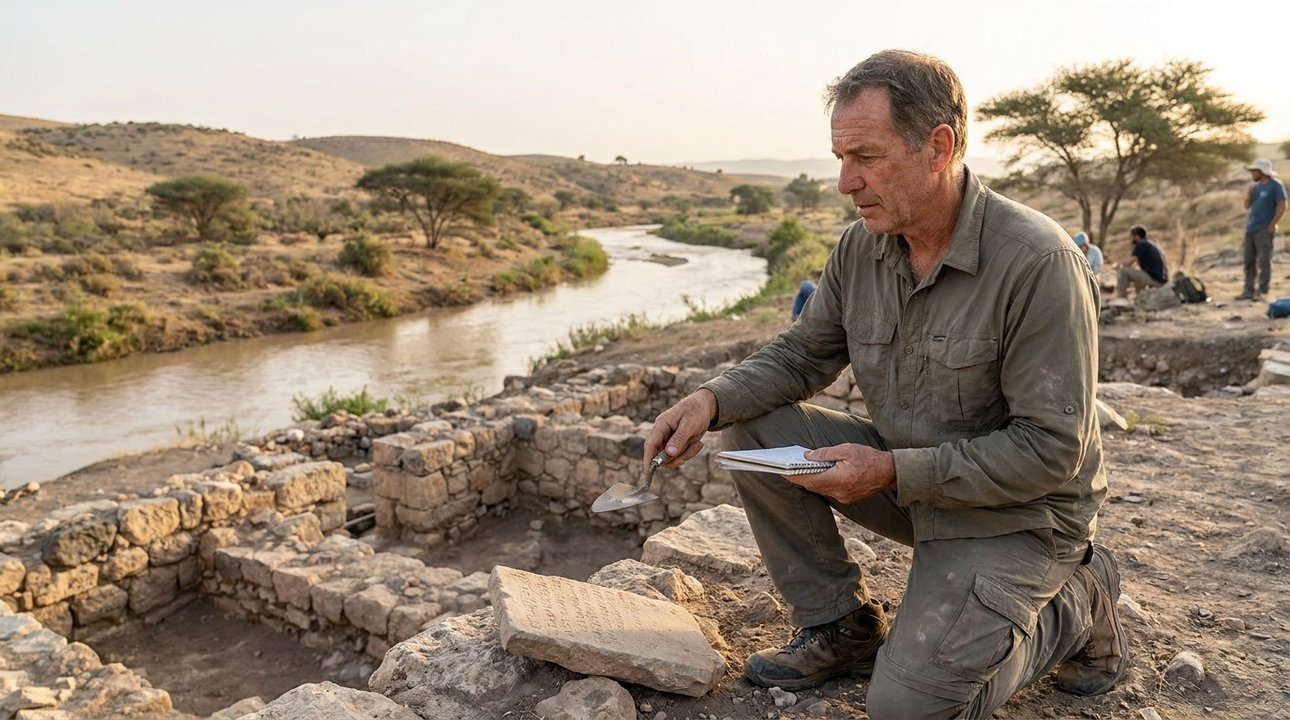
Beth-peor’s proximity to the Jordan River made it a strategic site during the Israelites’ journey. This location highlights its significance in the unfolding story of the Israelites’ search for a homeland.
The Jordan River is a significant landmark in many historical events. The site’s connection to Baal-peor also reflects the religious dynamics of the time, as the Israelites navigated interactions with neighboring cultures and their deities.
This context is essential for understanding the broader historical setting.
Historical References to Beth-peor
Beth-peor is first mentioned in the context of the Israelites encamping nearby during their journey. In Numbers 25, the site is associated with the worship of Baal-peor and the subsequent plague that affected the Israelites due to idolatry.
This event marks a pivotal moment in the Israelites’ history. The place is also linked to the final days of a significant leader, as he delivered speeches to the Israelites in the region of Moab before his death.
These references provide insight into the religious and moral challenges of the period, highlighting the difficulties of maintaining faith.
The association of Beth-peor with the final days of a significant leader marks the end of an era for the Israelites. Some traditions identify it with a site in modern-day Jordan, underscoring the importance of leadership and legacy in history. The site serves as a testament to the enduring impact of guidance and the Israelites’ journey toward fulfilling their destiny.
The Story of Balaam at Beth-peor
Beth-peor is notably tied to the story of Balaam, a prophet called upon by Balak, the king of Moab, to curse the Israelites. However, Balaam ultimately supported the Israelites instead, as recorded in Numbers 22-24. This narrative highlights the tension between the Israelites and neighboring peoples.
It underscores Beth-peor’s role in history as a site of intervention and prophecy. Balaam’s story serves as a reminder of the power of unexpected outcomes, defying human expectations.
The story of Balaam and his donkey illustrates the theme of prevailing over human intentions. Balaam’s inability to curse the Israelites despite his initial intentions emphasizes the protective nature of their path.
This account is notable for the miraculous event where Balaam’s donkey speaks to him, a rare occurrence in texts. It has been interpreted as a lesson on the limits of human control and the importance of aligning with a higher purpose.
Beth-peor, as the setting for this narrative, becomes a symbol of triumph over adversity.
Archaeological Insights into Beth-peor
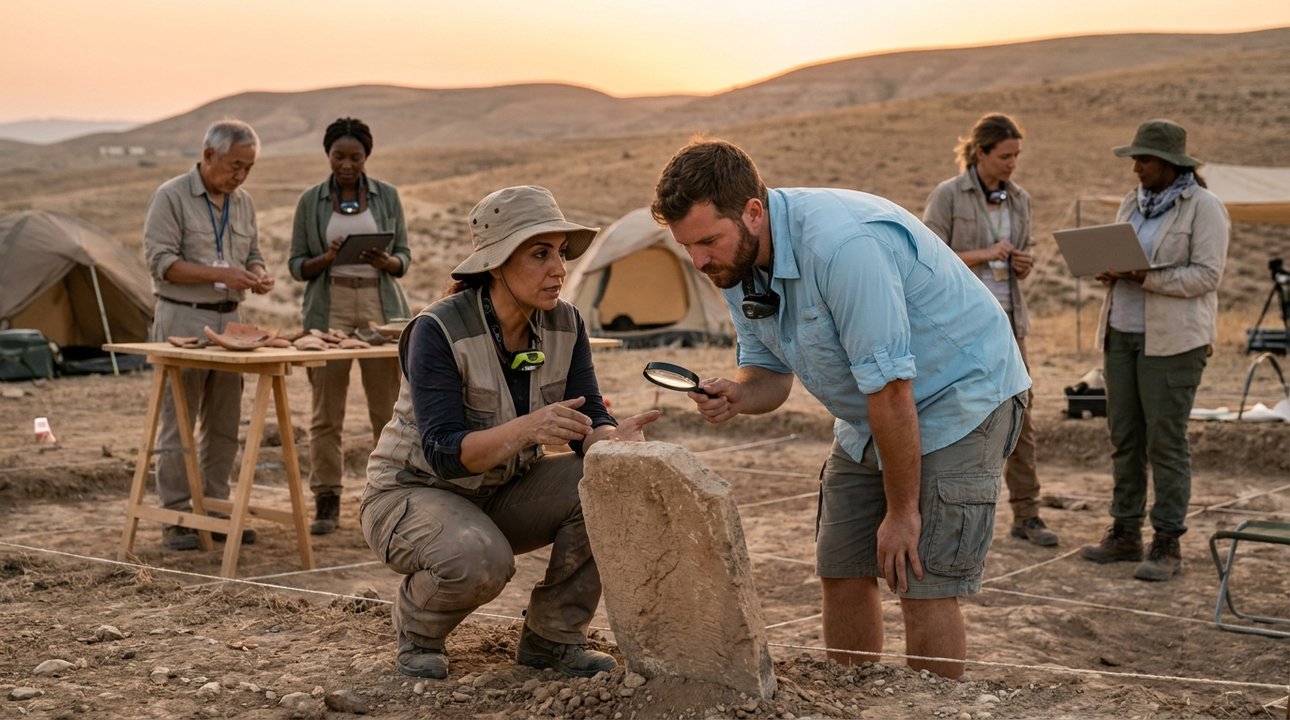
Modern archaeology in the region near Beth-peor has sought to uncover further evidence of the site’s historical context. While direct findings related to Beth-peor are limited, the general excavation of Moabite sites contributes to understanding the cultural and religious practices of the period. Artifacts and inscriptions discovered in the vicinity offer insights into the life and times of those who inhabited the area, enhancing the historical account with tangible historical context. These discoveries provide a fuller picture of the past.
The artifacts found include pottery, tools, and inscriptions that reveal aspects of daily life and religious practices in Moab. These findings help historians piece together the interactions between the Moabites and Israelites, offering clues about their shared and divergent traditions.
The inscriptions, for example, provide evidence of the Moabite language and script.
The ongoing excavation efforts continue to shed light on the historical backdrop of events, providing a more nuanced understanding of the ancient world and its influence on contemporary interpretations of these stories.
from the Western Wall to Masada.
Cultural Legacy of Beth-peor
The story of Beth-peor continues to hold cultural importance, particularly within Jewish tradition. Its stories serve as cautionary tales about faith, obedience, and the perils of idol worship, resonating through generations. This passage reinforces the themes of fidelity and the consequences of straying from commitments. The historical context of these events provides a backdrop for understanding the importance of remaining true to one’s beliefs.
The events at Beth-peor are further elaborated in Numbers 25, where the Israelites’ involvement with Moabite women led to a devastating plague. This narrative underscores the dangers of turning away from traditional values and serves as a historical lesson on the importance of communal integrity.
The plague resulted in the loss of many lives. The site acts as a reminder of the challenges faced by the Israelites and the need for vigilance in maintaining their identity, a theme echoed throughout Jewish teachings and traditions.
Beth-peor in Modern Thought
Today, Beth-peor remains a topic of interest in theological and historical studies. Scholars continue to explore its role within the wider narrative of the Israelites and its implications for understanding ancient religious practices. The site sparks curiosity about the intersection of history and mythology, inviting reflection on how ancient places shape modern perspectives. The ongoing research into Beth-peor helps illuminate the complex mix of history, showing the cultural dynamics of the time.
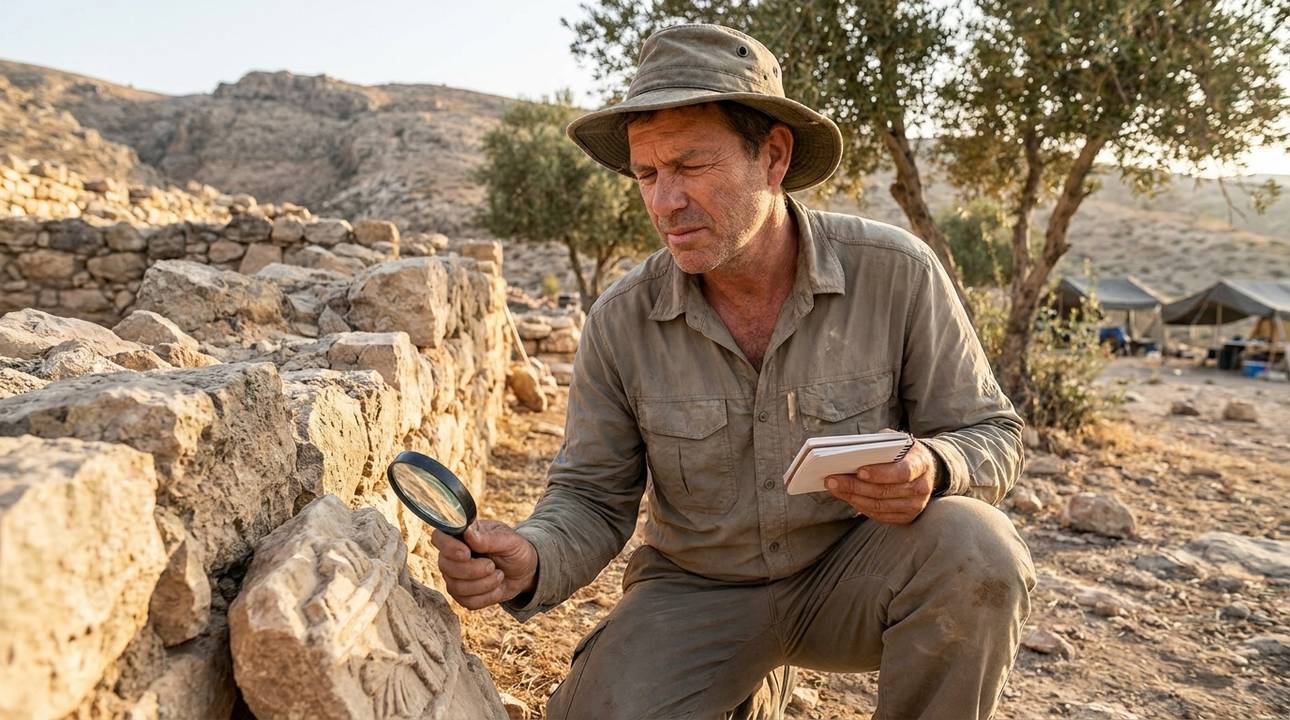
Archaeological efforts in the region have uncovered artifacts that shed light on the Moabite civilization, providing context for the accounts. These findings include pottery and inscriptions that offer insights into the daily life and religious practices of the Moabites.
The study of Beth-peor and its surroundings continues to enrich our knowledge of ancient Near Eastern history, illustrating the enduring impact of these narratives on contemporary religious and cultural thought. Such discoveries help bridge the gap between accounts and historical reality.
Conclusion: the Lasting Impact of Beth-peor
Beth-peor’s stories offer a crucial lens into the moral and spiritual challenges faced by the Israelites. The Israelites were led astray by the Moabites into idol worship, highlighting the temptations they faced.
This incident is one of the many trials documented in the Torah that the Israelites encountered on their journey. The lessons derived from this site continue to influence Jewish heritage and understanding of events.
This enduring relevance underscores the importance of exploring historical places, enabling a deeper connection to the past and its narratives.
The narrative of Beth-peor serves as a warning against the allure of foreign influences and the consequences of abandoning one’s spiritual commitments. This theme is echoed throughout Jewish teachings, emphasizing the need for vigilance and faithfulness.
The Israelites’ encounter with the Moabites at Beth-peor is a pivotal example of this struggle. The story’s impact is evident in its continued relevance in discussions about identity and tradition.
By examining Beth-peor, we gain insights into the enduring struggle to maintain cultural and religious integrity in the face of external pressures.
Understanding Beth-peor
