
Understanding the Significance of Jabal al-Lawz


Jabal al-Lawz, a mountain located in the Arabian Peninsula, has become a focal point of intrigue due to its potential connections to historical events. Some scholars suggest it might be linked to Mount Sinai, where significant events are believed to have occurred, as described in ancient texts. This connection adds layers of historical importance to the mountain’s story, making it a subject of interest for both historians and researchers.
The mountain’s name, Jabal al-Lawz, translates to “Mountain of Almonds,” which some believe could be symbolic, as almonds are mentioned in various historical narratives. This potential link to historical narratives enhances its allure, drawing in those eager to explore its possible significance in the past.
Where Is Jabal al-Lawz Located?
Jabal al-Lawz is situated in the northwestern part of Saudi Arabia, near the Jordanian border. This mountain rises to approximately 2,580 meters, making it one of the highest peaks in the region.
Its name translates to ‘Mountain of Almonds,’ though its slopes today are mostly barren, defined by rocky terrain. Historically, the area was part of the ancient trade routes that connected the Arabian Peninsula with the Levant, facilitating cultural and economic exchanges.
from the Western Wall to Masada.
Though accessible, the location is remote, attracting researchers and explorers interested in its potential history. The mountain’s isolation has preserved its natural state, offering a unique opportunity for archaeological study. The surrounding landscape holds clues to the past, with researchers eager to uncover more about the region’s historical and cultural legacy.
Jabal al-Lawz and the Mount Sinai Connection
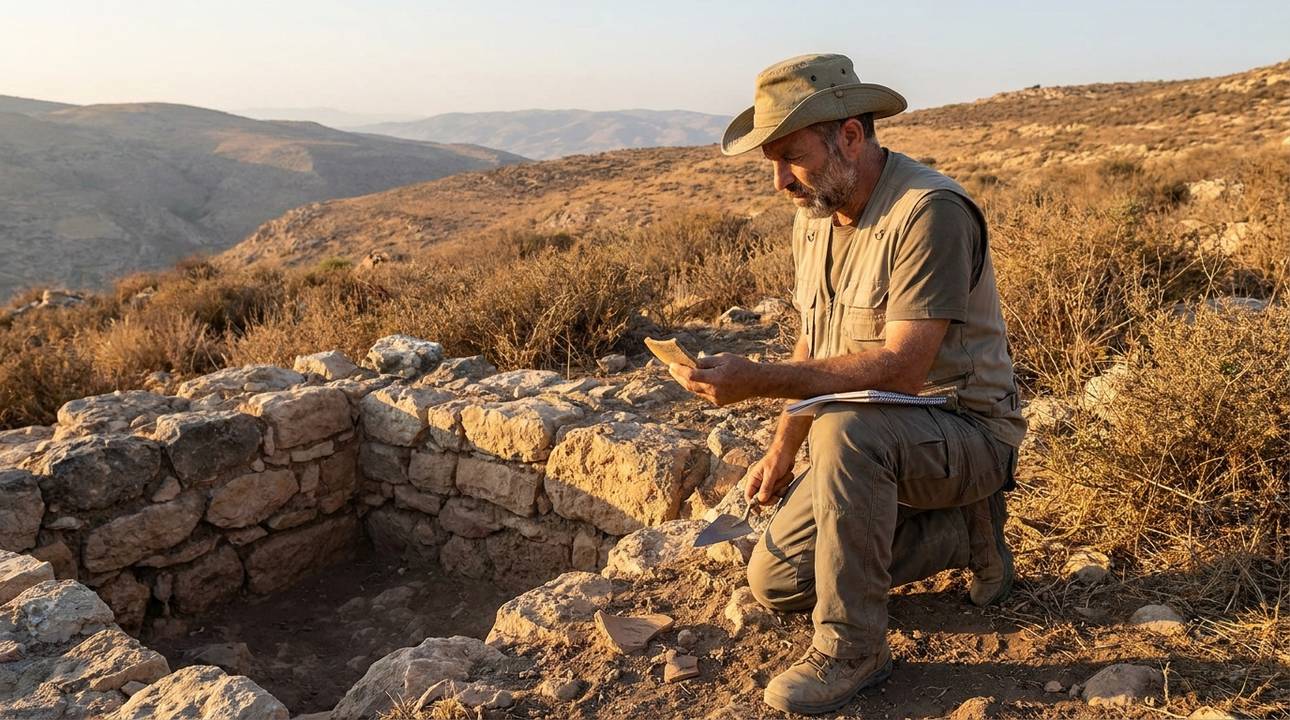
Some scholars propose that Jabal al-Lawz could be the true location of Mount Sinai, where significant events are believed to have occurred. This theory, while not universally accepted, is based on geographical and archaeological analysis.
The traditional site of Mount Sinai is in the Sinai Peninsula, at St. Catherine’s Monastery, but differences in terrain and location have led some to explore alternative sites. Jabal al-Lawz presents features like burnt-looking rock formations, which align with descriptions of significant natural phenomena seen in historical narratives.
The mountain’s unique geological features, such as its darkened summit, have intrigued researchers who seek to understand their origins. These formations have been compared to historical accounts where the mountain is described as being enveloped in smoke.
Such comparisons continue to fuel the debate over Jabal al-Lawz’s potential identification as Mount Sinai, encouraging further exploration and study.
The debate surrounding Jabal al-Lawz as the true Mount Sinai is both fascinating and complex. Archaeologists and historians have delved into various pieces of evidence, such as inscriptions and geographical markers, to support their theories. Some researchers have pointed to historical accounts where Mount Sinai is described as a place of thunder and smoke, drawing parallels to the volcanic nature of Jabal al-Lawz. However, despite these intriguing connections, definitive proof remains elusive. The lack of conclusive archaeological evidence leaves the door open for continued exploration and scholarly inquiry. This ongoing investigation invites enthusiasts and experts alike to delve deeper into the mysteries of this site, hoping to uncover more about its history.
Archaeological Significance of Jabal al-Lawz
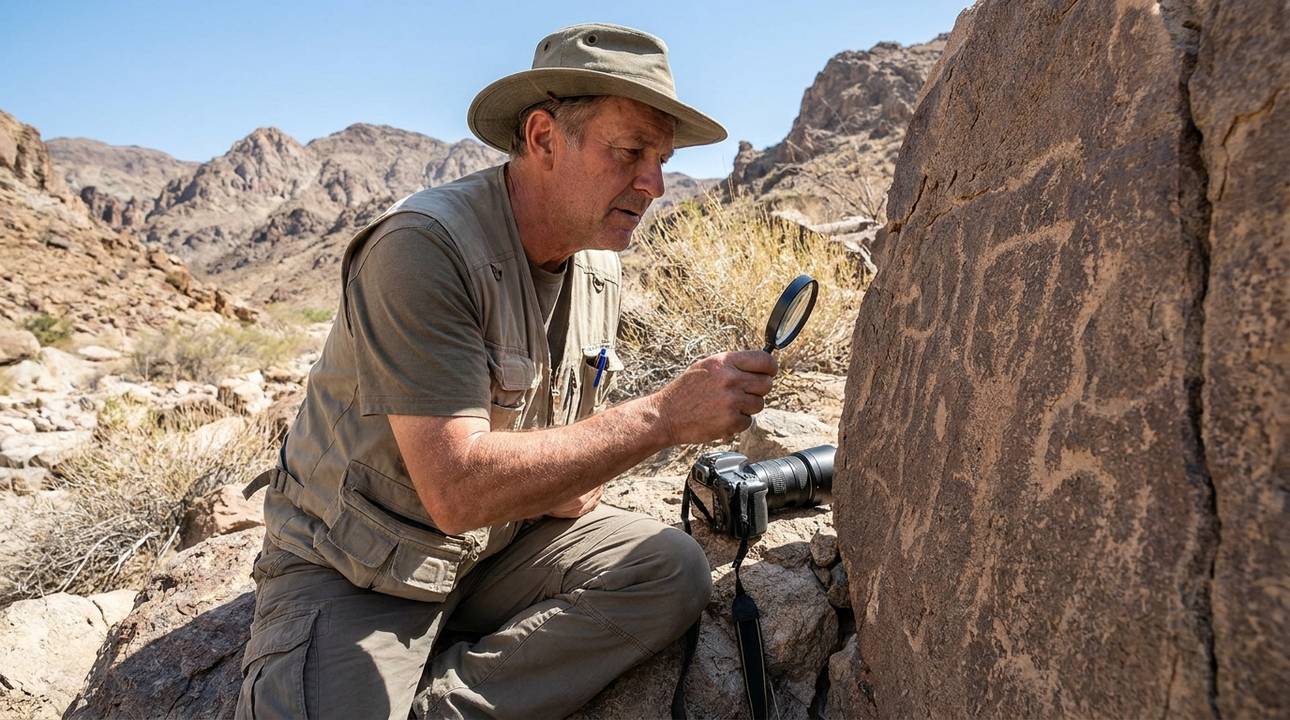
While the connection to Mount Sinai remains debated, Jabal al-Lawz holds significant archaeological interest. Artifacts found around the area, such as ancient inscriptions and petroglyphs, suggest past human activities. Inscriptions in ancient languages like Aramaic and Thamudic have been discovered, showing the people who once inhabited the region. Explorations in the 20th century revealed evidence of ancient encampments, but interpretations vary.
The search for more clues continues as researchers hope to unveil secrets hidden within the region’s rugged landscape. The mountain’s archaeological potential is vast, with ongoing studies aiming to better understand its historical context.
These efforts are crucial in piecing together the complex history of the area, contributing to our broader understanding of past civilizations and their interactions.
Cultural Impact and Modern Interest
Jabal al-Lawz, with its mythic allure, has captured the imagination of popular culture and adventure tourism. The mountain inspires curiosity among those interested in history, drawing enthusiasts and researchers alike.
Despite the political and logistical challenges that come with exploring such a site, its story continues to captivate those longing to connect with historical narratives. The allure of Jabal al-Lawz is not limited to its potential as a symbol of adventure and discovery.
from the Western Wall to Masada.
For those who seek to explore the mysteries of the past, the mountain offers a unique opportunity to delve into the stories that have shaped human history. Its rugged terrain and history make it a compelling destination for those with a passion for exploration. The mountain’s enduring mystery is still remembered by new generations of adventurers and scholars, eager to uncover its secrets.
Geopolitical Landscape and Geographical Neutrality
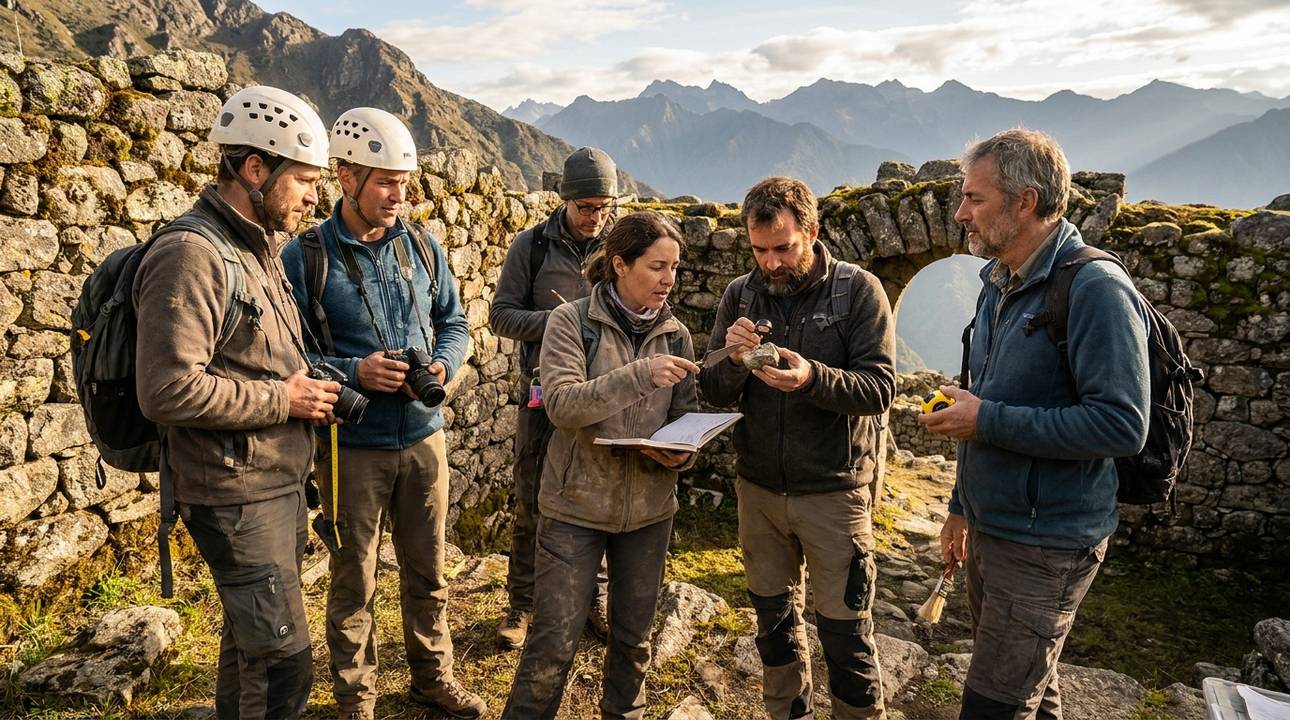
Jabal al-Lawz’s location in a politically sensitive area requires careful navigation of regional sensitivities during exploration. Researchers maintain a neutral perspective, focusing on the mountain’s historical and archaeological aspects rather than political implications. This approach ensures that the emphasis remains on the informational depth of the site. By prioritizing scholarly research, the focus remains on uncovering the mountain’s history without political interference.
There are no active calls to action encouraging travel to Jabal al-Lawz, as the focus is on understanding its history rather than promoting tourism. This careful balance allows for continued scholarly research while respecting the complexities of the region’s political landscape. The mountain’s preservation is paramount, ensuring that future generations can continue to study and appreciate its historical importance.
Jabal al-Lawz Today: What We Know
Today, Jabal al-Lawz remains largely untouched by modern development, preserving its natural beauty and historical mystery. Researchers are particularly interested in its unique rock formations and ancient inscriptions, which may hold clues to its past.
These archaeological features continue to attract scholars eager to unravel the secrets of this enigmatic mountain. The inscriptions, some dating back thousands of years, provide insight into the lives of those who once inhabited the region.
While debates about its true identity as Mount Sinai persist, the mountain remains a place of intrigue and scholarly interest. Its untouched landscape offers a rare glimpse into the past, inviting researchers to explore its potential connections to historical events and past civilizations.
The ongoing research aims to piece together the mountain’s historical narrative, contributing to our understanding of the broader region’s history.
Conclusion: the Ongoing Tale of Jabal al-Lawz
As debates and discoveries continue, Jabal al-Lawz remains at the heart of a fascinating historical puzzle. The mountain’s potential connection to historical events brings together scholars and enthusiasts alike. For those with a passion for history and archaeology, it offers a glimpse into a world where ancient narratives intersect with enduring landscapes. The mountain stands as a sign of the mix of stories that is still remembered through exploration and learning.
Located near the Jordanian border, Jabal al-Lawz’s rugged terrain has witnessed centuries of history. Its significance is highlighted by its proximity to ancient trade routes, which were vital for the exchange of goods and ideas.
The mountain’s role in these historical exchanges adds another layer to its mystery, inviting further investigation into its past. As researchers delve deeper, they hope to uncover more about the cultures that once thrived in this region.
Jabal al-Lawz Insights
