
Discovering the Valley of Eshcol: A Journey through History


The Valley of Eshcol is remembered for its historical abundance, highlighted by the biblical account of explorers discovering a massive cluster of grapes. This event underscores the area’s fertility and significance. In this article, we delve into the historical and cultural importance of Eshcol, examining its role in biblical narratives and its enduring legacy.
Eshcol’s significance extends beyond its physical abundance to its symbolic representation of the land’s potential. The large grapes found there were a clear sign of the land’s fertility and the promise of a bountiful homeland. Exploring Eshcol’s history provides insights into the perseverance needed to achieve one’s dreams and the rewards that come with overcoming challenges.
from the Western Wall to Masada.

What Is the Valley of Eshcol?
Eshcol is mentioned in the context of land exploration, known for its fertile soil and rich produce. The name ‘Eshcol’ means ‘cluster,’ emphasizing its connection to vineyards. This area stood out for its vineyards, symbolizing the land’s potential and prosperity.
Eshcol’s fertile landscape became a symbol of prosperity. The large grapes were a tangible sign of the land’s fertility, promising a bountiful future. The historical role of Eshcol offers insights into the determination required to achieve dreams and the rewards of overcoming obstacles.
The Significance of Grapes in Eshcol
The grapes of Eshcol were a testament to the land’s fertility and richness. The discovery of a giant cluster demonstrated the land’s promise, illustrating both hope and challenge. The moment of harvesting the grapes symbolizes the land’s potential, representing opportunities amidst uncertainty.
The story of Eshcol’s grapes serves as a reminder of the potential realized through determination. It highlights the abundance that awaited and the courage required to claim it. This narrative encourages looking beyond immediate challenges to focus on growth and prosperity. Eshcol’s legacy is remembered by those who strive to overcome obstacles and seize opportunities.
Geographical Location of Eshcol
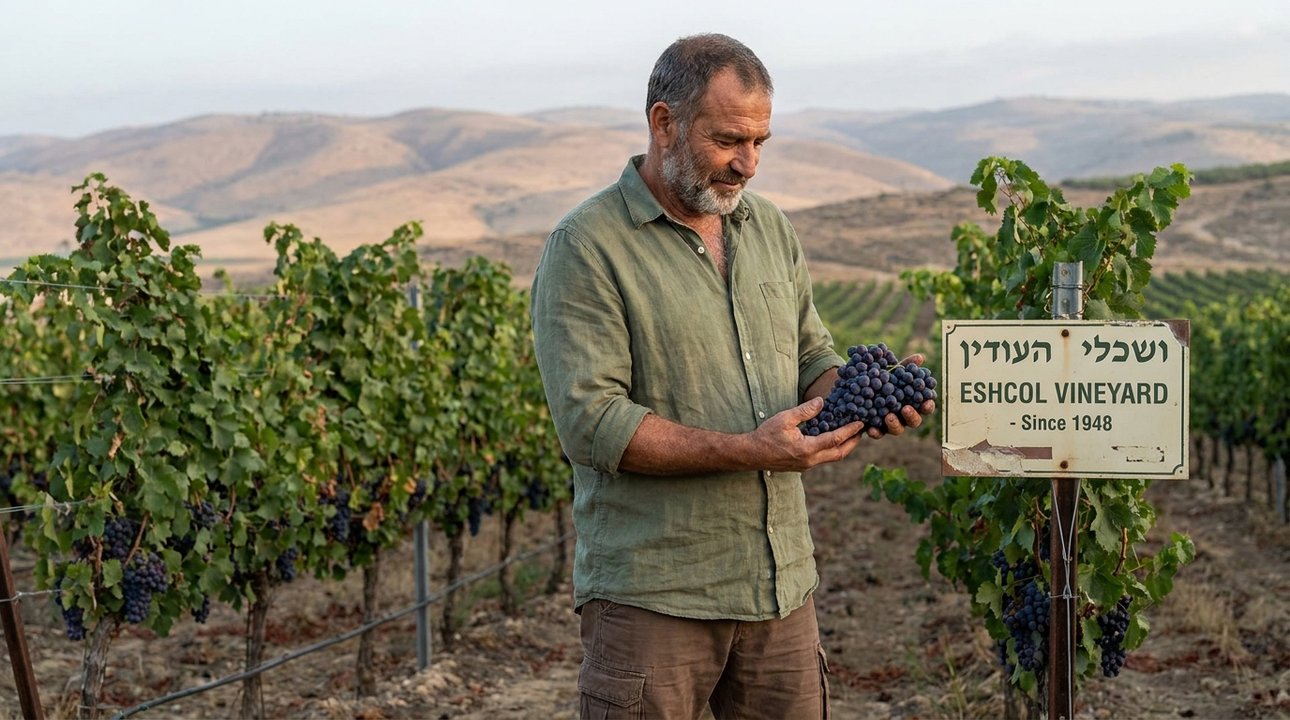
Eshcol is located in the Shephelah region, near the modern-day area of Hebron. This strategic location made it an integral part of the exploration journey. The valley served as a gateway to the land, playing a key role in the quest for a homeland.
Eshcol’s significance is highlighted by the large cluster of grapes found there, symbolizing the land’s fertility and potential. The fertile landscape offered a vision of prosperity, reinforcing its importance in their journey. This region provided not only physical sustenance but also hope for future generations.
The Report of the Spies
The exploration report was crucial in shaping the journey. While Eshcol provided evidence of the land’s promise, it also came with tales of formidable inhabitants. This duality foreshadowed the challenges and rewards of claiming the land. The narrative illustrates the balance between fear and determination, emphasizing the courage needed to pursue a future filled with opportunities.
The exploration in Eshcol serves as a reminder of the importance of seeing beyond immediate challenges and focusing on potential growth. The story illustrates the abundance that awaited and the courage required to claim it. This narrative encourages embracing opportunities with determination, knowing that perseverance can lead to rewards, even amidst challenges.
Cultural Impact of Eshcol
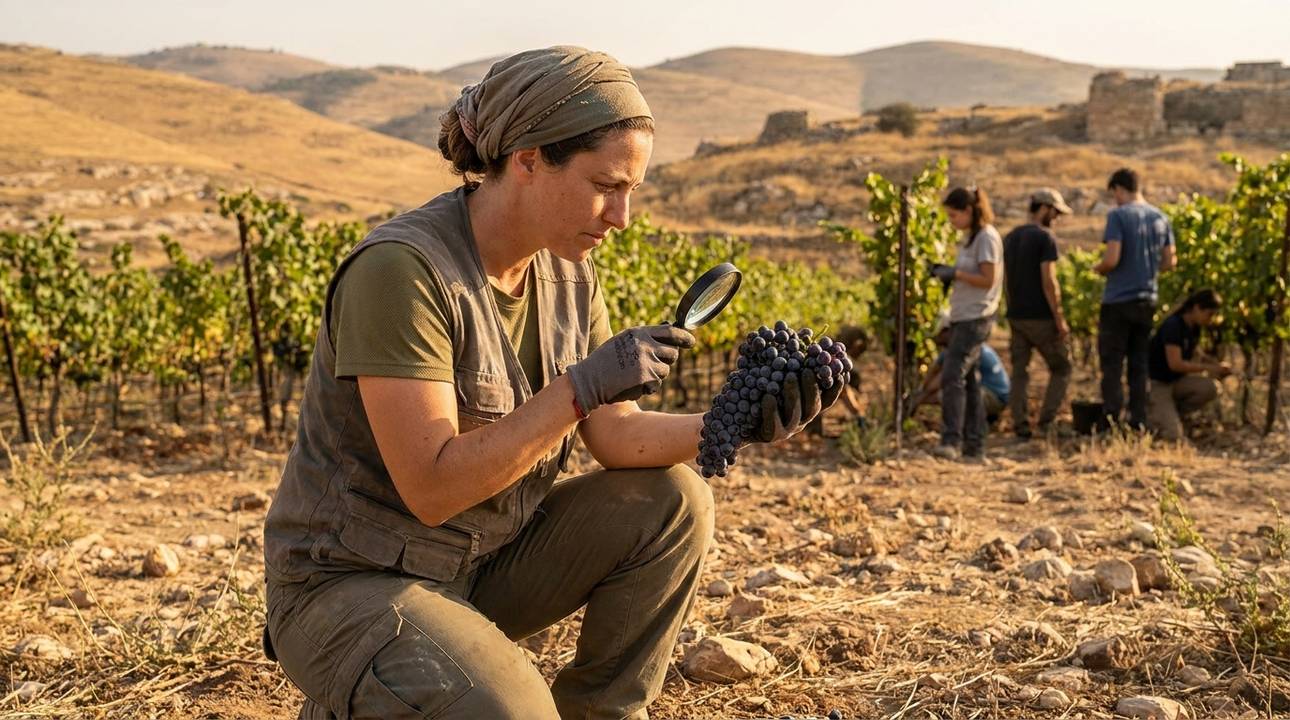
Eshcol’s story has been passed down through generations, symbolizing the tension between fear and determination. The valley became a metaphor for fruitful opportunities awaiting those who pursued them. The story teaches vision in adversity, reminding us that determination can lead to great rewards.
The account of Eshcol highlights the importance of focusing on growth and prosperity. The exploration story serves as a reminder of the courage needed to pursue dreams. The valley’s produce symbolized opportunities for those willing to take risks. Eshcol’s legacy encourages embracing opportunities with determination, knowing that perseverance can lead to rewards.
from the Western Wall to Masada.
Symbolism in the Story of Eshcol
The giant grapes of Eshcol represent possibility and abundance. By carrying them, explorers held proof of what determination could achieve. This event shows the potential in belief and perseverance.
The image of the large grapes from Eshcol is a sign of the land’s potential. This account serves as a reminder of the abundance achieved through determination. The grapes symbolize rewards from trusting in the journey and future promises. Eshcol’s legacy is remembered by those seeking to overcome obstacles and embrace possibilities.
Eshcol in Modern Interpretation
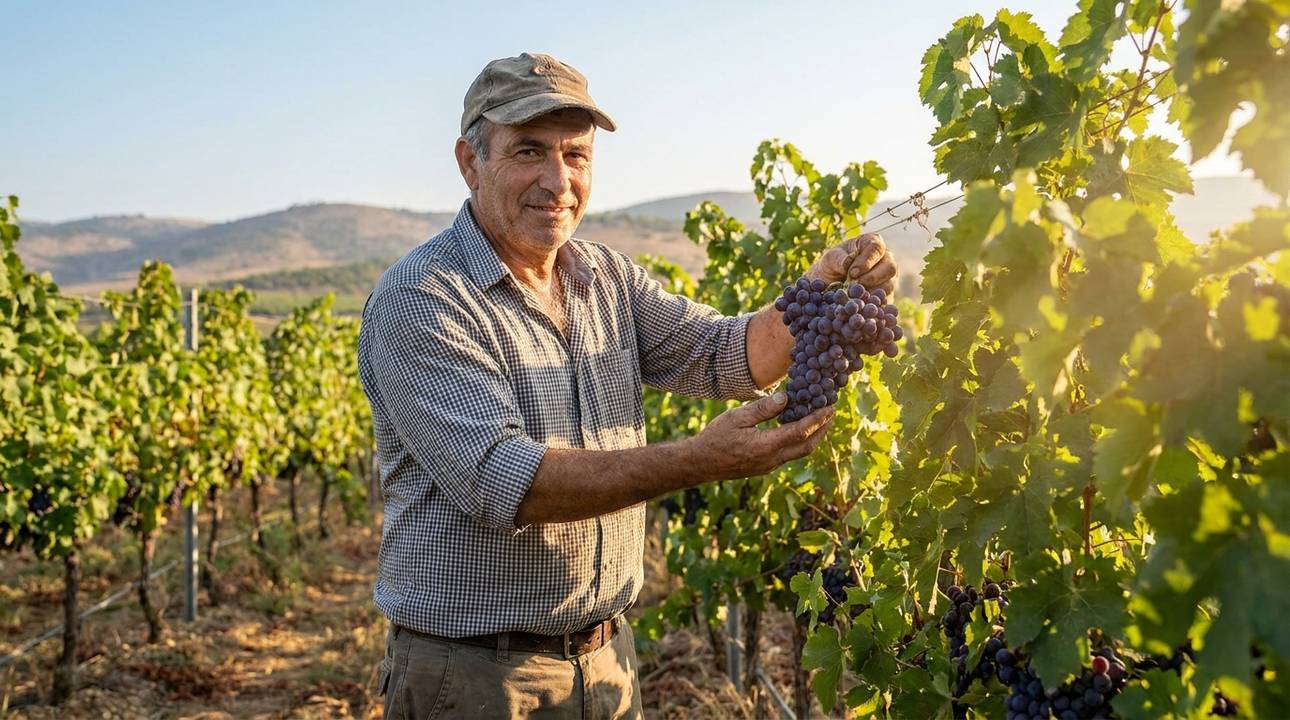
Today, Eshcol is seen as a symbol of historical prosperity and exploration’s legacy. Its story is celebrated for lessons in courage and rewards of bold determination. The journey highlights the contrast between fear and potential. The spirit of Eshcol is remembered by those who carry its story forward, encouraging acts of bravery and exploration, reminding us of perseverance’s importance.
Eshcol remains a symbol of promise and potential realized through determination. The exploration account illustrates the abundance that awaited and the courage required to claim it. This narrative serves as a reminder of perseverance’s importance and the rewards of pursuing dreams. Eshcol’s legacy is remembered by those seeking to overcome obstacles and embrace possibilities.
Eshcol’s Role in Jewish Heritage
The Valley of Eshcol holds an essential place in heritage, reminding communities of the rich potential that awaited the tribes. It is noted for its abundant produce, including a cluster of grapes so large that it required two men to carry it. This vivid image has been passed down through songs, stories, and traditions, keeping Eshcol alive in cultural consciousness. Its story is woven into identity and belonging, symbolizing a bountiful future’s promise.
Valley of Eshcol in Art and Literature
Artists and poets have long drawn inspiration from Eshcol. The imagery of abundant vines and exploration’s courage has found its way into paintings, songs, and poems, enriching cultural creativity. This imagery is rooted in the exploration account, which brought back a single cluster of grapes, pomegranates, and figs as evidence of the land’s fertility. Cultural expressions rooted in Eshcol highlight history and art’s intersection, celebrating this story’s legacy.
Conclusion: the Legacy of Eshcol
Eshcol’s legacy continues to remind us of exploration’s power. It stands as a symbol of what can be achieved when facing challenges with courage and conviction. The Eshcol account shows the potential awaiting those willing to take risks. The story encourages seeking abundance in endeavors and carrying forward the spirit of discovery, much like the explorers did, embracing the unknown with hope.
Eshcol, with its lush produce, is a sign of perseverance’s rewards. The exploration account returning with a large cluster of grapes serves as a reminder of the richness found when exploring beyond the familiar. This narrative encourages looking beyond immediate challenges and focusing on growth and prosperity potential. The spirit of Eshcol inspires pursuing goals with determination, knowing that the journey itself can lead to unexpected opportunities.
General Questions
