
What Makes the Valley of Jehoshaphat Significant?
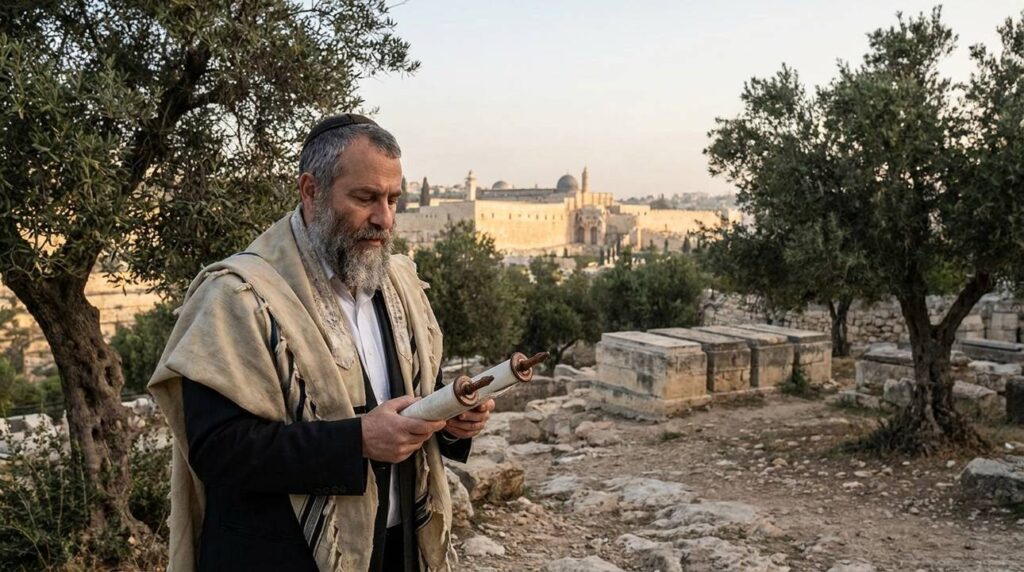

The Valley of Jehoshaphat holds significant historical and prophetic importance. It is referenced in the context of judgment and gathering in religious texts. This article explores the history, geography, and relevance of this unique location, illustrating its connection to the past and its role in future restoration.
Associated with the Kidron Valley, located between Jerusalem and the Mount of Olives, this site is steeped in history. Its geographical position emphasizes its role as a meeting point of divine and earthly realms. Historical texts and archaeological findings provide insights into its lasting legacy.
from the Western Wall to Masada.

Where Is the Valley of Jehoshaphat Mentioned in the Bible?
Jehoshaphat is recognized as a site of divine judgment in the Bible. It is described as a place where God gathers nations for judgment. The name ‘Jehoshaphat’ translates to ‘Yahweh judges’, highlighting its link to divine justice.
The prophecy influences historical understanding and cultural narratives. While its exact location is debated, it is often equated with the Kidron Valley, known for its proximity to Jerusalem. This connection to a real place enhances its prophetic role, providing a tangible link to its themes.
The association with judgment and gathering is deeply rooted in Jewish tradition. It connects theological concepts with the geographical landscape, highlighting the interaction between text and land. Scholars study this connection to understand its implications across different eras.
Its significance extends beyond its physical presence, symbolizing divine justice and hope for future restoration. Its role in Jewish tradition and thought ensures its place in theological discourse, inviting exploration and reflection on its meanings.
Why Is the Valley of Jehoshaphat Historically Significant?
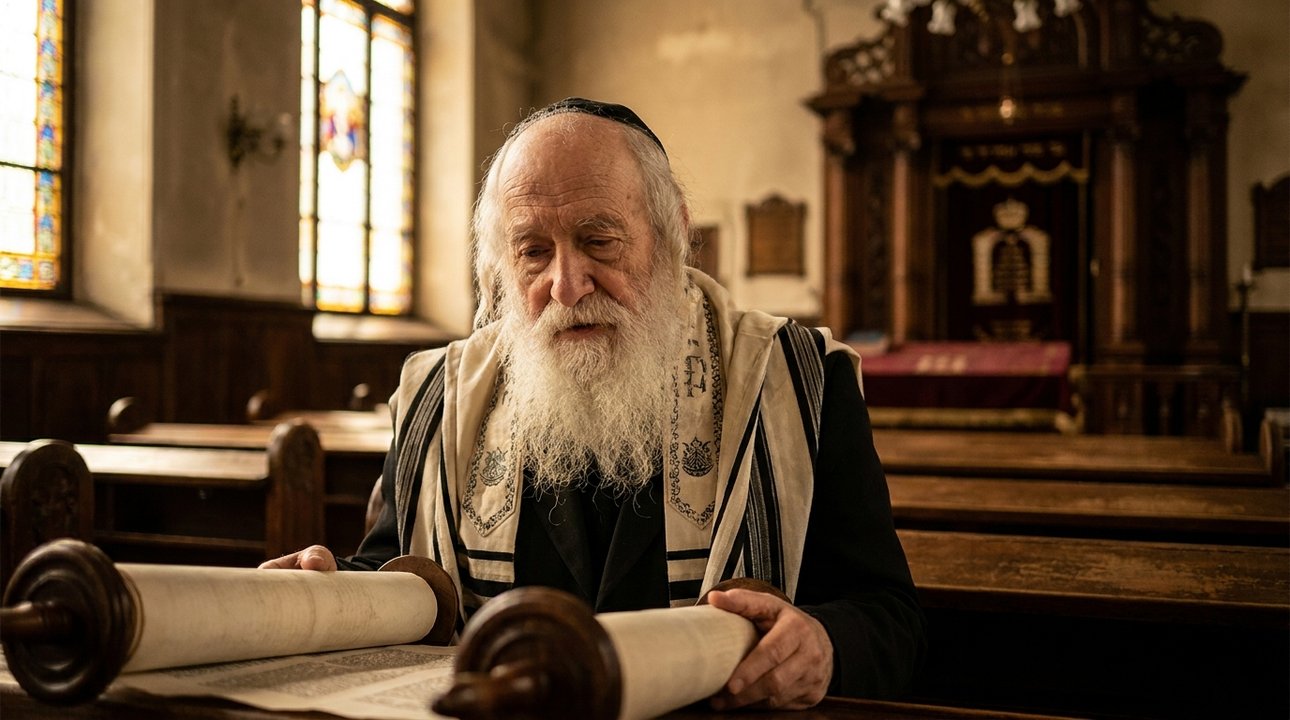
Historically, Jehoshaphat is believed to be part of the Kidron Valley, bordering the Old City of Jerusalem. Its proximity to significant sites adds to its historical importance. Throughout history, it has been a site of burial and remembrance.
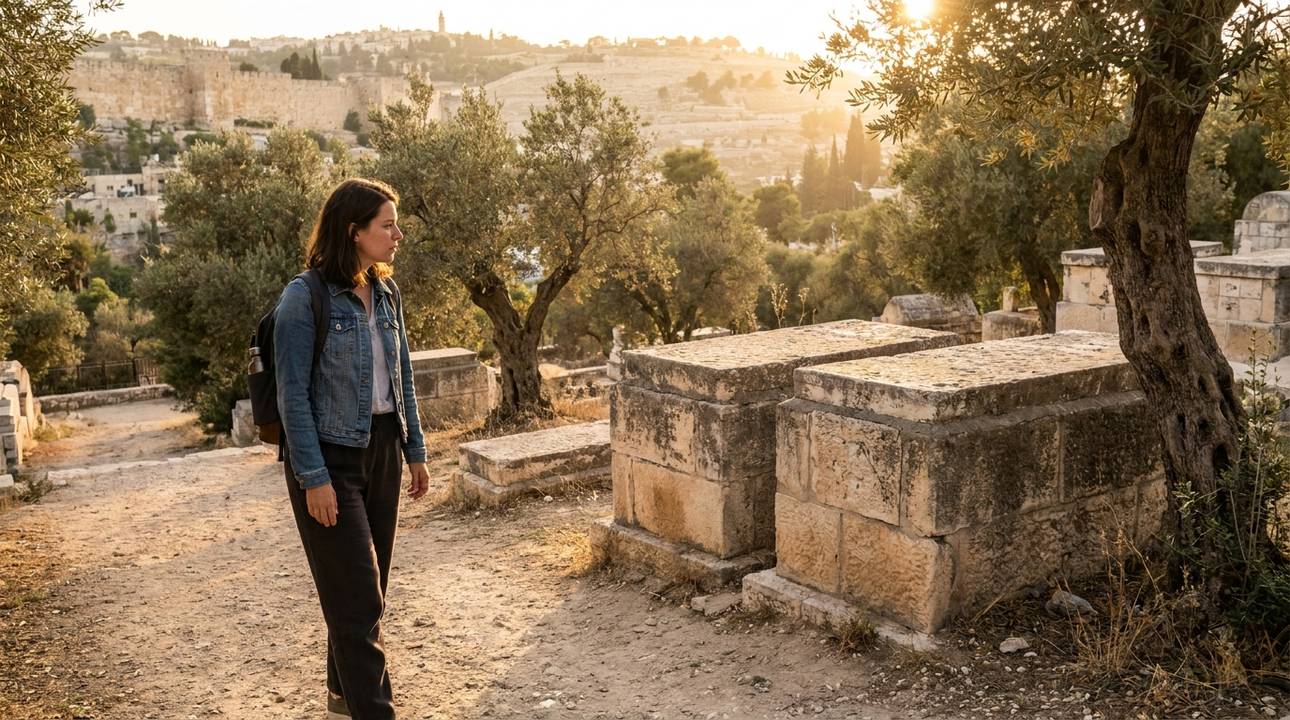
Ancient tombs and monuments highlight its role in cultural memory. Traditionally, it has hosted various religious ceremonies, linking the past with current practices.
The area has seen numerous pilgrimages, acts of remembrance and connection. Its sacredness is derived from these historical associations, preserving cultural elements and religious observances. Its closeness to Jerusalem, central to Jewish faith, enhances its spiritual significance.
Geography of the Valley of Jehoshaphat and Its Proximity to Jerusalem
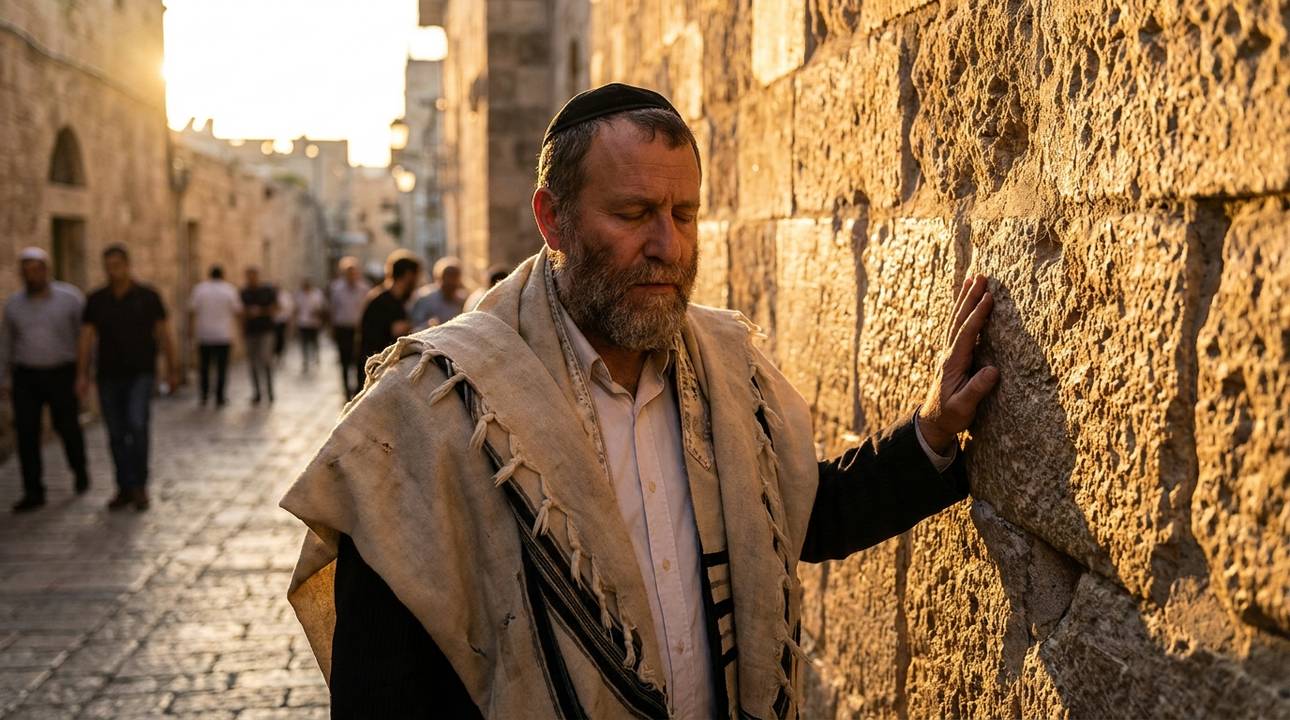
The geographical identity of Jehoshaphat is a topic of discussion among scholars. Most associate it with the Kidron Valley, known for its steep landscape and proximity to Jerusalem.
This connection to the Holy City adds significance. The Kidron Valley has been an important burial site for millennia, imbuing it with reverence intertwined with cultural identity.
The valley’s proximity to landmarks enhances its importance in the collective imagination. For those exploring narratives, its location invites reflection on the interactions between place, belief, and identity.
Identifying these geographical correspondences enriches our understanding of texts. It allows readers to visualize narratives within real landscapes, grounding themes in tangible places. The Kidron Valley, often equated with Jehoshaphat, is mentioned in historical events, adding depth.
Theological Interpretations and Symbolism of the Valley
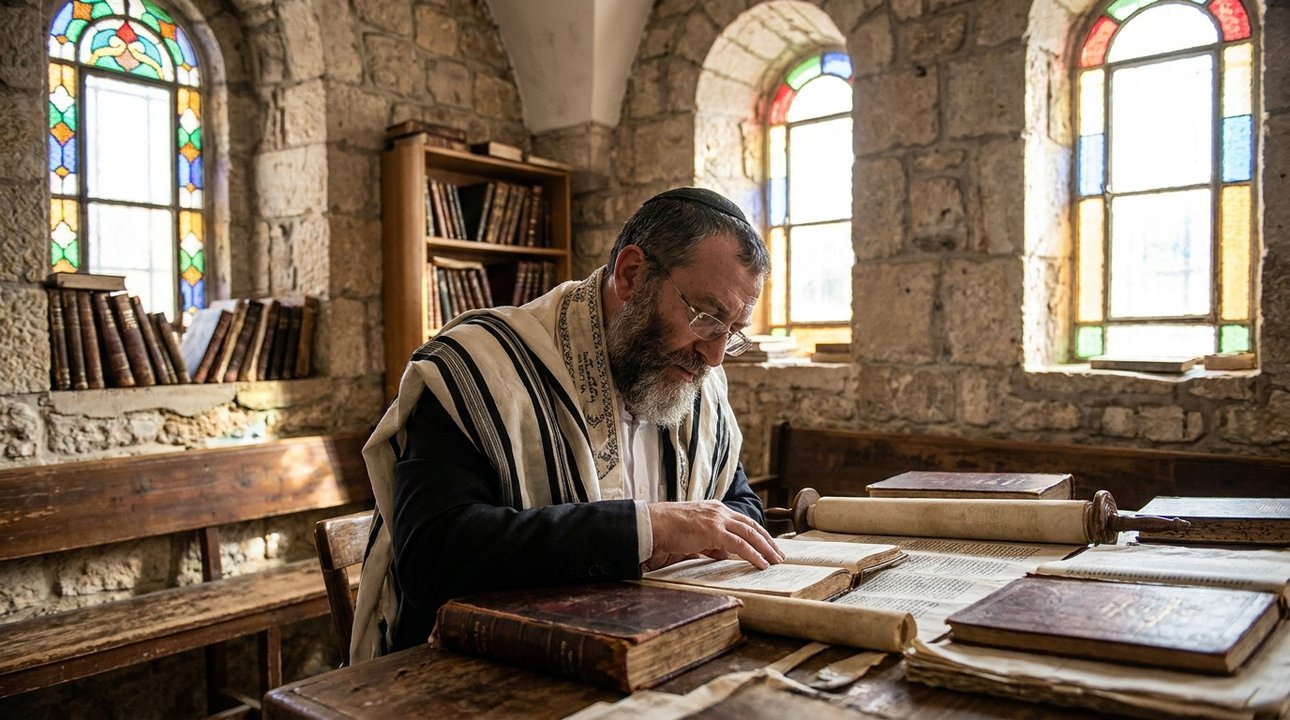
Jehoshaphat is woven into theological interpretations concerning divine justice and eschatology (end-time beliefs). Its appearance in prophetic texts emphasizes its symbolism as a place of God’s judgment.
Linked with eschatological themes, it represents a location where nations gather. These images reflect beliefs about divine intervention and justice, symbolizing hope and restoration.
from the Western Wall to Masada.
These symbolic representations spark dialogues about justice and divine will. Its messages resonate through generations, tying theological inquiry with the physical realities of place. In the Hebrew Bible, it symbolizes a gathering for judgment, where nations are summoned for divine reckoning.
Its role as a physical and conceptual site continues to captivate those seeking to understand its layers of meaning. Its presence in prophecy and Jewish tradition invites exploration and reflection, ensuring its place in discourse. The dialogue it inspires bridges past and present, offering insights across time.

The Valley of Jehoshaphat’s Role in Jewish Tradition
In Jewish tradition, Jehoshaphat is seen as symbolic of ultimate justice and represents a future promise of redemption. Its role as a perceived site of gathering imbues it with solemnity and reverence within Jewish thought.
This has ensured its presence in Jewish consciousness, a site where communal hopes and individual faith converge. This intersection of prophecy and place underscores its role in the Jewish narrative, embedding it as a symbol within spiritual tradition.
Traditions align this place with the hope of return and restoration, a bond integral to Jewish identity. Its associations reflect the connection between person and place. In the Hebrew Bible, the concept of return speaks of gathering the exiles.
This confluence of belief and geography offers a conversation point for exploring Jewish teachings and their impact on beliefs about justice and redemption.

Modern Perspectives on the Valley of Jehoshaphat
Today, Jehoshaphat remains a point of interest, both physically and in cultural imagination. Its past continues to offer intellectual engagement, inviting exploration into themes of justice and hope. Though modern scholarship often focuses on historical analyses, it remains in the hearts of those who embrace its lessons. For many, it serves as a reminder of connections and aspirations, bridging traditional narratives and today’s world. Such perspectives reveal the ongoing relevance of sites in shaping cultural identities and inspiring exploration.
Contemporary discussions encompass archaeological inquiries and speculative theology, breathing new life into ancient landscapes. Though steeped in history, these discussions provide a dialogue with the past, ensuring its tales are appreciated anew. Archaeologists have uncovered artifacts that offer insights into its historical role.
As interest persists in linking physical sites with narratives, Jehoshaphat emerges as a hub for reflection and learning, offering insights that transcend time and space. Its presence in Jewish thought and its role in prophecy ensure its continued relevance as a site of contemplation and discovery.
Conclusion: the Enduring Legacy of the Valley
In summary, Jehoshaphat stands as a testament to the enduring significance of landscapes. Its blend of geography and symbolism continues to captivate across generations. Whether explored through historical, theological, or cultural lenses, it offers insight into shared traditions and reflections. Its messages of justice and hope remain vibrant, inviting exploration. Jehoshaphat’s multifaceted legacy underscores its importance, solidifying its status as a vital part of heritage, where physical and spiritual journeys intertwine.
Understanding the Valley
