
Understanding Gebal: Ancient Significance and Modern Insight


Gebal is recognized as an ancient city with a rich historical and cultural role. Known today as Byblos, it was a hub for trade and interaction among diverse peoples. The city’s skilled builders were renowned for their craftsmanship, particularly in ship construction, which facilitated trade. This article explores Gebal’s multifaceted role in ancient texts, its legacy in regional history, and its influence on the development of the Phoenician alphabet. The city’s contributions to writing and commerce have significantly impacted Mediterranean civilizations.
What Is the Historical Reference to Gebal?
Gebal was a significant Phoenician city, located in what is now Lebanon. Its shipbuilders were known for their contributions to maritime trade.
These craftsmen were key in constructing vessels that enabled extensive trade networks across the Mediterranean. The city was an essential link in regional commerce, recognized for its craftsmanship and strategic importance.
from the Western Wall to Masada.

Its location allowed for the exchange of goods such as timber and papyrus, which were highly valued in ancient markets. The Phoenicians were known for their seafaring abilities, and Gebal’s shipbuilders played a crucial role in maintaining these trade routes.
The city’s influence extended beyond commerce, as it also contributed to the spread of the Phoenician alphabet, which became the basis for many modern writing systems.
Historical and Geographical Significance of Gebal
Situated on the Mediterranean coast, Gebal’s location made it a key player in regional trade. Its proximity to sea routes facilitated the exchange of goods and ideas, influencing many neighboring cultures.
The city was a major exporter of papyrus, which is where the Greek word ‘Byblos’ (meaning book) originates. This connection highlights Gebal’s role in the spread of literacy and written communication.
Historically, Gebal was not only a center of trade but also a place of learning and religious practice.
Known for its temples and scholarly contributions, such as its role in the spread of the Phoenician alphabet. The city’s temples, dedicated to deities like Baalat Gebal, were centers of worship and cultural gatherings. These temples served as focal points for religious ceremonies and community events, drawing people from surrounding areas to participate in the cultural life of the city. Gebal’s influence extended far beyond its borders, leaving a legacy on the ancient world.
Gebal’s Role in Phoenician Culture
As a cornerstone of Phoenician culture, Gebal was instrumental in the development of the Phoenician alphabet, which laid the groundwork for contemporary writing systems. This contribution has left a significant mark on history, influencing languages globally.
The alphabet, consisting of consonants, was a revolutionary step that simplified writing and communication, impacting Greek and Latin scripts. The cultural output of Gebal, including its art and religion, shaped the identities of many societies around the Mediterranean basin.
Artifacts from Gebal reveal a blend of Egyptian and Mesopotamian influences, showcasing its role as a cultural mix. The city’s art and religious practices were influenced by its interactions with neighboring cultures, creating a unique blend that was distinctly Phoenician. This cultural exchange is evident in the intricate designs found on pottery and the religious symbols depicted in temple carvings.
Archaeological Discoveries at Gebal
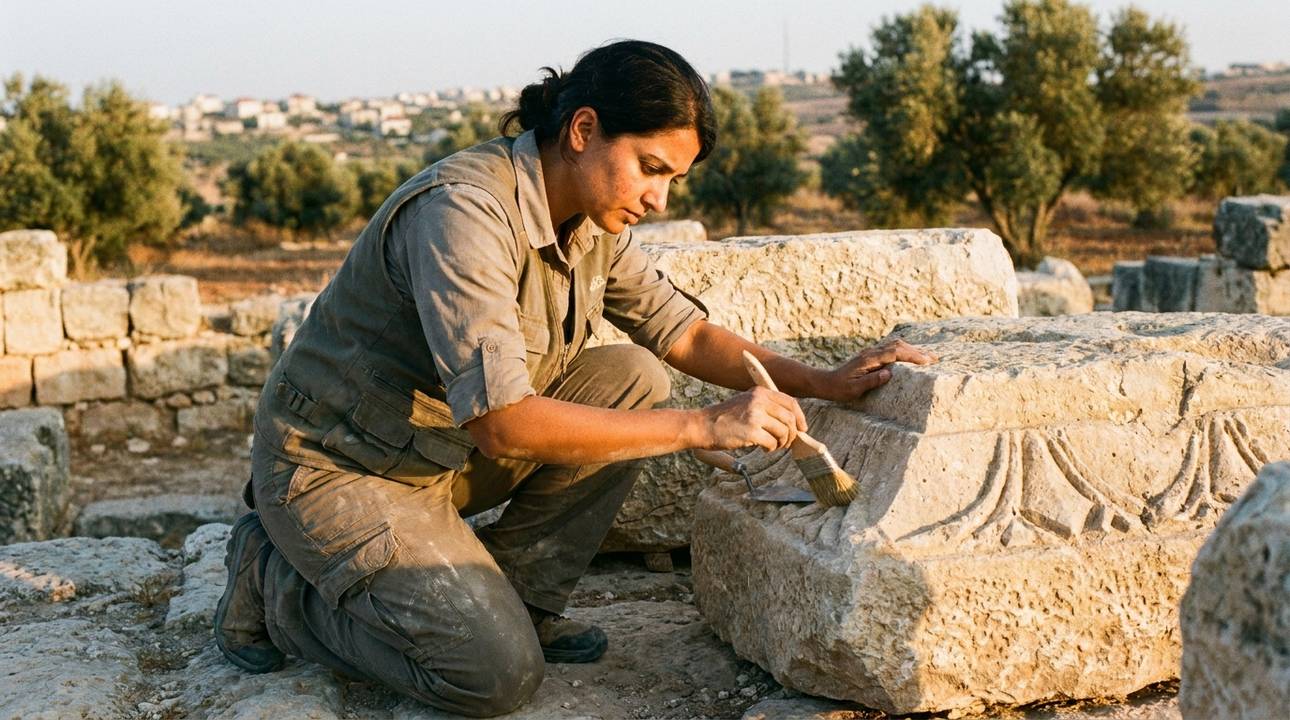
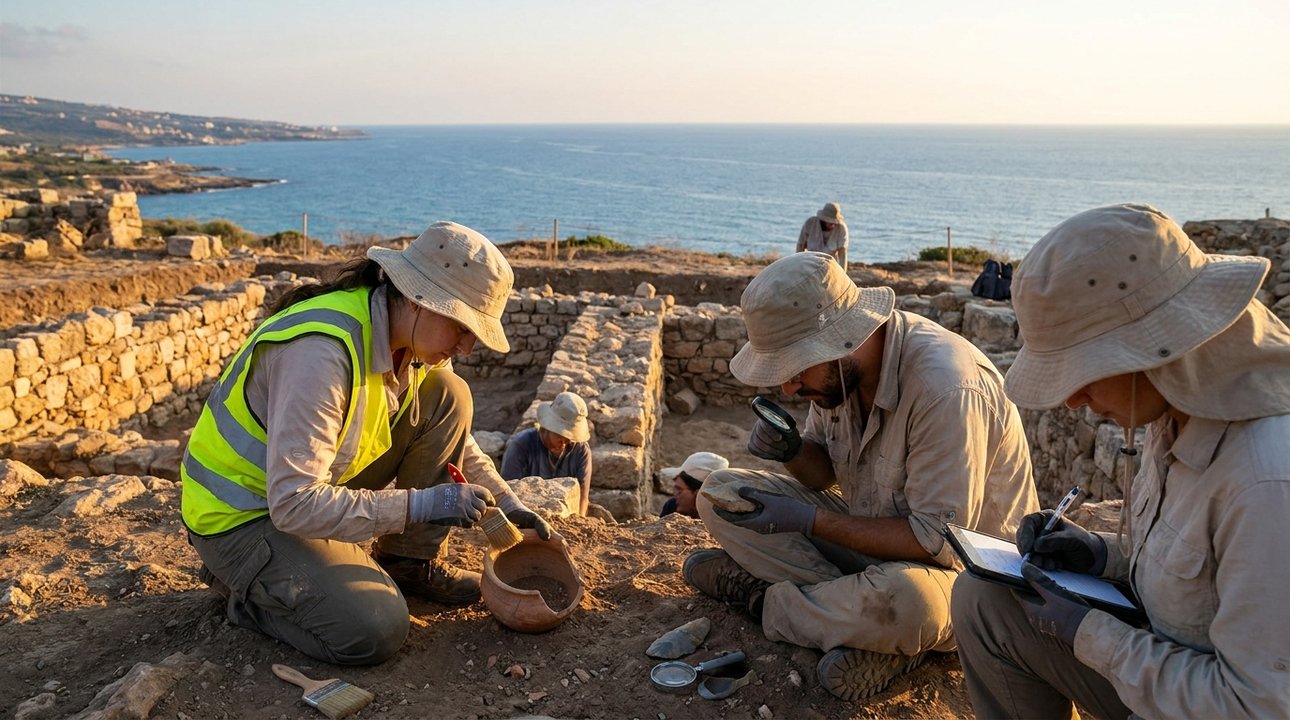
Modern archaeology in Gebal has uncovered an array of artifacts that shed light on its past. Excavations have revealed temples, inscriptions, and other relics, painting a picture of a thriving ancient city.
Among these finds are Phoenician inscriptions that provide insights into the language and religious practices of the time. One notable discovery includes the Temple of Baalat Gebal, which was dedicated to the city’s patron goddess.
This temple, along with others, highlights the religious architecture that was prevalent in the region.
These findings not only underscore its historical importance but also help historians piece together the daily lives and customs of its inhabitants, offering a view into the social and economic structures of ancient Gebal.
Artifacts such as pottery, tools, and jewelry reveal the craftsmanship and trade skills of the people who lived there. The city’s strategic location on the Mediterranean coast made it a bustling hub for commerce and cultural exchange.
from the Western Wall to Masada.
Gebal: Connection to the Bible and Beyond
Gebal’s historical mention highlights its role in the broader historical context of the region. This city, known today as Byblos, was part of a network that facilitated cultural and commercial exchanges vital to the region and its neighbors.
Gebal’s skilled workers were recognized for their contributions to maritime trade, emphasizing their importance in the ancient world. Its strategic positioning made it pivotal during historical times, intertwining its fate with the history of the region.
The city’s craftsmen were known for their expertise, contributing to the construction of ships that sailed the Mediterranean, connecting various cultures and economies. Byblos was not only a center of trade but also a place of learning and religious practice. Its temples and schools attracted scholars and religious leaders from across the region, making it a hub of intellectual and spiritual activity.
Modern Significance of Ancient Gebal
Today, Gebal retains its importance as a site of archaeological interest and cultural heritage. It serves as a reminder of the interconnectedness of past civilizations and the shared history that binds humanity.
The ancient ruins, including the Temple of Baalat Gebal, attract scholars who study the architectural styles and religious practices of the time.
Present-day Byblos attracts scholars and tourists, drawn by its ancient ruins and storied past, maintaining its relevance in the modern era as a UNESCO World Heritage Site.
The preservation efforts ensure that the city’s history continues to be explored and appreciated by future generations. In addition to its history, Byblos is a community that celebrates its heritage through festivals and cultural events. Visitors can explore the city’s historical sites and enjoy the hospitality of its people, who are proud to share their unique history and traditions.
Exploring Gebal Through Lev Haolam
Lev Haolam offers an opportunity to connect with the heritage of places like Gebal by supporting small businesses. Our boxes may include unique products crafted by local artisans, contributing to their livelihoods.
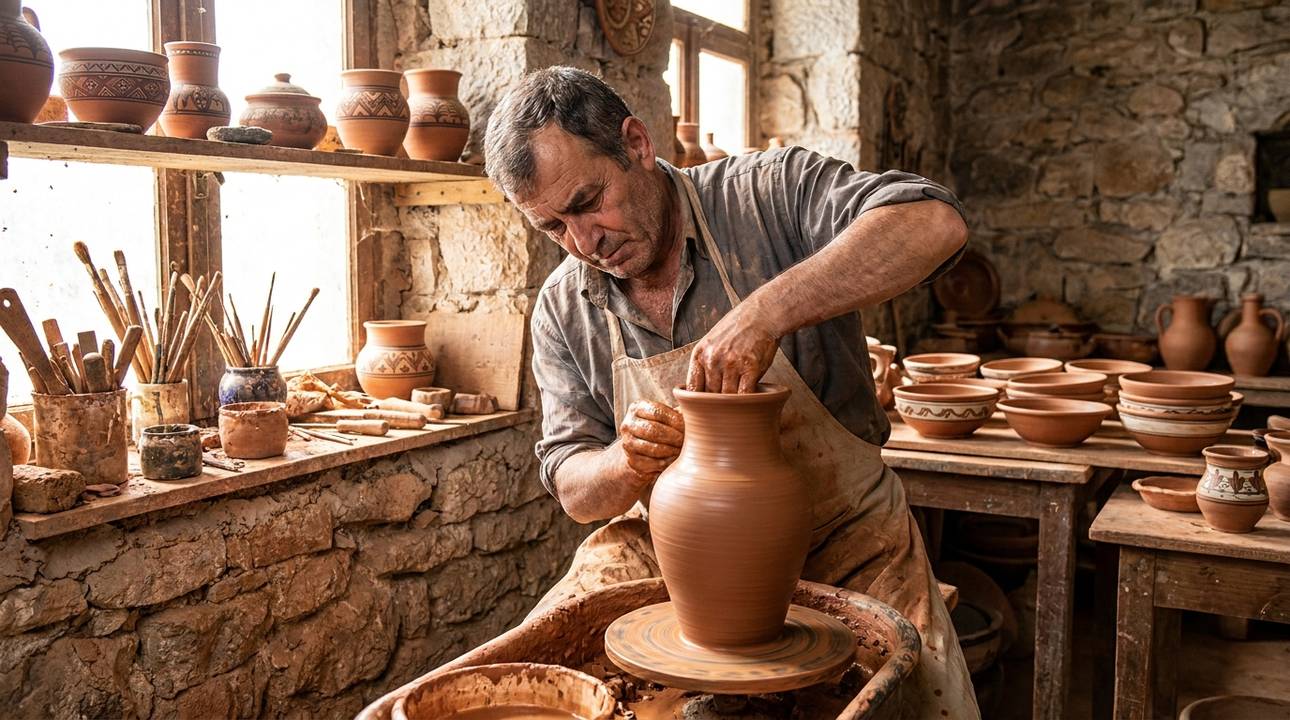
By purchasing these items, you support the continuation of traditional crafts that have been passed down through generations.
Each box may feature a selection such as 6-8 products, and contents vary.
This support benefits the artisans and strengthens the cultural ties that link us to these ancient places. By choosing to support these businesses, you help preserve the mix of history and culture that defines regions like Gebal. The products you receive are not just items; they echo the traditions and stories of those who came before us.
Understanding Gebal's Role
