
Discover the History of Gordon’s Calvary
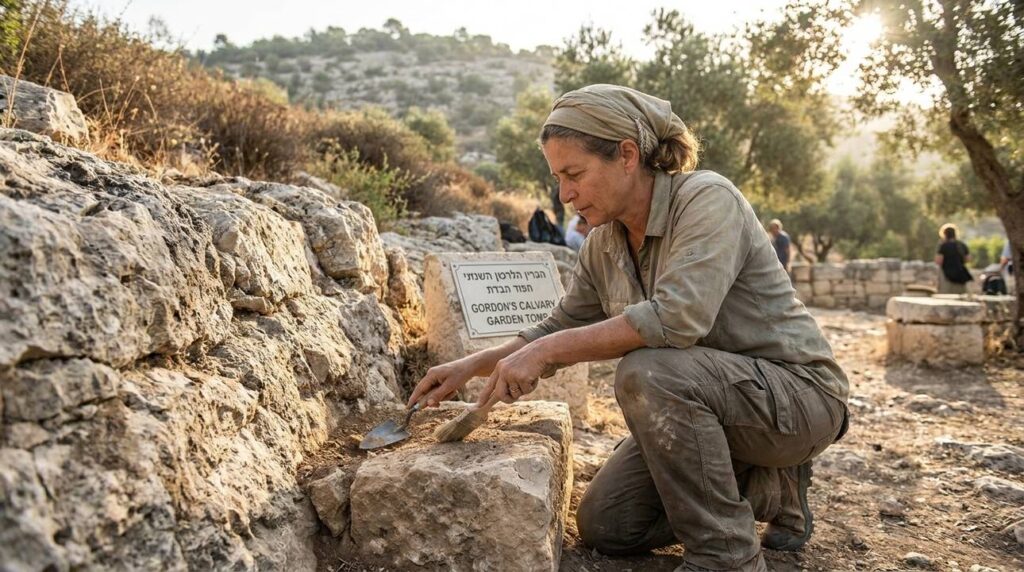

Near Jerusalem, a place commonly called Gordon’s Calvary is visible from points just outside the Old City. The site sits on a small ridge and shows a rocky outcrop with unusual shapes. In the late 1800s, British officer Charles Gordon described this feature, and his note was copied into later guidebooks. The spot appears in travel literature and in scholarly discussion. This article explains where the site is, what a visitor can expect to see, and why researchers include it in surveys of the city landscape. The tone is factual and practical, with short descriptions and plain wording for readers who prefer straightforward information.
Charles Gordon wrote a short description of a rocky outcrop outside the Old City in the 19th century. Travel writers of that era made many such notes. Later guidebooks repeated Gordon’s observation and that is how the name has become common in some sources.
from the Western Wall to Masada.

Scholars study places like this by combining different kinds of evidence. They look at older maps, written travel accounts, the visible rock shapes, and any small finds found on the surface. For this outcrop the physical evidence at ground level is limited. As a result, experts compare it with other, better-documented locations to form cautious conclusions.
What Is Gordon’s Calvary?
Gordon’s Calvary is a rocky rise on the western slope just outside Jerusalem’s Old City walls. The rise is small. The surface shows natural shapes and some marks from past quarrying or scraping. Observers have recorded the rock in straightforward descriptive terms. The feature is easy to see from nearby paths and viewing points.
Some older written sources use a phrase that can be translated as “place of the skull.” This phrase appears in various old texts and has been applied more than once to features in and around the city. Modern researchers treat that old name carefully. They do not assume a direct link between a single rock and the name without stronger evidence.
Evidence and Limits
Excavation and survey inside and close to urban Jerusalem are often limited by later construction. Many small surface features cannot be dug in depth because of buildings and modern infrastructure.
For features like this outcrop, survey methods and surface finds are commonly used. Where deeper digging is not feasible, specialists rely on maps, travelers’ notes, and comparisons with nearby places that have better records. This kind of work produces several possible readings rather than a single, definitive history.
How Researchers Work
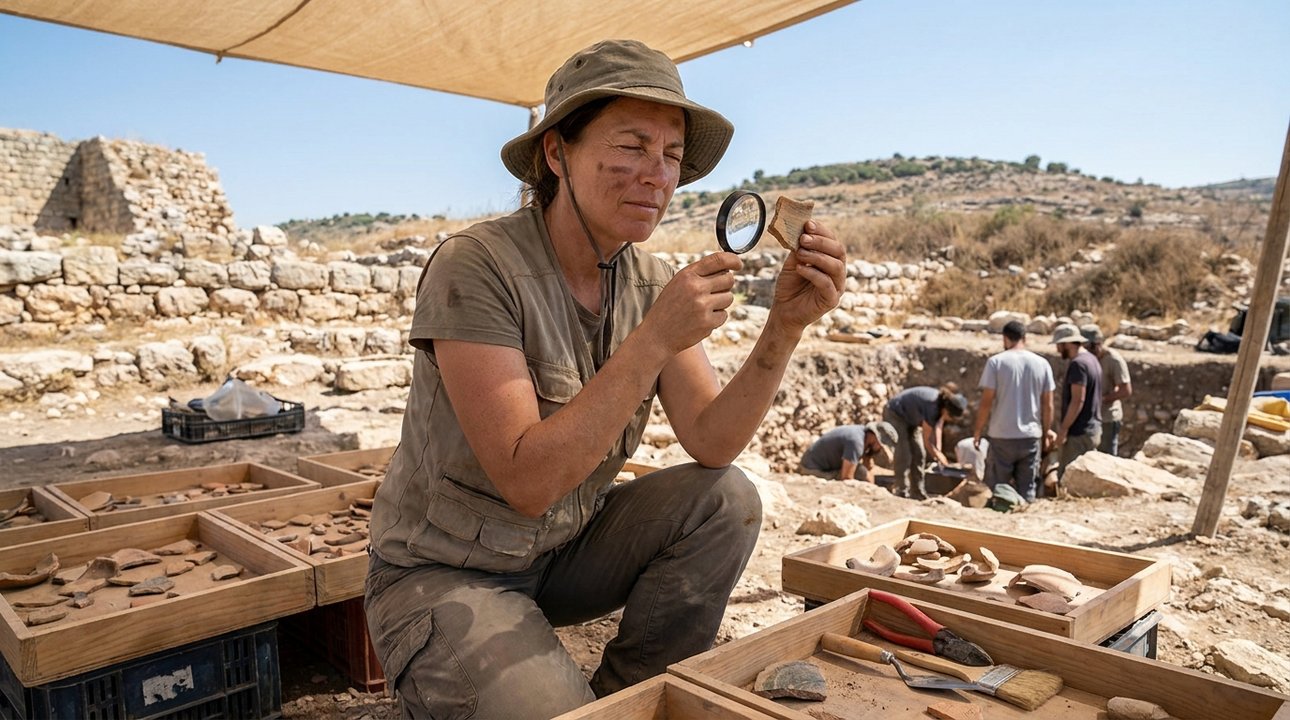
Fieldwork combines on-site observation with documentary research. Specialists review maps from different times to note old paths and built features. They also read travel journals to see what visitors wrote down in earlier centuries.
On the ground, archaeologists examine stone surfaces, any soil layers that are accessible, and small artifacts found near the outcrop. They compare these data points to test ideas about how the place was used over time. If a modern claim ties a feature to an older document, researchers check that the dates and situation match. If the fit is poor, the claim remains unproven.
Older observers often described what they saw using the language and expectations of their own day. Modern researchers try to separate those impressions from what can be measured or dated now.
Field Visits and What to Expect
The site is small and is not arranged as a large park. Visitors mainly see exposed bedrock and a short slope. Nearby paths give reasonable viewing points. In many cases, short signs provide a summary of the discussion and point to further reading.
A short stop of 15–30 minutes is usually enough to view the rock and to read any panels. Some people stop briefly while walking other nearby sites. If you want a longer, more detailed study, check academic publications and specialist reports listed in the sources.
from the Western Wall to Masada.
Practical Visitor Notes
Access: The outcrop is reachable on foot from central Jerusalem points near Jaffa Gate, or by a short taxi ride. Paths are public but can be uneven. Wear comfortable shoes and plan for modest walking.
Time: Allow fifteen to thirty minutes for a basic stop. For a fuller visit that includes neighboring sites, set aside a half-day. This allows time for walking and brief rest stops.
Etiquette: The area sits inside a busy urban environment with private and public plots nearby. Please respect fences, markers, and any posted rules. Stay on public paths and avoid crossing into private property.
Historical Context in Simple Terms
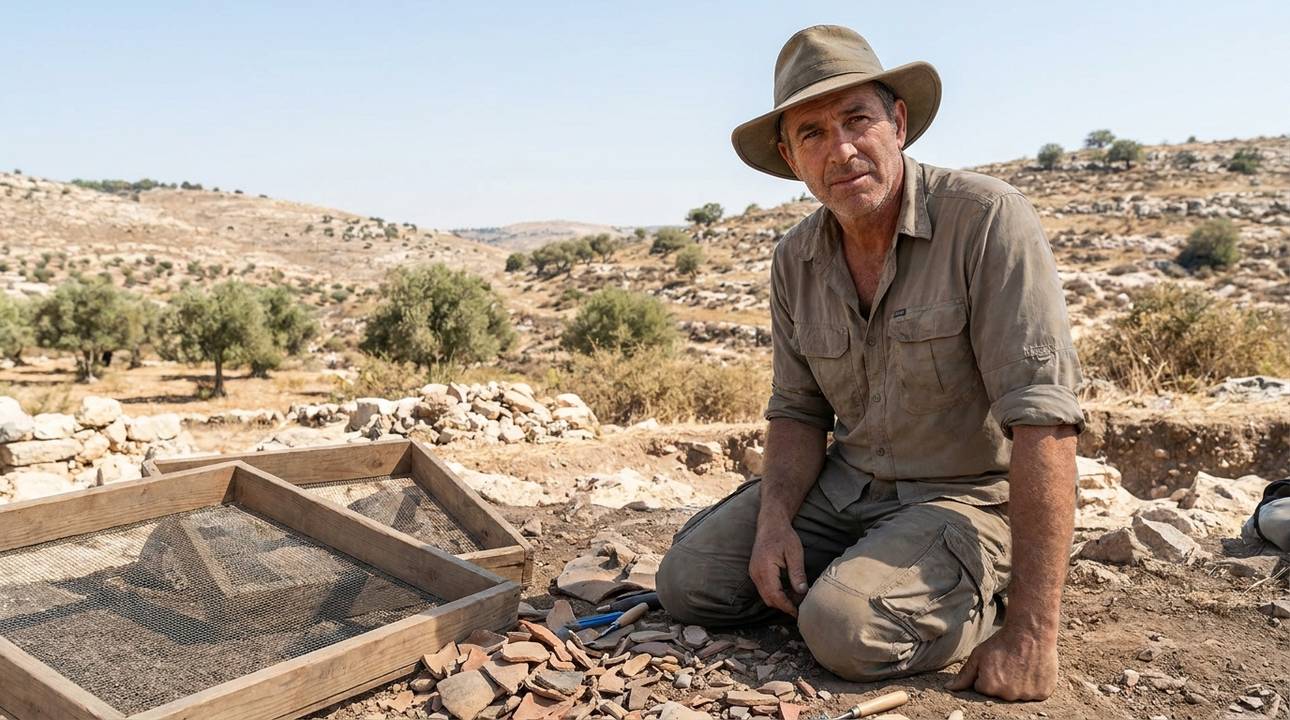
Jerusalem’s western slopes include many small features. Some are quarry scars. Others are natural rock outcrops shaped by weather. Over long periods, people used the stone for building. They also made shallow cuts for everyday tasks.
Close study can sometimes show traces of these actions. However, tying a single rock shape to a named place or to a specific event needs stronger proof than surface observation. Documentary records from Roman, Byzantine and Ottoman periods provide useful context when they are available. For this particular outcrop, surviving written records are limited and often fragmentary. Scholars therefore describe options and state the limits of what can be claimed.
Comparing Nearby Sites
Researchers consider this outcrop alongside several nearby points to form a fuller picture of land use in the area. Looking at multiple features together helps avoid placing too much emphasis on any single rock.
When new finds appear, scholars publish detailed reports with methods and dating. Those reports normally go through peer review and give readers a chance to check the evidence for themselves. If you want more technical detail, consult those specialist publications and the bibliographies they include.
This account aims to stay neutral and factual. It describes what a present-day visitor is likely to see. It also explains why experts are cautious about firm interpretations when the evidence is limited. For further reading, follow the links at the top of this article and consult academic sources noted in specialist bibliographies.
General Information
