
Understanding the Herodium: Exploring Its Map and History


Herodium is an archaeological site that offers insights into the era of King Herod. Situated in the Judean desert, it stands as a testament to Herod’s architectural skills. This article examines its map, highlighting the engineering marvel set in ancient Judea. Built between 23 and 15 BCE, Herodium was both a fortress and a palace complex. Its strategic location underscores its importance. Herod’s selection of this site was a calculated move to display power and influence.
Constructed on an artificial hill, Herodium is one of the highest points in the area, offering a commanding view. Herod’s construction of Herodium coincided with his other major projects, such as the expansion of the Second Temple. Mentioned in the works of the Jewish historian Josephus, the site is described in detail, providing insights into Herod’s architectural endeavors. Josephus’ accounts give us a deeper understanding of the historical context and significance of Herodium.
from the Western Wall to Masada.
What Is Herodium?
Herodium is an ancient fortress and palace built by King Herod around 23 BCE. It served as a royal palace and fortress. Its location was strategically chosen to oversee the surrounding area and protect against potential threats. It is notable for its height and unique circular shape, standing as a sign of Herod’s architectural ambition and strategic foresight.
Built on an artificial hill, the fortress enhanced its defensive capabilities, making it a prominent landmark. Herod chose this location for its proximity, allowing him to maintain oversight over the area. Herodium’s circular design was both aesthetically pleasing and practical, facilitating defense and communication. This innovative approach to design demonstrated Herod’s forward-thinking mindset and his commitment to creating structures that were both functional and visually impressive.
The Map of Herodium: Layout and Structure
The Herodium map reveals a complex layout featuring a palace, bathhouse, and defensive structures. The palace included a grand staircase, a significant architectural feature, leading to reception halls. Lavish gardens surrounded the palace, showcasing Herod’s appreciation for beauty and luxury. The combination of these elements made Herodium a blend of opulence and military might, reflecting Herod’s dual focus on grandeur and security.
The defensive structures included a series of walls and towers, ensuring security and control over the area. Herodium’s circular design allowed for efficient defense and communication. Reception halls served for hosting dignitaries and conducting affairs of state, emphasizing Herod’s role as a political leader. The layout of Herodium reflects its dual purpose: a luxurious residence and a fortified stronghold, illustrating Herod’s multifaceted approach to governance and architecture.
Herod the Great: Vision Behind Herodium
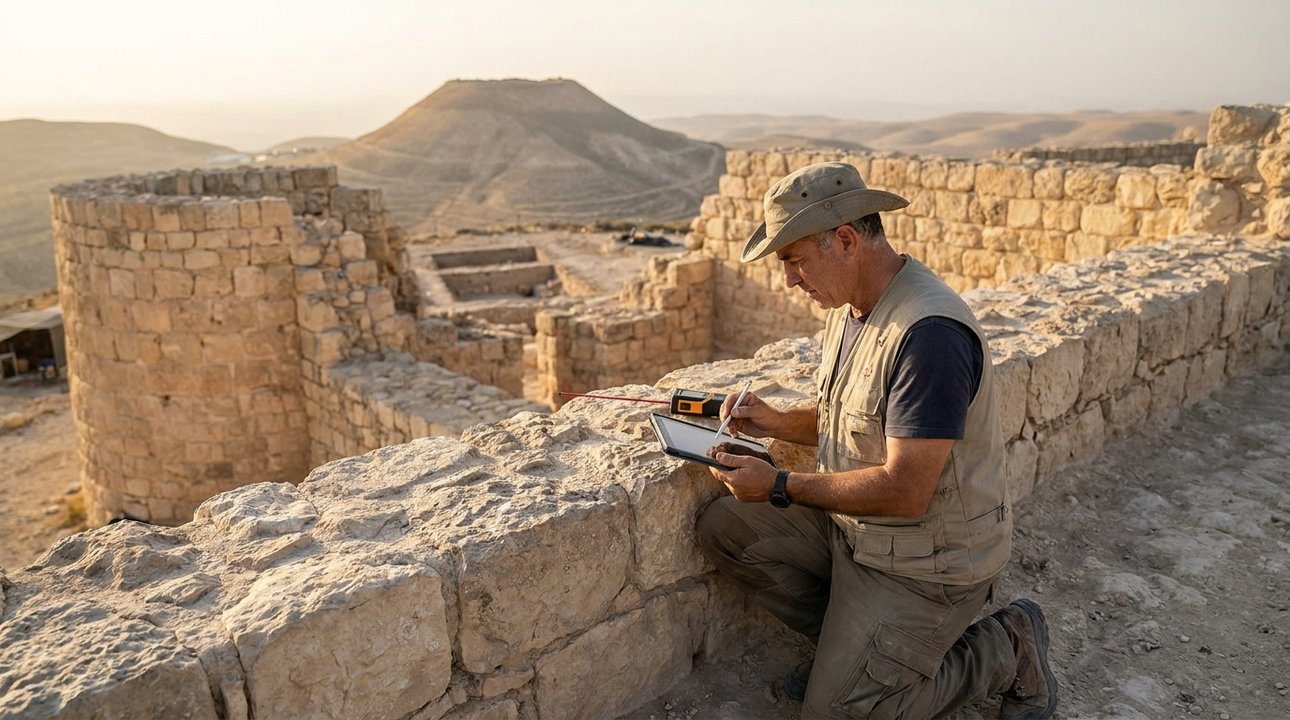
King Herod, known for his building projects, envisioned Herodium as a symbol of his power. His construction projects were not only about grandeur but also about asserting his authority. This vision is reflected in the intricacies of Herodium’s design, intertwining opulence and strategic requirements. Herod’s architectural style often included Roman influences, which can be seen in the detailed planning and execution of Herodium’s structures.
Herod’s projects were characterized by their scale and ambition, aiming to impress both his subjects and foreign visitors. The integration of Roman architectural elements with local traditions created a unique style that defined Herod’s reign. Herodium’s construction was part of Herod’s broader strategy to consolidate his power. By building grand structures, Herod not only showcased his wealth but also created a legacy that would endure, influencing future generations of builders and rulers.
What Does Archaeology Reveal About Herodium?
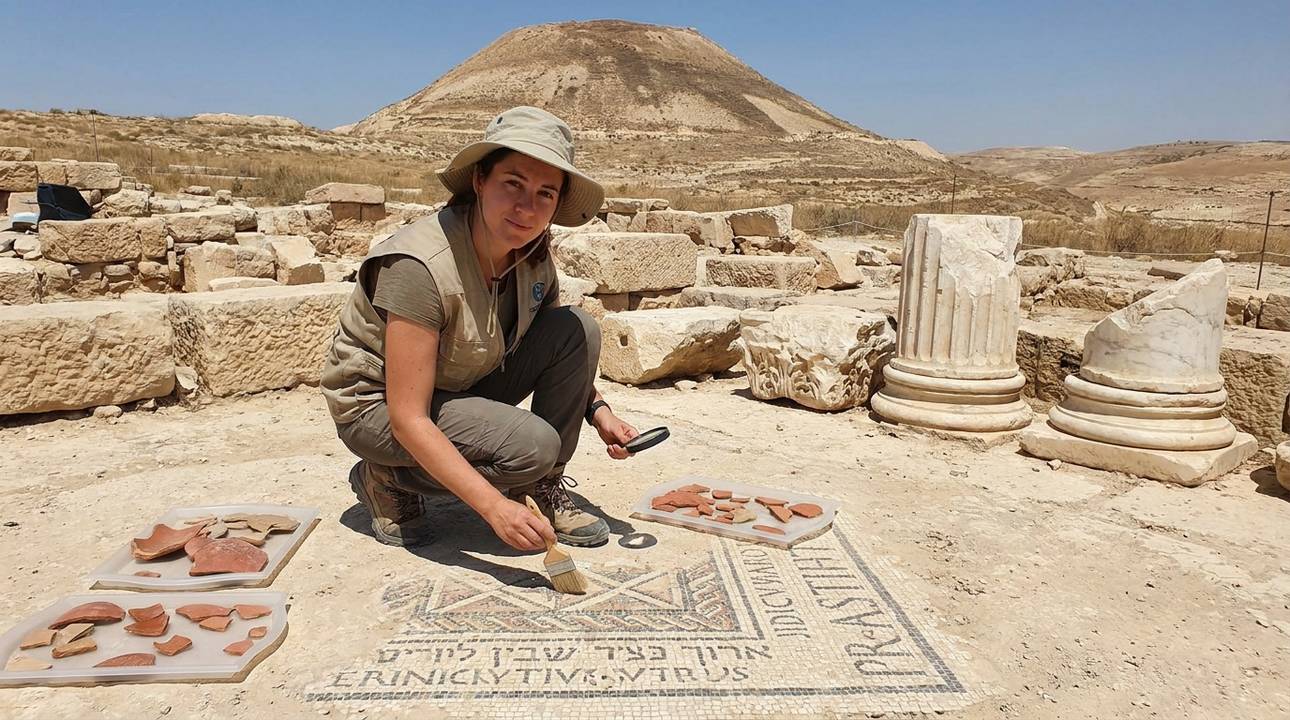
Archaeological excavations at Herodium have unearthed artifacts granting insight into Herod’s reign. Discoveries include mosaic floors and marble fragments, which showcase the artistic influences from the Roman Empire. The mosaics, with intricate designs, highlight the cultural exchange between Judea and Rome. These findings illustrate the advanced techniques and cultural influences embedded in the construction of Herodium. Additionally, coins and pottery found on-site provide a glimpse into the daily life and economy during Herod’s rule, offering valuable information about trade and commerce.
Herodium in Jewish History and Literature
Herodium holds significance in Jewish history as a dramatic symbol of Herod’s rule. It is mentioned by historian Josephus, noting its strategic importance. Josephus, in his works, provides detailed accounts of Herod’s architectural endeavors, highlighting Herodium as a fortress and palace. This connection provides insight into how Herodium contributed to the landscape and narrative of the region, serving as a sign of Herod’s architectural prowess and political influence during his reign.
from the Western Wall to Masada.
Herodium’s strategic location enabled Herod to monitor and oversee the surrounding area, a critical aspect of his rule. More than just a symbol of power, the fortress served as a practical military installation. Constructing the site was part of Herod’s broader efforts to fortify his kingdom. By building such monumental structures, Herod aimed to project strength and stability, ensuring his place in history as a formidable ruler and visionary architect.
Herodium: Strategic and Military Features
Ingeniously designed with robust defenses, Herodium featured walls and towers surrounding the hilltop. Equipped with a double wall system, it provided multiple layers of protection. These structures gave Herod a strategic advantage. Towers offered panoramic views, allowing for early detection of approaching threats, ensuring the palace’s safety.
The double wall system was a hallmark of Herod’s defensive architecture, designed to withstand sieges and attacks. Constructed using advanced techniques, the walls incorporated local materials and Roman engineering methods. Strategically placed towers around Herodium allowed for effective surveillance and communication, enabling Herod’s forces to respond swiftly to incursions. This level of military planning and architectural innovation demonstrated Herod’s dedication to securing his kingdom, solidifying his reputation as a formidable ruler.
Legacy of Herodium in Antiquity
Herodium exemplifies the grandeur of ancient building techniques and the legacy of Herod’s architectural achievements. The site includes a grand stairway, a large bathhouse, and a theater, all illustrating Herod’s attention to luxury and detail. The site’s historical and cultural narratives continue to capture the interest of historians and archaeologists alike. Herodium’s unique design, combining Roman and local styles, set a precedent for future constructions in the region. The theater was a venue for performances and gatherings, showcasing the cultural blend of Roman and Jewish influences.
The bathhouse, with its intricate heating systems, reflects the Roman influence on Herodian architecture. These features highlight Herod’s desire to create spaces that were not only functional but also luxurious. The grand stairway, leading to the upper palace, was designed to impress visitors with its scale and craftsmanship. Herodium’s influence extended beyond its immediate vicinity. The architectural innovations seen here were mirrored in other Herodian sites, such as Masada and Caesarea, where similar techniques and styles were employed, further cementing Herod’s architectural legacy.
Cultural Impact: How Herodium Shaped Judean Architecture
Herodium influenced architectural styles within Judea, showcasing innovation. Its unique design elements were mirrored in subsequent monumental constructions, such as the palaces at Masada and Caesarea. Herod’s architectural projects often set new standards for grandeur and complexity. As a blend of traditional and innovative approaches, it set new standards in the region’s architectural practices. The use of concrete and the integration of natural landscapes into the design were pioneering techniques that influenced future builders, leaving a lasting impact on regional architecture.
Herod’s use of concrete, a relatively new material at the time, allowed for the construction of more durable and complex structures. This innovation was evident in the design of Herodium, which combined functionality with aesthetic appeal. The incorporation of natural landscapes into the architectural design was another hallmark of Herod’s style, creating harmonious environments that blended with the surrounding terrain. This approach not only enhanced the visual appeal of Herodium but also set a precedent for future architectural projects in the region, influencing generations of builders and architects.
Understanding Herodium
