
Understanding the Hill Country of Ephraim


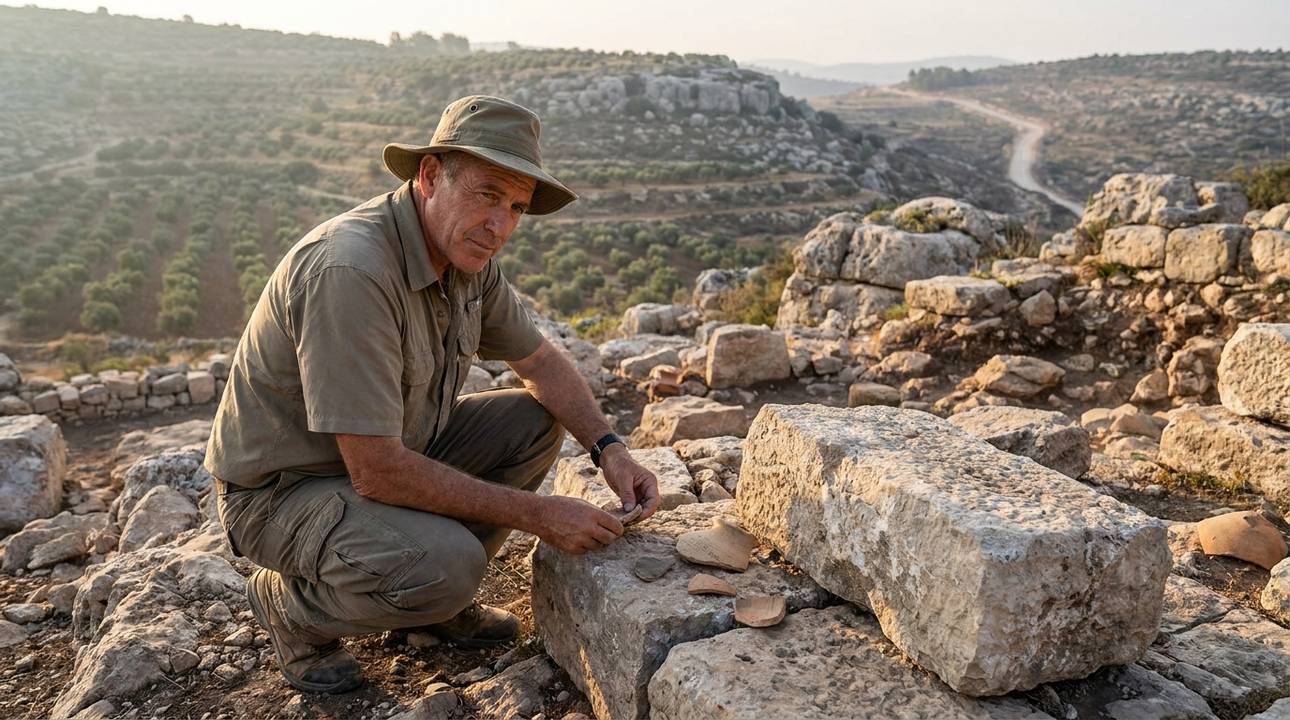
Ephraim’s hill country is a region rich in history. It served as a backdrop to many key events and figures, contributing to the mix of Israel’s cultural heritage. Ephraim is frequently mentioned, where the tribe is instructed to clear the forests for settlement. This area is known for its rugged terrain and significant elevation, providing a strategic advantage.
The strategic advantage of Ephraim’s terrain made it a focal point for military and political activities. The elevation offered a natural defense, which was crucial during conflicts. This geographical feature, coupled with its fertile land, made Ephraim an ideal location for settlement, enabling the tribe to thrive and play an important role in the history of Israel.
from the Western Wall to Masada.

This article explores its geography, historical references, and present significance to understand the journey of this ancient place. The region’s importance is further highlighted by its role as a center for judicial and guidance, impacting the lives of many Israelites.
Today, the area continues to be a source of inspiration and connection to Israel’s history. The historical events that took place here are commemorated in songs and stories. This connection to the past is preserved not only in archaeological sites but also in the cultural memory of the people who live in and visit the region, keeping the spirit of Ephraim alive.
What Is the Hill Country of Ephraim?
Ephraim’s hill country refers to a mountainous region in central Israel historically occupied by the tribe of Ephraim. This area is characterized by its rugged terrain and significant elevation.
In the Tanakh, Ephraim is often mentioned alongside the tribe of Manasseh, highlighting the centrality of this region in Israel’s tribal divisions.
Geographically, it stretches from Bethel in the south to Jezreel Valley in the north, forming a natural border with the hills of Judah to the south.
The relationship between Ephraim and Manasseh is significant, as both tribes descended from Joseph, one of the patriarchs of Israel.
This connection is reflected in their shared history and the cooperative efforts in settling the land.
The geographical boundaries of Ephraim not only defined its physical space but also its cultural and political influence, making it a key region in the history of Israel.
The strategic importance of Ephraim is evident in narratives where it served as a crucial passageway for trade and military movements, linking the northern and southern parts of Israel.
Its fertile valleys and abundant water sources made it an attractive area for settlement and agriculture, supporting the growth of communities and the prosperity of the land.
The fertile valleys of Ephraim supported the growth of crops like wheat and barley, essential for the sustenance of its inhabitants.
The abundant water sources, such as springs and wells, were vital for both agriculture and daily life.
These natural resources contributed to the region’s prosperity, making it a desirable location for those seeking to establish thriving communities.
Where Is the Hill Country of Ephraim Located?
Situated in the heart of modern Israel, Ephraim’s hill country comprises part of the central highlands. It lies within the Samarian hills and is bordered by Jordan Valley to the east.
The region includes present-day cities like Nablus and Ramallah, reflecting its continued cultural and geographical relevance. These are pivotal locations in both ancient and modern history.
The area’s geography plays a crucial role in its historical narratives, providing both a strategic advantage and a challenge for its inhabitants.
References to Ephraim
Ephraim is frequently mentioned in historical narratives, showing its importance throughout Israel’s history. It is named after Ephraim, with the tribe playing a significant role in the nation’s development.
The allotment of land to the tribe of Ephraim marks it as a central tribe in the formation of Israel. This association endowed the region with a unique cultural importance.
The region served as a home base for many leaders, ensuring its place in the legacy of Israel’s governance and traditions.
Notable Events in the Hill Country of Ephraim
The region was a backdrop for several pivotal stories. One notable event is the story of a significant military victory in this region. Another significant moment was a political revolt where the northern kingdom of Israel was established. Ephraim’s central position made it a focal point for political and religious shifts within the kingdom. These narratives anchor the region in Israel’s shared history as a land of decisive battles and foundational change.
Archaeological Discoveries in Ephraim
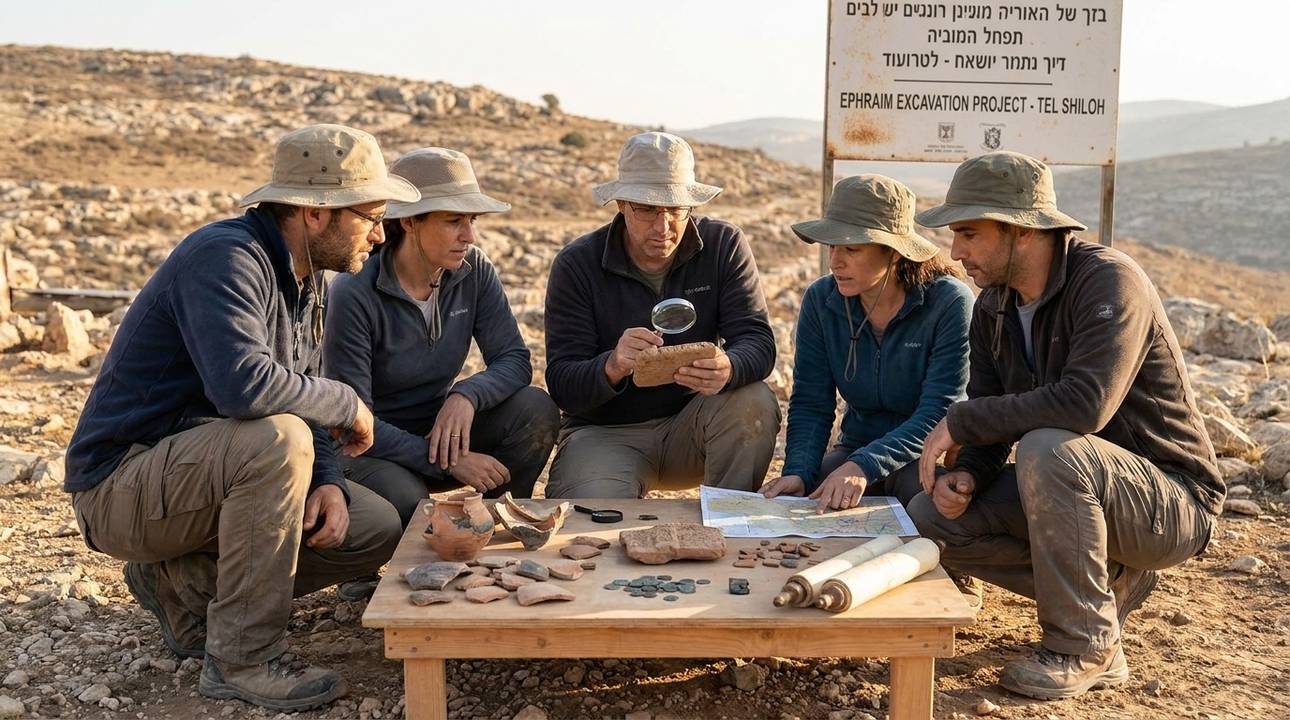
Archaeological excavations in Ephraim’s hill country have unearthed artifacts illuminating its storied past. Excavations at archaeological sites like Shiloh offer insights into ancient settlements.
Shiloh is notable for being the location of the Tabernacle before the construction of the Temple in Jerusalem.
This highlights the area’s significance, serving as a central place of worship during the period of the Judges.
The artifacts found at Shiloh, including pottery and altars, provide evidence of the religious practices of the time.
These findings help us understand how the Israelites conducted their worship and the central role that Shiloh played in their spiritual life.
The site continues to be a focus of archaeological study, revealing new layers of history and deepening our appreciation for the cultural and religious heritage of Ephraim.
These findings contribute to a deeper understanding of how people lived and organized in this historically vital region.
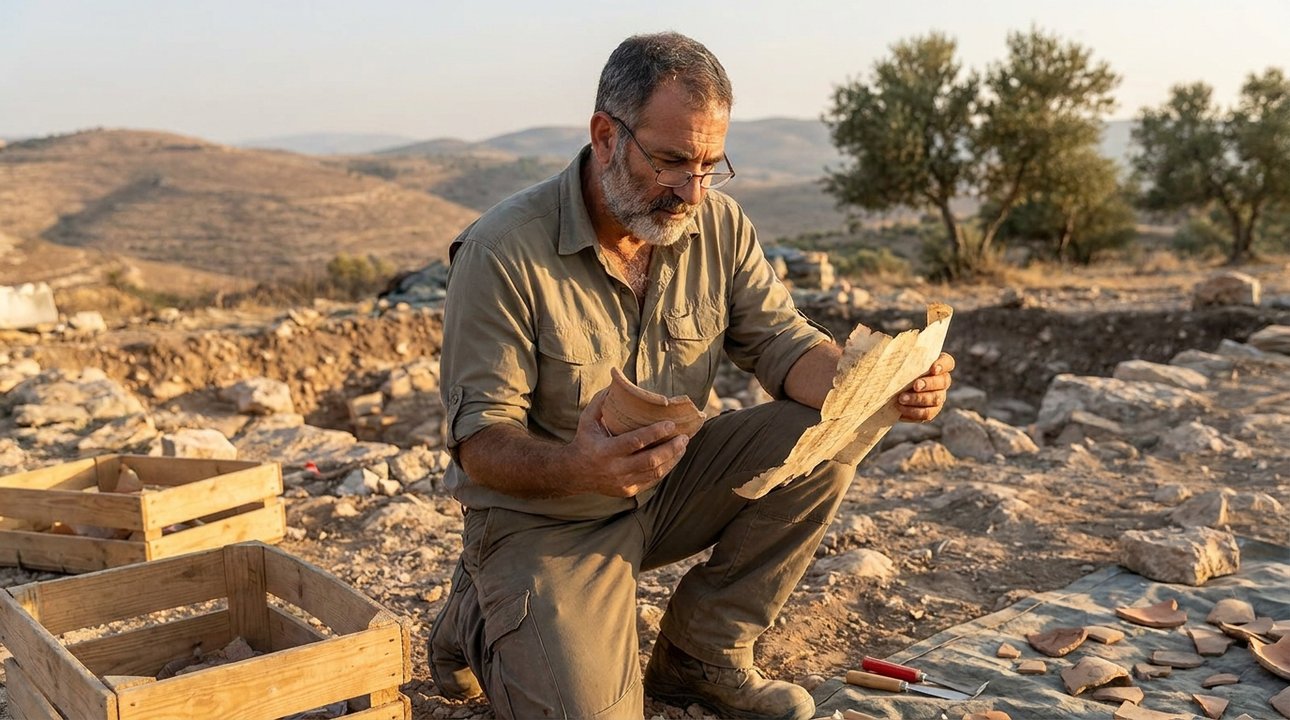
Artifacts such as pottery, tools, and remnants of structures provide a glimpse into daily life and practices. Inscriptions and seals discovered at sites like Shiloh and Bethel reveal administrative details, showing how communities were organized.
The seals often bear names or symbols, indicating roles or ownership, thus connecting us to narratives of leaders.
The discovery of inscriptions and seals also sheds light on the administrative and social aspects of life in Ephraim, offering a tangible connection to historical narratives.
For instance, the name of a high-ranking official or a scribe might be found on a seal, aligning with stories from historical accounts. These artifacts not only tell us about governance but also about the life of the people.
from the Western Wall to Masada.
Present-Day Significance of Ephraim’s Hill Country
Today, Ephraim’s hill country is part of a complex political and cultural landscape. It remains with historical sites attracting scholars and those interested in history. Despite contemporary geopolitical challenges, the area retains its cultural and historical connection, offering opportunities for education and reflection. Sites like Shiloh and Mount Gerizim continue to draw visitors interested in exploring their cultural and historical relevance.
The educational opportunities in Ephraim are enhanced by the presence of archaeological sites and historical landmarks.
These locations provide a living classroom for those seeking to learn about the ancient world and its impact on modern culture.
By visiting these sites, individuals can gain a deeper understanding of the region’s history and its role in shaping the identity of the Jewish people throughout the ages.
In tradition, Ephraim symbolizes strength and leadership, values that continue to resonate with the area’s identity. The tribe of Ephraim was noted to become a multitude of nations, signifying its importance in Israel’s history. This legacy of leadership and resilience is reflected in the region’s ongoing cultural and educational initiatives, fostering a deeper understanding of its heritage and inspiring future leaders.
The cultural initiatives in Ephraim today aim to preserve and promote the region’s history. Programs and events often focus on the stories of historical figures like Joshua, whose leadership qualities are celebrated and emulated. These efforts help to keep the spirit of Ephraim alive, ensuring that its legacy of strength and leadership continues to influence and inspire the community and beyond.
Ephraim’s Role in Jewish Heritage
Ephraim plays a crucial role in Jewish identity and heritage. Its history of leadership and resilience is embedded in Jewish culture, providing a link between past and present.
In religious and cultural teachings, the tribe of Ephraim is often associated with prosperity and innovation.
This illustrates the enduring impact of the region’s legacy on Jewish thought and tradition, highlighting the importance of maintaining cultural connections.
The association of Ephraim with prosperity is reflected in the agricultural success of the region.
The fertile land and innovative farming techniques contributed to its reputation as a bountiful area.
This prosperity is not only a historical fact but also a symbol of the potential for growth and renewal, encouraging modern communities to draw inspiration from Ephraim’s legacy in their own endeavors.
As modern Israel continues to evolve, the stories of Ephraim offer lessons in continuity and adaptation, reflecting the ongoing journey of the Jewish people. The region’s historical narratives, from the time of Joshua to the present, serve as a sign of the perseverance and adaptability of its inhabitants. This legacy inspires current and future generations to maintain a strong connection to their ancestral roots and cultural identity, reinforcing the importance of heritage in shaping modern life.
The lessons from Ephraim’s past, such as those learned from the leadership of figures like Joshua, continue to resonate today.
These stories are not just historical accounts but are part of a living tradition that informs the values and identity of the Jewish community.
By understanding the challenges and triumphs of those who lived in Ephraim, we gain insight into the broader narrative of Jewish history and the enduring spirit of its people.
Conclusion: the Continuing Journey of Ephraim
Ephraim’s hill country remains a significant part of Israel’s historical tapestry, representing a rich blend of past traditions and current realities.
Historical accounts highlight the region as the home of significant figures.
Archaeological findings, like those at Shiloh, reveal layers of history, from Canaanite to Israelite periods, illustrating the area’s continuous habitation and cultural evolution over centuries.
Sites like Shiloh, where the Tabernacle once stood, are key to understanding the religious life of early Israel.
These locations provide tangible connections to the stories and traditions that have shaped Jewish identity.
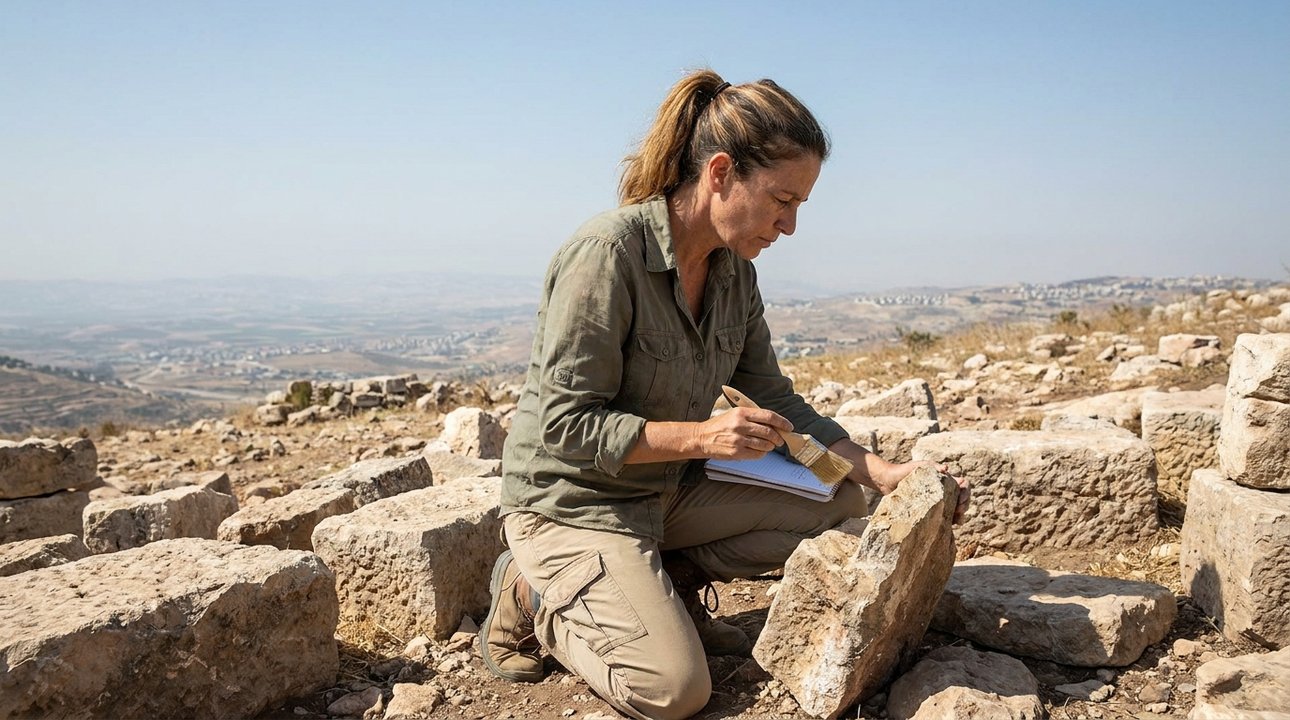
The ongoing archaeological work in Ephraim helps to uncover new insights into the daily lives and practices of its early inhabitants, enriching our understanding of this pivotal region.
Through historical accounts, archaeological findings, and its modern presence, Ephraim continues to offer insight into the spirit of those who have called it home.
Exploring the map of Ephraim reveals not just ancient geography but the perennial story of a people deeply connected to their land.
The modern landscape still reflects these connections, with sites like Mount Gerizim and Mount Ebal marking historic locations of significance.
Mount Gerizim and Mount Ebal are significant not only for their historical associations but also for their cultural and historical importance.
These mountains are mentioned as places of significance, symbolizing the choices and commitments of the people.
Today, they stand as reminders of the enduring connection between the land and its people, offering a place for reflection and understanding of traditions.
Historical Context
