Exploring the history of Ziklag


Ziklag is a notable location in historical texts. Known as a refuge during David’s flight, it was given to him by Achish, the Philistine king of Gath. This town on the frontier served as a symbol of protection and strategic importance.
In this article, we explore the history and stories of Ziklag, examining its role in David’s life and its significance over time. We’ll piece together details to understand how this place fits into the larger narrative, its archaeological clues, and its insights into ancient society.
What Is Ziklag?
Ziklag is first introduced as a town belonging to the Philistine king Achish, who granted it to David during his flight. This marked a turning point for David, providing him a base of operations.
Located on the border between Philistine and Israelite territories, Ziklag was a place of safety in a challenging landscape, allowing David and his men the chance to regroup and plan.
This transition of control from Philistines to Israelites highlights a significant moment in David’s rise to power. The use of Ziklag during this period was not merely practical but strategic, serving as a stepping stone in David’s journey from fugitive to leader.
from the Western Wall to Masada.
Ziklag in Tribal Allocations
The tribal allocations detailed in the Book of Joshua mention Ziklag as part of the inheritance assigned to the tribe of Simeon. Joshua 19 details these assignments, placing Ziklag within the lands associated with Judah and Simeon, although initially under Philistine control.
This inclusion within Israelite tribal boundaries highlights Ziklag’s role as a border town—a point of contact and conflict between cultures and peoples. The shifting hands of control over Ziklag reflect the broader tensions and movements within the region.
As the Israelites continued to establish themselves, towns like Ziklag became critical markers of evolving territorial claims. The narrative of Ziklag illustrates the complex dynamics of land distribution and the strategic importance of such locations. Ziklag’s position on the frontier between Philistine and Israelite territories made it a focal point for cultural and military interactions. The town’s history is a sign of the ever-changing landscape and the adaptability of its people.
David’s Use of Ziklag
David’s time in Ziklag lasted approximately one year and four months. During this period, he used the town as a base to launch raids against other local tribes, while maintaining a facade of allegiance to the Philistine king.
This dual strategy allowed David to strengthen his position without directly confronting his Philistine protectors. The narrative of Ziklag provides insight into the complexities of David’s character—his tactical astuteness and ability to navigate challenging political landscapes.
The town’s eventual burning by the Amalekites and its subsequent recovery by David further underlines its importance as a pivotal site for the future leader. Such episodes cement Ziklag’s role as more than just a refuge, but a key player in David’s ascension.
Ziklag in the Chronicles
In historical records, Ziklag appears in the genealogies of the tribes, further solidifying its place in the narrative. These accounts serve to validate its role not merely as a military or strategic outpost, but as a significant fixture in the understanding of how various tribes relate to one another.
Ziklag’s mention in these genealogies underscores its integration into the collective memory and identity of the nation.
Ziklag is mentioned alongside other key locations that played roles in Israel’s history, such as Hebron and Jerusalem. This connection highlights its importance in the tribal narratives and its role in the broader story of Israel’s unity and division.
The genealogical records serve as a reminder of the interconnectedness of the tribes and the shared history that binds them together.
Ziklag’s inclusion in these records reflects its enduring legacy and its place in the collective memory of the nation.
Ziklag and Archaeological Insights
Archaeological discoveries have provided additional depth to our understanding of Ziklag. Recent digs have proposed potential locations, shedding light on its structures and way of life.
Excavations suggest that Ziklag was fortified, with evidence of Philistine, Canaanite, and Israelite occupancy over various periods. These findings help illuminate the multifaceted history that Ziklag embodies, embodying a blend of cultures and influences that defined the geography of the region.
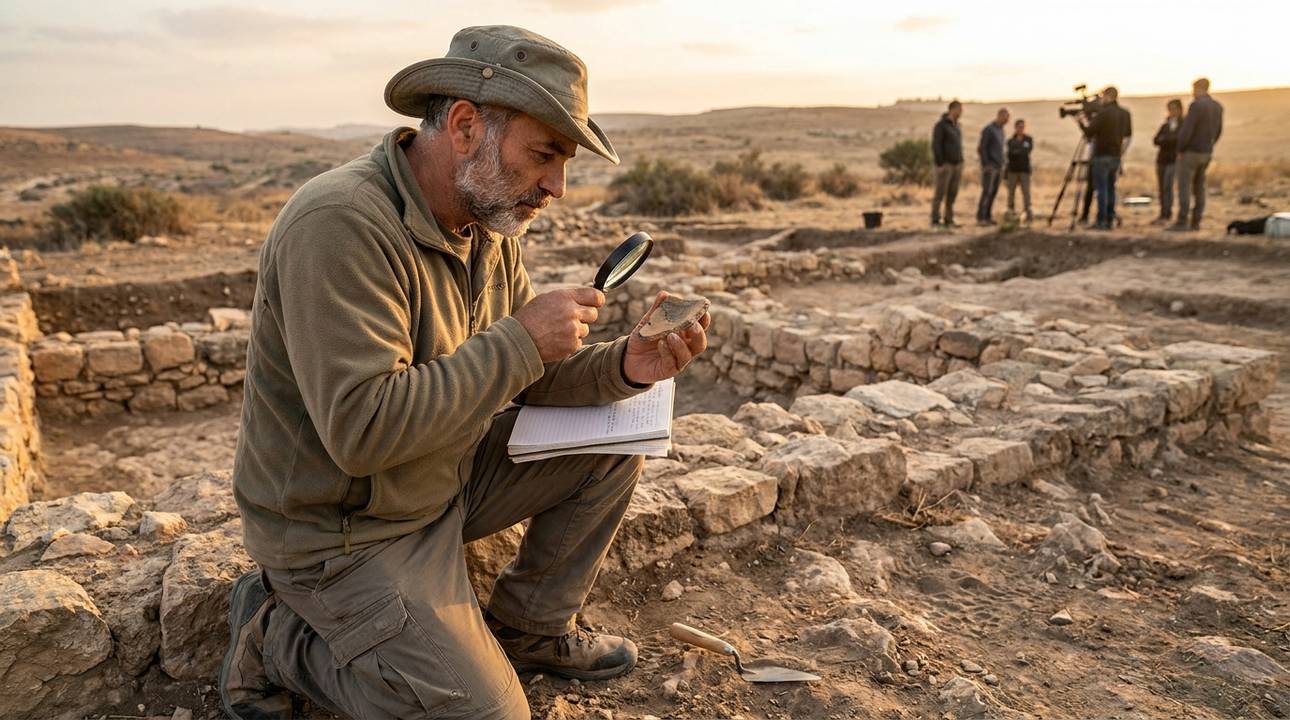
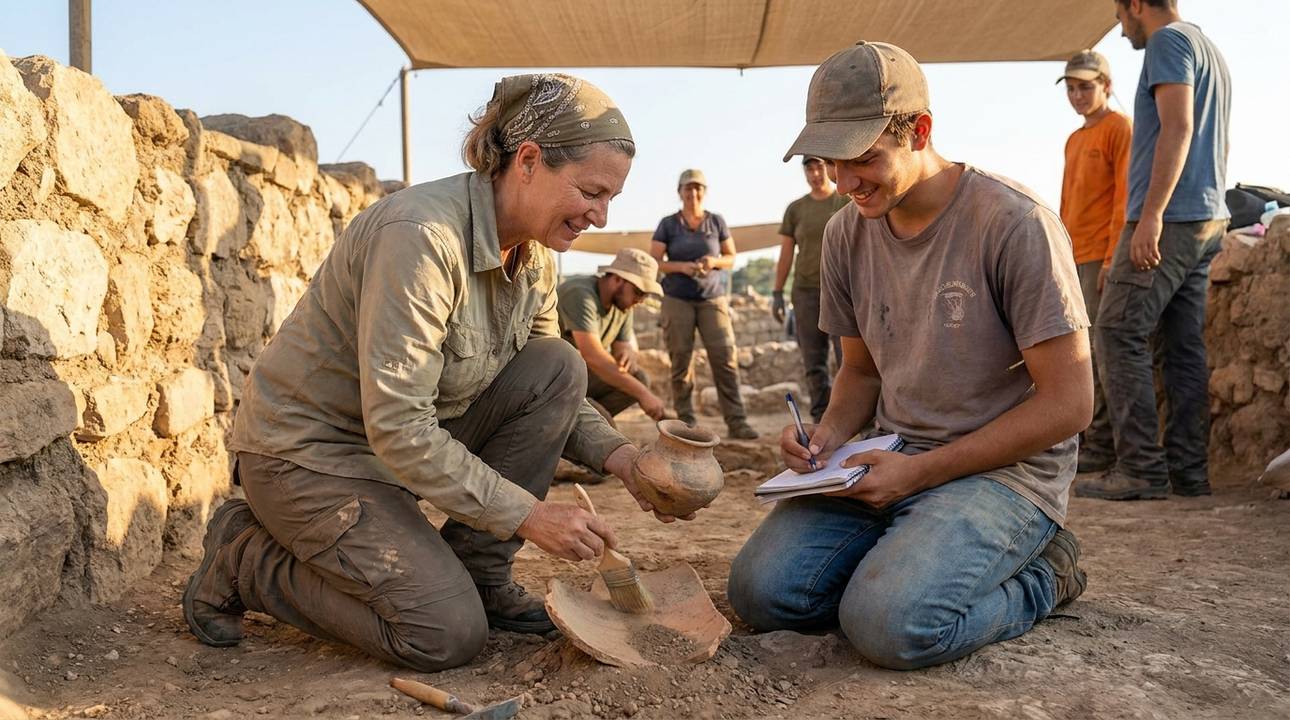
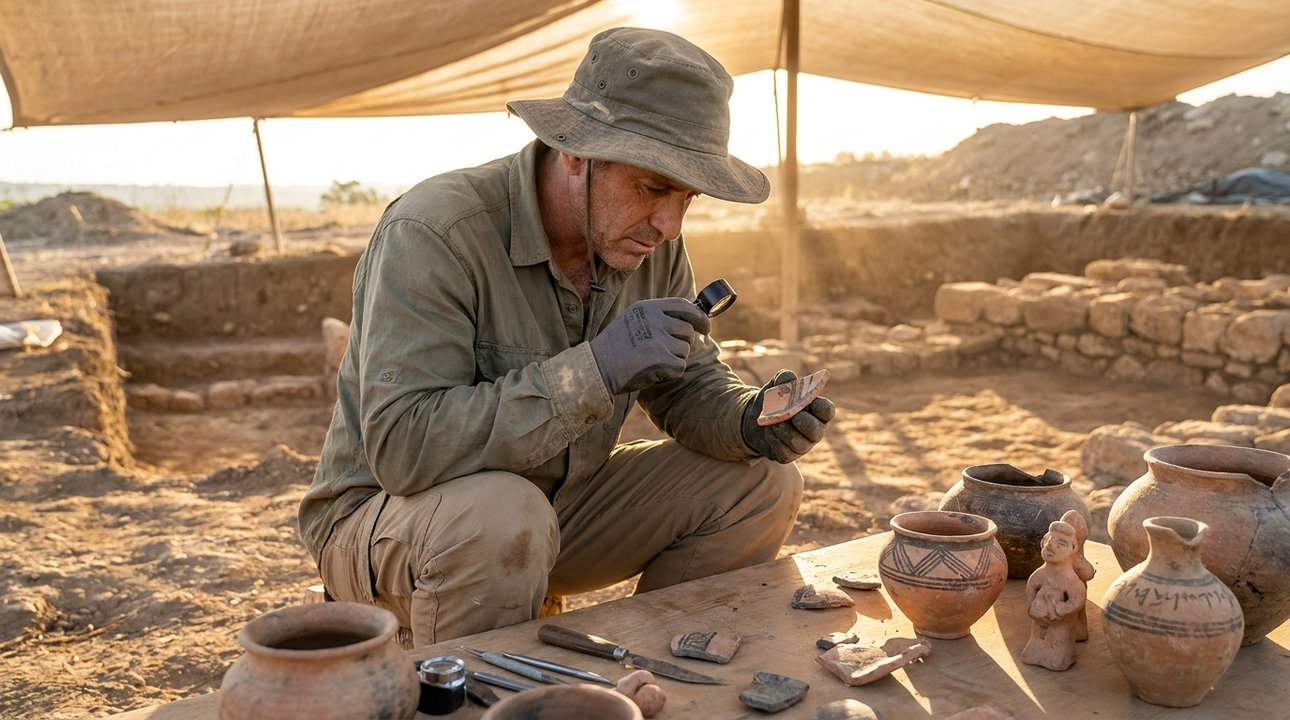
Discoveries continue to evolve the historical narrative, offering tangible connections to the stories recorded in historical texts. For example, excavations at Tel es-Safi, believed to be the site of Ziklag, have revealed pottery and tools that indicate a thriving settlement during the Iron Age. These artifacts provide a glimpse into the daily lives of its inhabitants, revealing how they interacted with neighboring cultures and adapted to the changing political landscape. The ongoing research at these sites continues to enrich our understanding of Ziklag’s history.
from the Western Wall to Masada.
Why Ziklag Matters Today
Ziklag’s significance persists in modern discussions about archaeology and history. Its narrative illustrates the complex dynamics of tribal politics, migration, and survival. For many, the tales of Ziklag evoke themes of adaptability.
Understanding Ziklag provides context to the broader story of Israel’s formation, reflecting on the ways societies navigated hurdles and opportunities. The lessons drawn from its history offer insights into leadership and strategy amid adversity.
The site of Ziklag is mentioned in the context of David’s escape, highlighting its strategic importance. Archaeological interest in Ziklag has surged as researchers seek to uncover more about its role during the Iron Age. Excavations have revealed layers of occupation, suggesting a mix of cultural interactions. These findings not only enhance our understanding of Ziklag but also provide insights into the broader geopolitical landscape of the region.
Cultural References to Ziklag
Ziklag’s legacy extends into cultural expressions, with references in literature and music that reflect on its historical heritage. Over time, the name itself has come to symbolize perseverance and victory, used in songs and stories as a metaphor.
By drawing on its historical associations, modern narratives about Ziklag offer reflections on overcoming challenges, making it a poignant symbol for those exploring their heritage and identity. The values attached to Ziklag ensure its stories remain alive in various forms of expression.
For instance, the Psalms often evoke themes of perseverance and triumph, much like the stories associated with Ziklag. In literature, Ziklag is sometimes portrayed as a place of refuge and renewal, echoing David’s experiences there. These cultural depictions keep the essence of Ziklag alive, connecting past narratives with contemporary reflections on perseverance and adaptability.
The artistic interpretations of Ziklag, whether in music or prose, serve as reminders of the enduring human spirit.
In Conclusion
Ziklag remains an intriguing facet of history, weaving together tales of survival, strategy, and change. As both a physical place and a narrative touchstone, its stories invite reflection on the adaptability of ancient peoples. Exploring its role allows for a richer understanding of the societal and political contexts that shaped historical narratives. Through historical analysis and archaeological investigation, Ziklag continues to offer insights into the intricate mix of its time, enriching our modern appreciation of these narratives.
The town’s association with David, who sought refuge there, underscores its strategic value. Recent archaeological digs have unearthed artifacts that suggest a blend of Philistine and Israelite influences, providing tangible evidence of its diverse cultural heritage. These discoveries offer a glimpse into the daily lives of its inhabitants, revealing how they adapted to the shifting political landscape. Ziklag’s story is a sign of the enduring human capacity for adaptability in the face of change.
Understanding Ziklag