
Understanding the Significance of Giloh
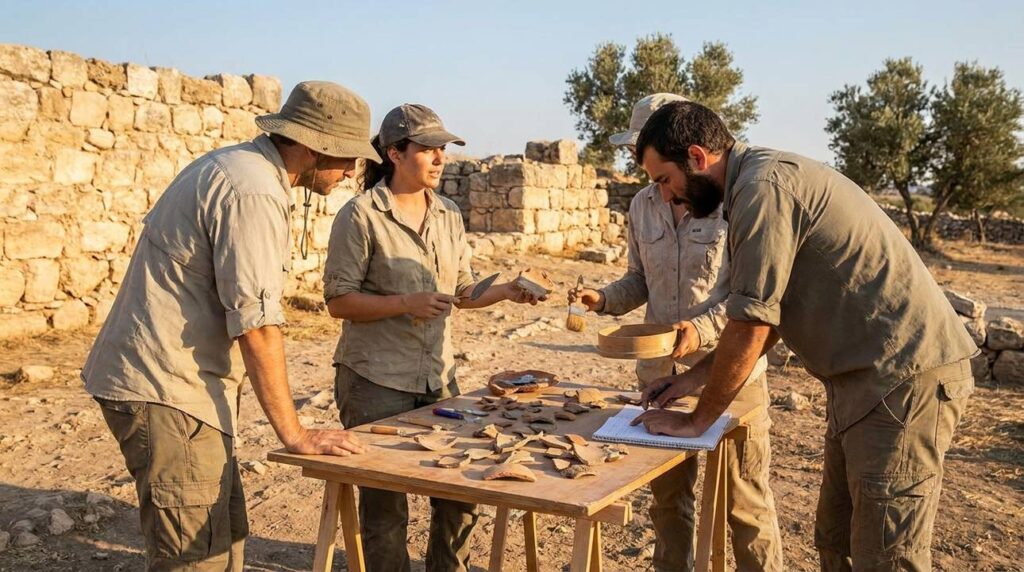

Giloh stands out as one of several significant locations mentioned in historical texts. This ancient city in the hill country of Judah holds history. The city is noted among the towns in the territory allotted to the tribe of Judah and is associated with Ahithophel, a notable counselor.
What Is Giloh?
Historical references cite Giloh as part of Judah’s allotment. It serves as a geographical and historical marker within narratives. The location and importance of this city offer insights into the ancient tribal divisions and settlements, illustrating how the land was distributed among the tribes of Israel.
This distribution reflects the social and political organization of the time, with each tribe maintaining its distinct territory.
from the Western Wall to Masada.
The mention of Giloh in these records highlights its role in the broader narrative of Israel’s conquest and settlement. By understanding the town’s place within this context, we gain a deeper appreciation for the historical and cultural dynamics that shaped the world. This knowledge enhances our comprehension of the stories and traditions that have been passed down through generations.
Where Is Giloh Located?
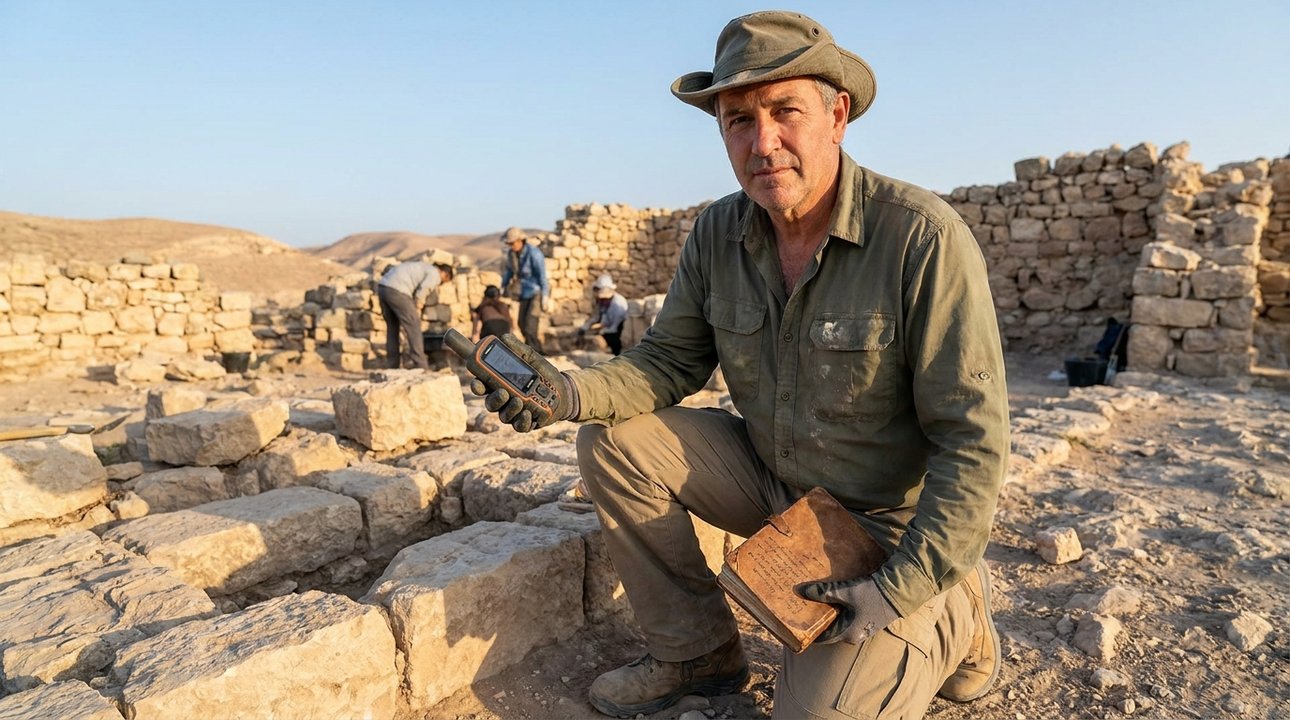
Giloh was located in the hill country of Judah, a region known for its rugged terrain and strategic significance. Its exact site has been debated, but it is generally believed to be near modern Jerusalem. Archaeological efforts continue to piece together its precise historical context and significance, with some scholars suggesting it may be near the site of Khirbet Jiljil.
This ongoing research aims to uncover more about the town’s role in history.
The search for Giloh’s location involves analyzing ancient texts and comparing them with modern geographical data. This process helps historians and archaeologists understand how the town fit into the broader landscape of Judah. By identifying Giloh’s site, researchers hope to shed light on its economic, cultural, and military importance during historical narratives.
Giloh in the Bible: Key Mentions
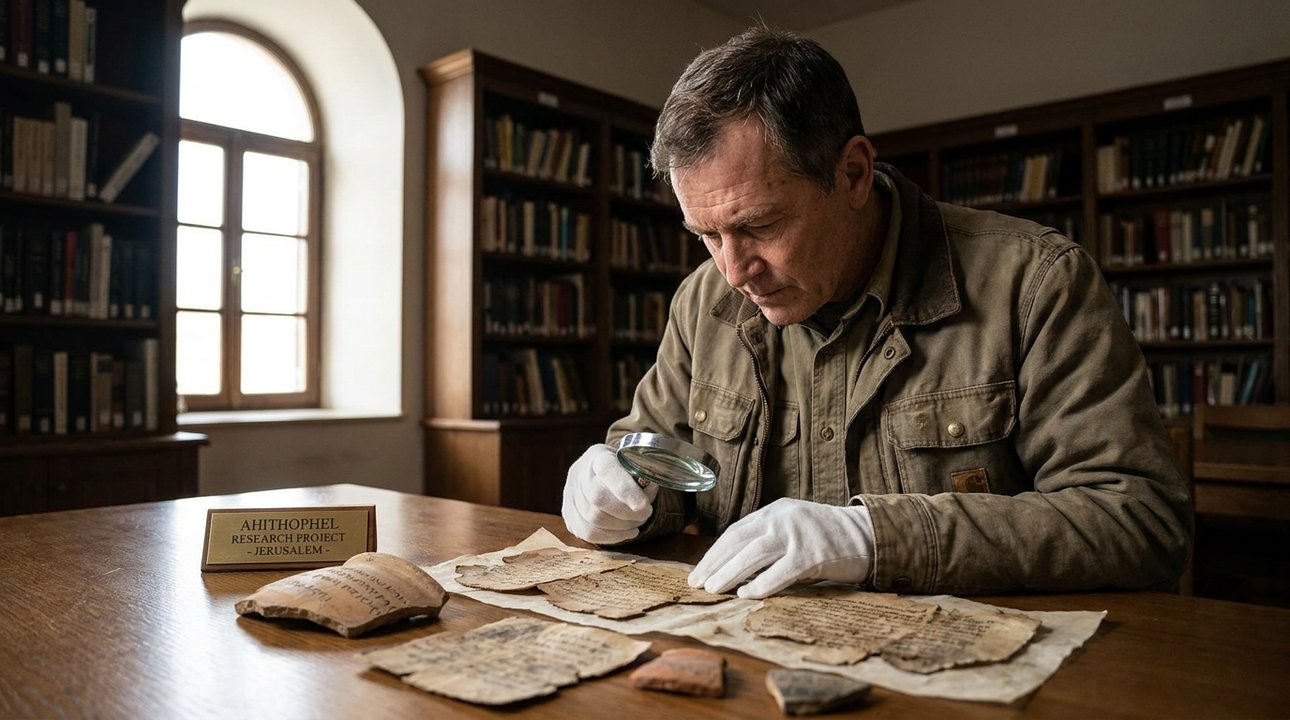
One of the prominent mentions of Giloh appears in the context of Ahithophel the Gilonite. Ahithophel served as a counselor and hailed from this town in the hill country of Judah. His role is particularly noted in the narrative of Absalom’s rebellion, as recorded in historical texts.
Ahithophel’s advice was highly regarded, and his betrayal to support Absalom marked a significant turning point in the rebellion’s dynamics.
Ahithophel’s connection to Giloh is significant, as it highlights the town’s inclusion in the broader political and military strategies of the time. His decision to align with Absalom was a calculated risk, reflecting the complex loyalties and power struggles within the kingdom. The story of Ahithophel and his ties to this town provide a glimpse into the intricate web of alliances and betrayals that characterized the era.
Who Was Ahithophel?
Ahithophel was a counselor known for his wisdom and insight. He served as a trusted advisor, providing guidance during critical moments. However, during the conflict between Absalom and David, Ahithophel chose to support Absalom in his rebellion.
This decision is documented in historical texts, where Ahithophel’s counsel was initially sought after and valued by Absalom. Despite his initial influence, his counsel was eventually disregarded in favor of Hushai’s advice, leading to his demise.
Ahithophel’s fate is a poignant story; when his counsel was not followed, he saw it as a sign of impending failure for Absalom’s rebellion. As a result, Ahithophel returned to his hometown, set his affairs in order, and took his own life, as described in historical accounts. This tragic end underscores the weight of his wisdom and the consequences of his political choices during this tumultuous period.
Giloh’s Historical Context
Exploring Giloh requires understanding its role within the larger framework of Judah. Its mention provides context to the narratives within which it appears, such as the story of Ahithophel. This town is part of the genealogical record, which lists it among the towns allotted to the tribe of Judah.
This inclusion supports tribal identity and highlights the town’s importance in the territorial organization of the region.
The town’s mention in these genealogical records underscores its significance in maintaining the tribal boundaries and cultural heritage of Judah. By examining Giloh’s place within these records, scholars gain insights into the social and political structures that shaped the lives of its inhabitants. This context enriches our understanding of the historical narratives and the realities they reflect.
Archaeological Insights on Giloh
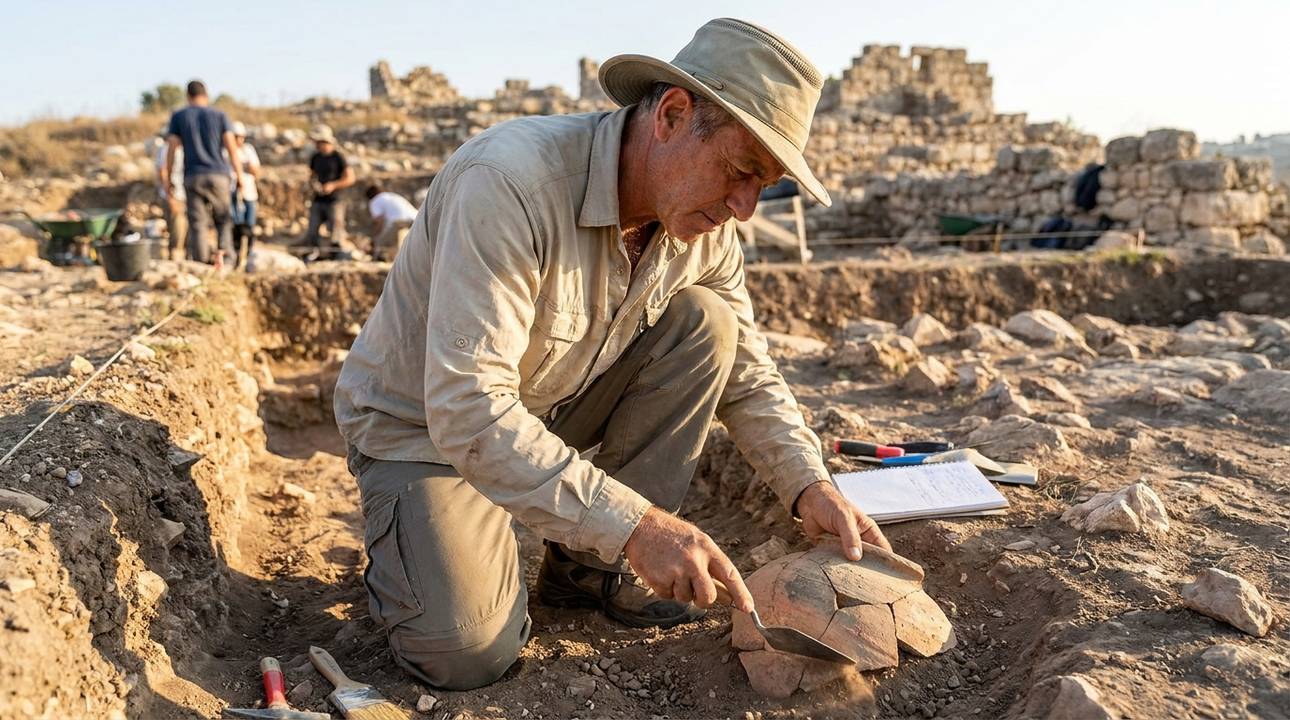
Archaeology provides clues about Giloh’s location and importance. Artifacts unearthed in the region help scholars better understand its role during historical times. Excavations have aimed to uncover structures or items relating to its history, such as pottery shards or building foundations.
These discoveries contribute to a more comprehensive picture of life in ancient Judah and the town’s significance within that context.
from the Western Wall to Masada.
The archaeological findings at potential sites for Giloh offer valuable insights into the daily lives of its inhabitants. By studying these artifacts, researchers can infer details about the town’s economy, trade relations, and cultural practices. This information enriches our understanding of how Giloh functioned within the larger framework of society.
Giloh Today: Modern Interpretations
Today, Giloh is a neighborhood in southern Jerusalem. While it retains its historical namesake, its modern identity integrates into the urban landscape of the city. The area is home to a diverse community, reflecting both history and contemporary life. The transformation from a historical town to a modern neighborhood illustrates the dynamic nature of Jerusalem’s development over the centuries.
The neighborhood of Giloh offers residents a blend of history and modern amenities. Its location in Jerusalem connects it to a mix of cultural and historical landmarks, providing a unique living experience for its inhabitants. This juxtaposition of past and present makes Giloh a fascinating example of how historical sites continue to influence modern urban life.
Cultural Role of Giloh
Giloh’s legacy continues through its mention in historical texts. It holds cultural role as a part of the shared heritage of those who connect with historical narratives. Its mentions in texts maintain its memory as part of Israel’s historical tapestry. These references ensure that Giloh remains a point of interest for those studying the history and culture of the region.
The enduring presence of Giloh in historical texts highlights its importance in the shared history of the Jewish people. By preserving its story, these texts contribute to a deeper understanding of the historical and cultural context in which they were written. This connection to the past enriches the cultural identity of those who engage with the historical narrative today.

Why Study Giloh?
Studying Giloh offers insight into the broader landscape of archaeology and history. As a part of the tribal confederation, it reflects ancient social structures and the organization of society. Its representation in texts promotes understanding of narrative traditions. These references help scholars piece together the historical context of the stories and their cultural role.
By examining Giloh and similar sites, researchers can better understand the complexities of ancient life. This study sheds light on the interactions between different tribes and the development of social and political systems in the region. The insights gained from this research contribute to a more nuanced appreciation of the historical narratives and their enduring impact on cultural memory.
Conclusion: Giloh’s Lasting Influence
More than just a name in a historical passage, Giloh represents a dynamic piece of Israel’s history, blending heritage with modern identity. The town’s mention in historical texts underscores its history. Understanding this place enriches appreciation for the complexity and continuity of historical locations. Its story is interwoven with the narratives of key figures, offering a window into the past and its influence on today’s cultural landscape.
Understanding Giloh
