
Discovering the House of the Forest of Lebanon


The House of the Forest of Lebanon is a captivating piece of ancient architecture. This building was part of a larger palace complex in Jerusalem. It featured rows of cedar pillars, echoing the forests from which the wood was sourced. This connection to the cedars of Lebanon provided both strength and a representation of trade relationships with neighboring regions. The building was a testament to diplomatic and economic achievements.
The importance of this structure is highlighted by accounts of visitors who admired the design and splendor of the buildings. The House of the Forest of Lebanon was central to this architectural display. These references underscore the importance of the structure, which stood as a symbol of a flourishing era and contributed to the architectural heritage of the region.
from the Western Wall to Masada.

This architectural achievement was part of a larger complex that included the Hall of Justice and the Palace of the Daughter of Pharaoh. These structures demonstrated wealth and influence, drawing visitors from afar. The House of the Forest of Lebanon, with its strategic and symbolic importance, played a crucial role in the cultural landscape. It was a place to display wisdom and wealth to visiting dignitaries.
The design of the complex reflected the influence of various cultures, as the era was marked by extensive trade and diplomatic relations. The Hall of Justice was a venue for legal proceedings, underscoring the role of a fair and wise ruler. The Palace of the Daughter of Pharaoh symbolized political alliances formed through marriage, further solidifying influence. These structures highlighted the multifaceted nature of the era, blending governance, diplomacy, and culture.
What Was the House of the Forest of Lebanon?
The House of the Forest of Lebanon was a grand hall constructed by Solomon during his reign. Its unique name came from its architecture, which included many cedar columns made from trees imported from the famed forests of Lebanon. This connection to the natural beauty of Lebanon is thought to have inspired the hall’s significant name. Solomon’s use of this resource highlights the trade networks of his kingdom as well as the wealth and grandeur of his era. This structure symbolized the prosperity and influence of his reign.
The architectural design of this structure is detailed with descriptions of rows of cedar pillars and a spacious layout. This design aimed to evoke the grandeur of the forests of Lebanon, creating a natural and inspiring environment. The use of cedar and the open design reflected a desire to blend natural beauty with architectural innovation. This design combined functionality with the aesthetic appeal of the cedar forests, a hallmark of the era.
The cedar trees were transported from Lebanon to Jerusalem through a partnership with Tyre. This collaboration not only facilitated the construction of the structure but also strengthened political alliances. The grandeur of the building, with its towering columns, was a testament to skilled craftsmanship and available resources, marking a high point in architectural history. The alliance with Tyre was crucial for securing materials needed for ambitious projects.
This collaboration with Tyre is highlighted by historical records emphasizing the importance of skilled labor and quality materials. The cedar from Lebanon was integral to the construction, showcasing the interconnectedness of ancient economies. The House of the Forest of Lebanon, with its majestic cedar columns, served as a royal residence and a symbol of prosperous and peaceful relations with neighbors during a significant era.
Architecture and Design
The structure featured an impressive series of cedar pillars that created the sensation of standing within a forest. Part of Solomon’s royal complex, it was approximately 100 cubits long, 50 cubits wide, and 30 cubits high, showcasing the project’s significant scale. Divided into four rows of cedar columns, the roofs were supported by beams of cedar. These design elements provided a sense of openness and space, highlighting the majestic nature of Solomon’s Jerusalem. The cedar columns were functional and symbolized strength and stability.
The cedar wood, imported from the famed forests of Lebanon, was highly prized for its durability and aromatic qualities. This choice of material added to the aesthetic appeal and served practical purposes, ensuring the structure’s longevity. The use of cedar illustrates the extensive trade networks of the time. Cedar was valued for its resistance to decay, making it ideal for long-lasting construction.
Beyond its practical uses, cedar wood carried symbolic significance, often associated with strength and nobility. The forests of Lebanon were known for their quality timber, as referenced in Psalm 92:12, which compares the righteous to the majestic cedar trees. This symbolism was embraced by Solomon, who sought to reflect the grandeur and stability of his reign through the materials chosen for his buildings. The cedar pillars of the House of the Forest of Lebanon stood as a testament to this vision.

Purpose and Use
The House of the Forest of Lebanon was more than an architectural achievement; it served critical functional purposes. Primarily, it is believed to have functioned as an armory for forces. Its vast size made it suitable for storing shields, weapons, and possibly ceremonial armor. This building was a representation of power and influence, symbolizing authority and strength within the kingdom. It was a key part of military strategy and leadership.
The military significance of this structure is highlighted by historical accounts mentioning the shields and weapons stored there. It served as a secure location for the armory, reflecting the importance of defense. In addition to its military function, the building also played a role in ceremonial aspects, hosting events and gatherings that showcased wealth and power. The dual purpose of the structure underscores its importance in the kingdom’s political and military strategy.
Beyond its military function, this structure served as a venue for royal ceremonies and gatherings. The grandeur of its design, with rows of cedar pillars, provided an inspiring setting for such events. This dual purpose of defense and diplomacy highlights the multifaceted role the structure played in Solomon’s administration. It stood as a sign of the king’s wisdom and his ability to blend functionality with aesthetic appeal, a hallmark of his reign. The building was a place where Solomon could host foreign dignitaries, showcasing the splendor of his court.
from the Western Wall to Masada.
The ceremonial use of this structure is illustrated by historical accounts of dignitaries visiting and being impressed by the splendor of the court. The House of the Forest of Lebanon, with its impressive architecture, was a key venue for diplomatic encounters. These gatherings were not only social events but also opportunities to demonstrate wealth, wisdom, and the prosperity of the kingdom. The building was a symbol of the peace and stability that characterized the era.
Cultural Role
In addition to its functional role, the House of the Forest of Lebanon held cultural and symbolic significance. The use of Lebanon cedar, a prized resource, exemplified the wealth and international connections of the era. Building projects, including this structure, reflected a period of prosperity and peace. The unique design served as a cultural hallmark, inspiring awe and reverence among those who witnessed it. It played a role not only in governance but also in cultural memory.
Historical References
The House of the Forest of Lebanon is mentioned in historical texts, highlighting its construction as part of extensive building plans. This passage highlights the importance attributed to this structure during its creation. The text serves as a reminder of its role within the social setting of the period, emphasizing the dedication to creating architectural masterpieces. It reflects the ambition of projects, which were notable in the region.
The mention of this structure in historical records underscores its significance not just as a building but as a symbol of the era’s cultural aspirations. It reflects the commitment to establishing a legacy that would endure through time. This dedication to monumental architecture is illustrated by descriptions of the splendor of the court and the awe it inspired in visitors. The building was a sign of the vision and the enduring impact of the era.
Commitment to creating lasting legacies is highlighted by historical accounts of building projects and the joy they brought. The House of the Forest of Lebanon was a key part of these endeavors. Through these structures, the aim was to leave a mark on history, showcasing the wealth and wisdom of the era. The building was not only a functional space but also a symbol of the cultural aspirations of the time, reflecting the values and achievements of the kingdom.
Archaeological Insights
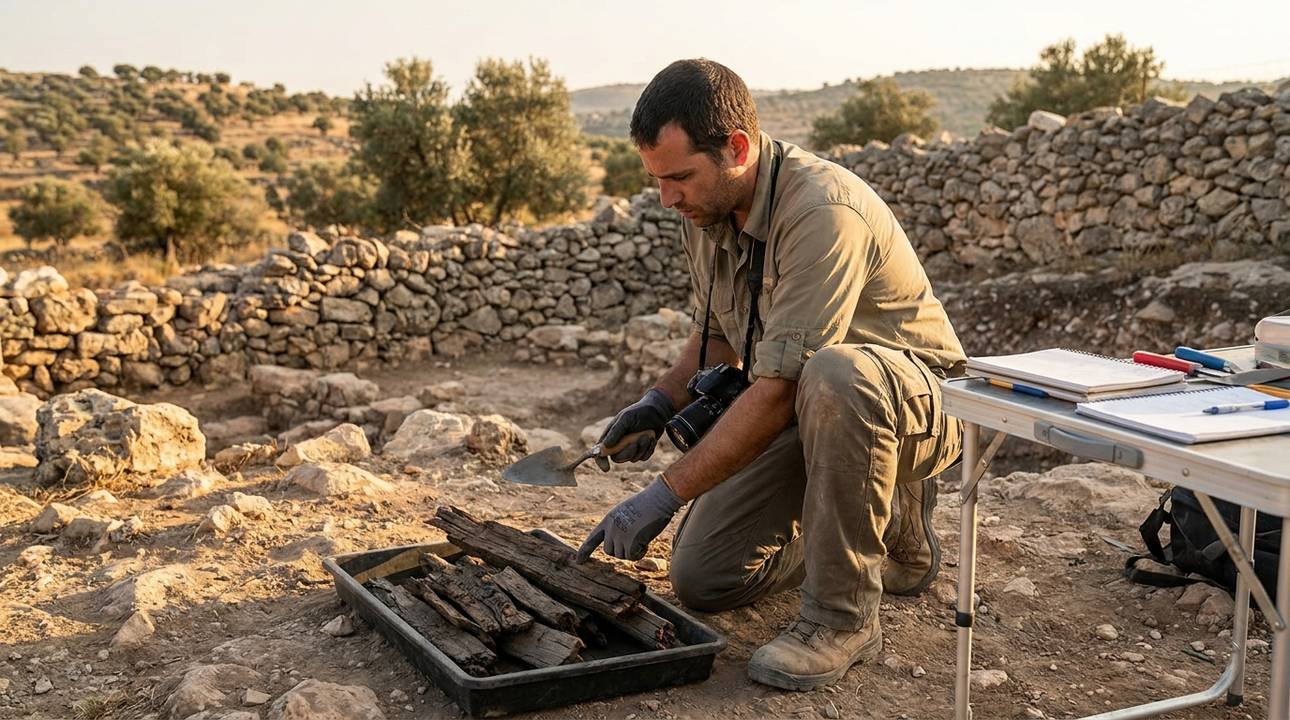
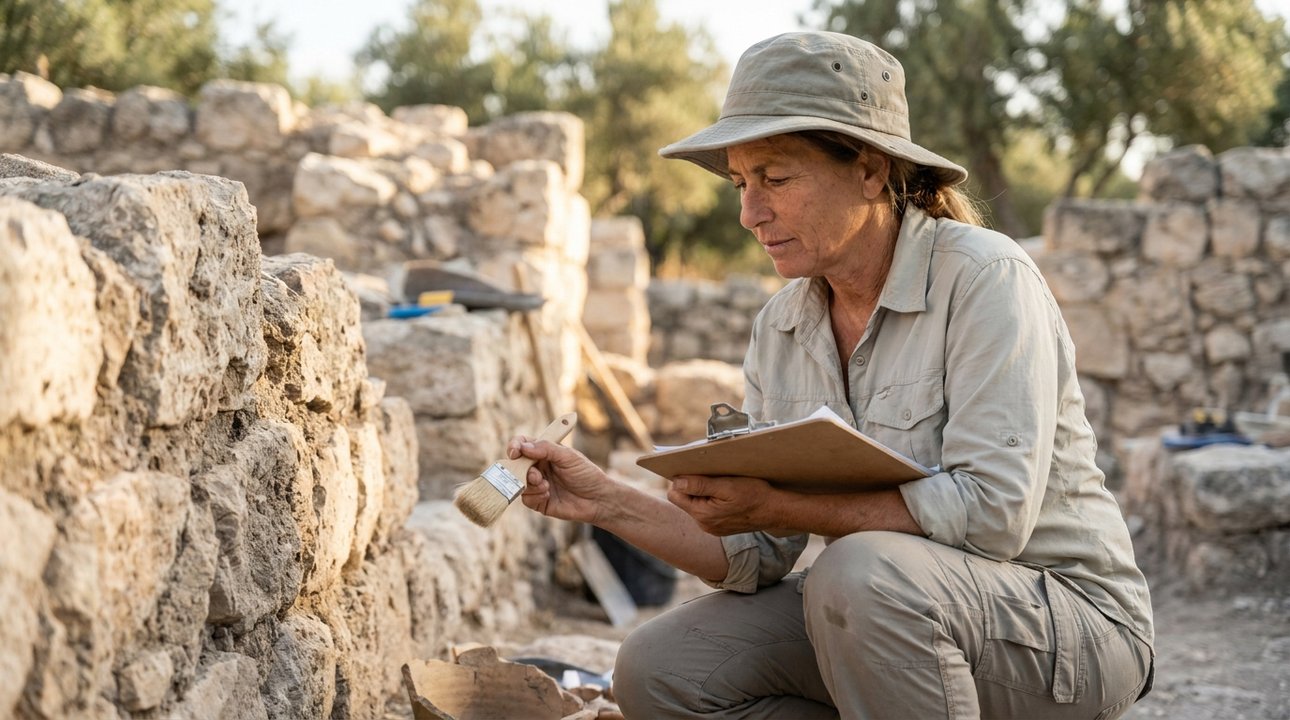
Although no physical remnants have been conclusively identified, archaeological exploration in Jerusalem continues to search for evidence of constructions. Findings related to similar structures provide insights into the architectural standards and styles of the era. These excavations enrich our understanding of how such grand halls might have appeared and functioned in their time. They reveal the technical and artistic capabilities that were present. The search for these buildings is ongoing, with each discovery adding to our knowledge.
Recent studies, such as those conducted at the City of David, have uncovered artifacts that offer glimpses into the period’s architectural practices. These findings, while not directly linked to the House of the Forest of Lebanon, provide valuable context. The ongoing research helps historians piece together the architectural landscape of Solomon’s time, shedding light on the grandeur and complexity of his constructions. Each discovery brings us closer to understanding the full scope of his building projects and their significance.
Recent discoveries, such as those at the Ophel in Jerusalem, have unearthed artifacts and remnants that offer clues about the construction techniques used during the era. These findings, while not directly linked to the House of the Forest of Lebanon, help paint a broader picture of the period’s architectural prowess. The ongoing research serves as a bridge connecting historical narratives with tangible evidence, deepening our appreciation for this storied era. Archaeologists continue to explore the region, hoping to uncover more about architectural legacy.
The Ophel excavations have revealed structures and artifacts that date back to the time, providing insights into the materials and methods used in constructions. These discoveries, though not directly related to the House of the Forest of Lebanon, contribute to our understanding of the era. The research highlights the sophistication of architecture and the influence of neighboring cultures. Each find adds a piece to the puzzle, helping historians reconstruct the architectural landscape of the kingdom.
The House in Modern Understanding
Today, the House of the Forest of Lebanon is appreciated as a symbol of architectural ambition and innovation. It represents an era of political and cultural advancement in history. Scholars and enthusiasts alike continue to explore its lore, offering interpretations that connect ancient design with modern perspectives. Such explorations underscore the legacy of the era and its impact on historical narratives. This continued interest highlights the enduring intrigue and narrative importance attributed to this legendary structure.
Conclusion
The House of the Forest of Lebanon, through its unique name and architectural grandeur, remains a significant topic of exploration in historical studies. Its role as both an armory and a symbolic masterpiece reflects the depth of influence. While the physical structure may remain elusive, its cultural and historical significance continues to resonate. For those exploring the region’s history, the building serves as a sign of the creativity and ambition of one of its most renowned leaders.

About the House of the Forest of Lebanon
