
Understanding Modern Day Beer Lahai Roi Well


The Beer Lahai Roi well is a significant historical location and an enduring symbol of divine encounter. Situated in the Negev desert, Beer Lahai Roi marked a pivotal moment in Hagar’s story and her messages from the divine.
The name itself means “the well of the Living One who sees me,” reflecting the impact of this divine interaction, which is remembered by those seeking spiritual solace.
from the Western Wall to Masada.

Beer Lahai Roi is referenced as a dwelling place, adding another layer to its historical importance. The well’s location in the arid climate of the Negev underscores themes of survival and provision. As it served as a life-giving source of water in a barren land, the story of Hagar and the well is still remembered by those seeking solace and guidance.
The connection to the well deepens its narrative, showing how figures often returned to places of encounter for reflection and renewal.
What Is Beer Lahai Roi?
Beer Lahai Roi, translated as ‘well of the Living One who sees me’, becomes significant when Hagar, Sarah’s handmaid, finds herself in the desert after fleeing due to harsh treatment.
In her distress, she encounters a messenger who offers guidance, leading her to name the well. This site becomes a marker of revelation and comfort, symbolizing solace for those in distress.
The well’s significance is further highlighted in stories where Hagar’s journey continues with her son Ishmael.
The encounter at Beer Lahai Roi serves as a reminder of the symbolism attached to places of refuge and revelation.
The Geographic Location
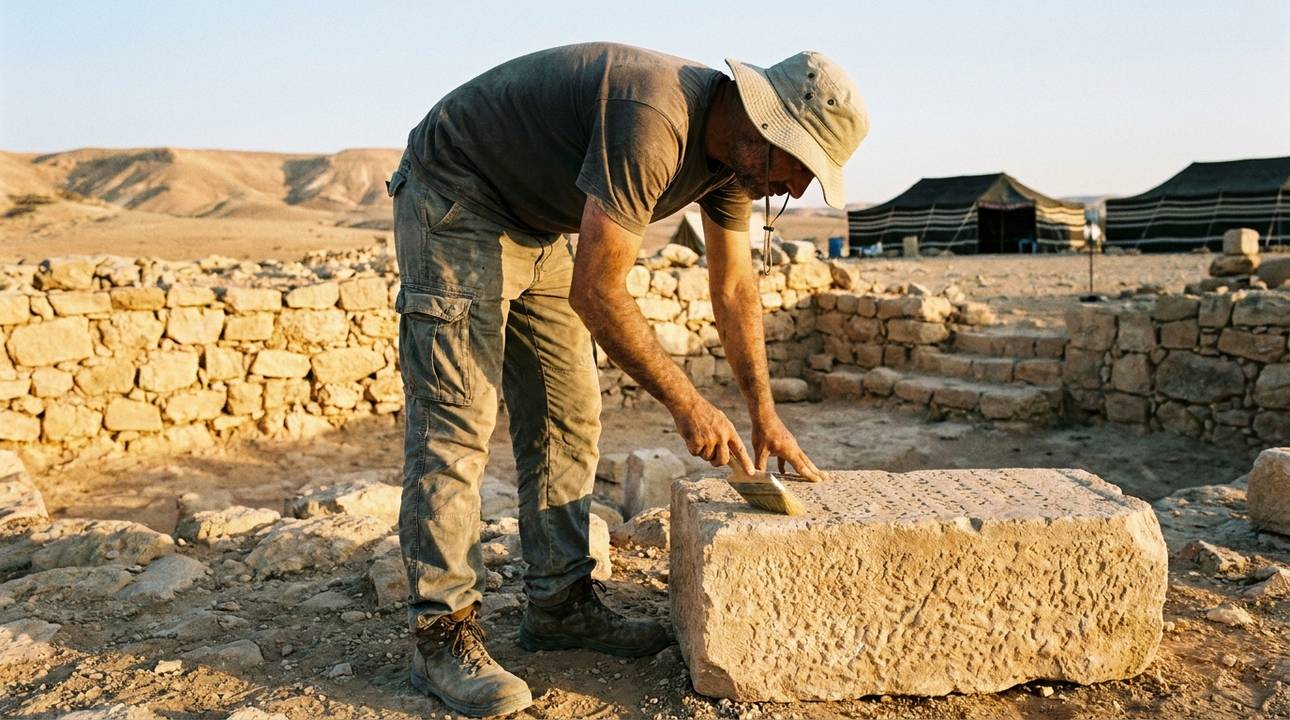
This well is believed to be located in the northern Negev desert, near Kadesh-Barnea. The exact modern location of Beer Lahai Roi is debated, but it is considered to fall within a historically rich and strategic area. Scholars study ancient maps and descriptions to pinpoint its place, considering archaeological findings and historical texts.
Kadesh-Barnea itself holds historical importance as it was a major encampment. The search for Beer Lahai Roi involves examining these historical sites, showing the narratives and their geographical contexts.
Beer Lahai Roi in Historical Texts
The well is described when Hagar meets the angel. At this moment, she is promised numerous descendants and returns to Abram and Sarai’s household. This event at the well signifies hope and assurance from intervention, highlighting the depth of the narrative.
This marks a pivotal moment of comfort and revelation in her life, illustrating the transformative power of encounters in stories.
Religious Interpretations
Different Jewish commentaries, such as those from Rashi and other scholars, offer insights into the significance of Beer Lahai Roi. Rashi, a renowned medieval commentator, emphasizes the well as a place of revelation and comfort.
Another notable scholar highlights the well’s role in demonstrating presence and promise. This interpretation forms a crucial aspect of Jewish thought about interaction and faith.
The insights from these commentators illustrate the importance of trust in divine guidance, showing how historical interpretations continue to influence contemporary understanding.
The insights from Rashi and other scholars contribute to a deeper understanding of the well’s role in narratives. Rashi, a medieval commentator, emphasizes the well’s symbolism of care, while another scholar highlights its historical context.
Their interpretations highlight how Beer Lahai Roi serves as a symbol of hope and care, offering comfort to those seeking guidance.
By examining these commentaries, individuals gain a richer appreciation of the well’s significance in Jewish tradition, illustrating the enduring impact of stories.
Modern Perspectives on Beer Lahai Roi
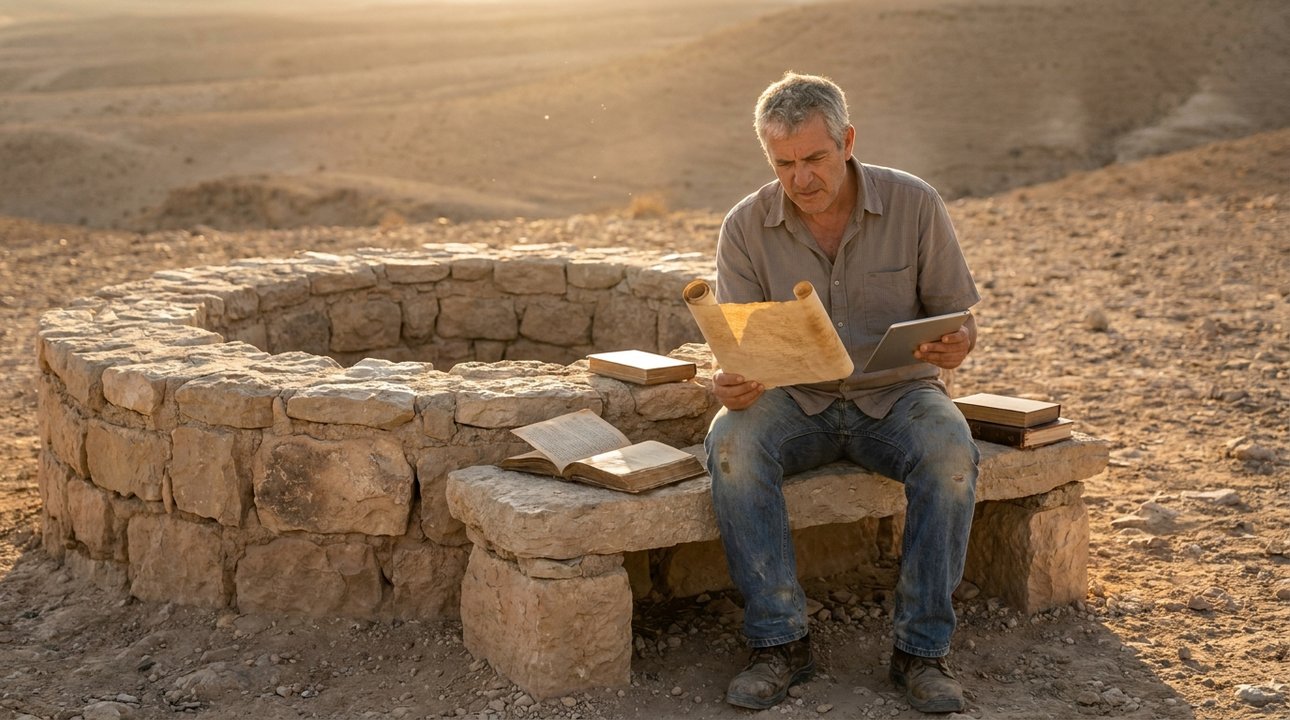
Today, scholars and communities explore Beer Lahai Roi for its historical implications. The well’s association with Hagar’s story offers insights into themes of survival and trust in guidance. Its history is still remembered through study and reflection, encouraging individuals to find strength in their own lives.
from the Western Wall to Masada.
The well serves as a reminder of the enduring connection between ancient texts and contemporary thought, illustrating how stories continue to resonate with individuals seeking guidance.
The significance of Beer Lahai Roi is emphasized in Jewish thought, where it is seen as a symbol of presence and care. This site encourages ongoing reflection on the nature of interaction and the ways individuals can find direction through faith.
By examining the well’s role in narratives, scholars and individuals gain a deeper understanding of the messages within the Torah.
The well’s story is a sign of enduring faith, illustrating how historical sites are still remembered and guide those seeking insight.
Cultural Influence and Legacy
Beer Lahai Roi has entered into cultural narratives beyond its origins. Its story has been evoked in writings and teachings as a symbol of hope and guidance.
The well’s narrative has been referenced in various Jewish texts and commentaries, emphasizing its role as a source of insight. It provides a message about finding direction in desolate circumstances.
Offering hope to those who feel lost or uncertain, the well’s legacy is still remembered through its symbolism, illustrating the nature of faith and resilience.
The story of Beer Lahai Roi has also inspired artistic and literary works, reflecting its impact on Jewish culture and thought. By exploring the well’s themes of divine encounter and resilience, these works contribute to a broader understanding of its significance. For instance, the well is referenced in various midrashic texts, emphasizing its role as a source of spiritual insight. Through these cultural expressions, the story of Beer Lahai Roi is still remembered by individuals seeking guidance and strength in their own lives.

Exploring Beer Lahai Roi Today
Though its exact location is uncertain, Beer Lahai Roi remains a topic of interest. Some scholars suggest it may be near modern-day Beersheba, a city with a notable past itself. This city is mentioned as a place where historical events occurred, further adding to its history.
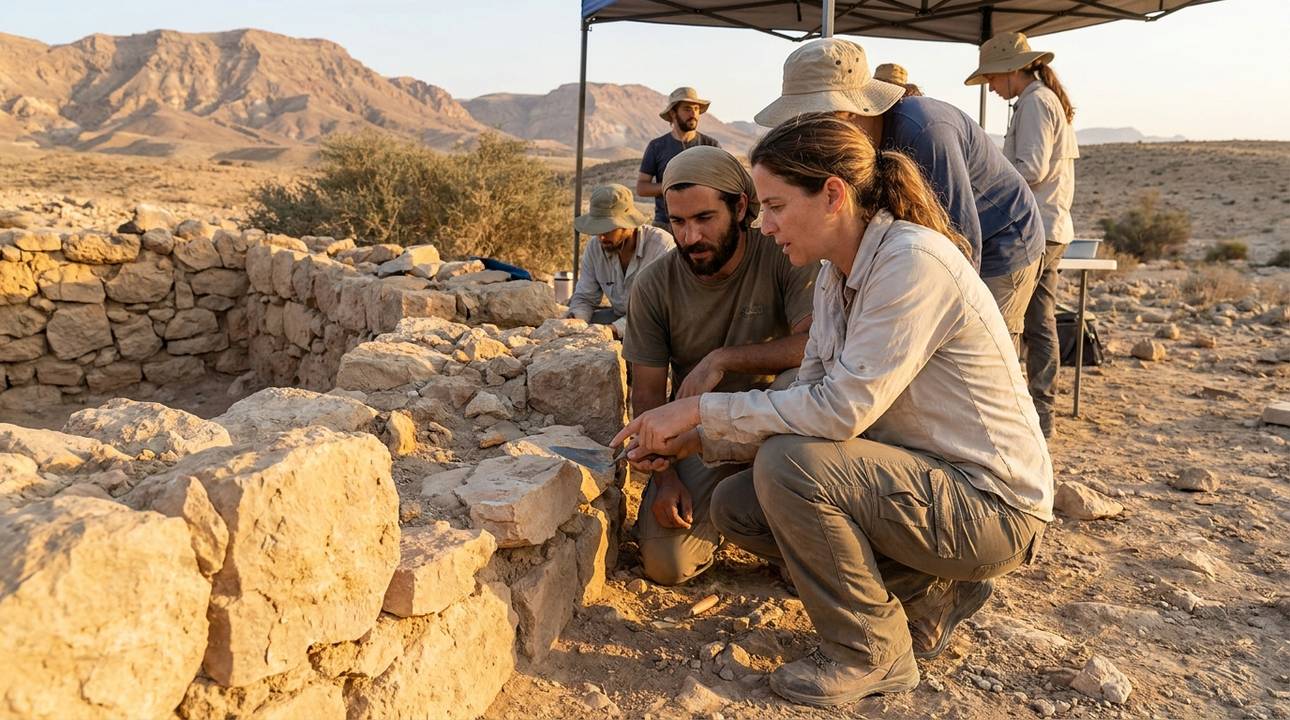
Archaeologists and historians seek to connect its ancient context with modern geography, using clues from texts and historical records.
This quest fuels ongoing discussions about its importance and place in Jewish tradition, as Beer Lahai Roi represents a link to the narratives of the Torah.
The pursuit of identifying Beer Lahai Roi’s precise location also reflects the broader interest in understanding the physical settings of events. This search is part of a larger effort to bridge the gap between ancient stories and modern landscapes, providing a deeper appreciation of the historical context. As researchers continue their work, they contribute to a richer understanding of how these spaces have shaped Jewish identity and faith. The well’s location is key to its history.
The Legacy of Beer Lahai Roi
Beer Lahai Roi’s narrative has left an impression on Jewish heritage. Its themes of hope and encounter continue to resonate deeply with scholars and individuals.
As a symbol, it represents the relevance of teachings in modern life, reminding individuals of the importance of faith and perseverance.
The well’s story, with its emphasis on care and provision, offers a powerful message for those seeking guidance and strength in their own journeys. Its legacy is one of hope and perseverance.
In Jewish tradition, Beer Lahai Roi is often discussed in the context of divine presence, as seen in Hagar’s story. This narrative highlights the idea that divine guidance is available to all, even in moments of despair and uncertainty.
The well’s continued significance in Jewish thought underscores the nature of these teachings, offering comfort and inspiration to those seeking a deeper connection to their faith.
The story of Hagar is a reminder of endurance and hope, illustrating how faith can provide strength in challenging times.
Beer Lahai Roi Significance
