
Discovering Iconic Places of the Bible Through Pictures


Visual depictions of historical places connect us with past events. From the hills of Galilee to the sands of Sinai, these images remind us of the stories associated with these locations. Galilee was known for its role as a city of refuge. The journey through these lands invites us to uncover their histories. The Sinai Desert, another notable location, is significant for its challenging environment.
The Jordan River is known for its historical importance and cultural influence, marking key events in history.
from the Western Wall to Masada.

The Sinai Desert, traversed by the Israelites, contrasts with fertile lands. This challenging terrain tested their endurance. Images help us visualize these challenges and the landscapes that influenced historical figures.
Key Historical Places
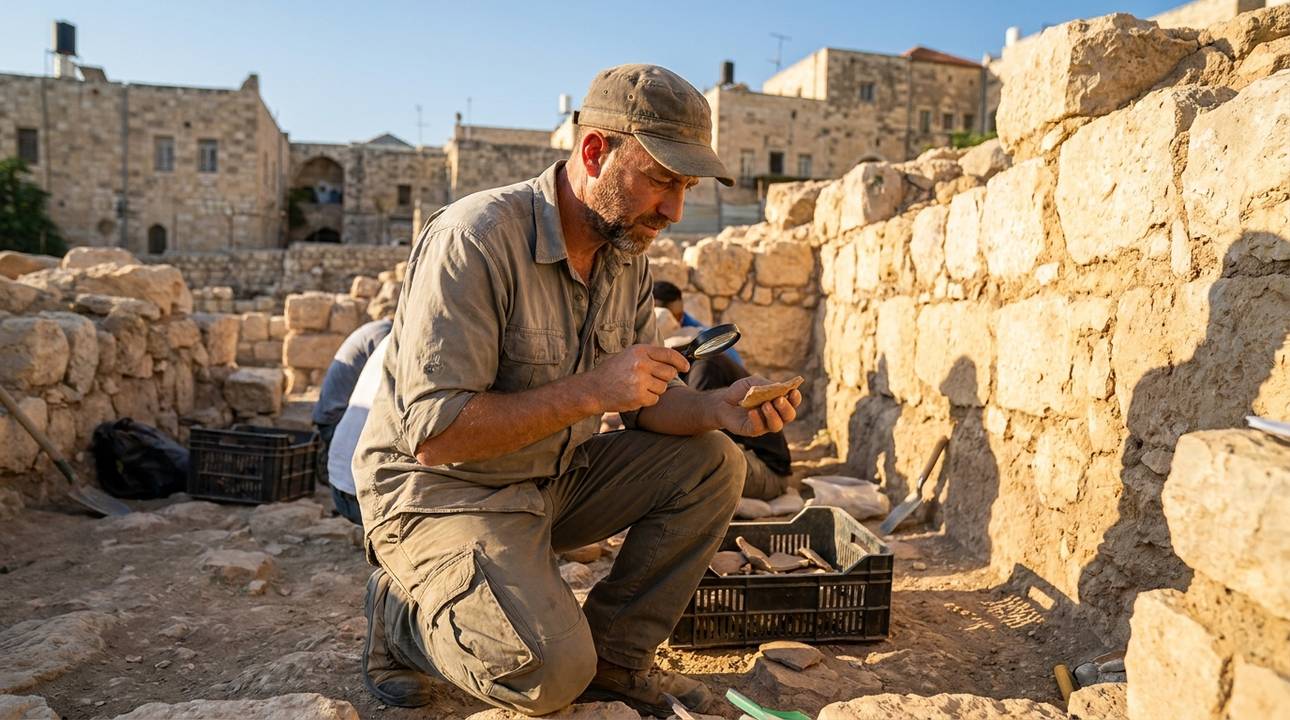
Several sites have been pivotal over time. Locations like Jerusalem and Bethsaida hold a central place in Jewish history. Understanding their geography enriches our understanding of historical events. Jericho’s strategic position underscores its role in conquests. Hebron is recognized as the burial site of patriarchs, marking its historical importance.
Hebron’s connection to ancestral heritage underscores its historical significance and cultural relevance.
Jerusalem’s Biblical References
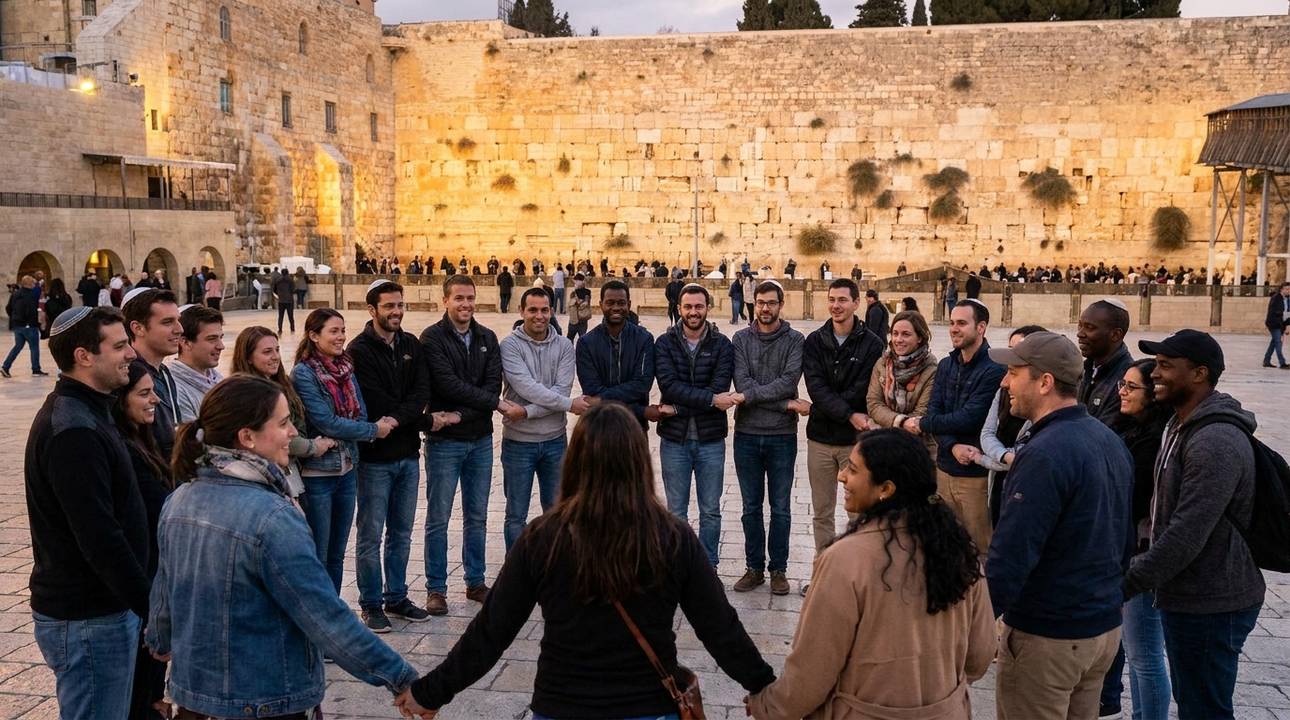
Jerusalem is frequently cited as a place of worship. From its establishment to the construction of the Temple, it anchors many events. Prayers for attention to the Temple highlight its importance. Rebuilding efforts underscore its enduring significance.
Rebuilding symbolizes renewal, reinforcing Jerusalem’s role as a faith center in tradition.
The city’s role is emphasized in prophetic literature. Psalms and other texts mention Jerusalem in hopeful contexts. References to the law coming from Zion highlight its guidance role. This portrayal makes it a key symbol in tradition. Other texts describe it as the city of the Great King.
Lamentations about its desolation reflect its complex history. This duality is central to its portrayal, serving as both a place of promise and struggle.
There is a call to pray for peace in Jerusalem, highlighting its importance in Jewish thought. Its representation as a presence place underscores its central role in narratives. Jerusalem is depicted as a worship heart, with the Temple being a festival focal point.
Jerusalem’s vision as a unity center reflects its profound role in prophecy and hope.
Galilee’s Historical Context
Galilee, in northern Israel, is noted for its landscapes and historical towns. It appears in various narratives as a backdrop for teachings. Its value is shown in historical exchanges. This area offers insights into ancient daily lives. It’s also mentioned as a city of refuge, highlighting its safety role.
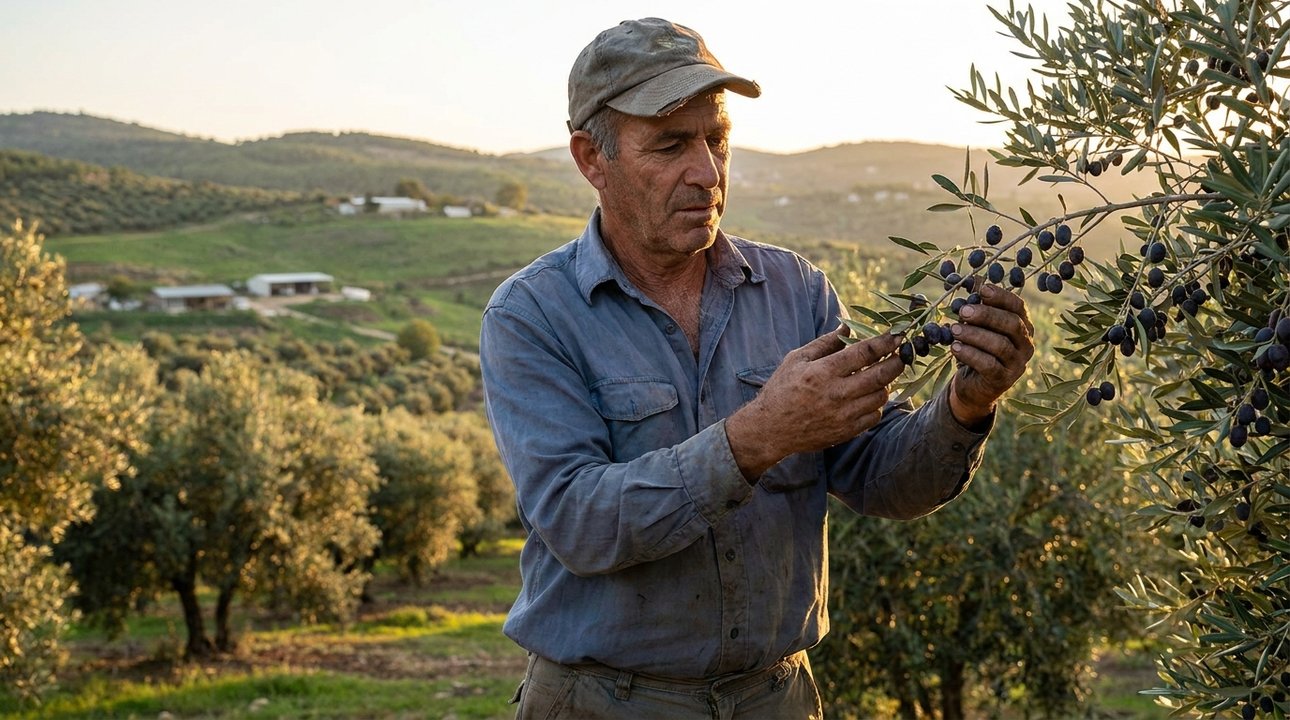
Galilee’s fertile lands supported agriculture, evident in vineyard stories. This highlights its agricultural richness.
The fertile land supported agriculture, aiding trade. Galilee’s story role highlights its cultural impact. Its strategic location made it a crossroads for various peoples, emphasizing its importance.
Narratives in Galilee’s backdrop illustrate its importance in historical tradition.
From agriculture to trade routes, Galilee’s historical richness is complex. Its natural beauty and productivity are often referenced. These references highlight its importance as a physical and symbolic setting. It is depicted as a sustenance place, reinforcing its significance.
from the Western Wall to Masada.
Events in Galilee’s fertile lands underscore its association with abundance.
Bethsaida’s Role in History
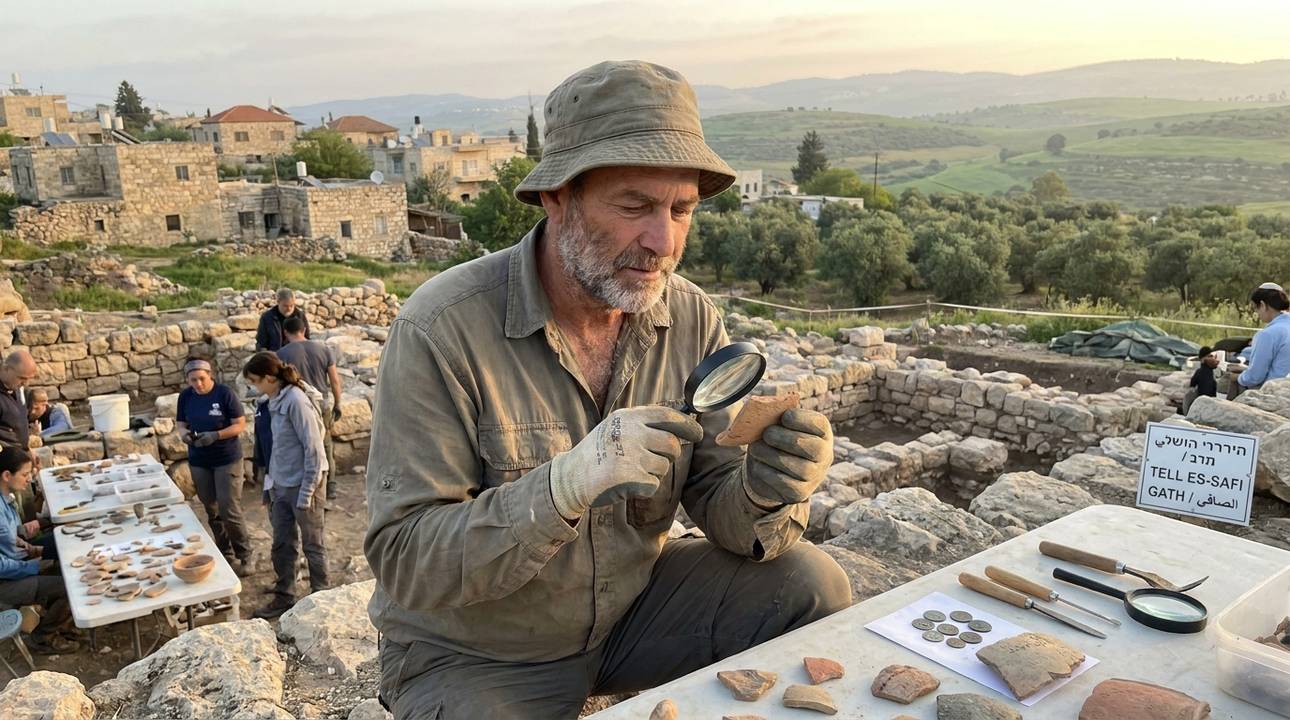
Bethsaida was key in historical stories, especially as a northern fishing village. Its proximity to the Sea of Galilee made it a trade hub. Archaeological findings provide insights into its past. Discoveries like fishing nets and pottery reveal its economic activities. It’s mentioned as part of Naphtali’s territory.
This highlights its longstanding presence and regional importance. Its connection to historical figures adds depth to its narrative.
Bethsaida is often mentioned in relation to teaching and gathering. It plays a role in understanding cultural contexts. Archaeology suggests it was a thriving fishing village. Its study reveals layers of ancient lifestyles, seen in public building remains.
This highlights Bethsaida’s significance in teachings and broader narratives.
Bethsaida’s location near the Sea made it a trade and communication hub. Historical texts offer insights into daily life. Findings, including tools and house remains, suggest a sea-connected community. It’s the site of significant events, emphasizing its narrative role.
The village’s strategic location facilitated cultural interactions, enriching its history.
Visiting Historical Places Today
Many historical locations exist, allowing exploration. These sites connect us with narratives. Excavations like those at Megiddo uncover history layers. Research maintains their stories for future generations. Megiddo is mentioned as a fortified city, showing its strategic importance.
Jericho, known for its walls, is rich in history. Discoveries reveal ancient construction techniques.
Work at these sites preserves history and enriches understanding. Excavations at Tel Megiddo reveal history layers. Studying artifacts lets scholars piece together ancient lives. Pottery finds offer economic insights.
Studying texts enhances understanding of sites. Pictures and narratives deepen appreciation. Visual depictions of Mount Sinai evoke historical events’ awe. This exploration broadens heritage perspectives. Imagery of significant events is powerful. The Jordan River depiction highlights its journey role.
Crossing symbolizes transition, adding depth to narrative understanding.
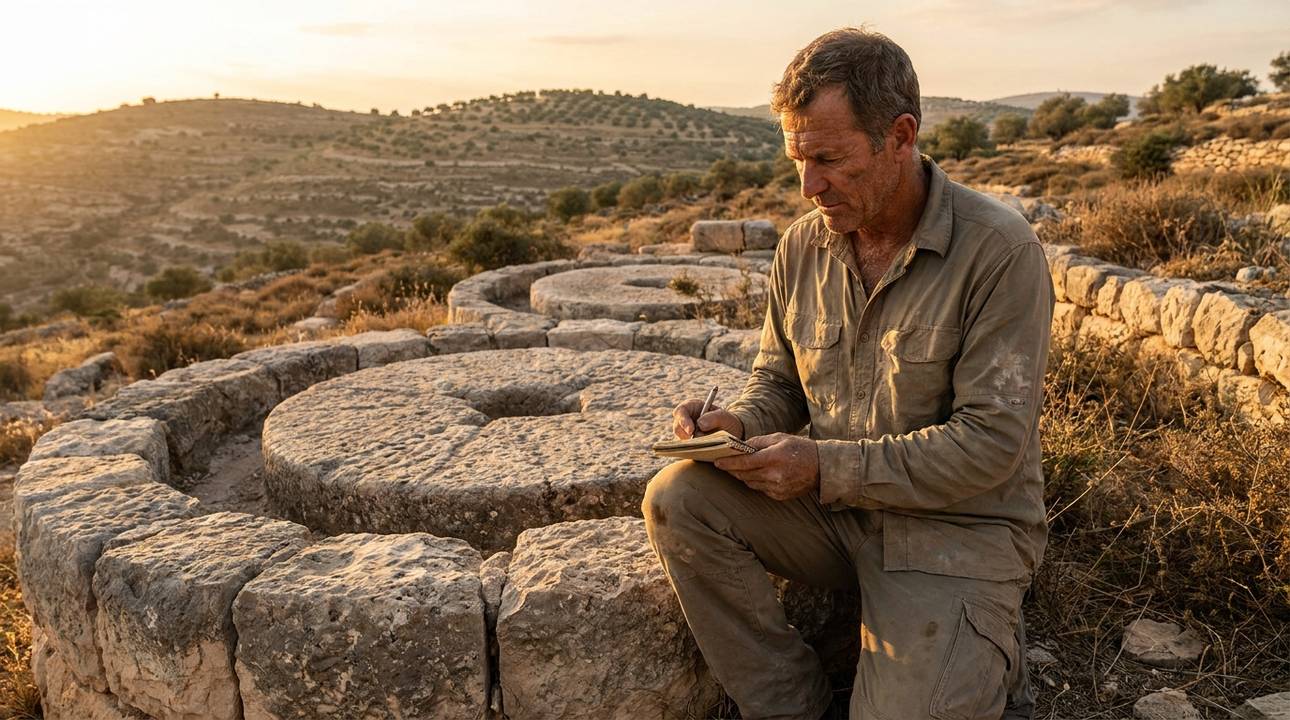
Examining landscapes and artifacts aids understanding of historical contexts. Discoveries like olive presses in Judean hills connect to olive oil ritual references. This approach connects us with Jewish history’s stories. Artifacts enrich narrative understanding.
Travel and Understanding of Historical Places
