Exploring the History and Significance of the River of Gozan


The River of Gozan is a significant historical location, known for its context. Located in what is now the Middle East, it played a crucial role during the Assyrian captivity, where the Israelites were exiled by the Assyrian king. This article explores its historical importance, offering a glimpse into the past and highlighting its role in the narratives of ancient texts, providing insights into the experiences of the exiled communities.
The historical context of Gozan is further enriched by archaeological findings in the area. These discoveries, including ancient settlements and artifacts, help reconstruct the socio-economic conditions of the time and the interactions between the Assyrians and the exiled Israelites.
Examining these findings alongside historical texts allows scholars to gain a deeper understanding of the cultural and historical dynamics that shaped the region and the development of Jewish identity during this pivotal period.
from the Western Wall to Masada.

The Assyrian Empire, under rulers like Tiglath-Pileser III and Sargon II, expanded its reach, impacting regions like Gozan. This area, near the Habor River, was a place where many Israelites were relocated.
Such relocations were part of the larger Assyrian strategy to control and assimilate conquered peoples, a practice that had lasting effects on the cultural and demographic landscape of the region, influencing the development of local societies and their interactions.
The Assyrian policy of population displacement aimed to weaken resistance by breaking ethnic and cultural ties. This strategy is reflected in the historical accounts of the exile, where the Israelites were forced to adapt to new environments while striving to maintain their traditions.
The impact of these policies can be seen in the archaeological record, with evidence of Assyrian influence in the material culture of the exiled communities, highlighting the complex dynamics of cultural exchange and adaptation.
What Is the River of Gozan?
Gozan is first mentioned in the context of the Assyrian exile. It was the site where the Assyrians settled part of the exiled Israelites. This location is historically validated as being in the northwestern region of Mesopotamia, known in antiquity as part of the Assyrian Empire.
Understanding its geographical context helps comprehend its role in historical narratives and the strategic importance it held for the Assyrians in controlling the region.
Located near the Habor River, Gozan’s significance as a site of exile is further emphasized. This area served as a hub for displaced populations, contributing to the cultural and demographic changes in the region.
Analyzing the historical and geographical context of Gozan allows scholars to better understand the complex interactions between the Assyrians and the exiled Israelites, shedding light on the broader historical landscape of the ancient Near East.
Historical Context of Gozan
Gozan was a region where the Israelites were taken during the Assyrian conquest. In the 8th century BCE, Tiglath-Pileser III began the deportations, affecting Israelite society profoundly.
Historical references to this area provide insights into the exile experiences of the Jewish people, highlighting the challenges they faced in maintaining their cultural and religious identity in a foreign land.
Studying Gozan’s history illuminates its significance in the broader narrative of Israel. The region was part of a larger Assyrian strategy to control and assimilate conquered peoples. This tactic involved relocating populations to distant regions, disrupting their social structures.
Despite these hardships, the Jewish community retained its traditions, as evidenced by later historical texts and accounts, showcasing their adaptability.
Historical References to the River of Gozan
Gozan is specifically mentioned in historical texts.
It states that the Israelites were settled there after being captured by the Assyrian forces.
These historical texts provide a historical anchor, showcasing the Assyrian impact on Israel, which included the relocation of entire communities.
Understanding this reference is crucial for studying history and geography, as it highlights the complex interactions between ancient empires and their subjects.
The Assyrian Empire was known for its military prowess and administrative efficiency.
Under kings like Shalmaneser V and Sargon II, it expanded its territories, including the conquest of the northern kingdom of Israel.
The relocation of the Israelites to regions like Gozan was part of a broader strategy to control and integrate conquered peoples.
This historical context provides valuable insights into the geopolitical dynamics of the ancient Near East, enriching our understanding of historical narratives.
Archaeological Insights on Gozan
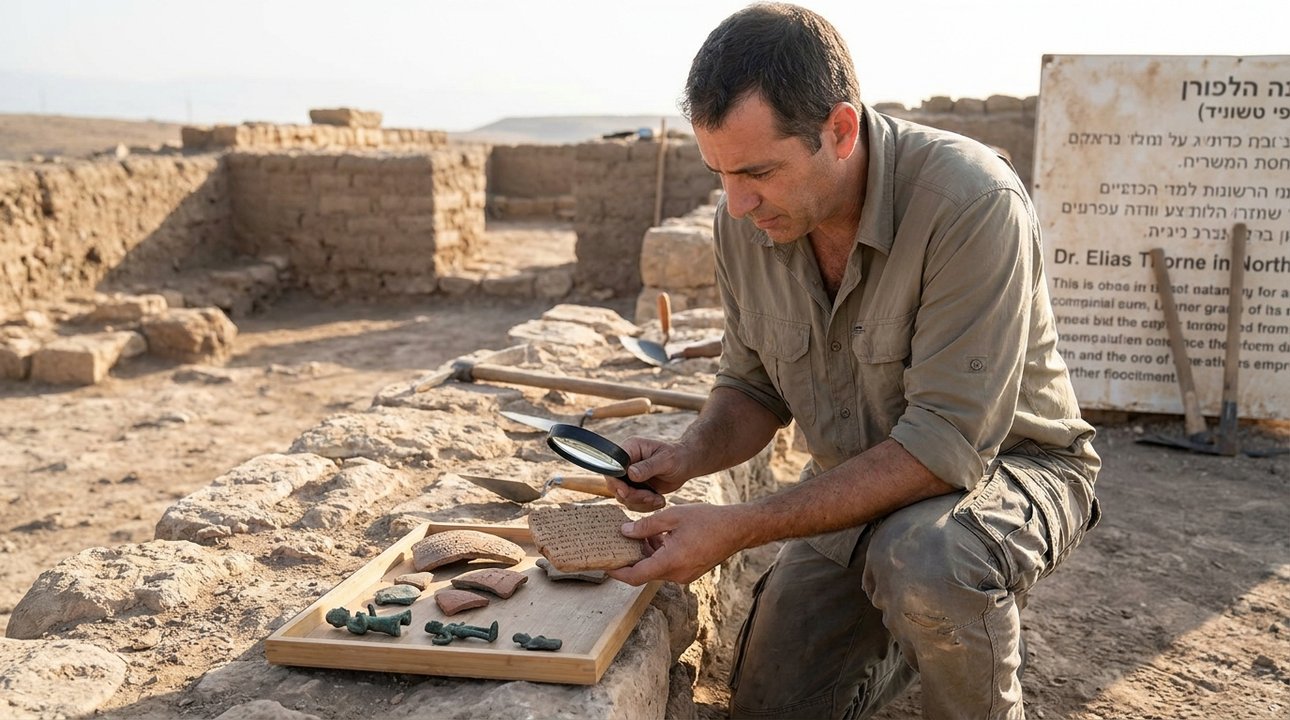
Archaeological evidence supports the historical presence of exiled communities near Gozan. Excavations in the area reveal settlements and artifacts from the Assyrian period, such as pottery and inscriptions. These findings, dating back to the 8th century BCE, provide a window into the daily lives of the exiles.
Studying these artifacts helps to better understand the lifestyle and challenges faced by the exiles, including their adaptation to new environments and the preservation of their cultural identity.
This archaeology enhances the historical narrative with tangible evidence. The artifacts discovered offer a glimpse into the socio-economic conditions of the time, including trade practices and domestic life.
Such discoveries not only affirm historical records but also enrich our understanding of the cultural and historical context of the region during the Assyrian Empire’s expansion.
Cultural Impact of the River of Gozan
Gozan holds cultural role as part of the exile stories of the Israelites. It symbolizes the struggle and determination of the Jewish people during times of hardship. These narratives continue to influence Jewish cultural memory and identity today, serving as powerful reminders of perseverance. Reflecting on these stories offers a deeper connection to Jewish heritage, inspiring future generations to remember their roots and cultural identity.
The stories of exile and resilience associated with Gozan have been passed down through generations, reinforcing the values of community and faith. These narratives highlight the importance of maintaining cultural identity and traditions in the face of adversity.
The exile to Gozan and other regions was a defining moment in Jewish history. It marked a period of dispersion and adaptation, as communities were forced to maintain their identity in foreign lands. Despite the challenges, the Jewish people preserved their traditions and beliefs, contributing to the mix of Jewish cultural memory. These stories of perseverance and survival continue to resonate, providing a source of strength and inspiration for many today.
from the Western Wall to Masada.
The accounts of the exile highlight the importance of community and perseverance in overcoming adversity. These narratives have been passed down through generations, reinforcing the values of perseverance and cultural continuity.
The experiences of the exiles in Gozan and other regions serve as powerful reminders of the challenges faced by the Jewish people and their ability to adapt and thrive in the face of hardship, inspiring future generations to remember their roots.
Gozan in Modern Scholarship
Modern scholars analyze Gozan to understand its broader implications. Research explores its geographic, historical, and archaeological significance, focusing on its role during the Assyrian Empire’s expansion.
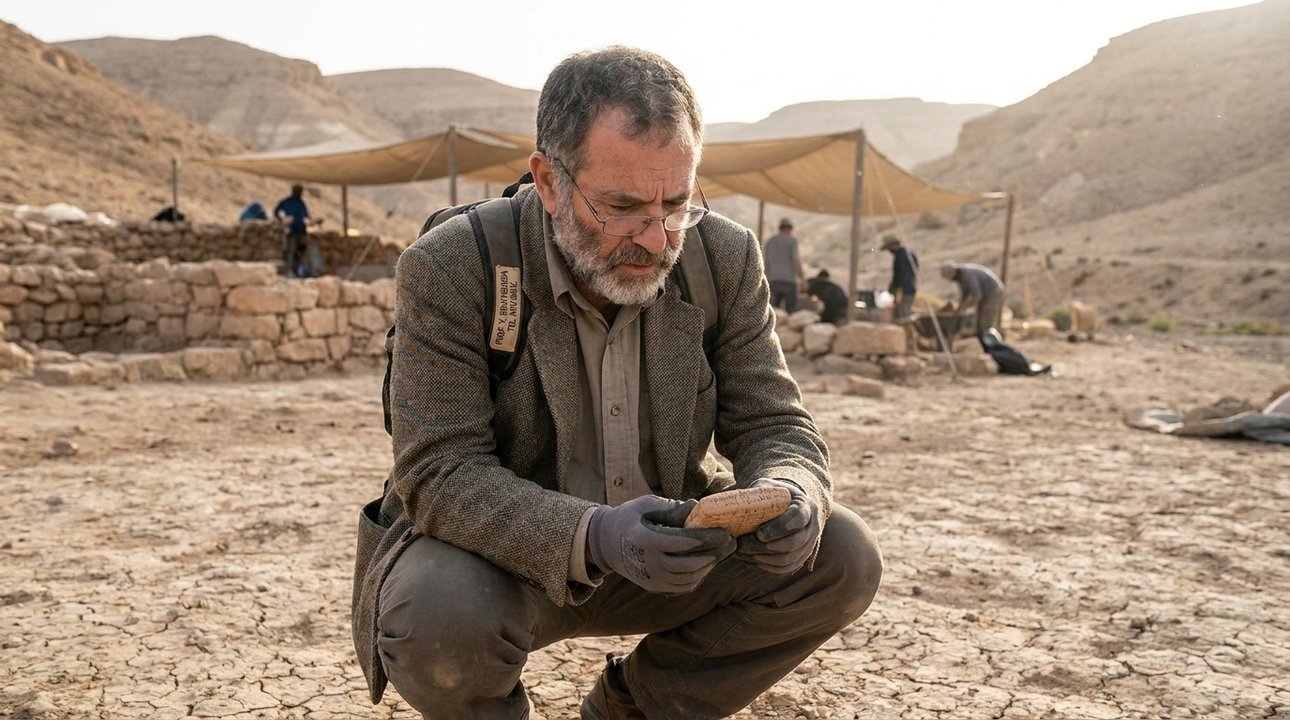
Archaeological findings in the region, such as ancient inscriptions and artifacts, provide insights into the daily lives of those who lived there. These discoveries help reconstruct the socio-economic conditions of the time, offering a glimpse into the interactions between the Assyrians and the exiled communities.
This analysis continues to contribute to the scholarly understanding of history. By studying the material culture of the region, researchers can better understand the cultural exchanges and adaptations that occurred as a result of the Assyrian policies. The study of Gozan and its surroundings enriches our understanding of the historical and cultural dynamics of the ancient Near East, providing valuable context for interpreting historical narratives and their history.
Today’s studies build on ancient texts to deepen our comprehension of the past. Examining records from the Assyrian period allows scholars to better understand the geopolitical dynamics of the time.
Gozan, mentioned alongside other locations like Halah and the cities of the Medes, helps piece together the historical puzzle of Israelite exile. These efforts enrich our understanding of the complex interactions between ancient empires and their subjects, providing a more nuanced view of the historical context.
The study of ancient texts and archaeological findings from the region offers valuable insights into the cultural and social changes that occurred as a result of the Assyrian policies. The interactions between the exiled communities and their new environments led to the development of new cultural practices and adaptations.
These studies highlight the adaptability of the Jewish people, who maintained their identity and traditions despite the challenges of exile and displacement.
Present-Day Understanding of Gozan
Today, the region known as Gozan is part of the modern Middle East.
Current geopolitical boundaries make it challenging to pinpoint its exact location, though it is often associated with areas near the Khabur River in present-day Syria.
However, historical scholarships provide valuable insights into its past importance, drawing from ancient records and archaeological findings.
Exploring Gozan enriches our appreciation for history and its ongoing legacy, connecting past events to present understandings.
The history of Gozan is underscored by its mention in various historical texts. These references highlight the region’s role in the Assyrian exile of the Israelites, a pivotal moment in Jewish history. By studying these texts, scholars can reconstruct the socio-political landscape of the ancient Near East. This research not only informs our understanding of historical narratives but also sheds light on the broader historical context of the era, including the interactions between different cultures and empires.
The accounts of the exile in Gozan provide valuable insights into the experiences of the Israelites during this period. These texts, along with archaeological evidence, help piece together the historical puzzle of the Assyrian Empire’s expansion and its impact on the region.
The study of Gozan and its role in the exile contributes to a deeper understanding of the complex historical and cultural dynamics that shaped the ancient Near East and the development of Jewish identity.
Conclusion: Why Study the River of Gozan?
Studying Gozan offers insights into the historical context of events. It enhances our understanding of the Israelites’ experiences during exile.
This region serves as a reminder of the history of the Jewish people, who faced numerous challenges yet maintained their cultural identity. Reflecting on Gozan helps maintain connections with past traditions and stories, fostering a sense of continuity with Jewish heritage and inspiring future generations.
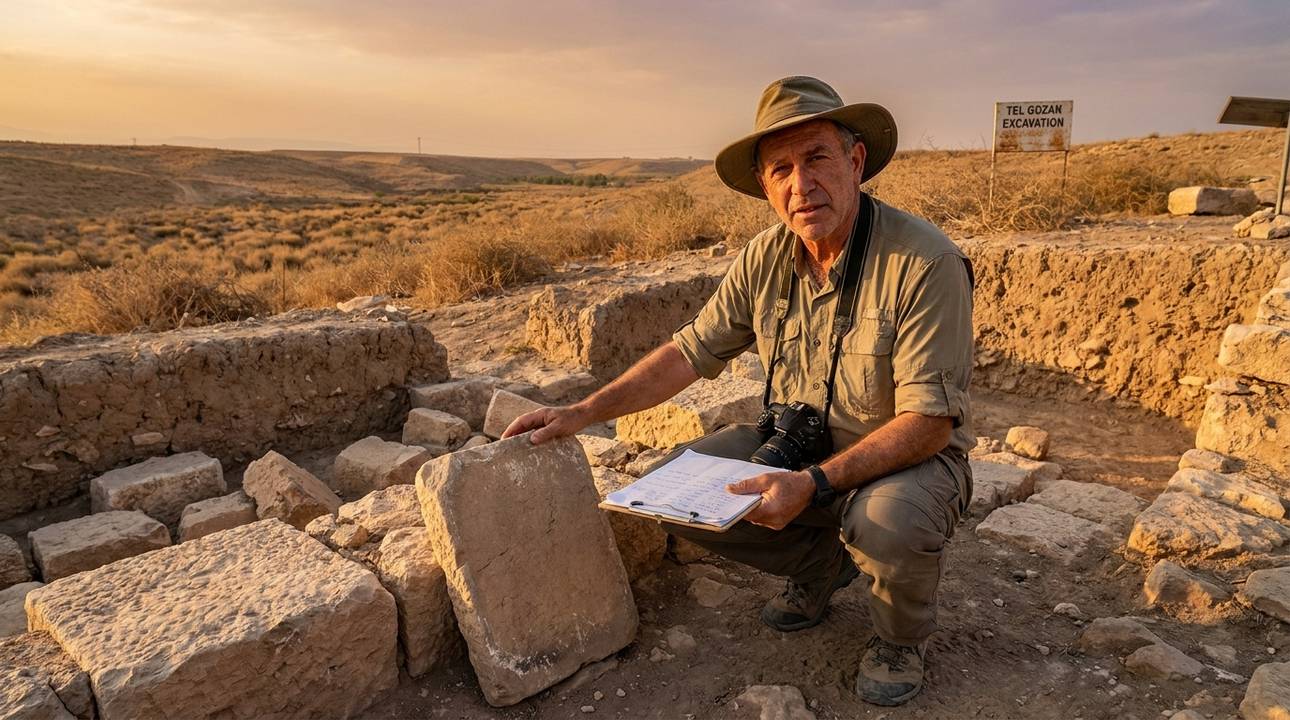
The archaeological evidence from the region provides valuable insights into the daily lives of the exiled communities, including their adaptation to new environments and the preservation of their cultural practices.
These findings, combined with historical accounts, offer a comprehensive view of the historical and cultural dynamics of the time, highlighting the importance of Gozan in understanding the broader narrative of the Assyrian exile and its impact on Jewish cultural memory.
The exile to Gozan was part of a broader strategy by the Assyrians to weaken and assimilate conquered peoples. This tactic involved relocating populations to distant regions, disrupting their social structures. Despite these hardships, the Jewish community retained its traditions, as evidenced by later historical texts and accounts.
The determination of the Jewish people during the exile is reflected in the writings of the prophets, such as Isaiah and Jeremiah, who offered hope and guidance to the exiled communities. These texts highlight the importance of perseverance in the face of challenges.
The experiences of the exiles in Gozan and other regions contributed to the development of Jewish cultural memory, influencing later generations and reinforcing the importance of community and tradition in preserving identity.

General Information