Exploring Tarshish: A Historical Perspective
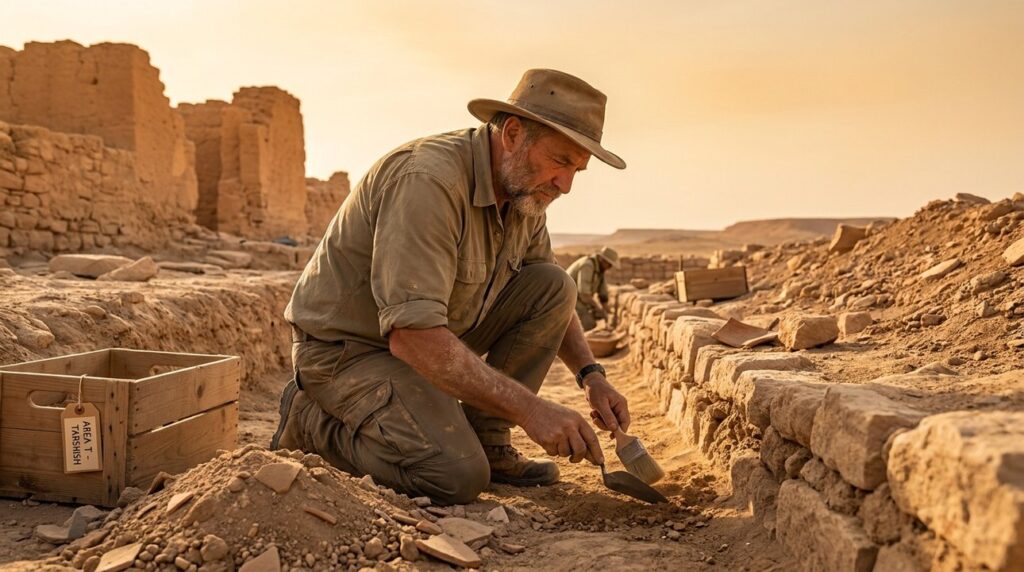

The ancient place of Tarshish is frequently mentioned in historical trade narratives. This article explores its historical significance through contextual insights. By examining historical references, we gain a better understanding of the trade routes and goods that characterized this ancient hub, offering a clearer picture of its historical role.
Tarshish played a significant role in ancient trade, known for its abundance of precious stones and metals. Its exact location is debated, with theories placing it as far as Spain or India. The significance of Tarshish in history is tied to its trade connections. Its mention as a trading partner with Tyre highlights its importance in the ancient world.
from the Western Wall to Masada.

What Is Tarshish?
Tarshish is linked to trade and wealth. It is mentioned as a trading partner with Tyre, highlighting its importance in the ancient world. The debate about its location reflects the broader interest in ancient trade routes.
Historical References to Tarshish
Tarshish is associated with seafaring and distant lands. It is mentioned as a destination representing the far reaches of the known world. Texts describe fleets of ‘Tarshish ships’ carrying gold, silver, and ivory, indicating its role in global trade.
How Was Tarshish Viewed in Historical Times?
Ancient texts depict Tarshish as a land of great wealth and exotic goods. It is often mentioned alongside luxury items such as silver, iron, tin, and lead, suggesting its prominence in commerce. Accounts describe it as elusive and distant, enhancing its mystery in historical narratives.
Tarshish is often depicted as a place of distant horizons and wealth, reflecting the ancient world’s fascination with remote lands. The stories showcase the human desire to explore and confront the unknown.
Tarshish in Jewish Tradition
Jewish tradition often reflects on the nature of Tarshish through its commercial and symbolic meanings. It represents far-reaching trade in rabbinic literature. Rabbinic texts sometimes use Tarshish as an example of abundance, portraying it as a place where riches abound. This is evident in the Talmud, where Tarshish is associated with prosperity.
This metaphorical use underscores the cultural and economic significance of Tarshish in Jewish thought. The legacy of Tarshish as a symbol of wealth is remembered in discussions on trade and prosperity.
Modern Interpretations and Archaeological Insights
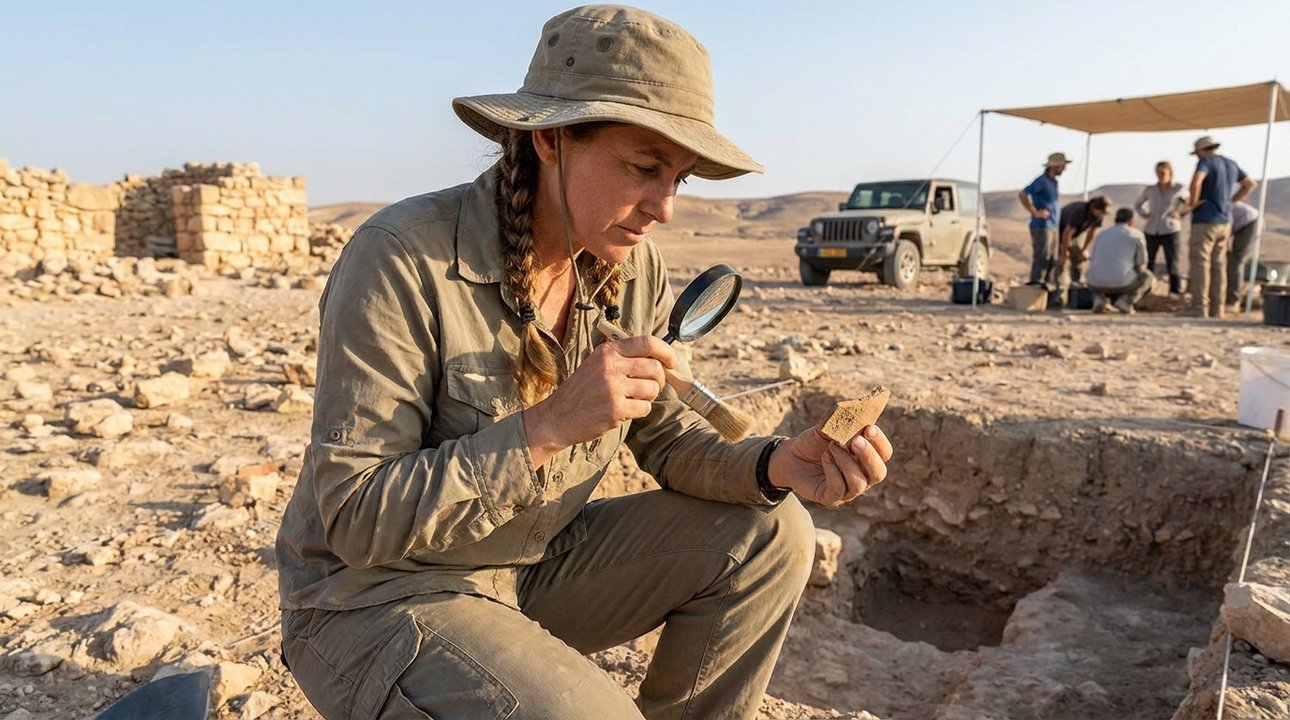
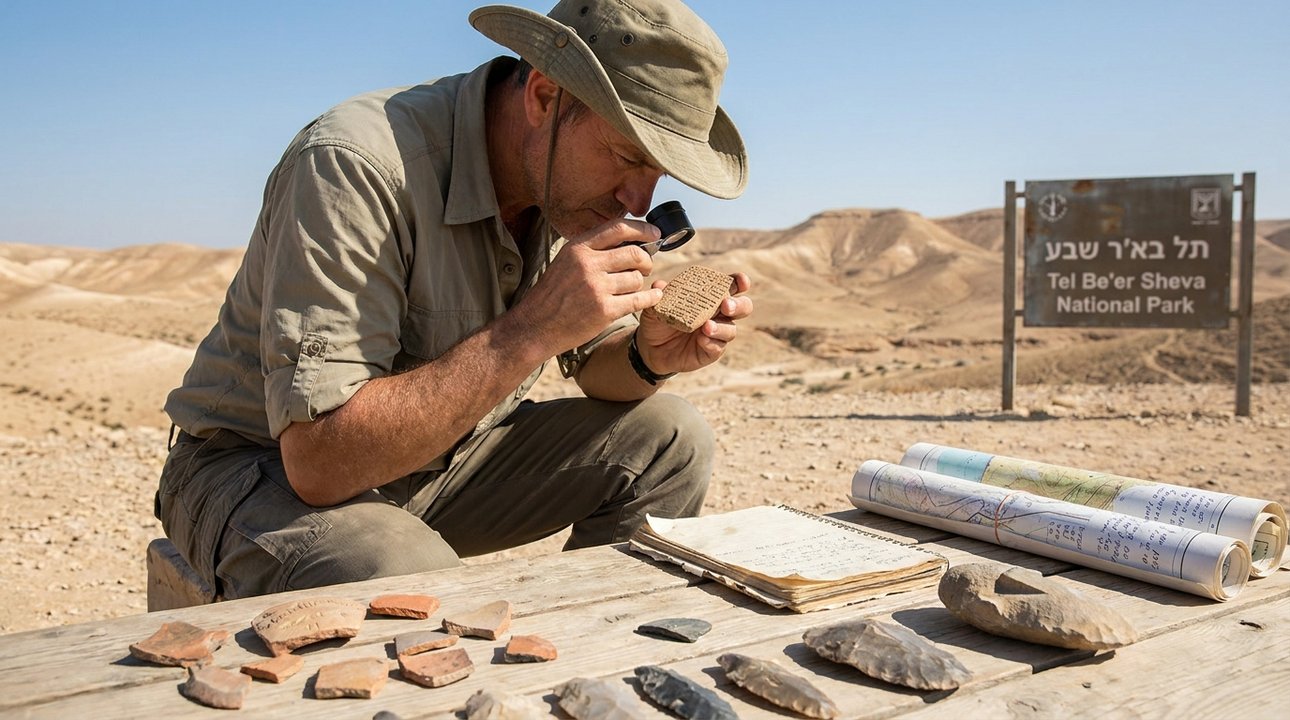
Recent archaeological studies have sought to locate Tarshish, with sites in Spain and the eastern Mediterranean suggested as potential candidates. The Phoenicians, known for their seafaring skills, are believed to have traded with Tarshish, which might have been a hub for metals. These explorations aim to clarify Tarshish’s historical and geographical realities, providing insights into its role in ancient trade networks.
from the Western Wall to Masada.
One theory suggests that Tartessos, an ancient culture in southern Spain, might be the historical Tarshish. This theory is supported by geographical descriptions and trade connections in ancient texts.

Cultural Influence of Tarshish
Throughout literature and art, Tarshish has been a symbol of exoticism and commerce. Its evocative descriptions in texts continue to influence cultural narratives. In modern times, artworks and literary pieces use Tarshish as a metaphor for mystery and discovery, reflecting its legacy. As a symbol of the unknown, Tarshish captivates the imagination of artists and writers alike.
In poetry, Tarshish is often depicted as a place of great ships and wealth, further cementing its image as a land of prosperity. The ships of Tarshish are described as mighty vessels, capable of long voyages and laden with treasures.
What Do We Know About Tarshish Today?
Today’s understanding of Tarshish is shaped by historical research and scholarship. While its exact location remains uncertain, the consensus recognizes its importance in ancient trade.
Theories range from it being in Spain, possibly linked to the ancient city of Tartessos, to locations in the eastern Mediterranean. The mysterious nature and history of Tarshish contribute to its intrigue.
Tarshish and Lev Haolam
Lev Haolam subscribers can appreciate the historical curiosity that Tarshish represents. By exploring connections with Israeli businesses in a modern form of trade and cultural exchange, participants engage in a narrative of trade and cultural connection.
Understanding Tarshish in the Bible