
Discovering the Forest of Hereth in Historical Context


The Forest of Hereth is recognized as a refuge during a time of escape, providing a strategic hiding place.
Situated in the territory of Judah, Hereth served as a natural sanctuary for those in need. In this article, we’ll explore its role in historical journeys and the impact it had on those who sought refuge there.
This woodland marked a period of gathering strength and building alliances. This phase can be compared to a stay in the Wilderness of En Gedi.
These locations were more than mere hideouts; they were places where leadership and resolve were tested and strengthened, preparing for future roles.
from the Western Wall to Masada.
What Is the Forest of Hereth?
Hereth is mentioned as a significant location in ancient stories. It is noted for being a hiding place at a critical time.
Situated in the region associated with ancient Judah, this area provided the necessary cover and resources during times of distress. Its importance is highlighted as a retreat for those in need.
The name itself might suggest a wooded area, which would offer a natural sanctuary from pursuit. This is similar to other locations like the Cave of Adullam, where refuge was also found.
Dense foliage and a remote location made it an ideal spot to evade forces. Such settings were crucial for survival and regrouping during periods of intense pressure and danger.
Historical and Geographical Context
While exact details of its location remain debated, Hereth is traditionally identified in the territory of Judah. This area was known for its rugged terrain and dense woodlands, offering natural fortifications.
Its geographical positioning would have been strategic for refuge during times of conflict, much like other wooded areas mentioned in historical texts. Understanding its setting helps us appreciate the tactical choices made by followers.
Much of what is known comes from textual references rather than archaeological evidence, underlining its role in narrative more than physical history. The lack of physical evidence does not diminish its importance in historical accounts.
This highlights the significance of oral and written traditions in preserving the stories of places like Hereth. Its role is akin to other strategic locations used in historical narratives.
Historical References to Hereth
The one prominent mention of Hereth is found in historical texts. Here, it is advised to leave the fortress and reside in the forest. This setting becomes part of a larger story of escape and strategic maneuvers.
The fleeting mention suggests a place known to its contemporaries but not requiring extensive description for its initial audience. This highlights its perceived security and suitability as a temporary enclave.
Time in Hereth parallels earlier refuge in the Cave of Adullam. Both locations offered protection and the opportunity to gather followers. Its role underscores the importance of strategic retreats in historical journeys.
It provided a setting where planning and preparation for future confrontations could occur.
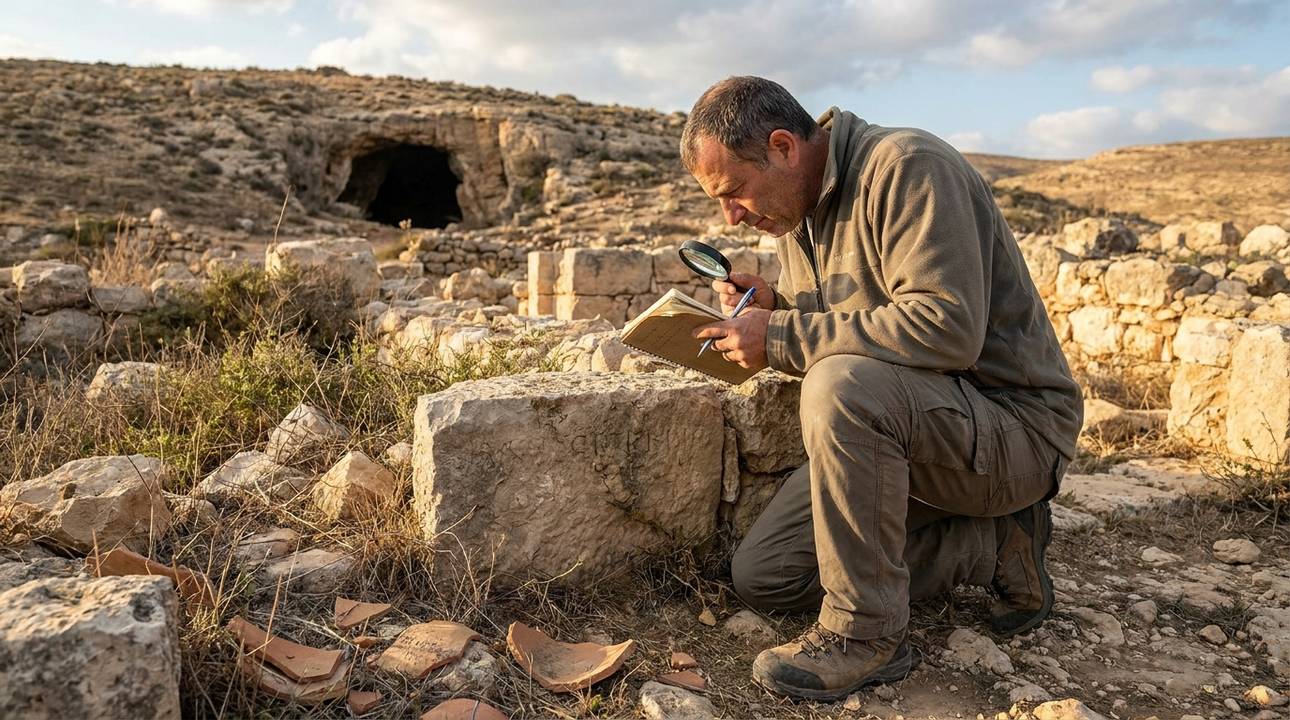
In short: Hereth served as a tactical refuge within Judah’s territory during times of flight. While its precise location remains uncertain, its narrative function is clear. It was a place to regroup and fortify resolve.
Its mention emphasizes its importance as a symbol of safety and strategic advantage.
Despite the lack of archaeological evidence, its role in historical stories is undeniable. Hereth’s role is akin to other hideouts.
These locations highlight the importance of natural landscapes in narratives, serving as both physical and symbolic refuges for those in peril.
from the Western Wall to Masada.
The Role of Hereth in David’s Journey
Hereth was crucial in historical journeys. It was during this time that strength and followers were gathered. This period helped solidify leadership, building a community loyal despite threats.
The forest symbolized survival, themes that resonate in broader life stories. While brief, its role in the narrative was pivotal for emotional and physical preparation for future challenges.
This echoes the unity seen in bands of men at the Cave of Adullam. The camaraderie and loyalty developed in these refuges were essential for eventual rise to leadership.
It provided not just physical shelter but also a psychological space for reflection and planning, crucial for leadership development.
Archaeological Insights and Current Understanding
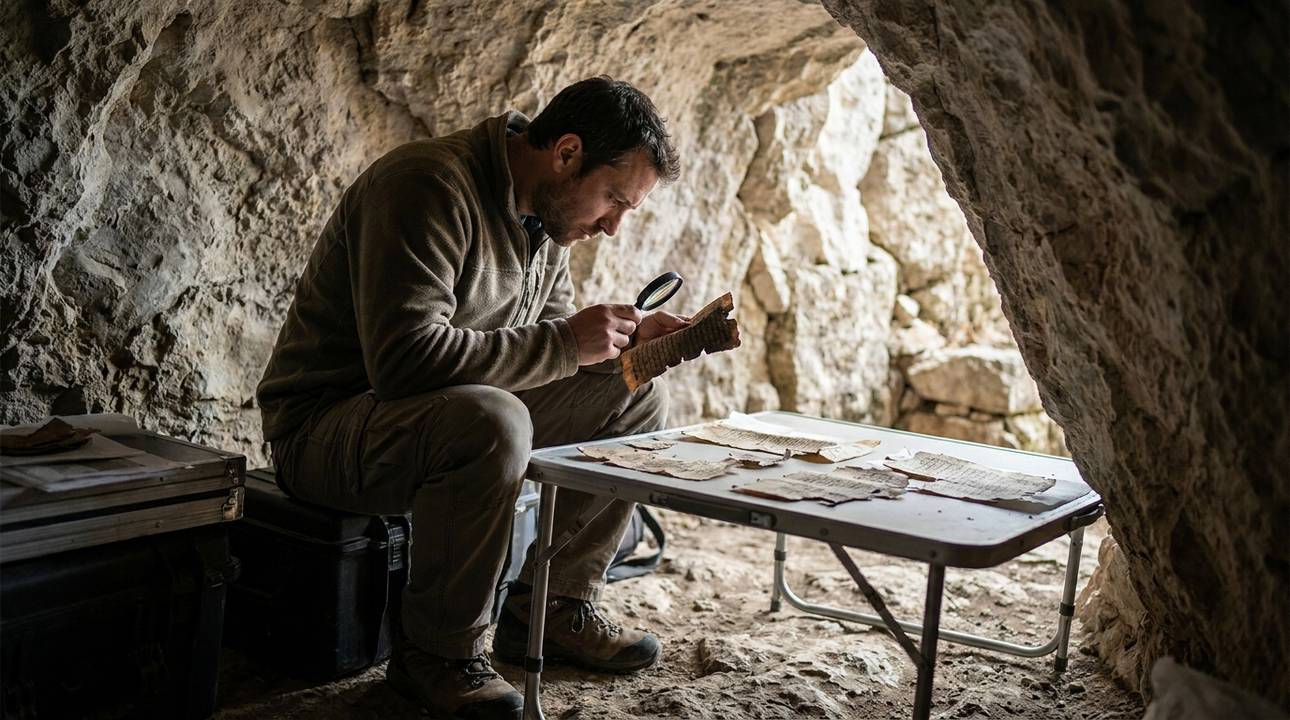
Modern archaeology does not offer concrete evidence of Hereth’s precise location. Studies focus more on textual analysis and historical geography rather than physical findings.
This lack highlights a common challenge in archaeology: locations crucial to narrative lacking physical artefacts. Scholars rely on texts to paint historical pictures, suggesting Hereth’s identity might remain elusive but deeply embedded in literature.
Its story lives on through the text, not physical remnants. This is similar to the elusive nature of other historical locations.
Hereth in Contemporary Reflection
Today, the concept of Hereth extends beyond its physical presence into cultural and historical reflection. It represents themes of sanctuary, resilience, and perseverance, still relevant in modern storytelling.
In Jewish cultural memory, places like Hereth are important symbols of survival during trials. This connection fosters broader discussions about identity, belonging, and historical resilience.
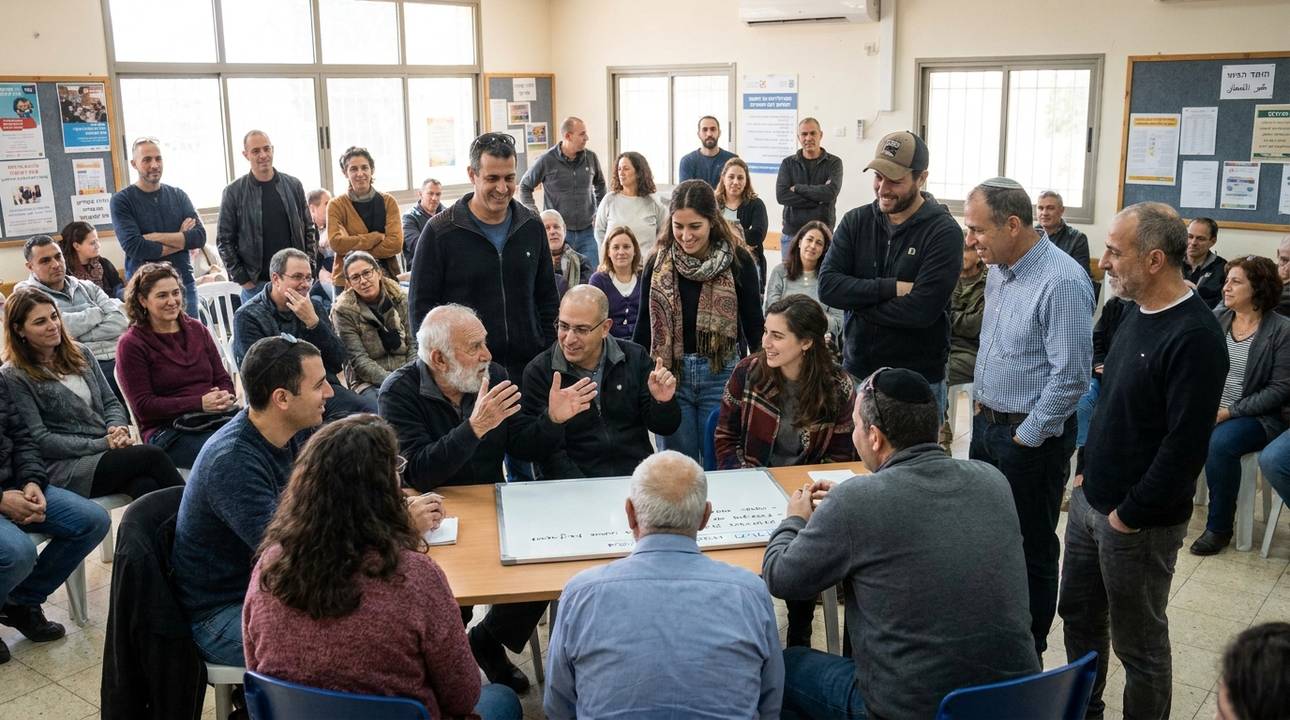
Echoing in modern narratives shared in communities, it is a reminder of the strength found in unity, much like other historical stories. These narratives are still remembered and provide a sense of continuity and connection to the past, emphasizing the enduring power of community.
Reflections on Hereth’s Legacy
The legacy of Hereth is intertwined with stories of struggle and triumph. Its mention, though brief, is profound in illustrating trust during challenging times. Associations with such places underscore a narrative of determination and hope prevalent in texts. Hereth’s story, while not prominent, contributes to the mix of enduring journeys.
It symbolizes perseverance, a theme that resonates throughout life and leadership. These stories remind us of the strength required to overcome adversity, a lesson that is still remembered by readers today.
Lev Haolam’s Commitment to History
At Lev Haolam, we celebrate and preserve stories like that of Hereth. Our mission to support Israeli artisans often involves connecting subscribers to meaningful cultural and historical contexts. Through curated boxes, we offer a taste of Israel’s history and the enduring spirit of its land and people. Subscribers not only support local economies but also engage with Israel’s narrative, reflected in every carefully chosen product. Each item tells a story, connecting the past with the present. This connection mirrors the timeless narratives found in places like Hereth.
Insights into Hereth
