
Unveiling the Ancient Significance of Bahurim


Bahurim, a small yet significant site, offers insights into the historical context of its era. Although often overlooked, this location played roles in the narratives of significant historical figures.
In the story of Paltiel and Michal, Bahurim is where Paltiel followed Michal, illustrating personal and political drama. By exploring its historical context, readers can appreciate Bahurim’s impact in the era.
The village’s role in stories like David’s encounter with Shimei further emphasizes its importance. Bahurim was more than just a geographical location; it was a stage for human emotions and political intrigues.
This adds depth to our understanding of history, showing how even small villages contributed to larger historical narratives.
from the Western Wall to Masada.

What Is Bahurim?
Bahurim is a village mentioned several times in historical texts, primarily in the books of Samuel. It was situated in the region of Benjamin, close to Jerusalem. This location is introduced in the narrative recounting David’s journey as he flees from his son Absalom.
David’s encounter with Shimei at Bahurim underscores the village’s role as a pivotal point of refuge and confrontation, reflecting the social dynamics of the time.
The village’s strategic location near Jerusalem made it significant during David’s reign. Its role as a refuge for David’s supporters highlights its importance in the political landscape of its time.
These events illustrate how Bahurim, though small, was integral to history, serving as a backdrop for key narratives.
The name Bahurim means ‘young men’ in Hebrew, suggesting vitality and strength. This is fitting, considering the village’s role as a place where critical decisions and alliances were forged during tumultuous periods in history. Bahurim is depicted as a refuge for David’s supporters, reflecting its strategic importance.
The name thus encapsulates the village’s dynamic role in the unfolding events of the narrative.
The village’s name, suggesting youthful vigor, aligns with its historical role as a site of refuge and strategic decision-making. The events at Bahurim, such as David’s encounters and the refuge provided to his supporters, illustrate its significance.
These narratives highlight the village’s contribution to the broader story, showcasing its importance in the historical landscape of its time.
David’s Flight and Bahurim’s Role
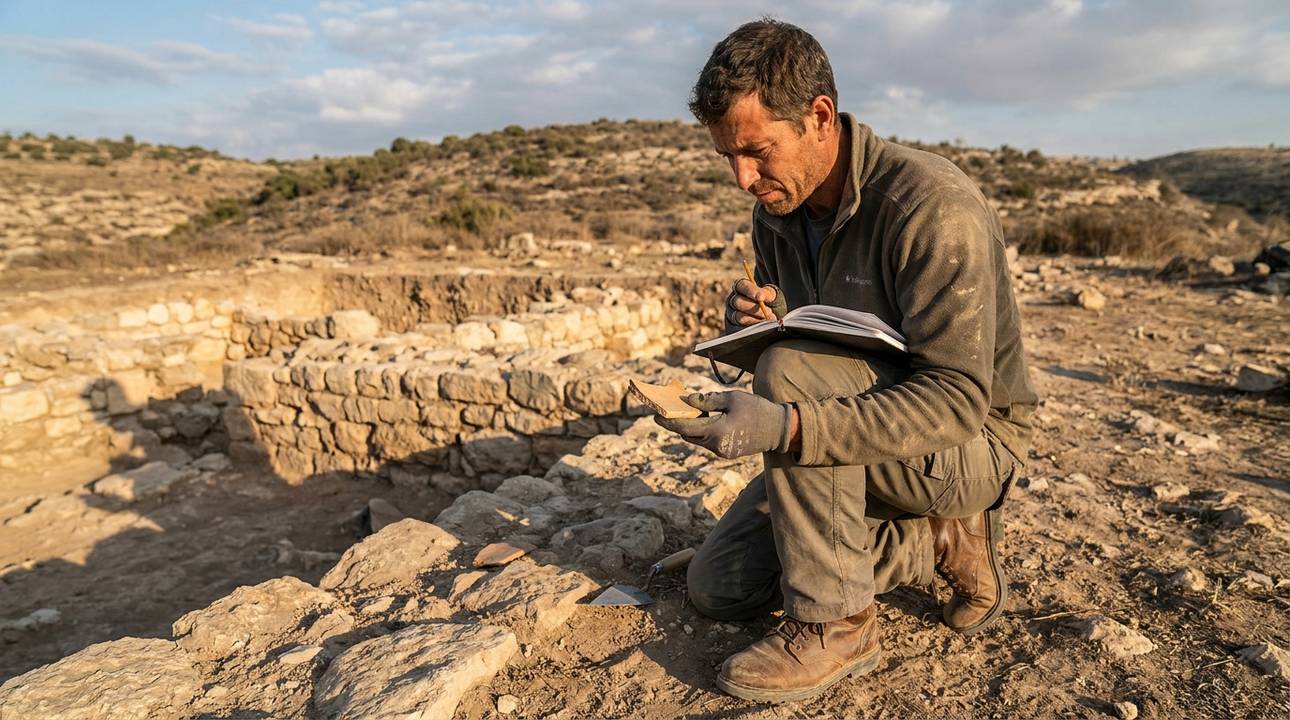
Bahurim’s notable appearance in historical texts is during David’s escape from his son Absalom’s revolt. As David nears Bahurim, he encounters Shimei, a member of the house of Saul, who hurls insults and stones at him.
This event illustrates ongoing tensions between David’s supporters and Saul’s loyalists and highlights Bahurim’s position along significant travel routes of the era.
The encounter with Shimei at Bahurim highlights the village’s role as a site of political and personal conflict. This moment in David’s journey reflects broader themes of loyalty and betrayal that permeate the narrative.
Bahurim’s strategic location made it a witness to such pivotal events, illustrating the interconnectedness of geography and historical developments in its time.
The encounter with Shimei at Bahurim reveals lingering animosities present in Israelite society following Saul’s reign. It provides context to the fractured unity of the tribes and the political complexities David faced. Shimei’s actions symbolize the divisions and unresolved tensions from Saul’s era.
This episode highlights the challenges David encountered and reflects broader societal struggles, making Bahurim a microcosm of the era’s political landscape.
Historical References Beyond David
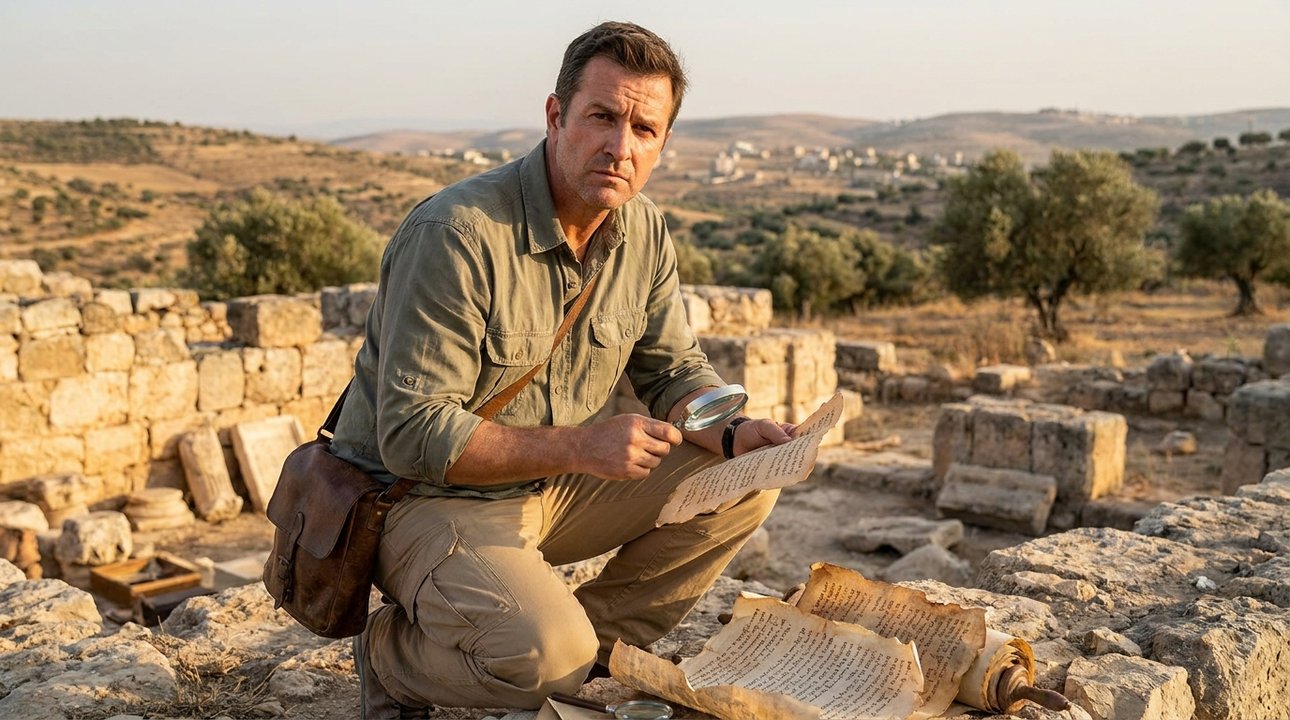
Bahurim is also mentioned in connection with other historical figures. It is the place from which Paltiel, son of Laish, follows Michal, David’s wife, as she is taken from him by Abner.
This anecdote highlights Bahurim as a backdrop to personal dramas interwoven with the larger political shifts occurring at the time. This small village becomes a stage for personal and political stories that shaped history.
The story of Paltiel and Michal at Bahurim underscores the emotional and personal costs of political decisions. This narrative, set against the backdrop of shifting allegiances, reveals the human element within the political maneuvers of the era.
Such accounts add depth to our understanding of history, illustrating how personal and political spheres were often intertwined in those times.
The narrative of Paltiel and Michal further emphasizes the village’s role in the unfolding of royal history. It reflects the personal cost and emotional turmoil accompanying political decisions in the narrative. Paltiel’s sorrowful journey from Bahurim illustrates the personal sacrifices made amid shifting allegiances.
This poignant story underscores the human element within political maneuvers, adding depth to our understanding of history.
The emotional depth of Paltiel’s story at Bahurim reveals the intertwining of personal and political narratives. This account highlights the complex dynamics of loyalty and love amid political upheaval.
Such stories enrich our understanding of history, illustrating how individual experiences were deeply connected to the broader historical landscape of the time.
Bahurim in Jewish Tradition
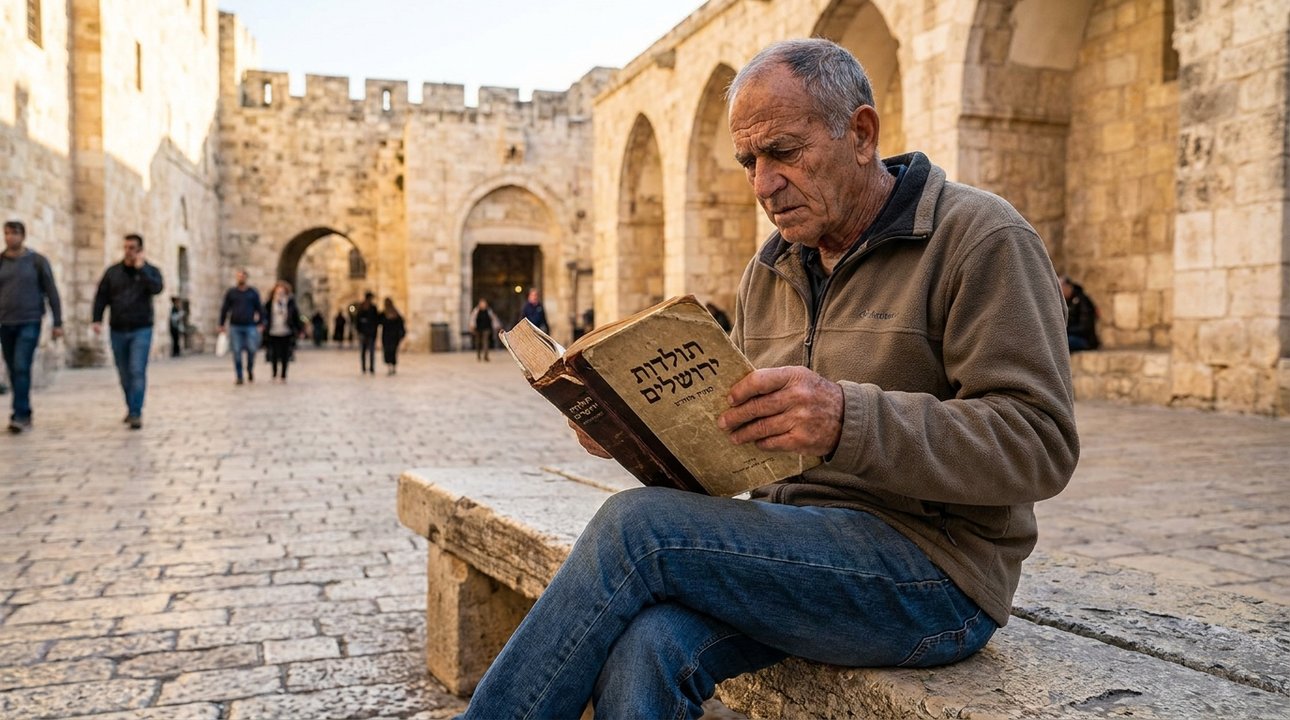
Beyond the historical narratives, Bahurim retains a place in tradition, often representing loyalty and adaptability. The villagers’ varied roles during both peaceful and tense times illustrate the community’s adaptability. Shimei’s actions at Bahurim reflect the tensions of the era. These stories contribute to the historical narrative and offer a lens through which modern readers can explore ancient societal structures.
The village’s legacy is further highlighted in its association with figures like Paltiel and Michal, showcasing personal dramas amid political upheavals. Bahurim’s narratives remind us of the complexity of ancient communities. Such stories provide valuable insights into the social dynamics of the time, illustrating how even small villages played vital roles in shaping history.
from the Western Wall to Masada.
While specific traditions regarding Bahurim may not be as prevalent as those of larger cities, its episodes in historical texts are remembered as reflections on leadership, loyalty, and community dynamics. We witness Shimei of Bahurim cursing David as he fled from Absalom, highlighting the tensions and loyalties within the kingdom. This incident underscores the complex human emotions and political allegiances that played out in such small yet significant locations, showing the social fabric of the past.
Geographical Context of Bahurim
Bahurim’s location in the territory of Benjamin positioned it strategically along routes linking major locations like Jerusalem, Gibeah, and Gilgal. This placement made it a crossroads for travelers and a stage for political events.
Bahurim is mentioned as a place where David encountered Shimei, a member of Saul’s house, highlighting its role in political tensions. Understanding its geographical context offers insight into the strategic calculations made by historical leaders.
The village’s proximity to Jerusalem, attributed to be approximately 2 miles away, placed it within the sphere of influence of the capital, further enhancing its strategic importance. This made Bahurim a witness to many significant events, such as David’s escape from Absalom, illustrating the interconnectedness of these historical sites.
Such positioning meant that Bahurim was not just a passive backdrop but an active participant in the unfolding narratives.
The village’s position underscores the interconnectedness of places in its time, each contributing uniquely to the broader historical narrative. Bahurim serves as a reminder of the nuanced and layered history of the landscape. Located near the Mount of Olives, its proximity to Jerusalem made it a strategic location during David’s reign. This geographical significance highlights how even small villages played pivotal roles in shaping the history and culture of the region.
Bahurim’s strategic location made it a site of significant events, such as David’s encounter with Shimei. Its proximity to major routes and cities like Jerusalem and Gibeah underscores its importance.
These geographical connections reveal how Bahurim, though small, was integral to the unfolding of history, illustrating the interconnectedness of places in the narrative.
Bahurim Today
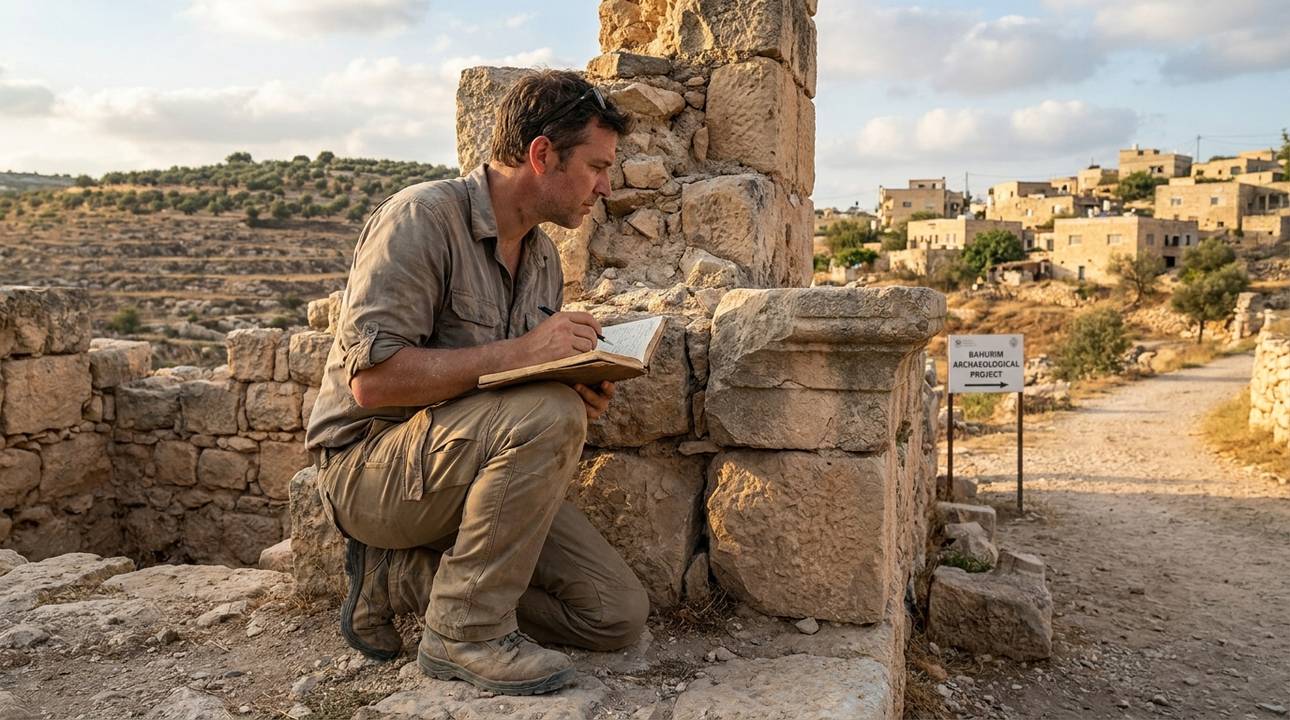
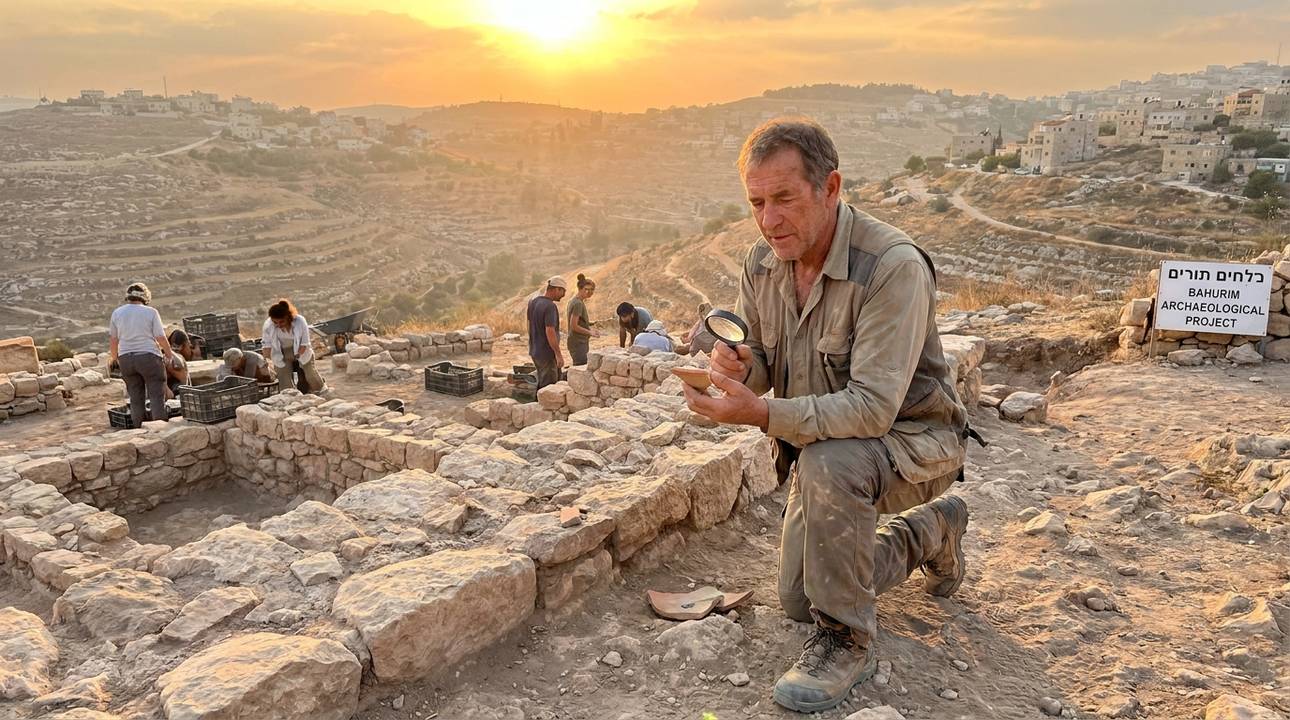
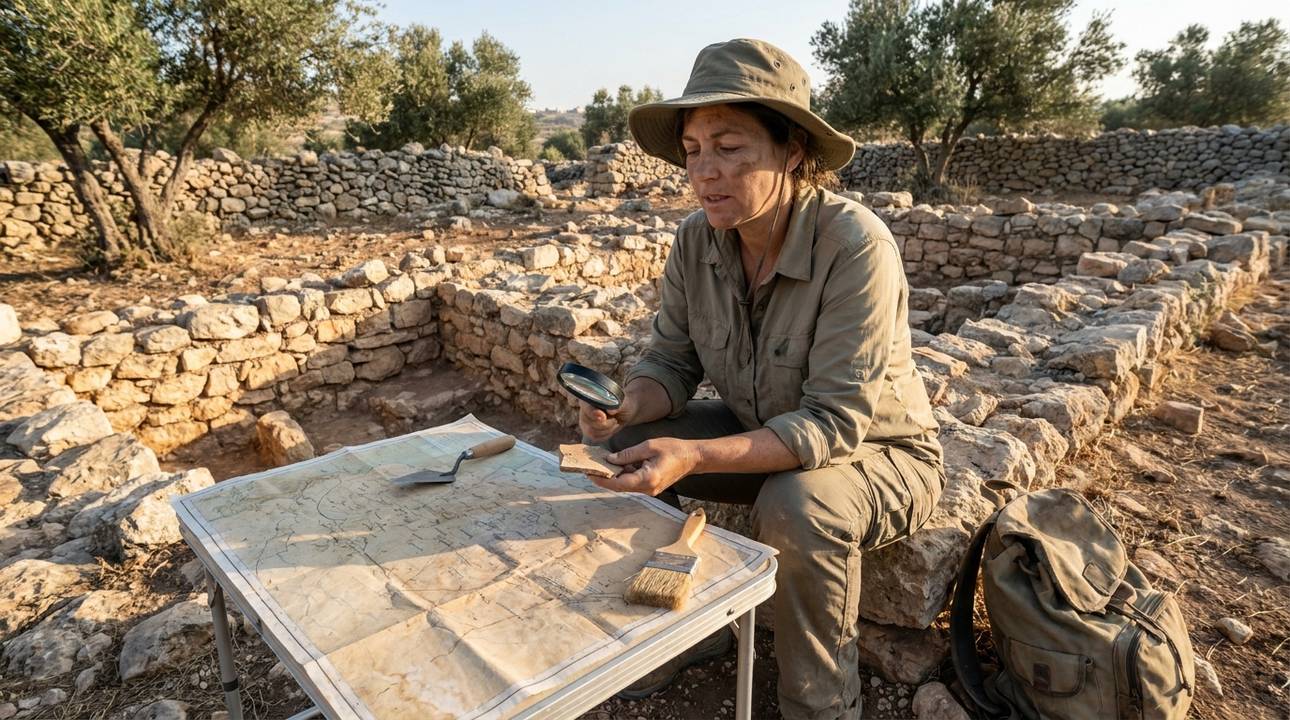
Little remains of Bahurim in modern times. The site is not prominently marked, but its legacy endures in historical texts. Researchers and historians strive to pinpoint its exact location, drawing on textual clues and archaeological evidence. This illustrates the ongoing quest to connect the present with the historical past. Efforts to locate Bahurim reflect a broader desire to preserve and understand the history of the region.
The search for Bahurim’s location involves piecing together clues from historical texts, such as its mention in various passages. These references guide researchers in their quest to uncover the village’s past.
Such endeavors highlight the enduring interest in connecting with the region’s history, emphasizing the importance of preserving these narratives for future generations.
Exploring Bahurim offers valuable perspectives on the influence of even the most modest historical sites. It challenges us to see beyond modern landscapes and appreciate the stories that form the cultural foundations of the area. Bahurim is mentioned in contexts that reveal its role in pivotal moments.
These accounts encourage us to delve deeper into the past, understanding how these sites contribute to the larger historical narrative.
Conclusion: Bahurim’s Legacy
Bahurim’s appearances in historical texts, though brief, paint a vivid picture of its historical importance. From political exile to personal drama, this small village holds substantial weight in the narrative of its time.
David’s encounter with Shimei at Bahurim highlights ongoing political tensions. Its stories serve as a reminder of the human dimensions within the texts and the relevance of even the lesser-known places in history.
The village also appears in the story of Paltiel and Michal, illustrating personal sacrifices amid political shifts. These narratives, though centered on a small village, reflect broader themes of loyalty, conflict, and complexity.
Such accounts underscore the interconnectedness of personal and political spheres in historical times, offering modern readers a window into the complexities of ancient life.
As we reflect on Bahurim’s significance, we are encouraged to explore further the narratives woven into the history of the region, ensuring these stories of leadership and community endure for future generations. The texts recount how Paltiel followed Michal to Bahurim, illustrating personal sacrifices amid political shifts.
Such narratives remind us of the emotional depth and historical intricacies that these sites hold, urging us to preserve their legacy.
The stories of Bahurim, from David’s encounters to Paltiel’s journey, illustrate the village’s role in the region’s history. These narratives highlight the complexity of ancient communities, showing the human dimensions of historical events. By preserving and exploring these stories, we connect with the past and ensure that the lessons and legacies of places like Bahurim are still remembered by future generations.
Bahurim in the Bible
