
Exploring the House of the Forest of Lebanon


The House of the Forest of Lebanon was a remarkable structure built in Jerusalem as part of a larger complex that included a palace and other notable buildings. Named for its extensive use of cedar wood from Lebanon, a valuable resource at the time, this article explores its historical and cultural context, construction, purpose, and legacy, delving into the architectural achievements of the era.
The use of cedar wood from Lebanon in constructing this grand structure highlights the kingdom’s trade relations and the value placed on this resource. Opting for such materials not only enhanced its aesthetic appeal but also symbolized the prosperity and influence of the era. Its legacy invites further exploration and appreciation of its impact.
from the Western Wall to Masada.
This building served as a place of gathering and governance, where leaders held court and received dignitaries. Its grandeur was a sign of wisdom and prosperity, reflecting the stability and influence of the time. Its significance underscores its role as a symbol of power and effective governance.
The space was used for governance and diplomatic gatherings, highlighting its importance in the administration of the kingdom. This multifunctional area not only showcased wealth but also facilitated political and social interactions, reinforcing the reputation as a wise and effective ruler.
What Was the House of the Forest of Lebanon?
The House of the Forest of Lebanon is detailed as part of an expansive residential complex, constructed primarily from the renowned cedar wood of Lebanon. Choosing this material not only gave the structure its name but also symbolized prosperity and wisdom. The resemblance to the famed cedars of Lebanon was intentional, serving as a reminder of wealth and successful trade relationships maintained with the Phoenicians.
The structure’s grandeur reflected both personal wealth and economic prosperity. The use of cedar wood, a highly prized material, demonstrated the ability to engage in extensive trade, further emphasizing prosperity and influence. Alongside other significant buildings, it illustrated the harmonious blend of various powers that characterized the rule.
Why Was It Built?
This architectural marvel served as an armory, housing a vast collection of shields and weapons. This grand hall was designed to impress visiting dignitaries and reflect the immense power and wealth of the court. Its size and elaborate design were suited for hosting grand events, showcasing the strength and stability of the administration during the era.
The strategic advantage of this structure lay in its dual function as both a ceremonial hall and a military storage facility. By housing weapons, it underscored the readiness and might of Solomon’s forces, providing a sense of security and control. This dual purpose highlighted Solomon’s ability to blend grandeur with practicality, ensuring that his kingdom was both admired and respected by neighboring nations.
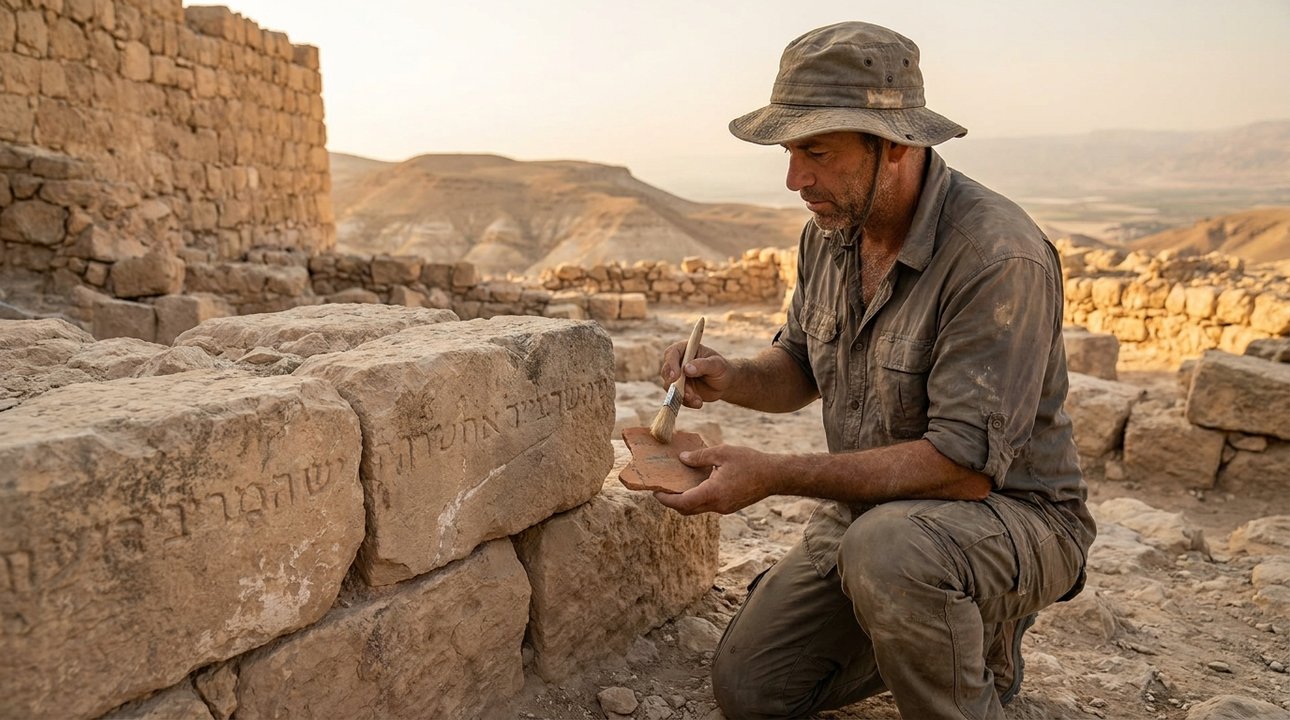
Architectural Features of the House
Notable for its impressive architecture, this structure featured large cedar columns arranged in a pattern reminiscent of a forest, inspiring its name. Its massive size and detailed construction demonstrate the advanced building techniques of the time, highlighting ambitious projects and the prosperity of the era.
The use of cedar wood, imported from Lebanon, underscores the trade relations between Israel and its neighbors. Opting for this material not only enhanced its aesthetic appeal but also symbolized the kingdom’s economic prosperity and diplomatic ties. The architectural style reflects the influence of Phoenician craftsmanship, known for its expertise in woodwork, further illustrating the interconnectedness of the ancient world.
This structure was a symbol of wealth and power, serving as a functional space for storing a vast collection of shields and weapons. Its architectural style reflects the influence of Phoenician craftsmanship, known for its expertise in woodwork and construction. It illustrates the cultural exchange and cooperation between regions, highlighting the interconnectedness of the ancient world and the shared advancements in architecture and design.
Phoenician influence is evident in the architectural style, showcasing their renowned expertise in woodwork. This collaboration between Israel and Phoenicia not only enriched its design but also symbolized the peaceful and prosperous relations between the two regions. Such cultural exchanges were vital in fostering mutual growth and understanding, contributing to the broader mix of ancient Near Eastern civilization.
Historical Context of the House
Historical sources provide insights into the context during which this structure was built. This period was marked by political stability and economic prosperity, which allowed for such extravagant constructions. It underscored the strength and prestige of the region at its zenith, serving as both a functional space and a political statement. It was a place where wealth and wisdom were displayed to visiting dignitaries.
from the Western Wall to Masada.
This structure reflects the cultural and economic exchanges of its time, particularly through its use of cedar wood from Lebanon. This choice indicates robust trade relations with the Phoenicians, known for their expertise in timber trade and craftsmanship. Such interactions were crucial in advancing the architectural achievements seen in Solomon’s constructions. Its grandeur and strategic location in Jerusalem made it a focal point for political and social activities, cementing its role in Israel’s history.
The Phoenicians, known for their timber trade, played a significant role in its construction. Their craftsmanship contributed to the architectural advancements, showcasing a blend of local and foreign influences. This collaboration not only enhanced its aesthetic appeal but also strengthened diplomatic ties, illustrating the interconnectedness of regions and the importance of cultural exchange in architectural innovation.
Modern Interpretations of the House
Today, this structure is studied as an example of ancient architecture. Scholars analyze its design to understand the cultural and political climate of the time. Its iconic use of cedar wood speaks to the connections between regions, such as the Phoenicians, known for their woodworking skills. Archaeological discussions focus on its location, purpose, and impact, offering insights into the past. Its design reflects a blend of local and foreign influences, showcasing the cosmopolitan nature of the era.
The political landscape during this period was marked by peace and prosperity, conditions that allowed for ambitious projects like this grand structure. It symbolized strength and influence in the region, serving as a sign of diplomatic and administrative skills. By examining its architectural elements and historical context, scholars gain valuable insights into the social and political dynamics of the time.
The construction of this structure during a period of peace highlights the stability and strength of the kingdom. This stability enabled the undertaking of such grand projects, which in turn reinforced influence and prestige. Its role as a political symbol is evident in its design and function, reflecting the strategic importance of architecture in conveying power and authority.
Present-Day Reflections on the House
Though it does not survive today, its influence endures in historical studies and scholarship. It exemplifies the reach and influence of the region during the era, showing a world where architecture symbolized power and authority. Its mention in historical texts serves as a reminder of the grandeur and achievements of the era, inspiring ongoing exploration and research into the history and culture of the time.
The legacy of this structure continues to captivate those interested in the history and culture of the period. Its architectural style and history provide insights into the complexities of the era, illustrating how architecture was used as a tool for governance and diplomacy. This enduring fascination reflects its role as a symbol of prosperity and the lasting impact of architectural vision.
The architectural style and construction techniques continue to fascinate historians and archaeologists. Its design reflects the fusion of local and foreign influences, showcasing the interconnectedness of regions. By studying this structure, scholars gain a better understanding of the cultural and political dynamics of the time, offering a glimpse into the complexities of society. Its legacy remains a sign of the enduring impact of architectural innovation.
The fusion of local and foreign influences in its design highlights the interconnectedness of regions. This blending of styles not only enriched its architectural appeal but also symbolized the cultural exchanges that were vital to the prosperity and growth of the era. The study of this structure provides valuable insights into the broader cultural and political landscape of the ancient Near East.
Historical Aspects
