Understanding the Role of Mount Ebal in the Bible


Mount Ebal holds a significant place in historical literature, known for being the site of pivotal events. It serves as a powerful symbol of the choices faced by the Israelites upon entering the region.
This article delves into its importance and its wider cultural implications.
The mountain is deeply embedded in Jewish teachings, representing moral and spiritual crossroads. Mentioned in Deuteronomy 27, it was where the Israelites reaffirmed their covenant, symbolizing the choices they faced. By examining its historical and cultural role, we gain insight into its impact on Jewish identity. This understanding helps us appreciate the moral lessons that continue to influence Jewish thought and practice.
from the Western Wall to Masada.
What Is Mount Ebal’s Role in the Bible?
Mount Ebal is prominently featured in historical texts, standing opposite Mount Gerizim. According to ancient narratives, one mountain was for positive outcomes, the other for negative. This symbolic ceremony highlighted the choices set before the Israelites.
The event focused on the covenant between the Israelites and their community, illustrating the consequences of following or straying from agreements.
Geographical Context of Mount Ebal
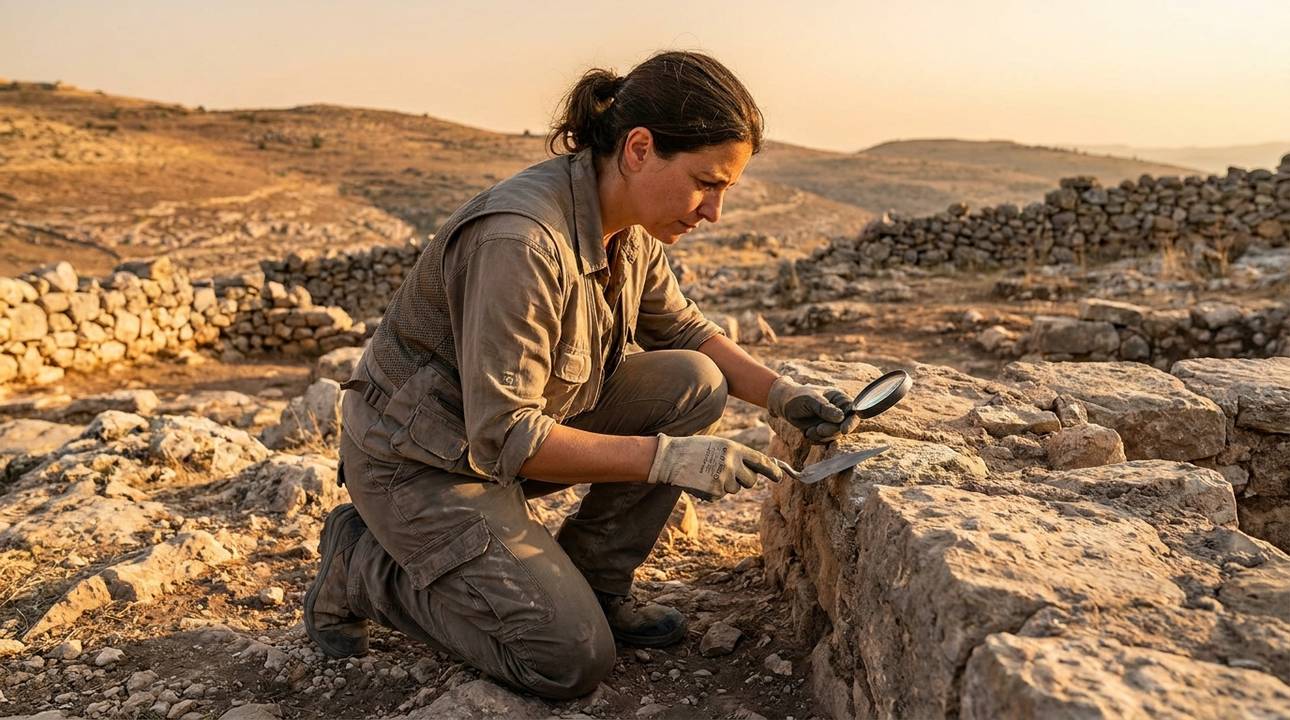
Located in the West Bank, Mount Ebal is part of a natural elevation in the region, forming a dramatic landscape with geographical significance. Together with Mount Gerizim, it creates a natural amphitheater, beneficial for large gatherings described in religious texts.
The geographical features of Mount Ebal played a crucial role in the Israelites’ covenant ceremonies, as described in Deuteronomy 27, highlighting the importance of place in their spiritual journey.
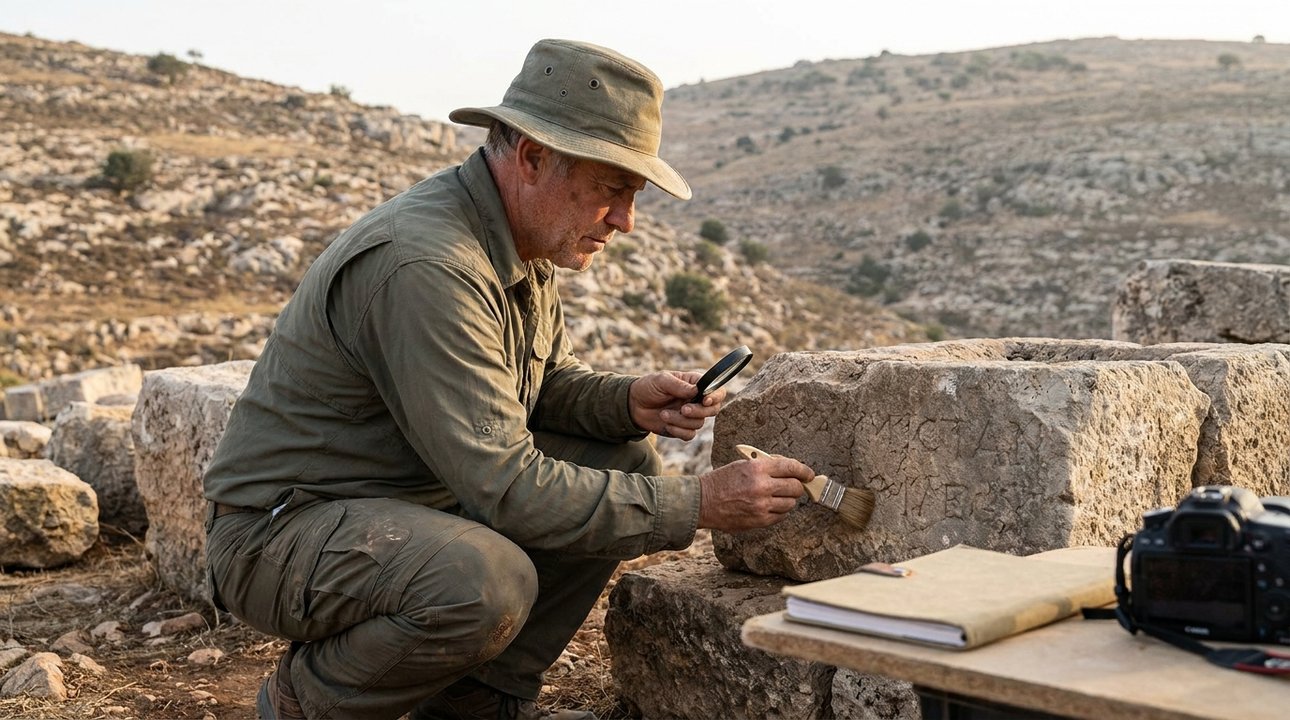
Besides its natural features, the area surrounding Mount Ebal includes archaeological sites with ancient altars and stone inscriptions. These discoveries shed light on past rituals and practices, where the Israelites were instructed to set up stones and inscribe teachings.
The artifacts provide insights into the religious life of the Israelites, illustrating how their practices were deeply connected to their physical environment.
Archaeological findings add layers to our understanding of Mount Ebal’s historical function within ancient communities. The inscriptions and altars provide insights into the religious and cultural practices of the time. These discoveries highlight the mountain’s significance in Israelite history.
By examining these artifacts, historians can better understand the rituals and traditions that shaped the Israelite community, offering a glimpse into their cultural life.
Archaeological Discoveries on Mount Ebal
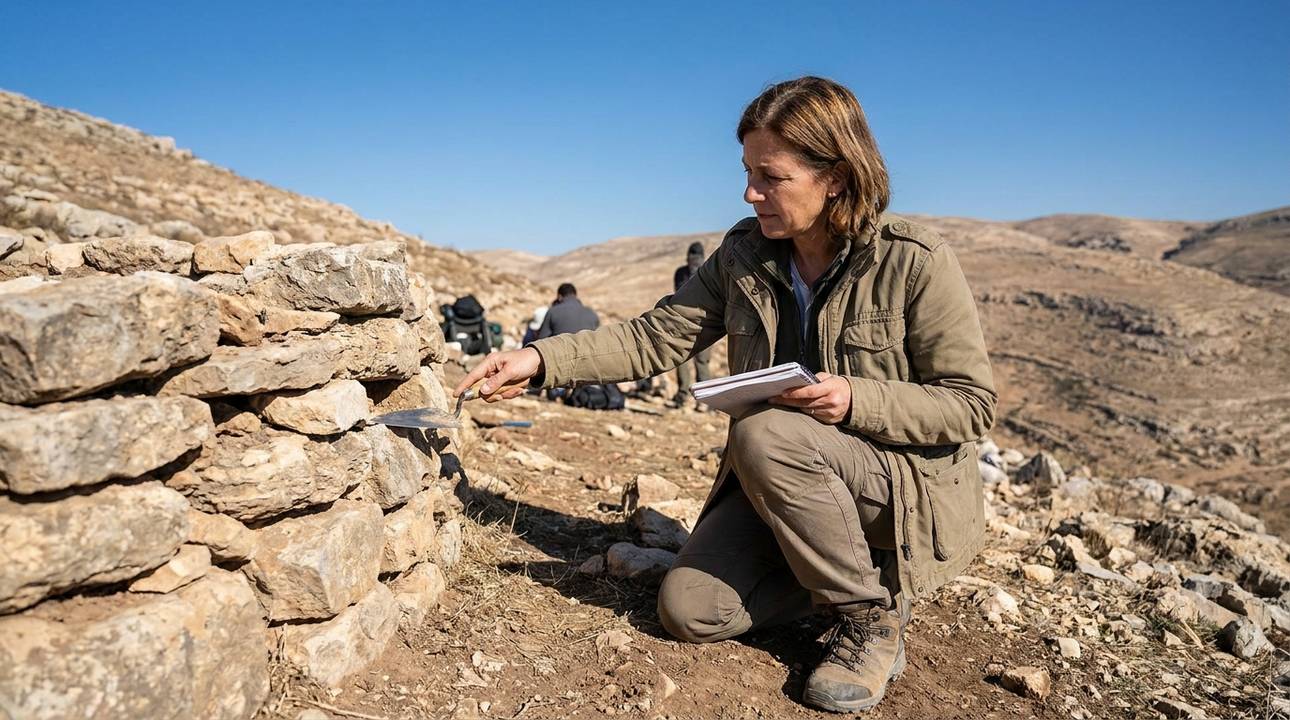
Recent archaeological expeditions on Mount Ebal have uncovered structures believed to be ancient altars. These discoveries align with historical accounts, where offerings and rituals were conducted on the mountain.
The structure size and construction techniques provide insights into the architectural capabilities of the period.
The altars discovered on Mount Ebal offer a glimpse into the historical practices of early communities. Archaeologists have uncovered stone structures that align with historical descriptions, where the Israelites were commanded to build an altar of uncut stones. These artifacts contribute to our understanding of the mountain’s role as a site for significant ceremonies.
Such evidence helps historians piece together the cultural and historical landscape of the time, enhancing our appreciation of these early practices.
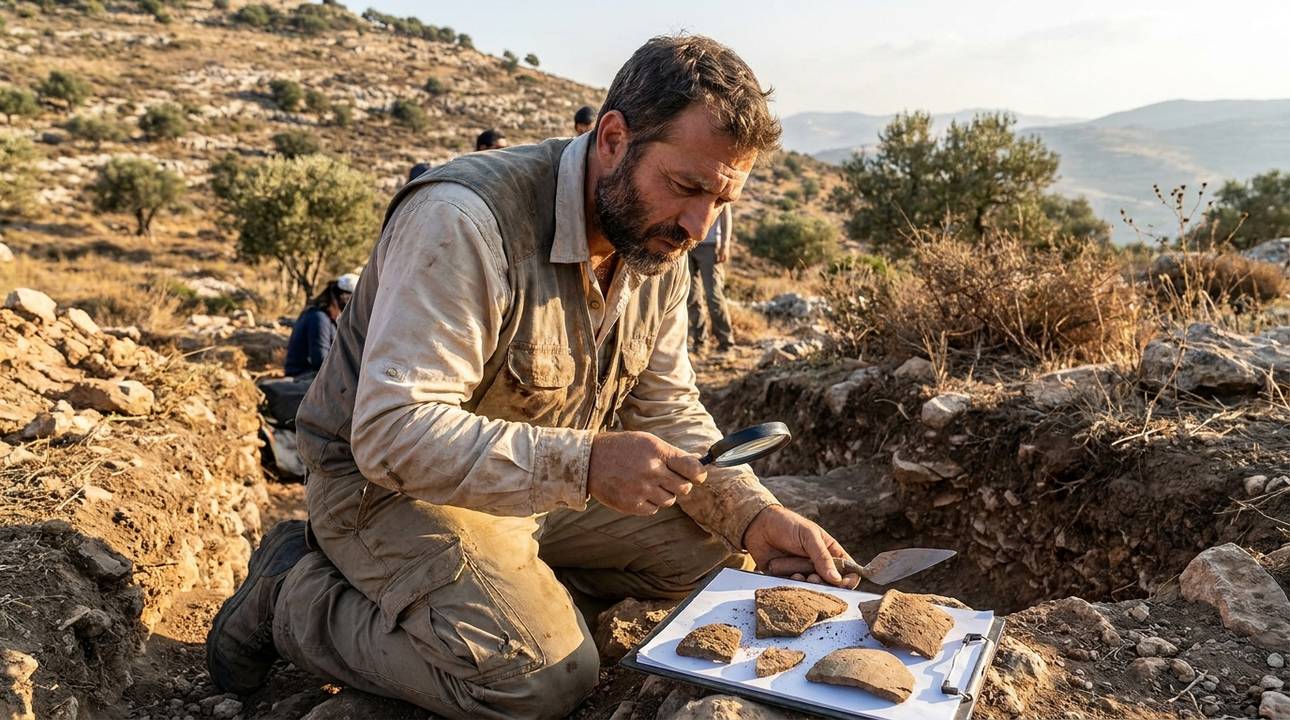
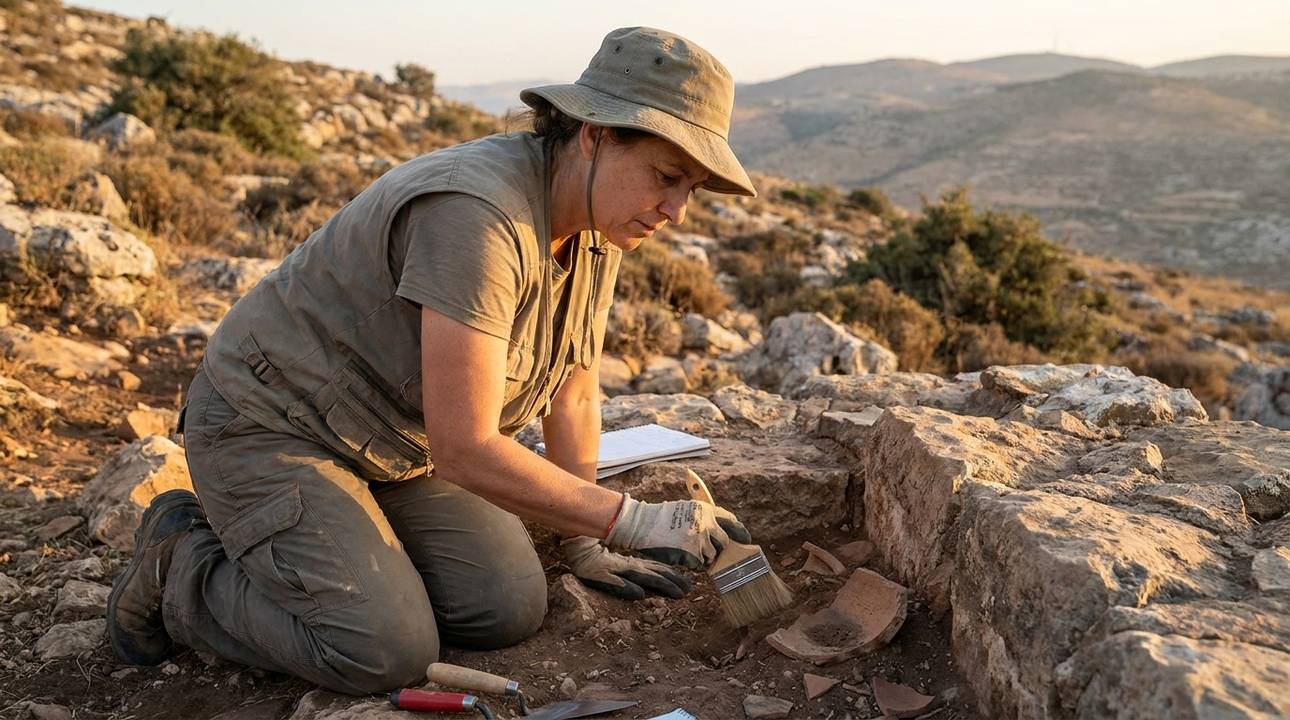
The discovery of pottery and other artifacts supports the mountain’s role in early Israelite culture. Such evidence strengthens the connection between textual descriptions and physical reality, offering a glimpse into ancient practices. These artifacts help historians understand the daily life and activities of the Israelites.
This tangible proof underlines the historical relevance of Mount Ebal, providing a concrete link to the past that enriches our understanding of historical narratives.
Mount Ebal in Jewish Tradition
In Jewish tradition, Mount Ebal holds symbolic value as the place of the Israelites’ reaffirmation of their covenant. The mountain’s association with curses reflects a broader teaching about moral responsibility. This duality amplifies its role as a symbol of choice and consequence.
Understanding this symbolism allows individuals to appreciate the lessons of accountability and ethical living that Mount Ebal represents, influencing Jewish teachings and cultural memory.
Mount Ebal is mentioned in later Jewish texts like the Talmud, where its significance is explored in the context of choices and consequences. This portrayal underscores its role in shaping a collective moral compass. The continuity of these references highlights its importance in Jewish cultural and historical memory.
Through these teachings, Mount Ebal serves as a reminder of the ethical choices that define one’s path, emphasizing the impact of moral decisions.
In the Mishnah, Mount Ebal is discussed as a place where moral lessons were imparted to the Israelites. This historical context emphasizes the mountain’s foundational role in Jewish teachings about accountability and ethical living. The Mishnah often references the choices associated with it, illustrating the importance of moral decisions.
By highlighting these teachings, the Mishnah ensures that the lessons of Mount Ebal remain relevant across generations, serving as a guide for ethical decision-making in Jewish life.
from the Western Wall to Masada.
Mount Ebal and Modern Reflection
For modern readers, Mount Ebal represents more than just a historical site; it is a metaphor for personal choices and their impact. The Israelites were instructed to set up stones and inscribe teachings, symbolizing the permanence of their decisions. This act serves as a reminder of the enduring consequences of one’s actions.
Reflecting on these teachings, individuals can gain insight into the importance of making thoughtful choices that align with their values and beliefs.
Those who study historical texts see Mount Ebal as a reminder of the perpetual relevance of decisions and their consequences. The Israelites were instructed to set up large stones on Mount Ebal and coat them with plaster to inscribe teachings. This act symbolized the permanence of their covenant and the moral choices they faced.
Jewish teachings often reflect on this event, emphasizing how each decision can shape one’s life path, much like the Israelites’ choices defined their destiny.
Educational programs often use Mount Ebal as a case study to explore the integration between land, faith, and cultural narrative. The mountain’s role in the covenant ceremony, as described in Deuteronomy 27, illustrates the deep connection between geography and spiritual identity. Students learn how the physical landscape of Mount Ebal was intertwined with the Israelites’ spiritual journey.
This approach helps learners appreciate the significance of place in religious narratives, fostering a deeper understanding of cultural and spiritual heritage.
Such interpretations of Mount Ebal help maintain its educational value by connecting new generations to their heritage. Educators often use the mountain’s historical and religious significance to inspire students, highlighting its role in the Israelites’ journey as described in Deuteronomy 27. By examining these narratives, students can appreciate the mix of their cultural roots. This approach fosters a deeper understanding of Jewish history and values, encouraging a connection to the past that informs present and future actions.
Cultural Influence of Mount Ebal
Mount Ebal’s cultural impact extends beyond religious communities, resonating with universal themes of morality and choice. The dual themes of choices and consequences are used by artists and authors to explore ethical dilemmas in various contexts. This narrative is mirrored in literature, where characters often face moral crossroads, reflecting the mountain’s symbolic role.
Through these stories, Mount Ebal continues to influence discussions on ethics, illustrating how ancient teachings remain relevant in modern times.
These motifs are prevalent in literature and art, where Mount Ebal serves as a backdrop for narratives about human choices and their consequences. It is juxtaposed with Mount Gerizim, representing contrasting outcomes. This duality is often explored in cultural works, highlighting the ethical dilemmas faced by individuals.
Artists and authors use this symbolism to discuss broader themes of morality, illustrating how choices can lead to vastly different outcomes in life.
Mount Ebal’s role in ethical dualism is highlighted in historical texts, where it is contrasted with Mount Gerizim. This duality is a profound representation of the choices between good and evil.
Such symbolism continues to influence discussions on moral and spiritual identity, as seen in various interpretations across different cultures.
The resonance of Mount Ebal’s ethical dualism is evident in Jewish teachings, where it serves as a reminder of the consequences of one’s actions. Rabbinic literature often uses Mount Ebal as a metaphor for the moral struggles faced by individuals and communities. This dualism is reflected in the choices described in historical texts.
Through these teachings, Mount Ebal continues to influence Jewish thought, emphasizing the importance of ethical decision-making and personal responsibility.
Common Questions about Mount Ebal