Understanding the Valley of Achor


The Valley of Achor is a significant location known for its connection to the story of Achan in the Book of Joshua. Achan’s disobedience led to his downfall, marking it as a place of judgment. This narrative underscores the themes of accountability and the consequences of straying from the path of righteousness. Today, it is seen as a symbol of transformation and hope, reflecting its complex history and cultural prominence.
The story of the Valley of Achor is often revisited in teachings to illustrate themes of accountability and the possibility of redemption. Its transformation from a place of judgment to a symbol of hope highlights the enduring relevance of these narratives. They inspire change and renewal in contemporary life, encouraging individuals to reflect on their actions and seek paths of righteousness. This narrative continues to resonate, offering guidance and inspiration across generations.
from the Western Wall to Masada.

What Is the Valley of Achor?
The Valley of Achor first appears in the narrative in the Book of Joshua. It is famously known as the site where Achan, a member of the Israelite community, brought disaster due to his disobedience. Achan’s actions led to severe consequences for the Israelites, emphasizing the importance of adherence to commands. This story marks it as a place of judgment and consequence, a theme that resonates throughout the text, highlighting the need for accountability.
Over time, the significance of Achor evolved into a metaphor for hope and renewal. Prophets reimagined it as a place of transformation, calling it a ‘door of hope.’ This shift in meaning illustrates the potential for redemption and new beginnings, offering a powerful message of resilience. Its transformation from a place of judgment to one of hope is still remembered by those who seek renewal in the face of adversity.
Location and Geography of the Valley
The Valley of Achor is believed to be located near Jericho, a region rich in history. Jericho itself is one of the oldest inhabited cities in the world, known for the famous battle where the walls fell. This area was crucial during the Israelite conquest, serving as a strategic entry point. Its rugged terrain influenced historical usage, providing both challenges and advantages for settlement and defense, shaping its role in the region’s history.
The geographic features of Achor, like its rugged terrain, influenced its historical usage and symbolic meanings over the centuries. Its harsh landscape was seen as both a place of trial and a site of eventual triumph. This duality embodies the themes of struggle and success that characterize many narratives, such as the Israelites’ journey through the wilderness. Its challenging environment also provided strategic advantages, shaping its role in the history of the region.
Historical Insights
Achor was primarily known for Achan’s story, which served as a cautionary tale of faith and obedience. This event shaped how it was perceived in religious texts. Historically, it marked a moment of collective reflection and supplication for the Israelites as they sought to restore favor. The valley became a symbol of the consequences of straying from the path of righteousness, urging future generations to adhere to their faith.
Achor became a symbol of the consequences of straying from the path of righteousness, urging future generations to adhere to their faith. This narrative is vividly illustrated where Achan’s actions led to collective punishment and reflection. It highlights the importance of community and the collective responsibility to maintain integrity. Such lessons have resonated through the ages, reminding us of the need for moral vigilance and the strength found in unity.
Achor in Judaic Tradition
Over time, Judaic tradition embraced Achor as more than just a site of misfortune. The prophets introduced notions of redemption linked to this location. It is described as a ‘door of hope,’ transforming its image into one of future promise rather than past failures. This shift in perception highlights the ability of narratives to evolve, offering new interpretations that resonate with contemporary audiences seeking hope and renewal.
This shift in perception highlights the ability of narratives to evolve, offering new interpretations that resonate with contemporary audiences seeking hope and renewal. The story of Achor exemplifies how ancient stories can be reimagined to provide comfort and inspiration in modern times. By transforming from a place of judgment to one of hope, it emphasizes the timeless nature of these teachings. Such narratives continue to offer valuable lessons for those navigating life’s challenges.
from the Western Wall to Masada.

The Valley of Achor Today
In modern times, Achor remains a place of interest for scholars and visitors alike, seeking to understand its historical legacy. Archaeological studies have provided insights into its past, revealing layers of history that contribute to its significance. While much of its original appearance has changed, it serves as a tangible reminder of the narratives that continue to influence cultural and religious thought today. It stands as a sign of the enduring power of these ancient stories.
Cultural Impact and Modern Interpretations
Today, Achor embodies themes of hope and renewal across different interpretations. In literature and religious teaching, it is often used to illustrate the cycle of judgment, repentance, and redemption. This is reflected in the prophetic writings, where it is mentioned as a place of rest for the people. This evolution highlights the enduring impact of stories and their ability to adapt to contemporary contexts, offering lessons of transformation.
Archaeological Insights into the Region
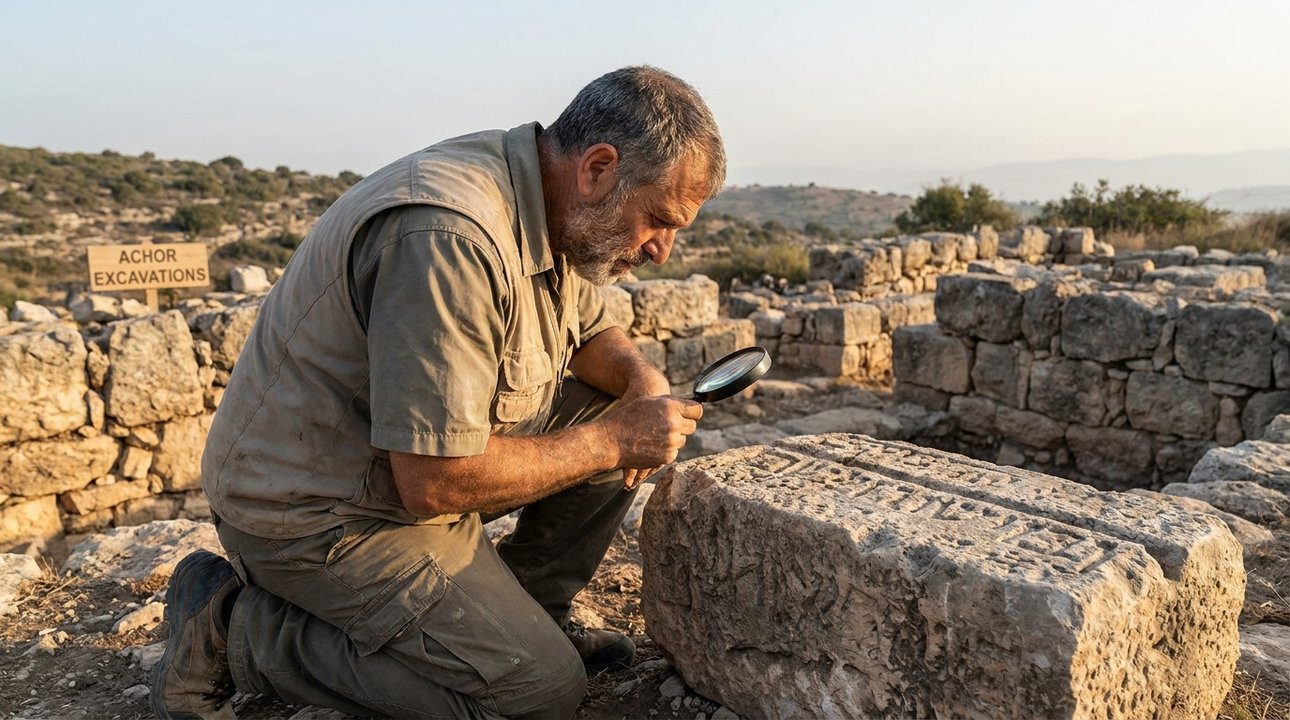
Archaeologists continue to explore the regions surrounding Achor, searching for further historical context. Excavations have revealed artifacts such as pottery and tools, shedding light on the daily lives of ancient inhabitants. These efforts have unearthed artifacts that provide insight into the area’s past settlements and usage. Such discoveries offer a glimpse into its role in the broader narrative, enhancing our understanding of its history.
Discoveries in nearby locations contribute to a deeper understanding of Achor’s role within the broader framework. Archaeological findings, such as pottery and tools, help historians piece together the social and economic conditions of the time. These artifacts reveal insights into the daily lives of its ancient inhabitants, enhancing our knowledge of how it fit into the larger mix of history. This context allows us to appreciate its significance beyond its narrative.
The Valley’s Place in Israeli Cultural Memory
In Israel, Achor holds a place within cultural memory, symbolizing a bridge between past challenges and present identity. It is mentioned as a ‘door of hope,’ signifying a transition from adversity to renewal. This connection to historical narrative helps foster a sense of continuity and resilience. These are essential aspects of the Israeli cultural landscape, reminding us of the enduring strength and unity among the people.
Achor serves as a poignant reminder of the enduring strength and unity among the people. Historically, it was known as a place of judgment, where Achan’s disobedience led to severe consequences. Over time, its story evolved into a symbol of hope and renewal, much like the journey of the people who have faced numerous challenges yet continue to thrive. This resilience is mirrored in their ability to uphold their cultural heritage, drawing inspiration from the past to build a hopeful future.

Conclusion: the Significance of Achor
Achor remains a powerful sign of the enduring nature of narratives. Its story begins in the Book of Joshua, where it is marked as a place of judgment due to Achan’s disobedience. Over time, however, its meaning transformed. Prophets reinterpreted it as a symbol of hope, calling it a ‘door of hope.’ This evolution from a place of consequence to one of renewal reflects the dynamic nature of stories.
Understanding the evolution of Achor enriches the appreciation for how historical stories continue to shape modern perspectives. Initially marked as a place of judgment, its journey to becoming a symbol of hope serves as a reminder of the potential for transformation and redemption in our own lives. These themes are as relevant today as they were in the past, illustrating the enduring power of narrative to inspire change and renewal.
Understanding Achor