
Discovering the Historical Richness of the Valley of Aijalon


The Valley of Aijalon holds a significant place in history, marking key events and narratives. This site serves as a backdrop to stories of strategic battles and interventions. In this article, we explore the geography, historical accounts, and cultural role of Aijalon, delving into its role as a crossroads of commerce and conflict in the region.
Aijalon is first mentioned in the context of the Israelite conquest, where it served as a battleground for significant campaigns. Its importance is further highlighted in historical records, where it was captured during King Ahaz’s reign, illustrating its ongoing strategic importance.
This location made it a coveted site for control, impacting the power dynamics between the Israelites and their adversaries throughout history.
from the Western Wall to Masada.

What Is the Valley of Aijalon?
Nestled in the Shephelah region, Aijalon is part of a series of low hills in Israel that historically served as a natural corridor along vital trade routes. Its position was crucial for commerce, linking coastal cities like Jaffa to inland areas.
The strategic location also made it a focal point in warfare, especially during the period of the Judges, when control over trade routes was essential for economic and military dominance.
Aijalon’s significance is highlighted in various historical accounts, where it was used as a passageway to attack territories.
Its geographical importance is underscored by its proximity to major cities like Gezer and Jerusalem, making it a key point of contention in ancient conflicts.
The position as a corridor for military and trade routes contributed to its historical prominence and the frequent battles fought over its control.
Aijalon is prominently mentioned in the context of battles, with its geographical features providing strategic advantage points for armies. The tribe of Dan faced resistance from the Amorites here, highlighting its military significance.
The historical relevance extends throughout ancient narratives, linking it to major figures and battles that shaped Israel’s history.
The terrain, with its hills and open spaces, made Aijalon an ideal battlefield, as seen in the accounts of the Philistines and Israelites clashing. These stories emphasize its role as a site of conflict and resolution in history.
The strategic location allowed it to be a point of control for military movements, impacting the outcomes of battles and shaping the political landscape of the region.
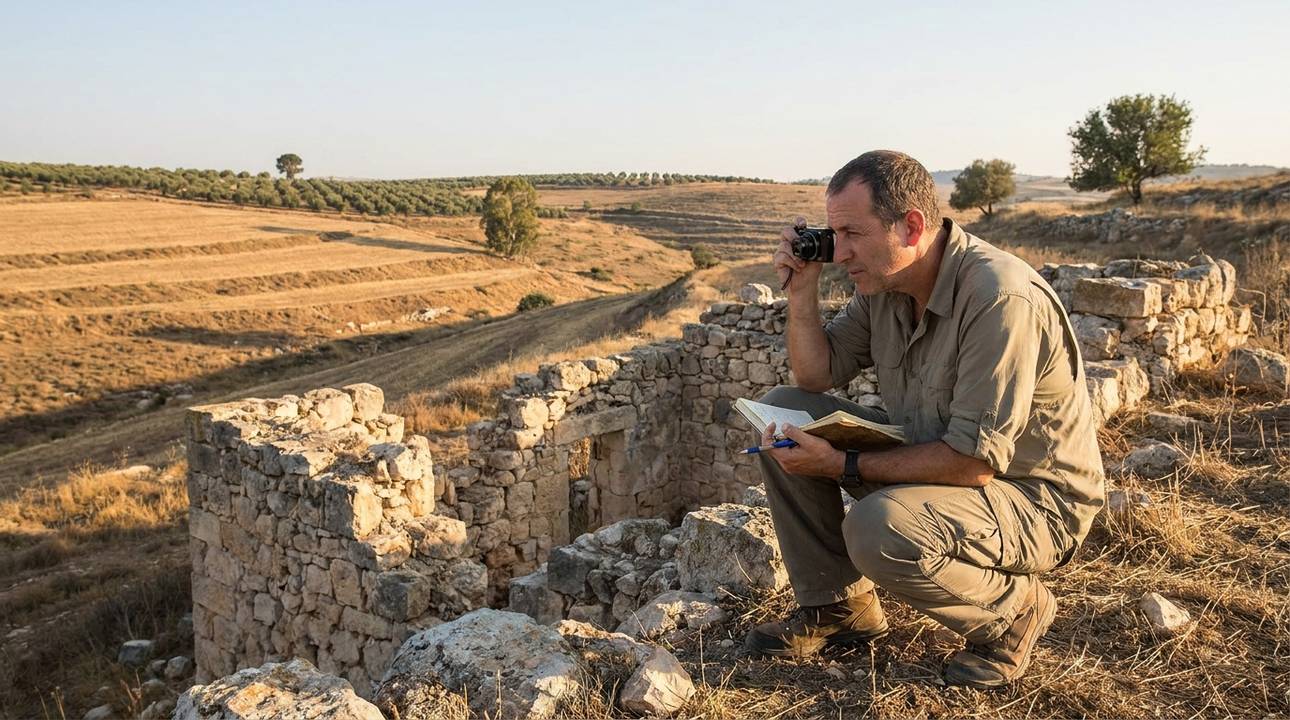
Why Is Aijalon Biblically Significant?
Aijalon’s most famous reference occurs in historical texts. It’s where a significant event took place during the battle against the Amorites.
This event underscored support in battles, highlighting its significance in narratives as a site of intervention and military triumph.
The event at Aijalon is one of the most dramatic in history, illustrating the theme of intervention in human affairs. The site thus became a symbol of victory, as recounted in various texts, where significant events are celebrated as a sign of power. This narrative underscores the belief in support, reinforcing its place in lore as a site of occurrences.
Incorporated into the narrative of Israel’s conquest, Aijalon is depicted as a sign of intervention. It is famously mentioned in historical texts, where a significant event secured victory. The site symbolizes victory against overwhelming odds, cementing its place in lore as a site of events and unwavering support.
The story of Aijalon is a powerful reminder of the themes of perseverance and aid. It is echoed in later texts, which speak of overcoming barriers with help, reinforcing its legacy as a symbol of hope and triumph. In the narrative, the site becomes a sign of unwavering support, where human effort is complemented by intervention, illustrating a partnership in achieving victory.
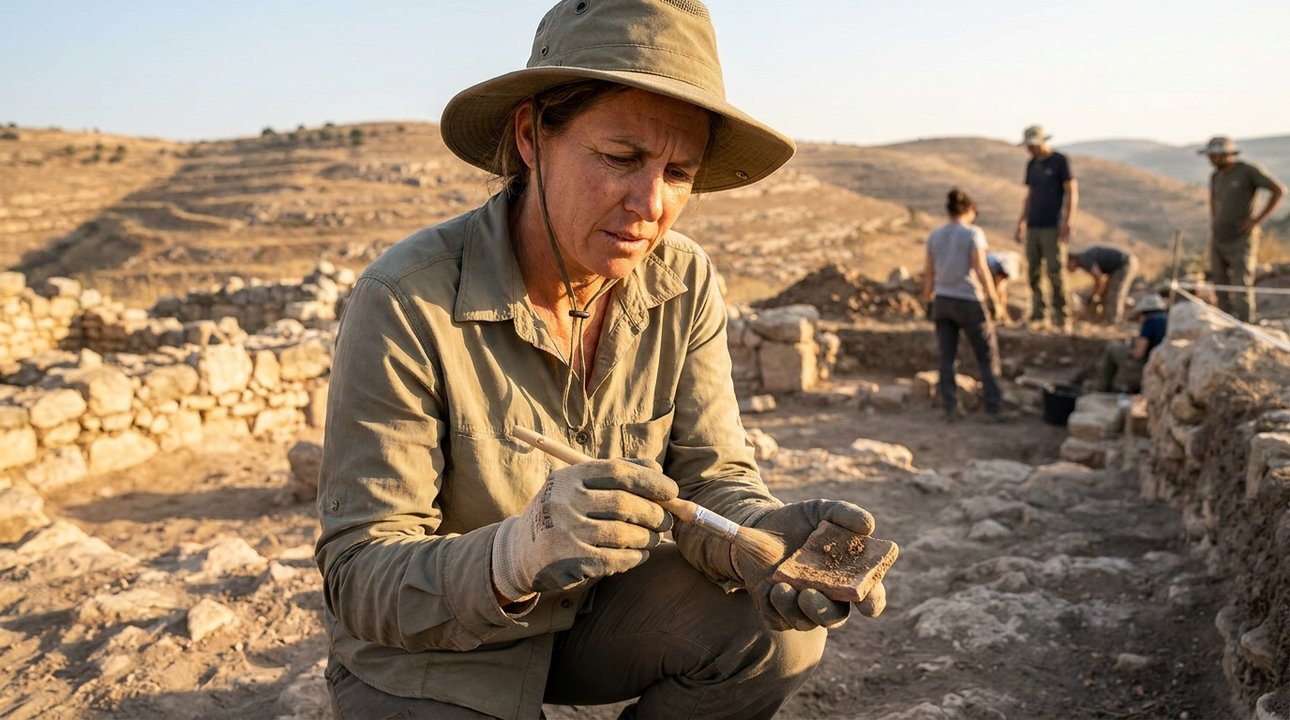
Historical and Geographical Context of Aijalon
Located at the heart of the Shephelah, Aijalon was important in facilitating interactions among diverse groups. Its fertile land supported agriculture, providing sustenance for local populations and contributing to its economic importance. The landscape connects Aijalon to neighboring territories and cities, such as Gibeon and Bethel, fostering cultural exchanges and conflicts.
The fertile plains of Aijalon are mentioned in historical records, where it is listed among the cities given to significant groups. This allocation reflects its agricultural value and its role in sustaining the community.
The people, who were responsible for various duties, relied on such lands for their livelihood. The allocation highlights its importance not only agriculturally but also as it supported those who maintained practices.
from the Western Wall to Masada.
Aijalon’s role as a buffer zone saw it witness numerous historical conflicts and cultural exchanges. Strategically located on the route between the coastal plain and the central highlands, it became a key battleground during the periods of influence.
The topography made it an essential location in the ebb and flow of civilizations, including groups who both sought control over this vital corridor.
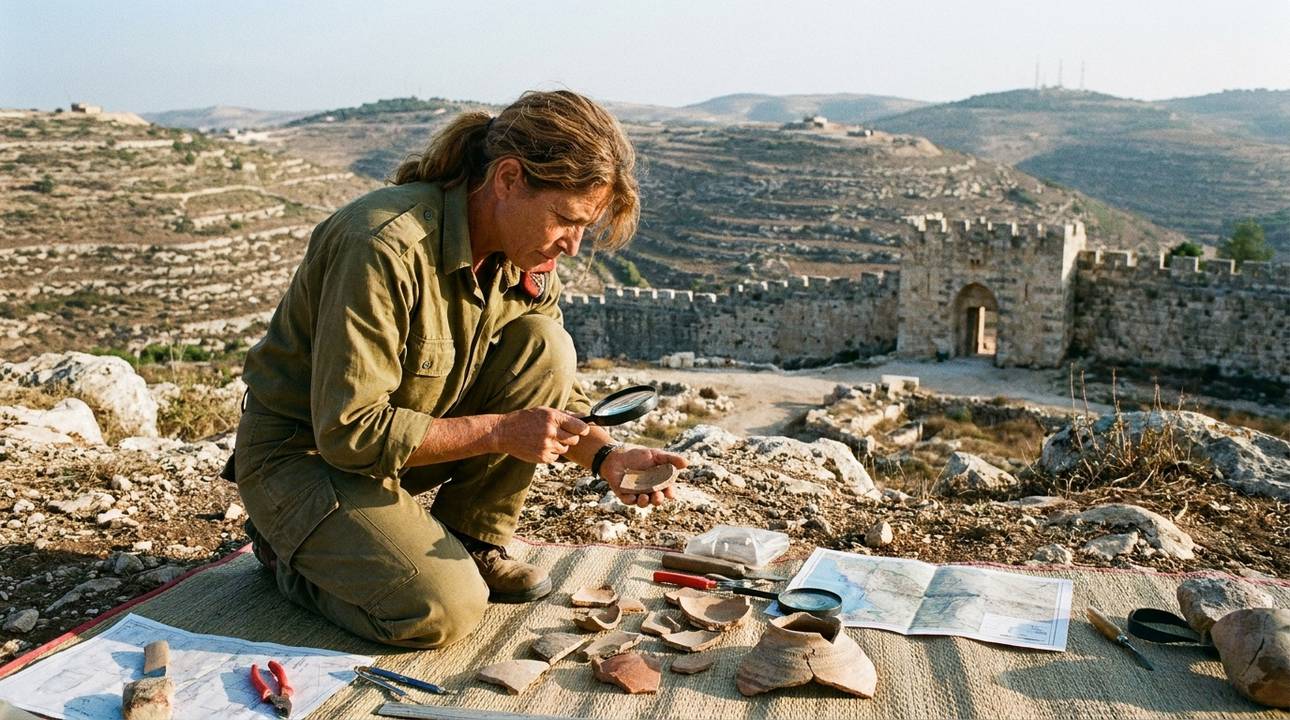
Aijalon in Later Traditions
Over time, Aijalon’s image in tradition transformed, becoming symbolic of endurance and support for many generations. Writings occasionally reference it, echoing its history and connection to promise, as seen in various texts. These texts reflect on its legacy as a place where history intertwines, highlighting its role in cultural memory.
Aijalon is mentioned in historical texts, where its name is associated with the Hebrew word for ‘deer’, symbolizing swiftness and grace. This metaphorical association underscores its lasting impact on thought and tradition.
The deer, known for its agility, reflects the historical role as a dynamic and pivotal location, influencing both cultural symbolism and practical realities.
In regional folklore, Aijalon serves as a reminder of victory for those facing adversity. This is vividly captured in the account of a significant battle against the Amorites, where a miraculous event occurred.
Its name continues to evoke stories of triumph and support, inspiring generations to believe in the possibility of overcoming challenges. The legacy endures as a symbol of hope and endurance for people who draw strength from its tales.

Present-Day Understanding of Aijalon
Today, Aijalon can be located near modern urban centers. Archaeological findings continue to reveal layers of its past, including remnants of ancient settlements and artifacts from various periods of occupation.
Understanding Aijalon offers insights into the region’s historical dynamics and cultural interactions, highlighting its role as a crossroads for different peoples and traditions.
Excavations in the area have uncovered pottery and tools dating back to the Bronze Age, providing evidence of continuous habitation. These discoveries help historians piece together the daily lives of those who lived in Aijalon, enriching our understanding of its history. The artifacts reveal its role as a thriving community, involved in trade and agriculture, contributing to the broader economic and culture of the region.
While modern developments surround it, the ancient references to Aijalon remain prominent in cultural memory. It is mentioned as the site of a significant battle involving the tribe of Dan. It symbolizes the connection between ancestral narratives and contemporary appreciation of historical sites, serving as a link between past and present for those who visit or study its history.
Aijalon’s enduring presence in texts and its archaeological significance make it a focal point for scholars and visitors alike. Its historical layers offer a tangible link to the stories and events that shaped the region, preserving the cultural heritage.
Archaeologists continue to uncover artifacts that provide insights into the daily lives and societal structures of those who inhabited it, enriching our understanding of its historical context.
Historical Context
