
Exploring the Wilderness of Paran: Historical Insights and Connections


The Wilderness of Paran is a key location in historical narratives, situated near the Sinai Peninsula. It is closely associated with significant events in ancient texts.
This harsh and rugged terrain provided refuge and transition for figures such as Ishmael, who dwelt there after being cast out by his family. The area is also mentioned in ancient texts, where the Israelites camped during their journey from Egypt.
In this article, we will delve into the historical and geographical aspects of Paran, its importance in historical contexts, and what it represents today. Its story is one of both hardship and survival, reflecting the endurance of those who traversed its challenging landscape.
What Is the Wilderness of Paran?
The Wilderness of Paran is mentioned in ancient texts as a region near the Sinai Peninsula, specifically where the Israelites camped during their journey from Egypt.
Known for its mountainous terrain, this area served as a significant location during the Israelite journey. The region also appears in the story of Ishmael, who resided there after being sent away by his family.
The exact borders are not precisely known, but it is generally understood to span modern southern Israel and parts of Egypt and Jordan. This region’s rugged landscape was a backdrop for many historical events, providing both challenges and shelter for the nomadic tribes.
from the Western Wall to Masada.

Historical Accounts Involving Paran
Paran is notably the area where the Israelites camped during their 40 years in the wilderness. According to ancient texts, it was from this region that leaders sent explorers to survey the land.
This pivotal moment marked a turning point in the journey of the Israelites, as their report influenced the community’s morale and decisions. Other narratives place significant individuals, like Ishmael, in Paran, symbolizing a place of refuge and survival.
Ancient stories tell us that Ishmael settled in the wilderness of Paran and became an archer, highlighting his adaptation and endurance in this harsh environment.
Geographical Significance of Paran
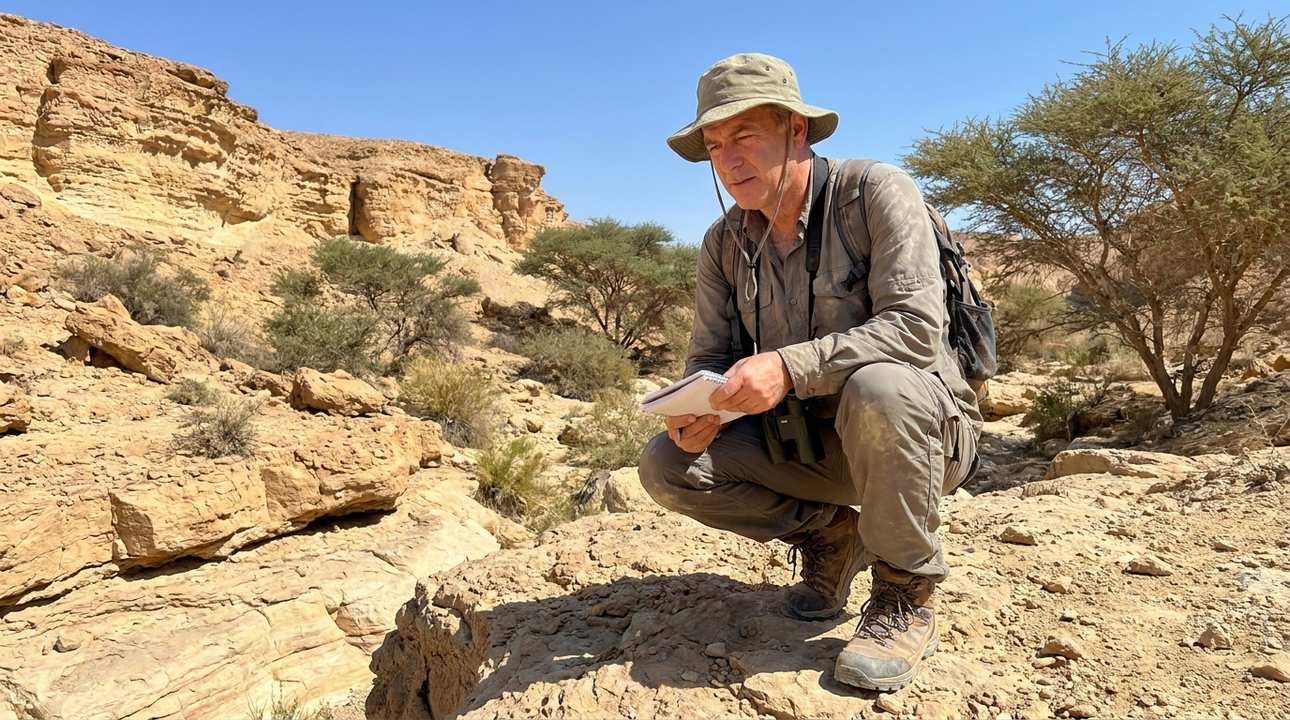
Paran’s geography is characterized by arid desert plains and rugged mountains, noted for its challenging terrain. This terrain provided both challenges and protection for ancient nomadic tribes.
The harsh conditions necessitated endurance and provided a backdrop for testing and revelation. Today, the region still captivates with its stark, rugged beauty, attracting those interested in history and nature.
Its landscape offers a glimpse into the endurance required by its ancient inhabitants, who navigated its difficult terrain in search of sustenance and survival.
Archaeological Discoveries in Paran
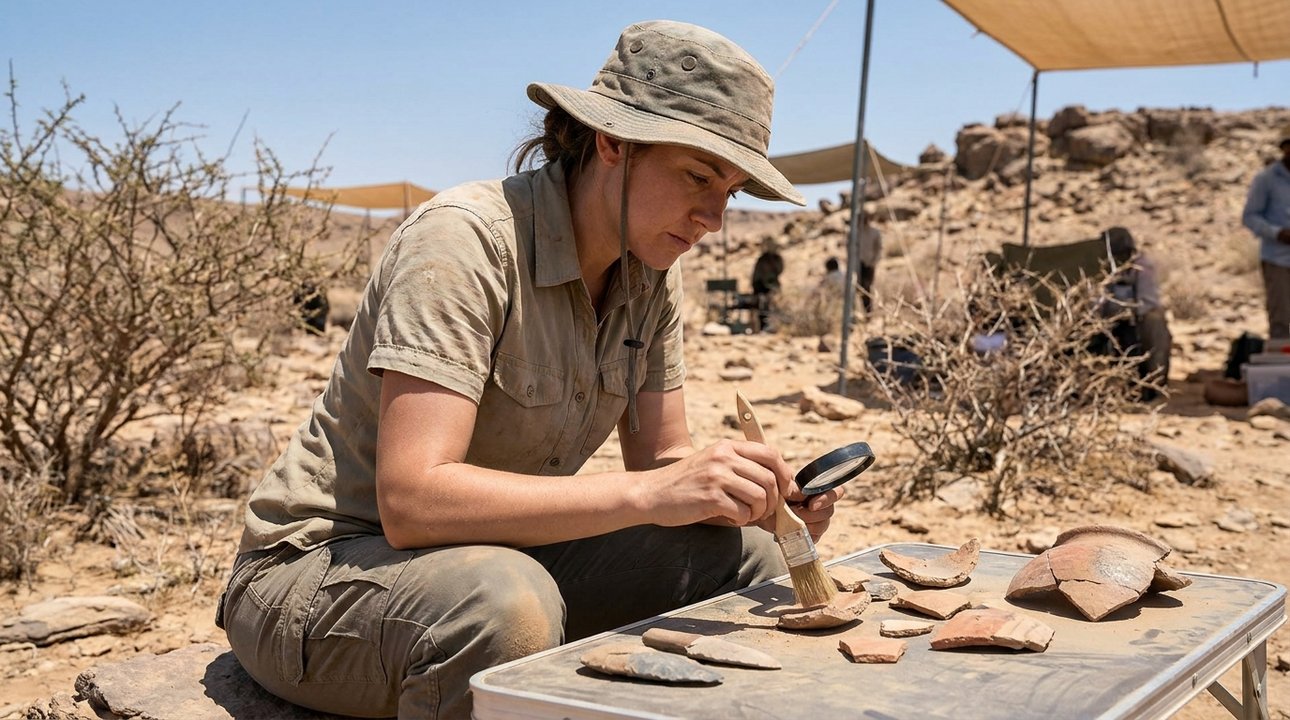
Various archaeological findings have hinted at Paran’s historical activities. Artifacts and inscriptions uncovered in the region suggest habitation and trade routes dating back to earlier times. Notably, pottery shards and stone tools have been found, indicating a thriving community engaged in trade and daily life. These discoveries provide a richer understanding of how the people of that era lived and traveled through this challenging landscape. The presence of ancient trade routes suggests that Paran was a crucial link between different cultures and civilizations, facilitating exchanges of goods and ideas. This history is echoed in narratives, where Paran served as a backdrop for key events.
from the Western Wall to Masada.
Paran in Later Historical Contexts
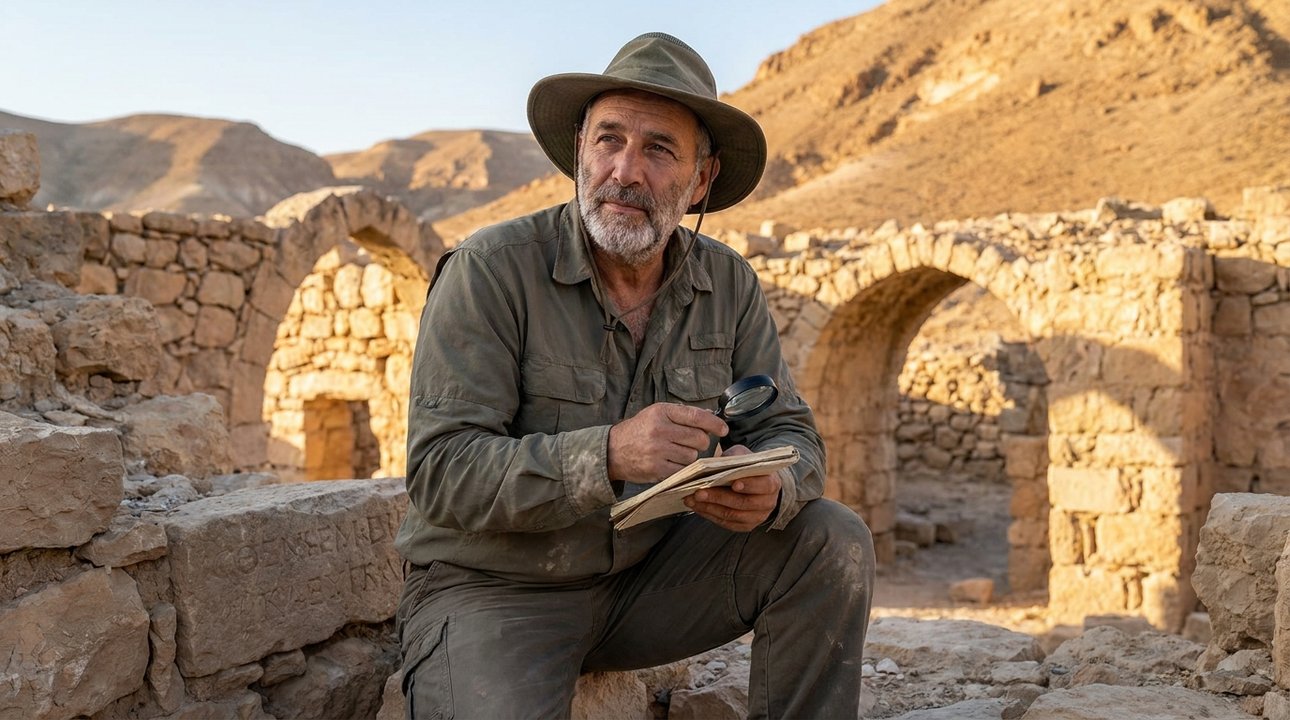
Beyond the ancient period, Paran witnessed the passage of many cultures and armies. The Romans, for example, are known to have traversed this area during their expansions, leaving behind remnants of their presence. Roman roads and fortifications found in the region testify to their strategic interest in controlling this vital area. These traces help us piece together the complex history of human activity that has unfolded in Paran over centuries. The layers of history found in Paran provide a window into the interactions and conflicts that shaped the ancient world, showing the dynamics of empire and resistance. The region’s archaeological findings continue to shed light on its multifaceted past.
Cultural and Symbolic Importance
Paran retains a cultural symbolism within narratives. It represents a space where individuals were tested and molded. The name itself evokes ideas of trial and perseverance, themes still relevant today. In the story of the Exodus, Paran was a place of both physical and spiritual challenges for the Israelites. This symbolic nature is still remembered both artistic works and reflections across various cultures. Artists and writers often draw on the imagery of Paran to explore themes of endurance and transformation, resonating with audiences who face their own life challenges. The region’s legacy is a sign of its profound impact on cultural narratives.
Modern-Day Paran and Its Significance
Today, Paran lies within the boundaries of several modern states, symbolizing the crossroads of cultures and histories. It continues to attract those interested in archaeology and desert landscapes. The region’s unique geographical features and history make it a compelling destination for scholars and tourists alike. Though less traveled, it remains an evocative location for reflecting on the hardships and triumphs recorded in ancient texts, such as the journey of the Israelites. The stark beauty of the desert landscape serves as a backdrop for contemplation and connection to the ancient narratives that unfolded there. Paran’s enduring allure lies in its ability to connect the past with the present.
Summary: Understanding Paran’s Legacy
The Wilderness of Paran is a mix of historical narratives and geographical significance. From its prominence to its archaeological intrigue, it offers valuable insights into the past. The area is mentioned in various contexts, serving as a geographical marker for the Israelites’ journey. Exploring Paran helps deepen understanding of key events and the enduring endurance of the human spirit. Its rugged terrain and historical layers invite reflection on the trials faced by those who traversed it, making it a place of both historical and exploration. The stories of survival and perseverance are still remembered by those who study its history.
General Questions
