
Exploring the Historical Context of Beth-Togarmah


Beth-Togarmah, referenced in historical texts, was a region known for its trade connections. This article explores its origins and significance in trade.
Beth-Togarmah’s role in ancient trade is highlighted by its supply of horses and mules to Tyre, a city renowned for maritime commerce.
from the Western Wall to Masada.
Trade Connections
As part of ancient trade routes, Beth-Togarmah provided resources like horses and mules. Its geographic location is often linked to ancient Armenia, though there is debate over its precise position.
The trade in horses and mules underscores its economic influence. Tyre, a significant city, relied on these supplies for maintaining its status.
Geographical Context
The exact position of Beth-Togarmah is uncertain, but many place it in Anatolia, potentially within modern-day Turkey. This area was historically active in trade.
Anatolia’s history as a trade hub suggests Beth-Togarmah’s involvement in commerce. Currently part of Turkey, this region’s ancient trade significance is well-documented.
Mentions in Texts
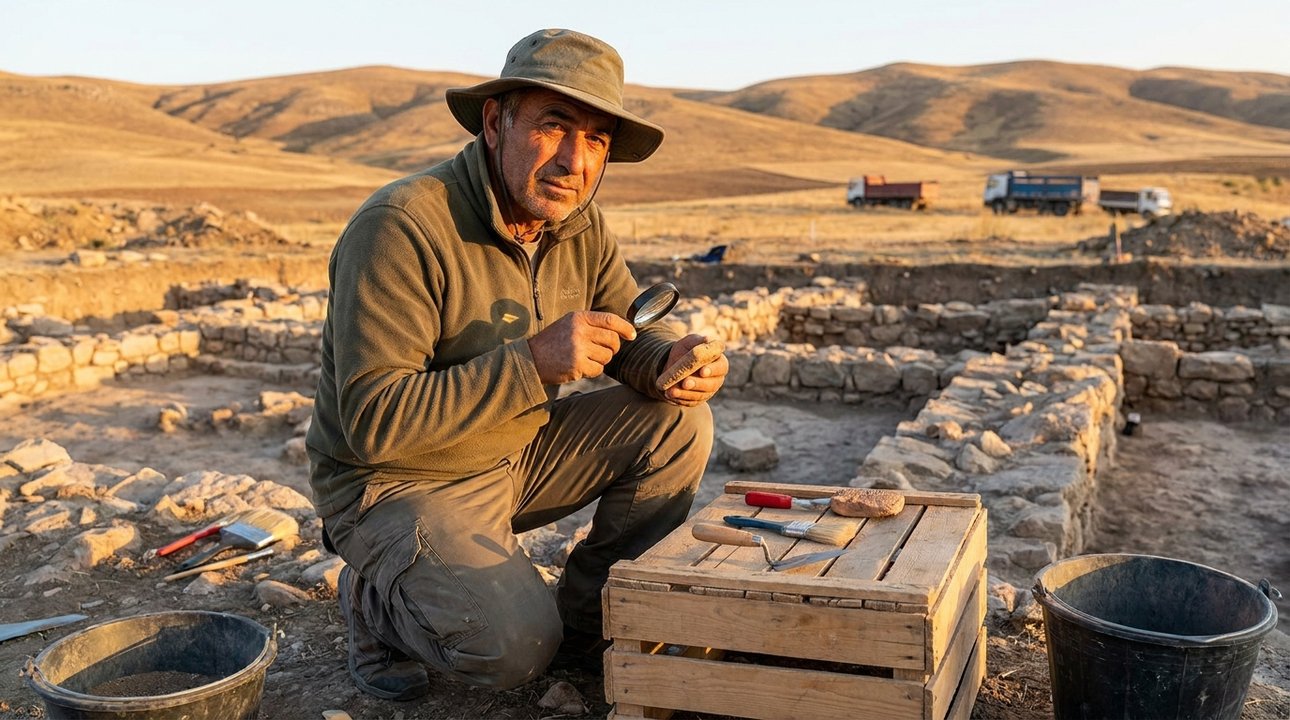
Beth-Togarmah is noted in texts as a trading partner of Tyre. Its provision of horses and mules was key to regional trade networks, facilitating economic exchange.
The connection between Beth-Togarmah and Tyre highlights the role of trade routes in exchanging goods and ideas. Tyre was a major port city with several trade links.
Historical Insights
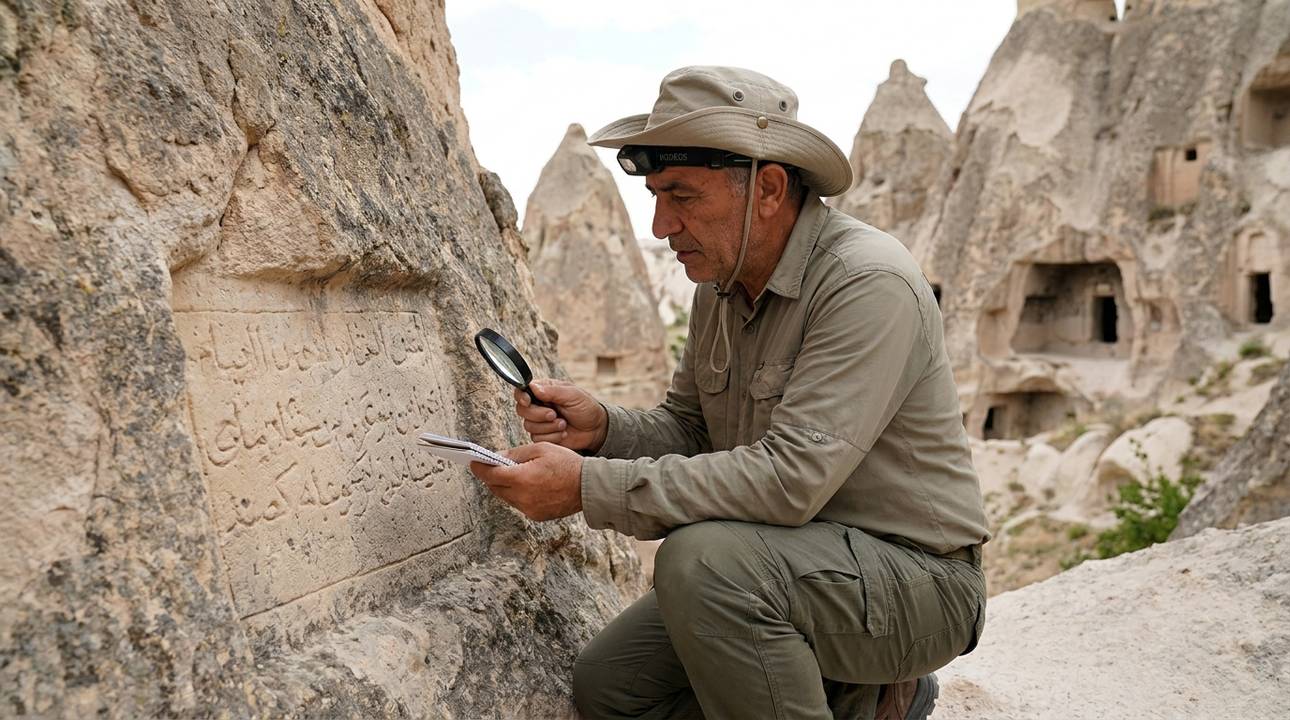
While concrete information on Beth-Togarmah is limited, its mention in historical texts provides insights into its location and significance. It might have been situated in what is now Cappadocia, Turkey.
Cappadocia’s history as a trade crossroads supports the notion of Beth-Togarmah as a trading partner, influencing ancient commerce.
from the Western Wall to Masada.
Ancient Trade Networks
Trade alliances involving Beth-Togarmah were significant in shaping the ancient world, with its supply of horses and mules to Tyre underscoring these networks’ importance.
These alliances enabled goods movement and affected political relationships. Tyre, now in Lebanon, was a crucial port city with extensive trade connections.
Genealogical Context
In Jewish tradition, Beth-Togarmah is included in genealogical discussions, linked with Japheth’s descendants according to some biblical genealogies.
These genealogies illustrate cultural connections. Beth-Togarmah, associated with Japheth’s descendants, reflects migration and settlement patterns in ancient times.
Contemporary Research
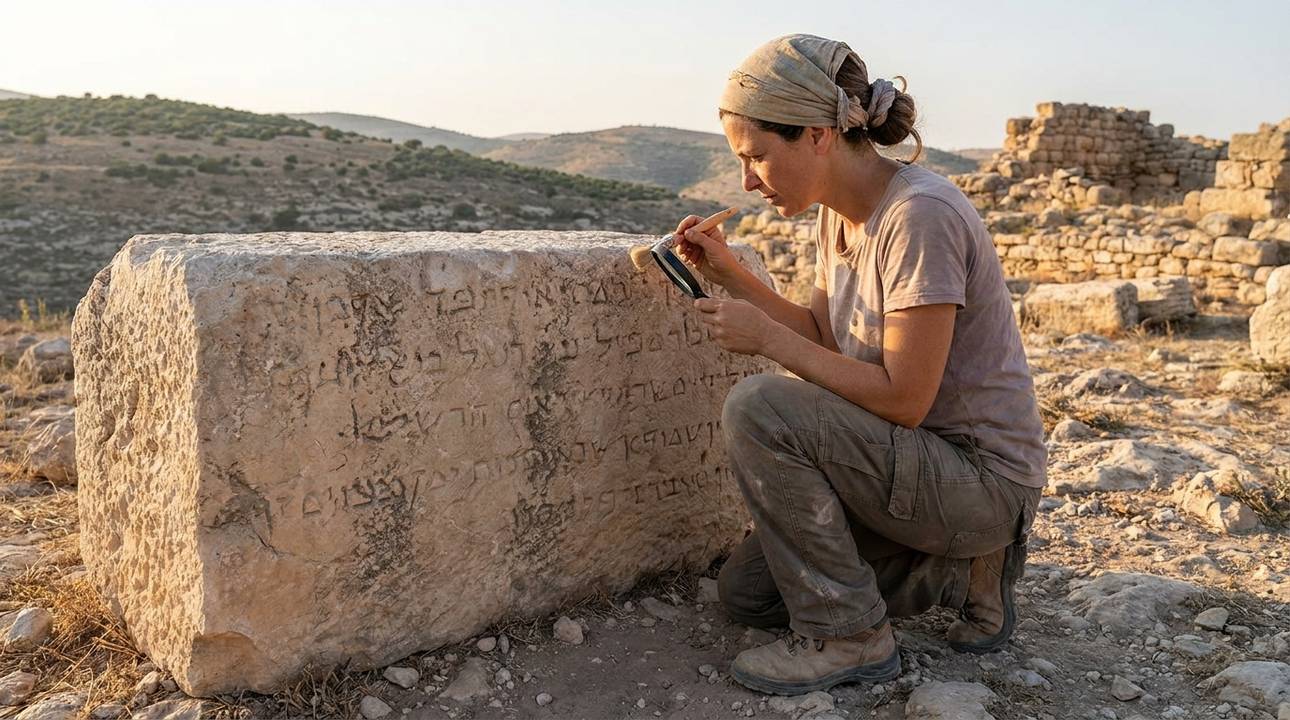
Beth-Togarmah continues to interest scholars of ancient texts, particularly for its role in trade networks, which reflects historical economic systems.
Research into its historical connections provides insights into the dynamics of the era, enhancing our understanding of ancient societies interconnected by trade and culture.
Cultural Interactions
Beth-Togarmah offers insights into interactions of ancient societies, crucial for tracing cultural and economic landscapes. Its mention in genealogies ties it to broader historical narratives.
Understanding Beth-Togarmah
