
Discovering the Plain of Dura: Maps and Historical Context


The Plain of Dura is mentioned in historical texts as the setting of significant events, particularly in ancient records. It is most famously known as the location where King Nebuchadnezzar set up a golden image. This event led to the tale of Shadrach, Meshach, and Abednego, who were thrown into a fiery furnace for refusing to worship the image.
Understanding its location and meaning provides insight into ancient narratives and historical contexts, offering a glimpse into the challenges faced by those who maintained their beliefs.
What Is the Plain of Dura?
Referenced in ancient texts, the Plain of Dura holds notable significance. This area is traditionally understood to have been located in ancient Mesopotamia, known for its fertile land and key role in early narratives.
It serves as the backdrop for the famous account of the golden image and Nebuchadnezzar. This narrative illustrates the tension between monotheism and the polytheistic practices of the time. The physical characteristics of Dura were ideal for large gatherings, fitting the historical account perfectly.
from the Western Wall to Masada.
The region’s fertile plains and strategic location made it a suitable site for significant events, such as the assembly of officials to worship the golden image. This setting underscores the cultural and religious dynamics of the era. The tale of Dura is a sign of the enduring struggle between faith and societal demands, highlighting the challenges faced by those who sought to maintain their beliefs amidst external pressures. This story continues to resonate with those who value spiritual integrity.
Historical and Geographic Context
Historically situated in a region known for its convergence of cultures, the Plain of Dura likely contributed to its selection as a site for royal declarations and ceremonies, such as those by Nebuchadnezzar.
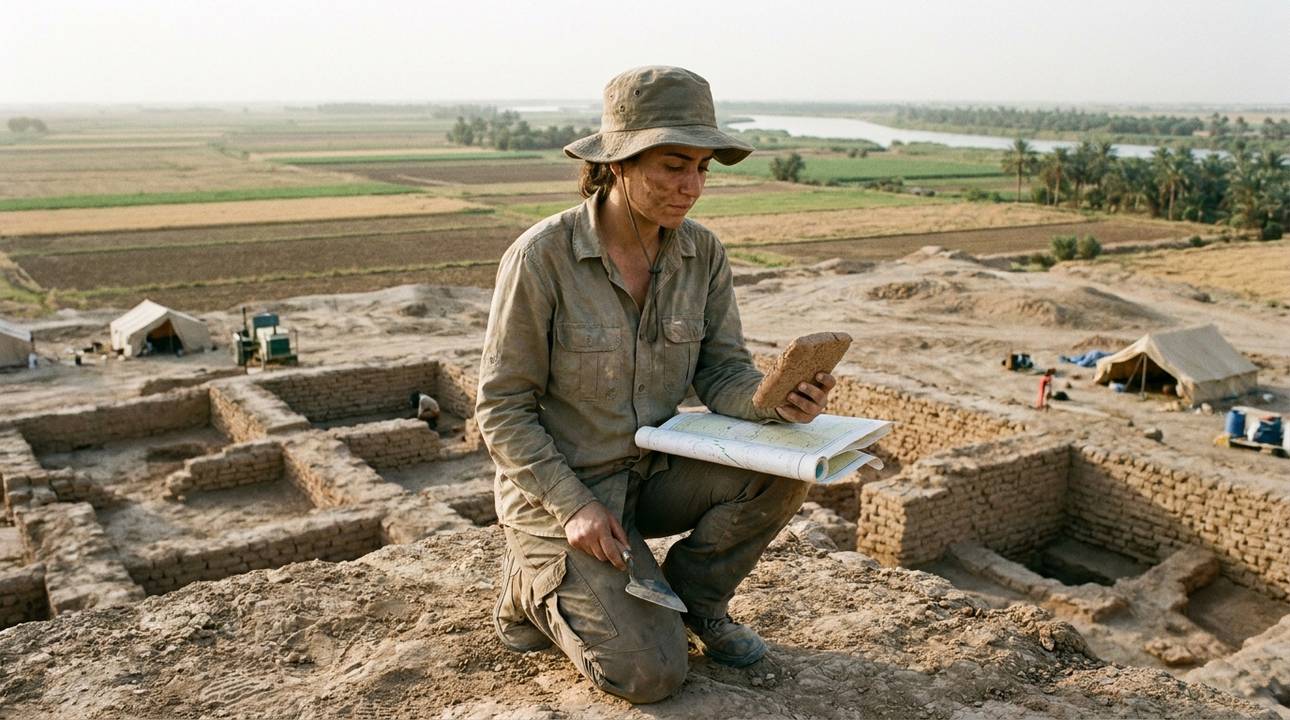
While exact modern mappings are challenging, archaeological studies provide clues to its possible locations near Babylon. Understanding Dura requires considering its strategic and symbolic significance in the ancient world, where it served as a meeting point for diverse cultural and religious influences.
It is a prime example of how geography influences historical narratives. The fertile lands of Mesopotamia made it an ideal setting for large gatherings.
These gatherings were not only political but also cultural, reflecting the complex interplay of power and belief in ancient societies. Dura’s historical role as a site of significant events underscores its lasting impact on historical and cultural history.
Historical Narratives and Dura
In historical texts, Dura stands as a backdrop to one of the most dramatic challenges to monotheistic belief. The account of the golden image serves as an enduring symbol of steadfast belief in a monotheistic tradition. Nebuchadnezzar’s decree for all to worship the image highlights the era’s cultural conflicts. This narrative is not only a sign of belief but also a reflection on resistance and identity. Examining the textual references helps us understand the broader implications for history.
The tale of Dura also illustrates the courage of Hananiah, Mishael, and Azariah, who faced the fiery furnace for their refusal to abandon their faith. Their story has inspired countless generations to stand firm in their beliefs.
This account is a powerful reminder of the importance of maintaining one’s identity and convictions, even in the face of overwhelming pressure. The lessons from Dura continue to resonate in discussions about faith and cultural integrity today.
Archaeological Insights
Archaeological findings near Babylon provide vital insights into the Plain of Dura. Artifacts and structures discovered suggest a site of significant activity, supporting historical narratives. Excavations have uncovered remnants of ancient buildings and objects that hint at the area’s historical importance.
While comprehensive excavation plans have varied, the potential for future discoveries remains high. Such efforts aim to bridge the gap between historical accounts and realities, enhancing our understanding of the period.
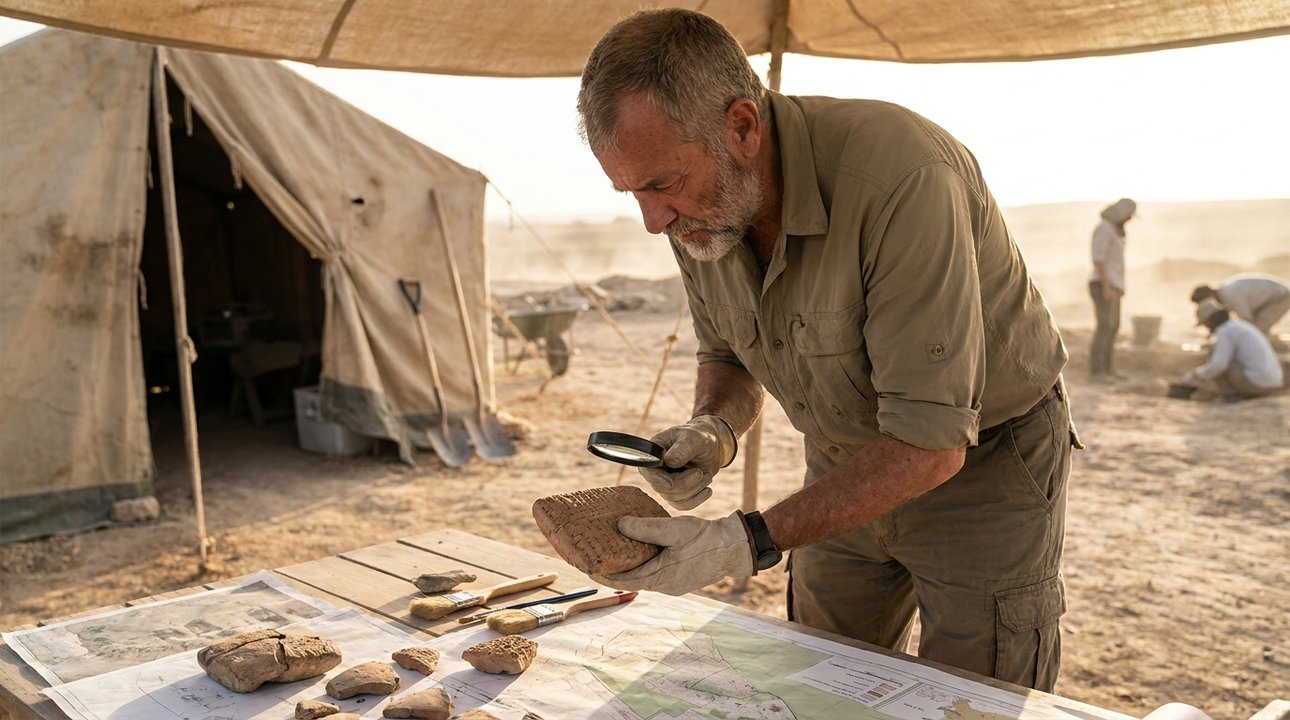
The ongoing archaeological work in the region continues to shed light on the historical context of the narratives. Discoveries such as clay tablets and ancient inscriptions offer glimpses into the administrative and cultural practices of the time.
These findings not only corroborate the historical accounts but also provide a richer understanding of the socio-political landscape of ancient Mesopotamia. Dura’s significance is further underscored by these archaeological efforts, which continue to uncover its hidden stories.
Researchers strive to connect artifacts with the cultural and religious practices of the time. By studying these findings, historians and archaeologists can reconstruct aspects of daily life, religious ceremonies, and the socio-political landscape of the era.
For example, the discovery of Babylonian tablets provides insight into the administrative systems that might have existed during Nebuchadnezzar’s reign. This research offers a richer context for the events described in the Bible, such as those in the Book of Daniel.
from the Western Wall to Masada.
Modern Perspectives on Dura
Today, understanding Dura involves piecing together historical and archaeological data. The area serves as a symbol of interplay between power, belief, and cultural exchange. Current maps and studies continue to evolve, inviting further exploration and interpretation, as scholars analyze texts to better understand the historical context.
Einstein and amateur enthusiasts alike are captivated by the layers of history in sites like Dura. The ongoing research into Dura’s history reveals the complexities of ancient societies and their interactions.
Appreciating these elements deepens knowledge of cultural traditions and histories. As new discoveries are made, such as artifacts from ancient Babylon, they offer fresh perspectives on the past.
These findings enrich our understanding of the historical world and its influence on modern culture, providing context for how ancient beliefs continue to shape contemporary values.
The Plain of Dura in Cultural Memory
Culturally, Dura remains a point of interest for religious scholars and historians. It has inspired countless discussions about faith and defiance in the face of overwhelming pressure, as seen in the story of Daniel’s friends in the fiery furnace.
Literature and art often revisit these themes, reflecting on the timeless struggle for spiritual integrity. Films and books transpose the essence of Dura’s narrative into various cultural contexts, such as the 1956 film “The Ten Commandments,” which echoes themes of faith and resistance.
The tale of Dura, as depicted in various artistic forms, is still remembered those who seek to understand the complexities of faith and conviction. This narrative serves as a reminder of the power of belief in shaping individual and collective identities. Through these portrayals, the lessons of Dura remain alive, showing the enduring nature of spiritual and cultural resilience. The ongoing interest in this story highlights its relevance in contemporary discussions about identity and faith.
Such portrayals keep ancient lessons relevant in contemporary discussions. The account of Dura, as seen in Daniel 3, is a reminder of the enduring power of conviction and the impact of standing firm in one’s beliefs, like Hananiah, Mishael, and Azariah who refused to bow to the golden image. By examining these narratives, we gain a deeper understanding of the historical and cultural role of such events, highlighting the timeless struggle between faith and societal pressures.
Connecting Through Lev Haolam
Lev Haolam allows people worldwide to explore their connection to Israel through meaningful products. By supporting Israeli businesses, subscribers contribute to sustaining local artisans and families. Many of our boxes feature items reflecting Israel’s cultural and historical diversity, such as handmade crafts and locally sourced foods. Explore what unites notable sites like Dura with today’s Israeli society, where the spirit of community continues to thrive.
The Plain of Dura connects us to the enduring spirit of community. This connection is mirrored in the products we offer, which celebrate the diverse cultural influences that have shaped Israel. Each item tells a tale, offering a tangible link to the heritage and traditions that define the Israeli experience. Supporting these artisans helps preserve this legacy for future generations. Our subscription service may include 6-8 products, and the contents vary, providing a unique experience with each delivery.
Join us on this journey to rediscover and support Israel’s heritage. By choosing Lev Haolam, you participate in a unique experience that bridges the past and present, celebrating the diverse cultural influences that shape Israel today. Each box tells a tale of tradition, innovation, and the shared values that bind us together. From the historical narratives of Dura to the life of modern Israel, your support helps preserve these connections.

Understanding the Plain of Dura
