
Discovering the Valley of Elah: A Historical Journey


The Valley of Elah is steeped in history, most famously known as the battlefield where David faced Goliath, captivating scholars and enthusiasts alike. This area’s significance extends beyond its historical role; it represents a mix of cultural narratives. In this article, we delve into the map of Elah, exploring its historical importance and references. Join us as we uncover the layers and stories behind this emblematic site, revealing its legacy.
Elah’s location in the Shephelah region made it a strategic point between the territories of the Israelites and the Philistines. This geographical significance is reflected in its frequent mention in historical texts.
Its role in the confrontation between David and Goliath is just one of many stories that highlight its importance. By examining historical maps and archaeological findings, we gain a deeper understanding of its place in history.
from the Western Wall to Masada.

What Is the Valley of Elah?
Located in the Shephelah region of Israel, known for its picturesque landscapes and history, this valley served as a strategic location between the territories of the Philistines and the Israelites, playing a crucial role in historical narratives. Most famously, it was the site where young David defeated Goliath. Understanding its geographic and historical context is essential to appreciating its relevance, both in the past and today.
The strategic importance of this valley is highlighted by its location as a natural corridor between the Judean Mountains and the coastal plain. This made it a vital route for commerce and military campaigns, as armies often traversed this area.
Its fertile plains supported agriculture, contributing to its significance in the past. By examining its role in historical stories, we gain insight into the historical and cultural dynamics that shaped the region.
The Geography of the Valley of Elah
Nestled between the Judean Mountains and the coastal plain, this area serves as a natural corridor. Its fertile plains were ideal for agriculture, making it a vital route for commerce and military campaigns, as armies often traversed this area.
Today, its landscape still resonates with the echoes of its historical past, offering a tangible connection to the era. Visitors can imagine the strategic importance it once held, linking different regions and shaping the course of its history.
The geographical location made it a key site in the ancient world, facilitating trade and military movements. The fertile land supported agricultural activities, contributing to its economic significance.
As a natural passageway, it connected the coastal plain with the interior regions, playing a crucial role in the movement of people and goods. This strategic importance is reflected in the narratives that highlight its role in historical events.
What Happened at the Valley of Elah?
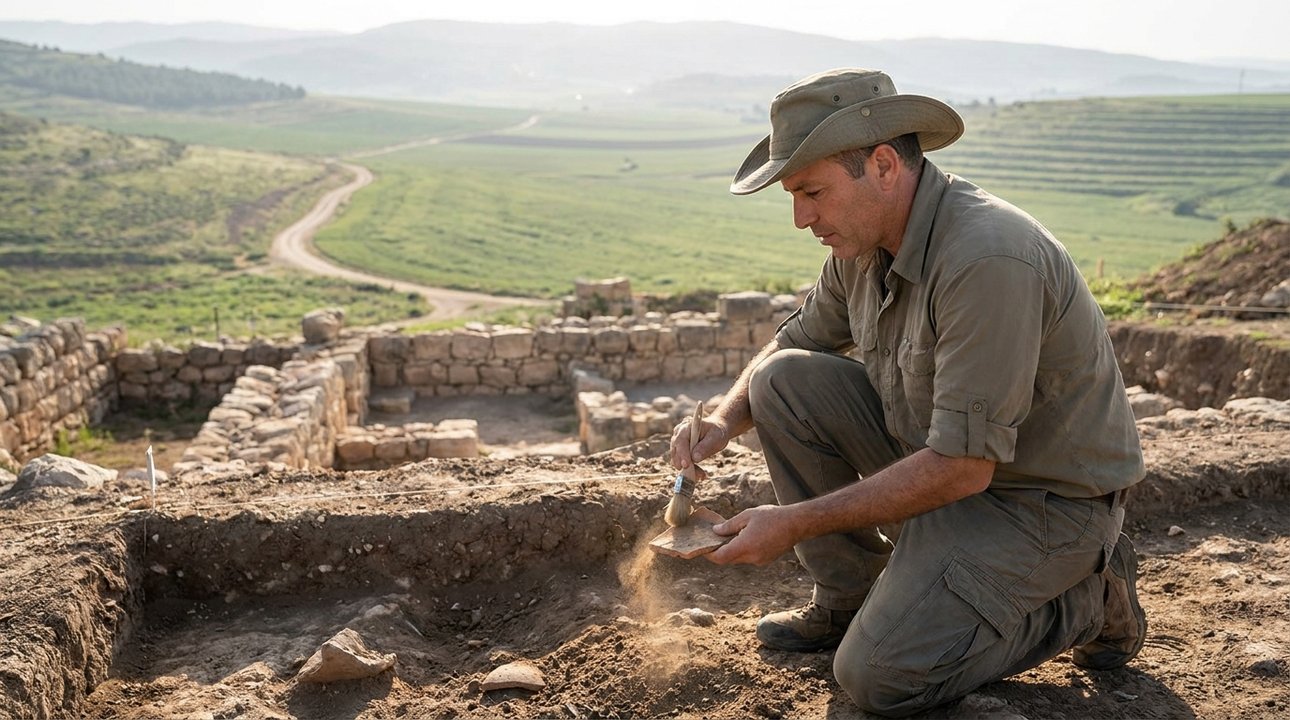
known for being the site of the legendary battle between David and Goliath, as detailed in 1 Samuel 17, this valley, located in the Shephelah region, became the backdrop for the confrontation where the young shepherd David, armed with just a sling and stones, defeated the giant warrior Goliath. This victory not only marked a pivotal moment for the Israelites against the Philistines but also symbolized the triumph of faith and courage over sheer physical strength.
The account emphasizes how David’s determination played a crucial role in his victory, as he declared his trust in his abilities before facing Goliath. The encounter is often cited as a metaphor for overcoming insurmountable odds, and it has inspired countless generations. Thus, this site stands as a sign of the enduring power of belief and determination, echoing the themes of courage and intervention that are central to the narrative.
Historical References to the Valley of Elah
The narrative of David and Goliath in historical texts brings this location into focus as a pivotal site in Israel’s history. This story highlights David’s courage and strategic prowess, marking the beginning of his rise as a key figure.
Depicted as a site of intervention, David’s leadership and determination were first recognized here. This encounter influenced Israel’s future, setting the stage for David’s eventual leadership and the unification of the tribes.
Its significance is further underscored by its role in the broader narrative of Israel’s struggles against the Philistines. The victory over Goliath was not just a personal triumph for David but a moment of national significance.
This event demonstrated the power of determination and strategic insight, themes that resonate throughout the text. The area remains a symbol of these enduring values, offering a tangible connection to the events that shaped Israel’s history.
from the Western Wall to Masada.
Archaeological Insights into the Valley of Elah
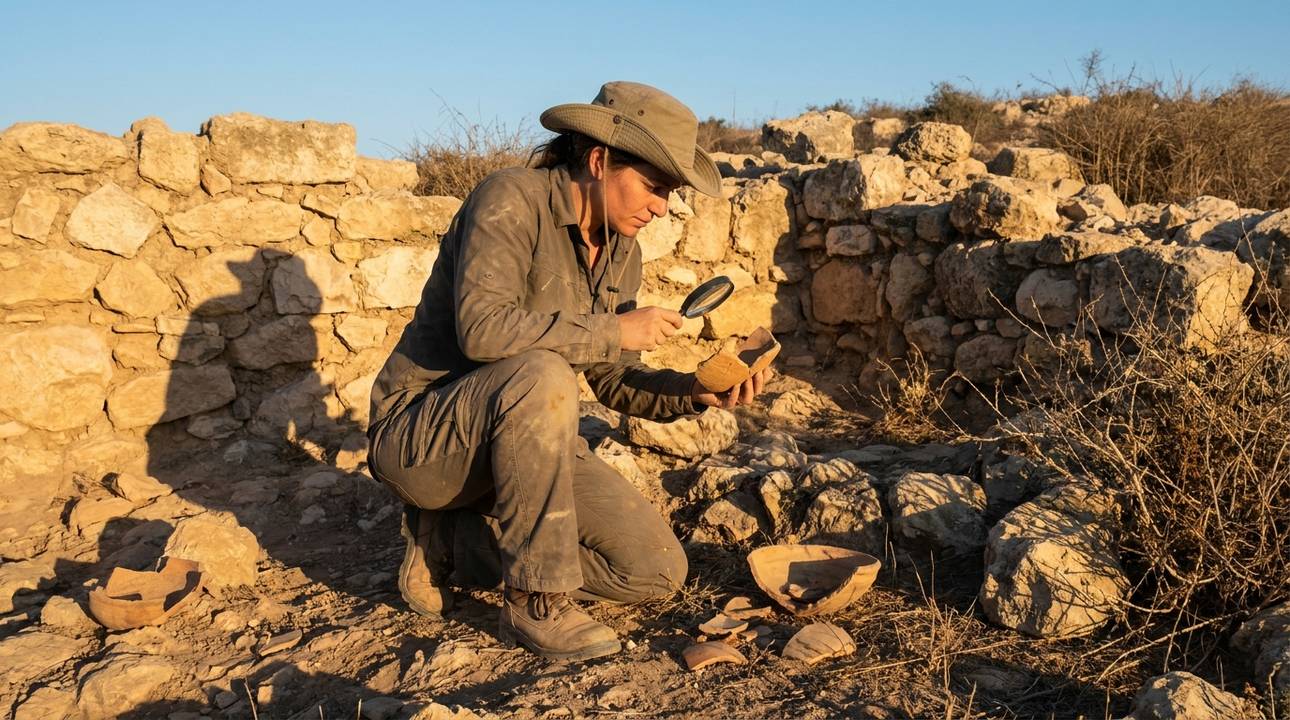
Archaeological excavations have provided valuable insights into its historical use. Artifacts such as pottery and tools from various periods reflect its role in ancient trade and warfare.
These discoveries help contextualize the stories, enhancing our understanding of the region’s past. Excavations have uncovered evidence of ancient settlements, offering a glimpse into the daily lives of those who once inhabited the area, contributing to our knowledge of ancient culture.
The archaeological findings reveal a mix of historical activity, from trade to military engagements. These discoveries include remnants of ancient settlements, providing evidence of its significance in the daily lives of its inhabitants. By studying these artifacts, researchers gain a deeper understanding of the cultural and economic dynamics that characterized the region. This archaeological work enriches our appreciation of the narratives associated with the area.
The Valley of Elah in Modern Times
Today, this area is one of natural beauty and historical intrigue. Visitors come to explore its connections, such as the famous battle between David and Goliath. The scenic landscapes also attract nature enthusiasts.
While not a site of political debate, it remains a place of cultural and historical exploration. It offers a glimpse into the past, providing context for the events that unfolded in this storied location.
How Is the Valley of Elah Mapped?
Maps provide a detailed view of its geographical features and historical sites. These maps highlight key landmarks such as the site of the battle between David and Goliath, showing its strategic importance. They are essential for both historical study and visitor orientation, helping to locate ancient paths and settlements. Resources offer valuable information on maps and archaeological sites, enhancing our understanding of the layout.
Maps serve as a crucial tool for historians and archaeologists, providing a visual representation of the area’s history. By charting the geographical features and key sites, these maps help to contextualize the narratives associated with the valley. For visitors, the maps offer a guide to exploring the area, allowing them to trace the paths once walked by ancient figures. This connection to the past enriches the experience of those who visit this storied location.
Exploring the Significance of the Valley of Elah
This location continues to symbolize courage and determination, as exemplified by David’s victory over Goliath. This story of bravery and trust resonates with people today, highlighting timeless themes.
As a site that bridges past and present, it inspires those who learn about its storied past. Exploring its significance offers a deeper connection to the events that shaped history, allowing visitors to walk in the footsteps of ancient figures and reflect on their own journeys.
The legacy is evident in its continued relevance as a symbol of overcoming adversity. The story of David and Goliath serves as a reminder of the power of determination and the impact of individual courage. By visiting, one can gain a greater appreciation for the importance of this site. The landscape itself offers a connection to the era, allowing visitors to imagine the events that unfolded there.
Understanding the Valley of Elah
