
Discovering the history of the Valley of Gerar
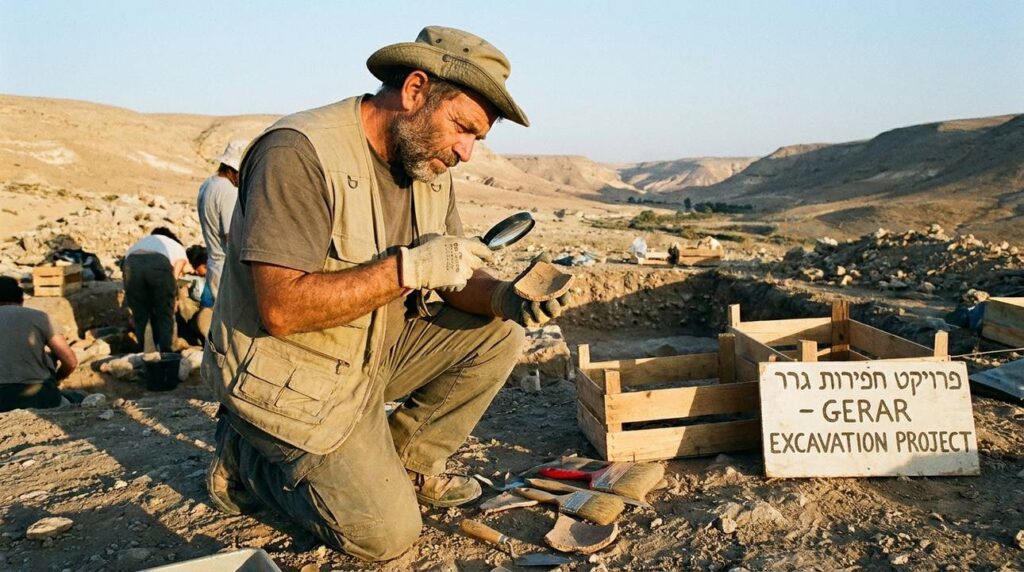

The Valley of Gerar, mentioned in ancient texts, was a refuge during times of famine. Its location was pivotal for exchanges among cultures. This article delves into its historical context, geographical setting, and cultural significance, offering insights into its role in historical narratives.
Gerar’s position enabled trade and interaction among diverse groups. Its fertile lands and water sources were vital for sustaining communities. Through historical accounts, Gerar emerges as a place where notable figures encountered challenges and left their mark. Its history reflects human resilience and the ability to overcome obstacles.
from the Western Wall to Masada.
What Is the Valley of Gerar?
The Valley of Gerar is noted in historical records. Located in the southwestern region, it was a site of key events, such as interactions with local leaders. Prominent figures had significant experiences in Gerar, highlighting themes of survival and promise. Understanding Gerar’s historical role provides a foundation for its cultural significance, as seen in the enduring importance of these stories.
In Gerar, moral and ethical dilemmas were faced, shaping future narratives. This area served as a backdrop for foundational stories, illustrating ongoing journeys of resilience. These accounts reveal the legacy of Gerar as a place of growth, where experiences teach us about life’s complexities.
In historical records, Gerar is mentioned in the context of seeking refuge and sustenance during a famine. The King of Gerar plays a central role in these stories, engaging with significant figures. This land becomes a stage for interaction. Experiences set the stage for future events involving descendants, illustrating themes of trust and interaction. The narratives in Gerar highlight the intricacies of human relationships and journeys.
The Geographic Location of Gerar
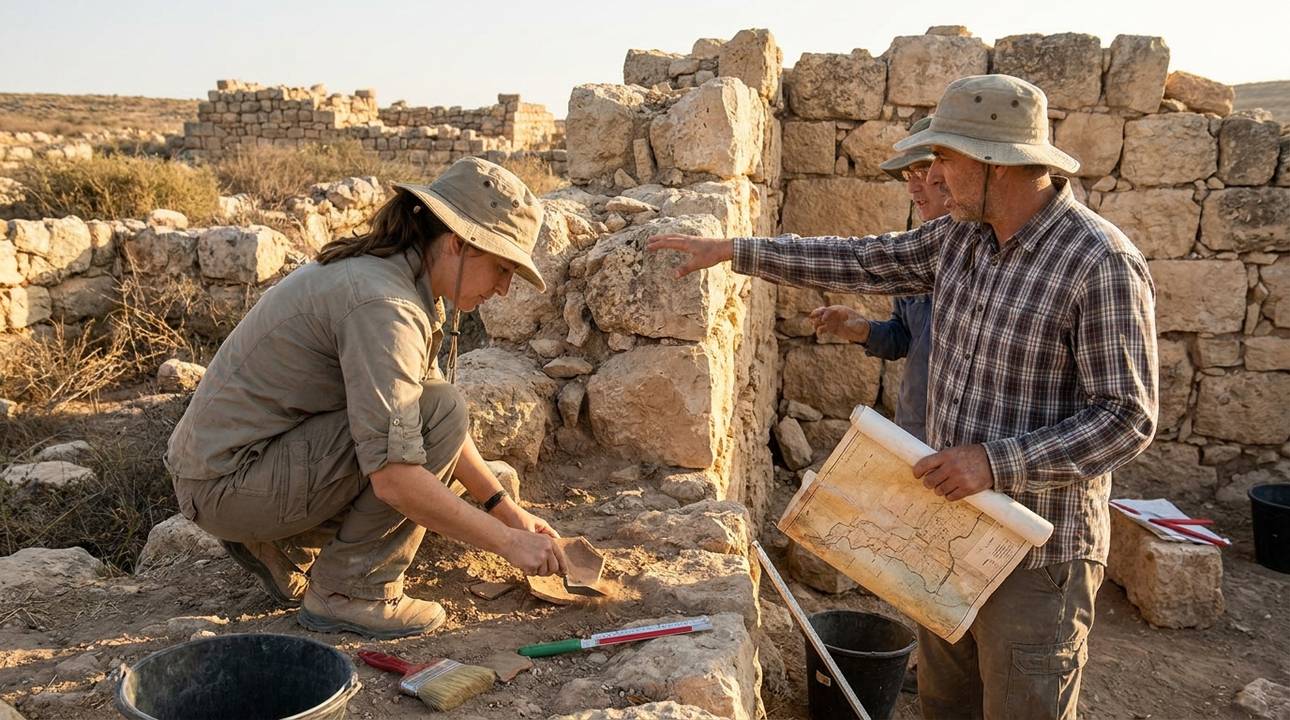
Geographically, Gerar was near a significant territory. This location added complexity to its social and political landscape, influencing interactions with neighboring regions. Gerar connected areas of the desert with coastal zones, facilitating trade and interaction among different groups. Understanding its geography helps in grasping the dynamics present in ancient stories. The strategic position of Gerar underscores its role in historical narratives, highlighting its importance.
Gerar’s fertile land was attractive for agriculture and settlement, where significant figures reaped abundantly in their crops. This fertility made it a strategic location for both dwellers and travelers, offering sustenance and opportunity. The abundance of resources in Gerar drew many to its lands, making it a hub of activity. It also became a notable place in historical narratives, where disputes over resources occurred.
These stories reflect the challenges and opportunities of life in Gerar, highlighting both conflict and cooperation. The wells, essential for survival, were often sources of tension, yet they also fostered negotiation and eventual peace. Gerar’s history is a sign of the adaptability required to thrive in a land where resources were both a point of contention and opportunity.
Historical Narratives Involving Gerar
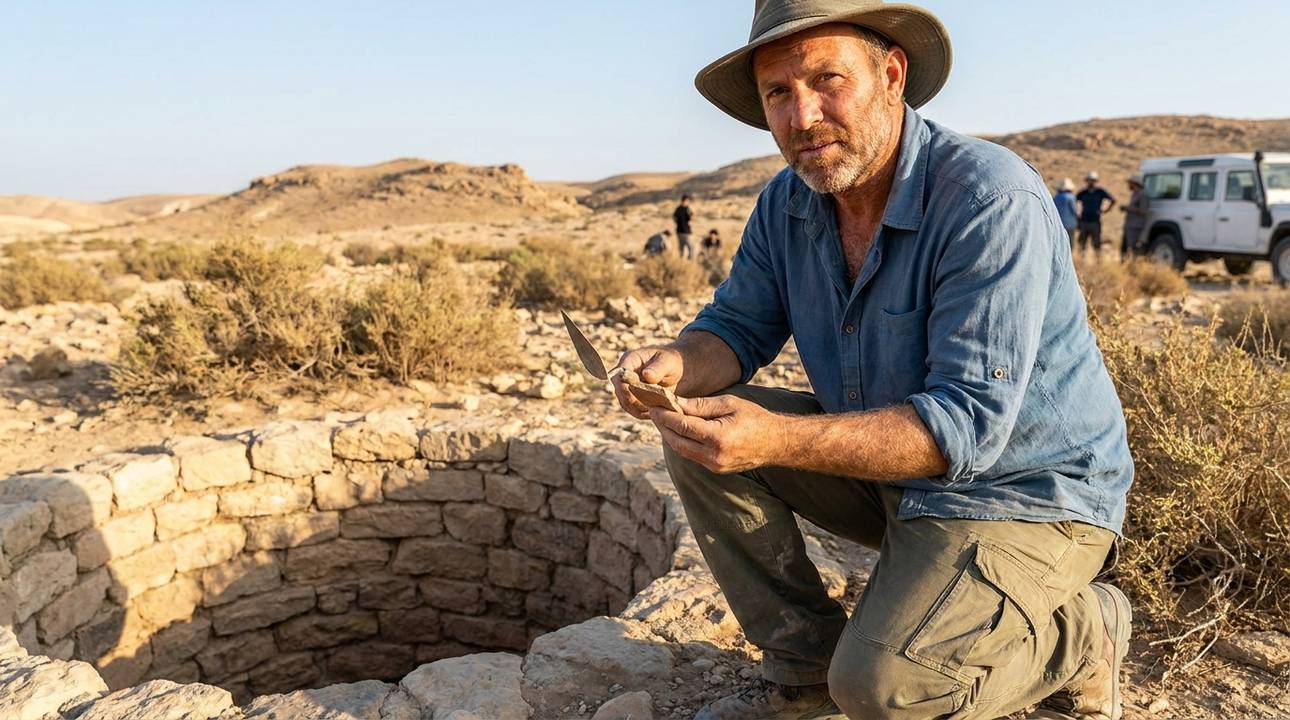
The narrative in Gerar is one of persistence. In historical accounts, significant figures moved to Gerar, following earlier footsteps. They faced conflicts over water wells, which were crucial for survival in the arid landscape. Despite these challenges, prosperity followed, leading to peaceful coexistence with neighboring peoples. The story highlights enduring themes of perseverance and promise, emphasizing the importance of overcoming adversity. Experiences in Gerar reflect broader themes found throughout historical narratives.
The ability to find peace with neighboring peoples, despite initial hostilities, demonstrates the power of diplomacy and understanding. Efforts to maintain harmony in Gerar serve as an example of how patience and negotiation can lead to positive outcomes. The wells, symbolic of life and sustenance, represent the challenges and opportunities faced. Through this story, we learn about the importance of maintaining hope, even when faced with difficulties.
The experience in Gerar also illustrates the challenges of living among unfamiliar peoples. Interactions with local leaders mirror earlier encounters. These dealings often required delicate negotiation and trust-building. The story becomes a sign of faithfulness in handling difficult situations, such as when re-digging wells. The narrative underscores the importance of peace and cooperation, especially in times of conflict over resources.
The re-digging of wells symbolizes the continuation of family legacy and the importance of maintaining connections to the past. Efforts to establish harmony in Gerar reflect broader themes of perseverance, crucial for survival in the ancient world. These stories illustrate the significance of maintaining relationships and fostering understanding, even amidst adversity. The lessons from time in Gerar resonate with the challenges faced by communities throughout history.
from the Western Wall to Masada.
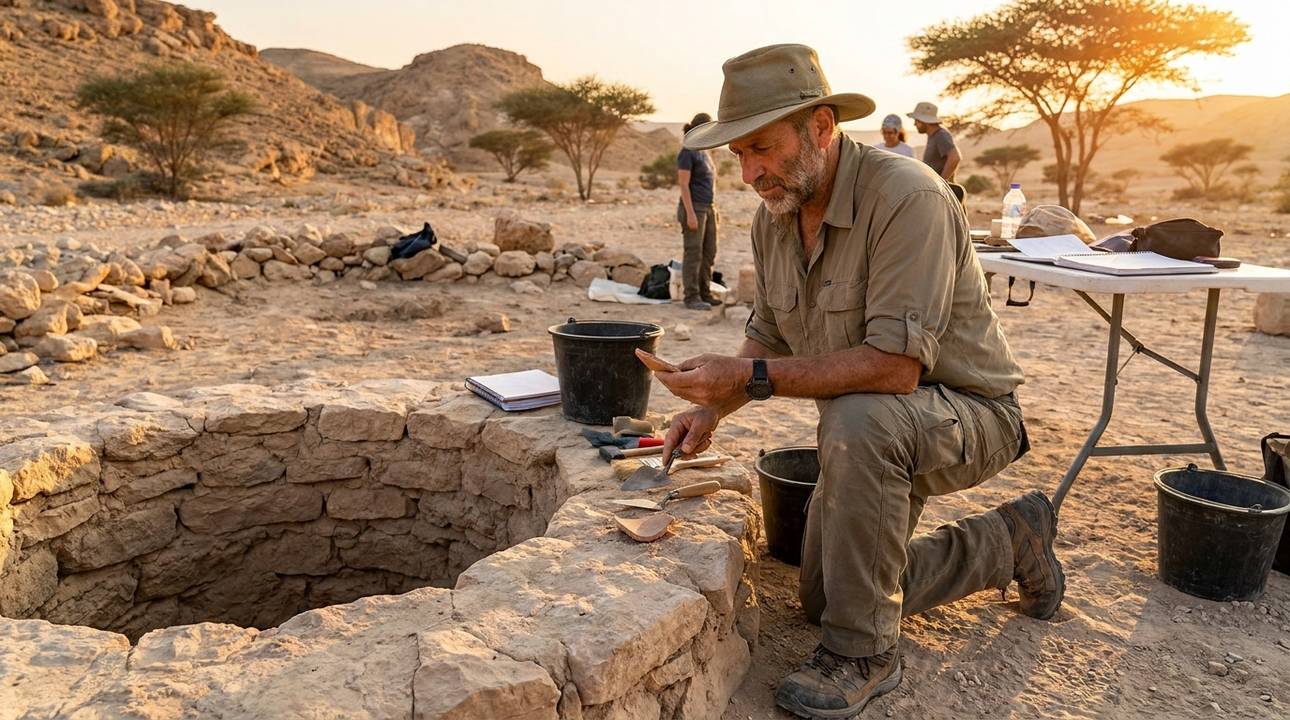
The Culture and History of Gerar
Gerar’s cultural role extends beyond historical stories. It is considered a representative site of ancient Middle Eastern cultures, reflecting the diverse interactions in the region. The interactions between historical figures and local populations offer insights into cross-cultural exchanges. These narratives highlight the complexities and nuances of life in the ancient world, such as the alliances and conflicts detailed in historical accounts. They provide insights into events that shaped cultural development and understanding.
The alliances formed in Gerar, like agreements between significant figures and local leaders, illustrate the necessity of cooperation in a region marked by scarcity and competition. These agreements were vital for ensuring mutual survival and prosperity. These narratives provide a deeper appreciation for the intricate social dynamics of the time, where diplomacy and negotiation were as crucial as physical resources. Gerar’s history lies in its role as a bridge between different peoples and cultures.
In understanding its mythic and historic layers, Gerar serves as a model of adaptation. It symbolizes the adaptation required to survive in harsh environments, as seen in historical stories. The importance of water, alliances, and continued perseverance are central themes. Such elements resonate with themes found throughout historical narratives, connecting past events to present cultural understandings. Gerar’s legacy is one of endurance and adaptability, reflecting the broader narrative of survival and perseverance.
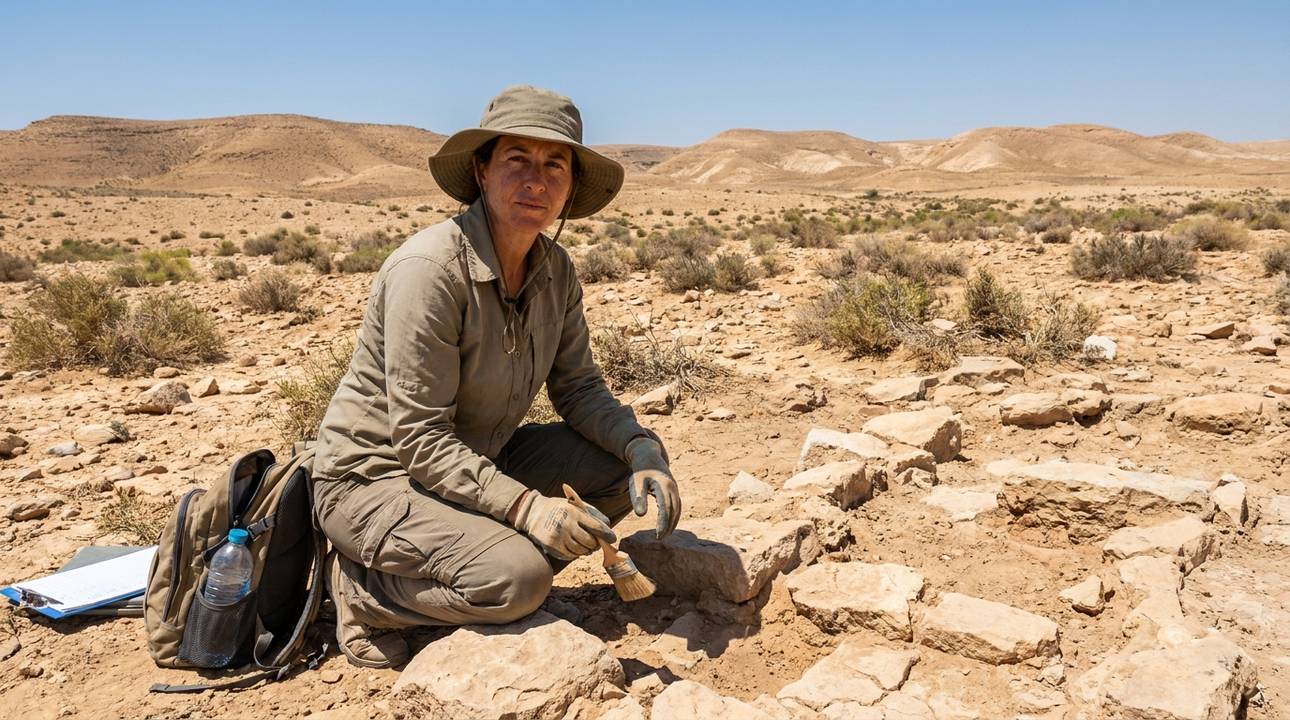
Gerar in the Present Day
Today, the Valley of Gerar holds historical importance rather than physical remains. Modern explorations aim to confirm its exact location and historical impact. Many believe it lies near present-day Tell Abu Hureyra. These efforts contribute to our understanding of ancient historical sites and their significance. Currently, study and exploration continue to reveal its secrets, showing the cultural and historical contexts of the era. Archaeological research helps piece together the life and times of the people who once inhabited this region.
The ongoing archaeological efforts in the region aim to uncover more about the daily lives and interactions of those who lived in Gerar. By studying artifacts and remnants, researchers hope to gain a clearer picture of the social and economic dynamics of the time. These discoveries not only enhance our understanding of Gerar’s historical role but also provide valuable lessons about the adaptability of ancient communities.
The valley serves as a symbol of historical significance and inspiring history. While much of its physical remnants are lost, its stories endure in historical texts. Connecting ancient narratives to present understandings enhances the significance of Gerar, offering a lens through which we view the past. Such bonds keep the cultural memory of places like Gerar alive, providing pathways to appreciate the complexities of history. The enduring stories of Gerar inspire reflection on the perseverance of those who lived there.
By preserving these narratives, we maintain a connection to the values and lessons of the past, ensuring that the wisdom of previous generations continues to guide us. The stories of Gerar remind us of the importance of perseverance and faith in overcoming challenges. These enduring tales encourage reflection on our own lives and the ways in which we can draw strength from the experiences of those who came before us.
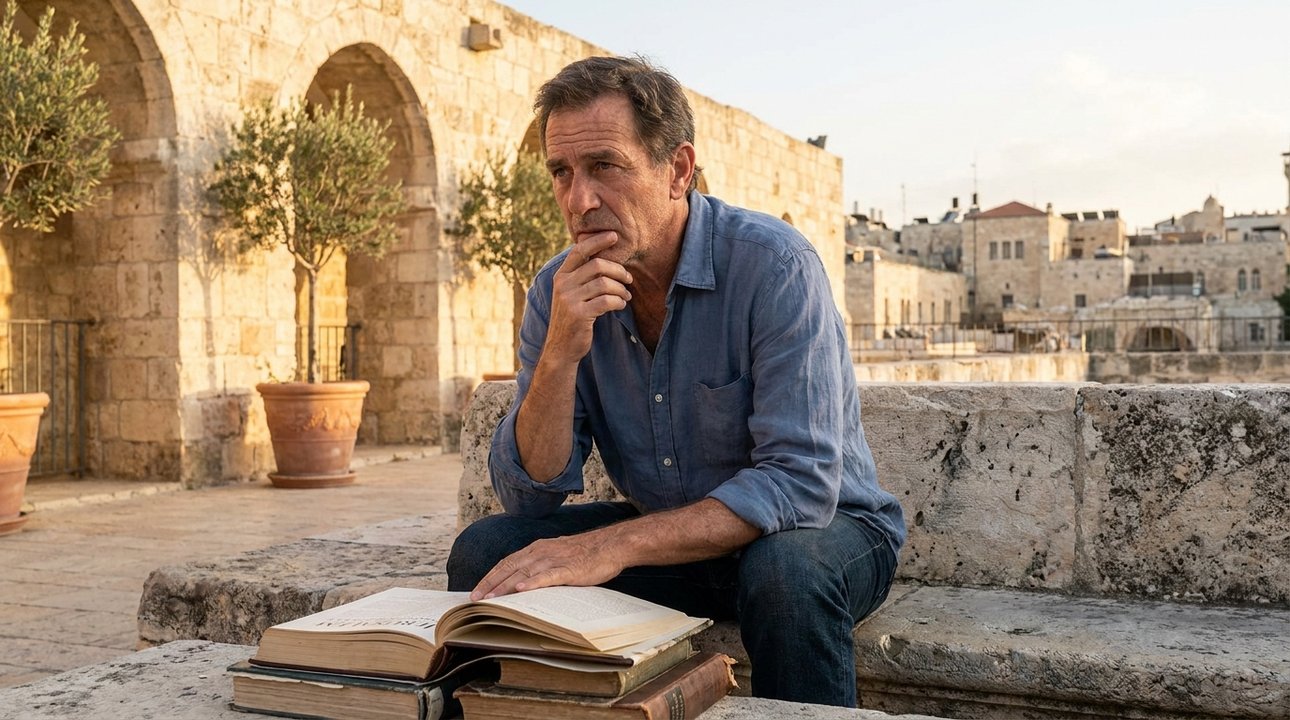
Conclusion: the Legacy of Gerar
In conclusion, the Valley of Gerar is a site with significant historical and cultural roles. The stories offer lessons in perseverance, as seen in historical accounts. Its geographical and cultural complexities add depth to our understanding. Today, Gerar remains a symbolic link to history, anchoring ancient narratives in modern reflection. Its stories are still remembered through exploration and appreciation of our shared past, reminding us of the legacy of these ancient events.
The lessons from Gerar, such as the importance of cooperation and adaptability, remain relevant today, encouraging us to reflect on our own lives and communities. Exploring these narratives provides insight into the values that have shaped human history. The Valley of Gerar, with its mix of stories, continues to be a source of inspiration and learning, inviting us to connect with the past and draw wisdom for the future.
Understanding the Valley of Gerar
