
Exploring the history of the Valley of Salt


The Valley of Salt is a significant yet often overlooked location in history. It is primarily mentioned in the context of battles fought by the leaders of Israel and Judah.
For example, a notable victory over the Edomites here was crucial for consolidating control.
This article explores its historical and geographical relevance, offering a comprehensive understanding of its role in shaping the narrative and its lasting impact on the region.
Where Is the Valley of Salt?
Located in the southern region of Israel near the Dead Sea, this area is known for its high salinity. It is characterized by a harsh, arid landscape typical of the Judean Desert, which stretches across southern Israel and the West Bank.
Its geographical positioning made it a key area for military engagements and strategic control. Historical battles underscore its significance in regional power dynamics.
from the Western Wall to Masada.

Historical References in the Bible
This location is noted as the site of a major victory over the Edomites, significant in consolidating control over the region.
The battle here is also referenced in the context of the victories of leaders of Judah, illustrating its continued military importance. These victories showcase its role in shaping the political landscape of the region.
Strategic Importance of the Valley
This area was pivotal in ancient military strategies due to its strategic location. It served as a natural barrier and a controlled passage for armies entering or exiting the Judean Desert.
This strategic advantage made it a hotspot for numerous historical battles, impacting control dynamics in the region.
For instance, a victory over the Edomites highlights its critical importance in military campaigns of the time.
Geological Features
known for its distinct geological characteristics, such as vast salt deposits and rugged terrain, this area is not only responsible for its name but has also shaped both the ecology and historical interactions in the area. Its stark landscape, with its barren beauty, has long attracted both ancient and modern explorers. Geologists and historians are particularly drawn to study its natural and history, seeking to understand how these features influenced past civilizations.
The salt formations found here are remnants of ancient seas, providing a unique ecological niche that has persisted through millennia. This environment has influenced the types of flora and fauna that can survive in such harsh conditions.
Its geology tells a story of natural history and human adaptation, as communities have historically learned to thrive in this challenging environment.
The salt deposits here are remnants of ancient seas that once covered the area, creating a unique ecological niche. This environment has shaped the flora and fauna adapted to survive in such conditions.
Its geology not only tells a story of natural history but also of human adaptation and survival in challenging environments. Salt-tolerant shrubs and animals that have adapted to this harsh setting illustrate the endurance of life here.

The Valley in Modern Context
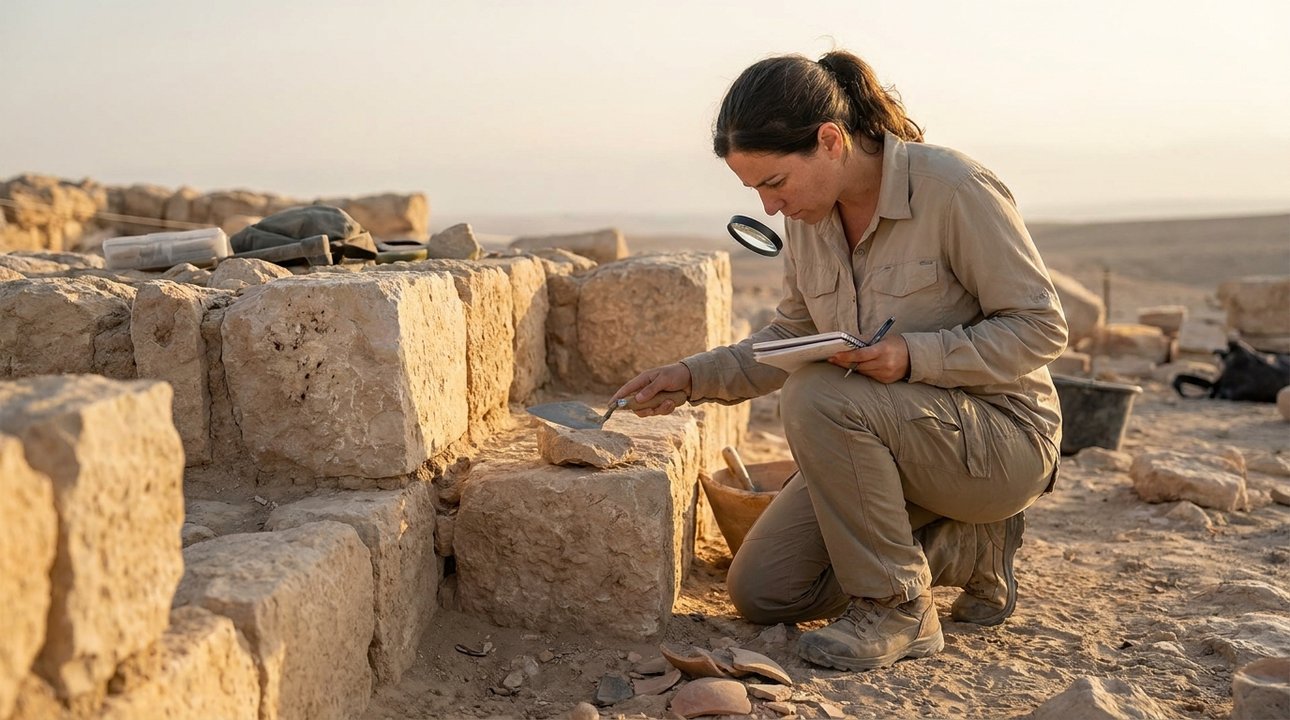
Today, this area is recognized for its historical and archaeological significance. It continues to be studied for insights into ancient battle strategies and desert survival, with researchers examining how ancient peoples navigated and thrived in such an arid landscape.
Modern researchers explore it to understand its role in the broader narrative of the ancient Near East, showcasing its lasting importance in history and its lessons on adaptation.
Its archaeological sites offer a window into the past, revealing how early societies interacted with their environment and each other. Studies focus on its strategic importance in regional conflicts and its role in trade routes.
Artifacts found here, such as weapons and trade goods, shed light on the economic and military activities that took place in this strategic location, underscoring its significance in understanding the history of the Near East.
from the Western Wall to Masada.
Cultural Impact
Beyond its military significance, this location has influenced cultural narratives. It serves as a symbol of victory and perseverance, marking the perseverance of the region, as seen in historical triumphs. This enduring cultural motif highlights its role as more than just a geographical location. It stands as a cornerstone of identity and heritage, deeply embedded in the shared history of the people, inspiring those who study its history and symbolism.
Its symbolism extends to its representation of overcoming adversity, a theme prevalent in many historical stories. The harsh environment mirrors the challenges faced by the people, reinforcing the narrative of perseverance and support.
This area remains a powerful symbol in history, embodying the struggles and triumphs of a people. This symbolism is reflected in historical victories, where it serves as a backdrop for overcoming formidable challenges.
The Valley’s Role in Historical Warfare
Historical narratives of warfare here highlight its importance as a site of conflict and power consolidation. Victories reflect strategic foresight and military strength by the leaders of the region. Its role in these events underscores its strategic significance in the broader narrative of the region’s rise as a power. These accounts serve as a sign of the tactical achievements recorded in history, showcasing its role in shaping the region’s military legacy.
The victories achieved here were not only military but also symbolic, representing the triumph of leadership. These accounts contribute to our understanding of how the region viewed its territorial expansions and military successes. Its history is a reminder of the complex interplay between geography and power in the ancient Near East. Such victories are chronicled in various historical texts, emphasizing its role in the region’s historical narrative and its legacy.
Archaeological Discoveries
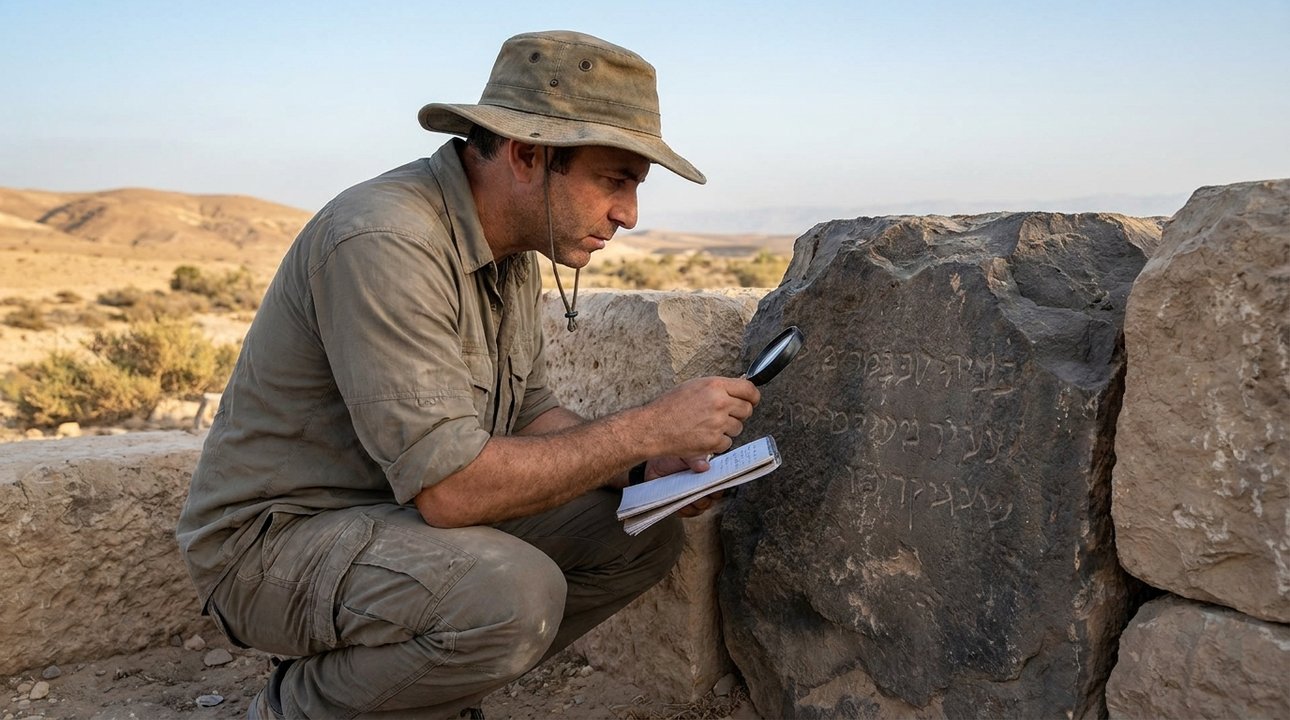
Modern archaeology has uncovered artifacts such as pottery and tools that date back to the periods when this area was an active battleground. These findings provide tangible evidence of its historical role in ancient conflicts. Such discoveries continue to enrich our understanding of life and warfare during historical times, showing the daily lives of soldiers and the logistics of ancient warfare. These artifacts also illustrate the cultural exchanges that occurred through trade and conflict in this region.
Excavations have revealed items dating back to the Iron Age, around 1200-586 BCE, a period marked by significant historical events. These artifacts help historians piece together its past, illustrating its role as a site where cultures and armies clashed. Among the discoveries are pottery and tools, which offer insights into the daily lives of those who once inhabited or passed through this region, highlighting its importance in understanding the history of the area.
Conclusion
In summary, this location holds a place of significant importance, serving as a symbol of struggle, triumph, and perseverance. Its strategic location, unique geography, and history make it a vital part of understanding history. Through ongoing research and exploration, it continues to offer valuable insights into the past, shaping the narrative within the broader scope of the region. Its legacy endures as a sign of the enduring spirit of the people who once called this region home.
Common Questions about the Valley of Salt
