
Discover the Significance of the Valley of the Travelers

The Valley of the Travelers is a site of historical interest, providing us with a unique glimpse into ancient geography. This location is shrouded in mystery, worth exploring for its unique past. Scholars suggest it may be near the Dead Sea, a region known for its connections to significant events.
__INTRO__ The Dead Sea area has been a backdrop for many historical events, adding to the mystique and depth of this significant site. The Valley’s association with themes of judgment and victory over chaos reflects broader historical narratives, where places often symbolize deeper truths.
from the Western Wall to Masada.
What Is the Valley of the Travelers?
This area is highlighted as a significant site in historical narratives. The description indicates a place for defeated invaders, marking a moment of victory. This location serves as a dramatic backdrop for these narratives, emphasizing themes of judgment and restoration. Understanding its role enhances our appreciation of the text and offers insights into the values and beliefs held by people of the past. The narrative of defeat highlights the belief in justice and the eventual triumph of good over evil. These narratives, with their powerful messages, continue to resonate, offering hope and assurance of intervention in times of trouble.

Where Is the Valley of the Travelers Located?
Geographically, this site is set in the broader context of the Arabah, a region spanning the territory between the Dead Sea and the Gulf of Aqaba. This area is characterized by its rugged landscape and history. The exact location remains speculative, with scholars examining geographical and textual clues. The Arabah’s history of trade and movement makes it a fitting setting for a narrative about travelers and armies. The Arabah has been a corridor for trade and migration throughout history, connecting different cultures and peoples. This historical role enhances the symbolic meaning of this place as a site of passage and transformation. The rugged terrain of the Arabah, with its harsh climate and challenging landscapes, adds to the dramatic backdrop of the narratives associated with the area. The connection to the Arabah underscores the strategic importance of this area in historical times. It was a significant trade route, facilitating exchanges between various cultures. It is a place where paths crossed, populations converged, and histories unfolded. While many theories exist, the precise identification of the location is less crucial than its role in the story conveyed, highlighting themes of justice and resolution. The Arabah’s role as a trade route is supported by archaeological findings, such as those at the ancient copper mines of Timna, which demonstrate the area’s history. Within this context, the site becomes a symbol of the intersection between human endeavors and larger plans, a recurring theme in historical narratives.
Historical Context of the Valley of the Travelers
This narrative forms part of a larger prophecy concerning the fate of opposing forces. The valley symbolizes intervention and triumph over chaos. Vivid imagery paints a scene of ultimate victory and cleansing, reflecting the hopes and fears of the people at the time. This prophecy reassured those who lived in fear of foreign invasions. The burial ground is described as a place where the invaders would be buried, preventing them from causing further harm. This imagery of finality and peace is echoed in other texts, serving as a powerful reminder of the belief in justice and the eventual triumph of order over chaos. Such prophecies served to reassure those living in turbulent times, affirming that justice and peace would eventually prevail. This place is seen as a site of final reckoning for opposing forces, symbolizing ultimate justice. The story illustrates the deeply held belief in justice and the eventual restoration of order. This narrative offers hope, much like assurances given in other historical contexts. The prophecy of Gog’s defeat provided comfort to those who feared the chaos of invasion and war. It reinforced the belief that divine justice would ultimately prevail, bringing peace and stability. This theme of divine intervention and justice is a recurring motif in the Bible, as seen in the story of David’s triumph over Goliath in 1 Samuel 17, where faith and courage lead to victory.
from the Western Wall to Masada.

Archaeological Insights
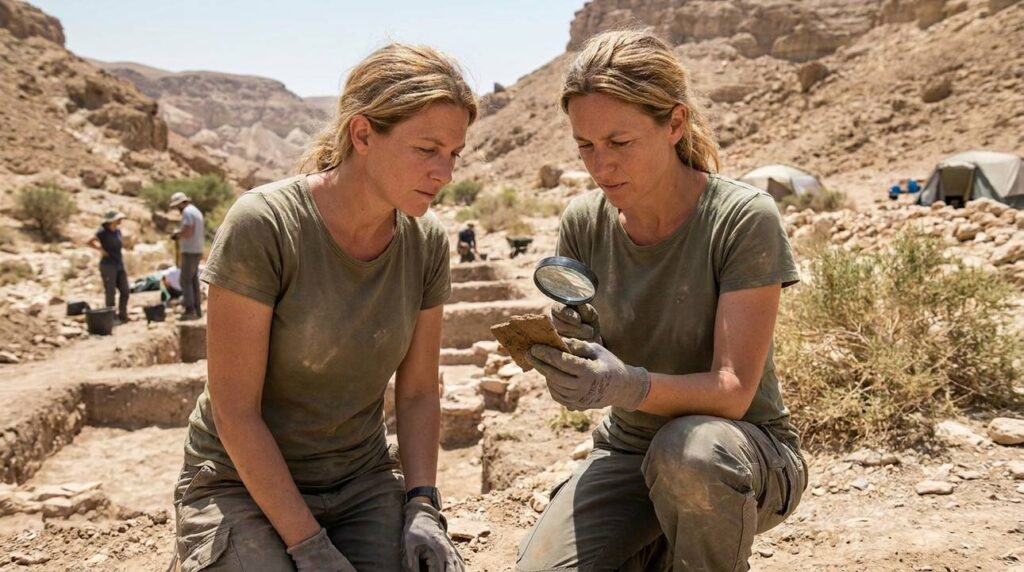
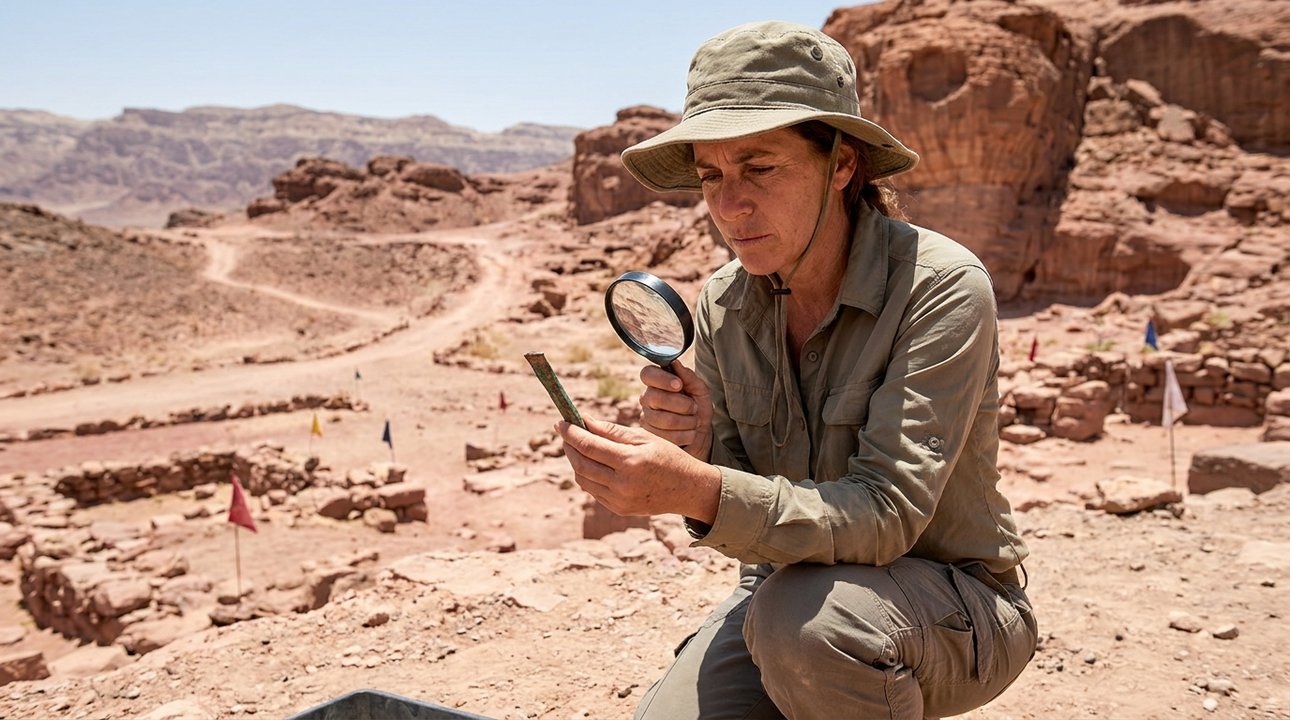
While the exact location remains uncertain, archaeological explorations in regions associated with the Arabah reveal artifacts that shed light on ancient life. Findings include pottery, inscriptions, and remnants of trade routes, enriching our understanding of the past. In particular, pottery fragments found in the area date back to the Iron Age, suggesting a thriving community involved in trade. Inscriptions discovered provide clues about the languages spoken and the cultural exchanges that took place. These discoveries offer glimpses into the daily lives, interactions, and conflicts of the region’s inhabitants. For example, inscriptions in Aramaic and Hebrew indicate the presence of diverse groups interacting in the area. The remnants of trade routes suggest that this site was a key point in the network connecting the Levant with Arabia. This aligns with historical accounts of the Arabah as a vital corridor for trade and communication. Archaeological research continues to piece together the historical puzzle, revealing layers of civilization in the broader context of the valley. Excavations in regions like the Negev have uncovered artifacts dating back to the Iron Age, providing context for its significance. These insights contribute to a fuller picture of the area’s potential significance, suggesting it may have been a site of ancient trade routes or settlements. The Negev region, with its strategic location and historical connections, offers a mix of human history. Artifacts found here, such as tools and pottery, indicate a culture that interacted with neighboring regions. This place, as part of this landscape, adds depth to our understanding of ancient societies and their interactions, reflecting the dynamic nature of history.

Cultural References and Historical Perspectives
This location is more than a physical place; it carries cultural resonance as a symbol of transformation. Throughout history, it has inspired interpretations centered on themes of redemption and victory. Its narrative plays a vital role in the larger context of cultural memory, much like other stories of triumph over adversity. Such stories offer valuable insights into how ancient societies understood their world and their destiny. This site serves as a symbol of intervention and justice. Its symbolism persists as a reminder of enduring themes in human experience, such as the struggle between good and evil, and the hope for a future where justice prevails. These narratives continue to resonate, offering lessons on perseverance and hope. The themes of justice and intervention echo throughout historical literature, where courage and determination lead to the salvation of people. These stories, with their timeless messages, are still remembered and guide, reminding us of the power of hope and the promise of justice.

Modern Interpretations and Legacy
Today, this site can still inspire reflections on justice, peace, and the triumph of good over adversity. The themes resonate with the messages found in historical texts, which speak of protection and justice. While the exact site may not be known, its message remains relevant. For those studying historical narratives, it serves as a thought-provoking catalyst for discussions about prophecy, geopolitics, and humanity’s timeless quest for meaning. In understanding its impact, we recognize the power of stories to shape cultural identities and personal reflections. This place, for example, is a sign of how historical narratives influence cultural memory and identity. It continues to be a symbol that provokes thought and dialogue across generations. Its themes of justice and redemption are echoed in stories of transformation and triumph. The story of transformation and rising to power mirrors the themes of redemption and justice found in this location. Such narratives offer hope and inspiration, reminding us of the human spirit. These stories continue to resonate, providing lessons on perseverance and the belief in eventual justice.
