
Discovering the Significance of the Waters of Merom


The Waters of Merom hold significant historical value. This location is mentioned in ancient texts as the site of an important clash. This site was the backdrop for a key battle, influencing the history and geography of the area. The victory at Merom was crucial in the Israelites’ efforts to establish themselves in the region.
In this article, we will explore the role of Merom in history, its geographical features, and cultural significance. The conflict at Merom is not merely a tale of military strategy but also a story of perseverance. Understanding the context of this event helps us appreciate the challenges faced and the significance of their achievements. Merom remains a symbol of strategic importance in the historical narrative.
from the Western Wall to Masada.

What Are the Waters of Merom?
Also known as Lake Hula, Merom was a strategic location in the region. Mentioned in historical texts, it was the site of a decisive battle. This body of water, originally a marshy area, acted as a natural barrier and was crucial in the military strategies of the time. It provided a unique geographical edge to the forces familiar with the terrain.
Where Are the Waters of Merom Located?
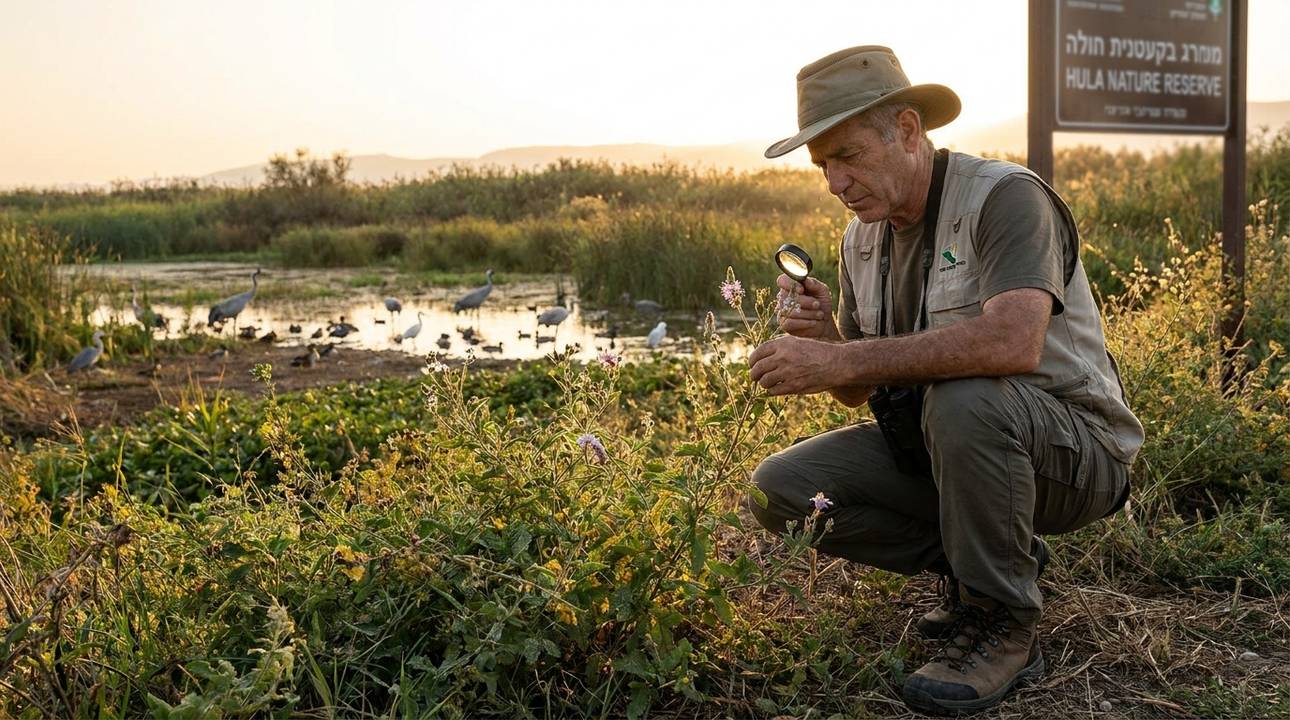
Merom is located in the northern part, historically significant for various civilizations. The region was part of ancient trade routes, connecting different parts of the Near East. Today, the region around Merom includes the Hula Valley, an important ecological zone known for its biodiversity and conservation efforts. The Hula Valley serves as a crucial stopover for migratory birds.
The strategic location of Merom made it a valuable asset for early societies. Its fertile land supported agriculture, while its position along trade routes facilitated cultural exchanges and economic prosperity. The Hula Valley’s ecological significance continues to be recognized today, with conservation efforts aimed at preserving its unique biodiversity. The valley’s role as a haven for wildlife and migratory birds highlights its importance as a natural sanctuary.
Historically, the area around Merom was inhabited by various peoples, who played a role in the historical narratives. The Hula Valley’s fertile land supported agriculture, which was vital for the sustenance of these early communities. Today, the valley’s biodiversity is protected through conservation projects, ensuring the preservation of its unique flora and fauna. This commitment to ecological conservation highlights the region’s ongoing importance and its role in supporting diverse ecosystems.
The Hula Valley, once a thriving agricultural hub, continues to be a focal point for ecological and cultural preservation. Efforts to maintain its biodiversity are crucial for sustaining the natural habitat and the species that depend on it. The valley’s history as a crossroads for early societies adds to its significance, making it a vital area for research and education. The preservation of this region serves as a reminder of the interconnectedness of history, culture, and nature.
Why Did the Battle of the Waters of Merom Happen?
The battle at Merom was a significant part of historical military campaigns. The unified armies of the north aimed to repel advances into the region. This confrontation was crucial because it signified a turning point in the control of the area. The defeat of the coalition at Merom demonstrated the effectiveness of leadership.
The strategic success at Merom showcased the ability to lead and inspire people. This was not just a military achievement but also a sign of determination. By overcoming the coalition, a foothold in the northern regions was secured. This victory was a key moment in their journey in the region.
The encounter at Merom also highlighted the strategic importance of controlling key geographical locations. By securing this area, significant advantage was gained in campaigns to settle the region. This historical event is a powerful reminder of the challenges faced and the resolve needed. The triumph at Merom was a turning point, allowing further advancement.
The strategic location of Merom, near the trade routes, made it a valuable asset for controlling movement in the region. This advantage was crucial for establishing a presence in the land. The successful campaign at Merom demonstrated effective leadership and the unity of the tribes. The battle is a sign of strategic prowess.
Cultural and Historical Significance
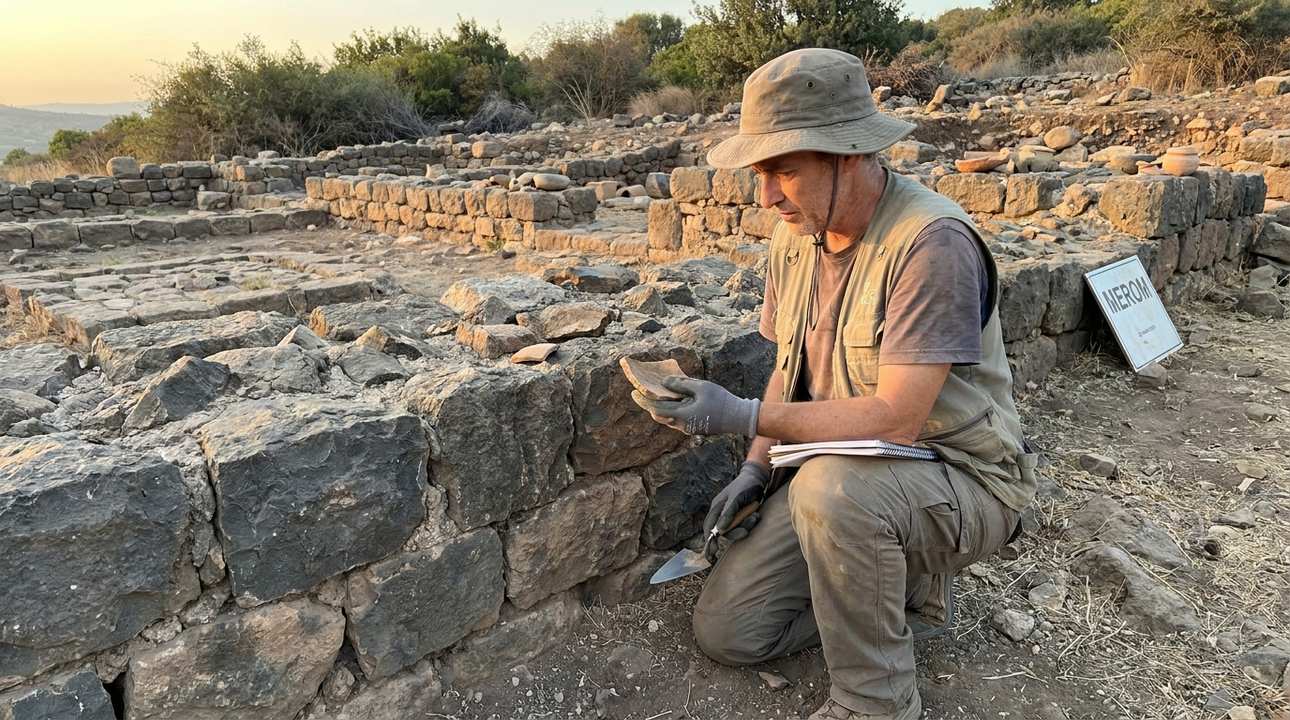
Besides its military importance, Merom is referenced in various cultural texts, showing life during that era. The site itself has been a point of interest for archaeologists and historians seeking to understand the broader historical context of the region. The biodiversity of the Hula Valley continues to attract researchers and nature enthusiasts today.
The cultural role of Merom extends beyond its historical references. The region’s rich natural resources supported diverse communities and fostered a unique cultural landscape. The lush environment provided sustenance and inspiration for the inhabitants, influencing their cultural practices and traditions. This connection between the land and its people is reflected in the historical narratives and archaeological findings that continue to intrigue scholars.
Modern-Day Understanding of Merom
Today, the site of Merom is part of the Hula Valley, which holds ecological importance. Efforts to drain and later restore the Hula Lake area have contributed to understanding its historical landscape. The restoration projects began in the 1990s, aiming to reverse the environmental damage caused by earlier drainage efforts. Preservation projects aim to maintain the natural beauty and ecological diversity, making the region an essential part of conservation efforts.
from the Western Wall to Masada.
The Hula Valley is now a thriving habitat for wildlife, attracting researchers and nature enthusiasts alike. The valley’s restoration has been a successful example of ecological conservation, balancing human needs with environmental preservation. The efforts to restore the Hula Valley have not only revived its natural ecosystems but also provided valuable insights into sustainable development practices. The region continues to be a beacon of hope for conservationists, demonstrating the positive impact of dedicated restoration efforts.
The restoration of the Hula Valley has also provided opportunities for education and research. Scientists and ecologists study the area’s unique ecosystems, gaining insights into the region’s natural history. These efforts have transformed the Hula Valley into a model for successful ecological restoration. The valley’s revival serves as a sign of the importance of balancing human activity with environmental preservation, ensuring that future generations can appreciate its natural wonders.
The educational initiatives in the Hula Valley focus on promoting awareness of ecological conservation and the importance of protecting natural habitats. Researchers work to understand the complex interactions within the ecosystem and the impact of human activities. These studies contribute to global knowledge on conservation practices and sustainable development. The Hula Valley’s transformation is a beacon of hope for ecological restoration efforts worldwide, demonstrating the positive outcomes of dedicated environmental stewardship.

Historical References to the Waters of Merom
Historical texts reference Merom in the context of campaigns. It is recorded that the armies assembled by the waters prior to their defeat. This event is pivotal as it marks a significant move towards settlement in the land. The gathering of the kings underscores the strategic importance of the location. The battle itself was a decisive victory, showcasing leadership and determination.
These references are crucial for understanding the strategic importance attributed to this location in historical narratives. Merom, located in the northern part, served as a key battleground that helped shape the future of the region. The victory at Merom allowed the Israelites to gain control over the area, furthering their mission to settle in the land. This battle is a sign of the history of the site and its role in the conquest narrative.
Archaeological Findings in the Region
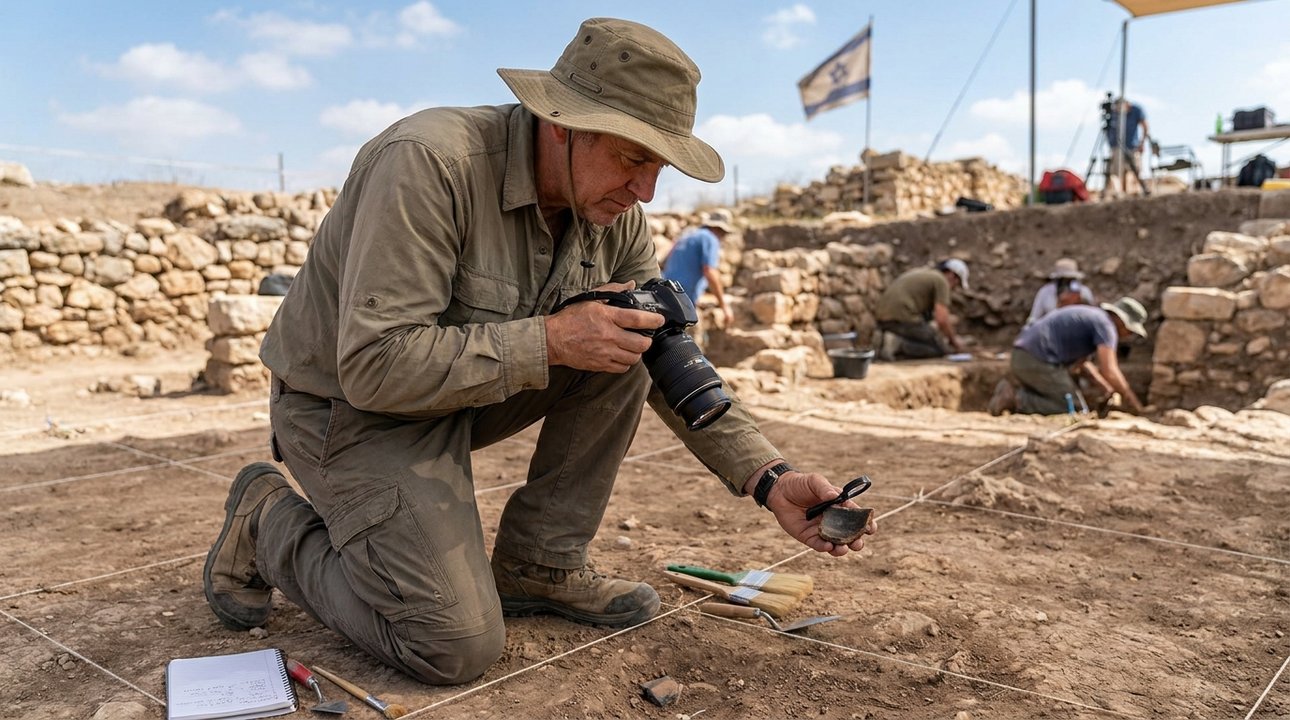
Although not extensively excavated, the region around Merom holds potential archaeological interest. Findings in nearby areas have revealed artifacts and remnants providing insight into the early societies that once inhabited these lands. For example, excavations at Hazor, a nearby city, have uncovered layers, offering a glimpse into the cultural and historical context of the era. These discoveries continue to shed light on the social and cultural aspects of the period.
These findings enhance our understanding of life during that time, revealing details about the daily lives, trade, and interactions of the people who lived there. The artifacts, such as pottery and tools, paint a picture of a community engaged in agriculture and trade. The region’s archaeological potential remains significant, as further excavations could uncover more about the interactions between different cultures and the impact of historical events on local societies.
Waters of Merom in Jewish Thought
In Jewish tradition, places like Merom play a substantial role in connecting communities to their heritage. The narratives surrounding such locations offer educational avenues about perseverance and identity. These stories are often shared during community gatherings and educational programs, emphasizing the importance of historical continuity. These stories continue to be shared within communities, helping maintain a connection to the land and its history. They serve as reminders of the determination of past generations.
Conclusion: the Legacy of Merom
Merom’s historical and cultural role continues to resonate within Jewish history and beyond. As a site of ancient battles and a symbol of nature’s endurance, it holds a unique place in historical narratives. The battle at Merom is a sign of the strategic military efforts of the Israelites. Exploring these waters today offers not just a glimpse into the past, but also an appreciation for the enduring spirit of the region.
Visitors can reflect on the historical events that shaped the landscape, gaining a deeper understanding of the challenges faced. The site serves as a reminder of the determination required to overcome adversity. Merom, with its history and natural beauty, is still remembered by those who visit. It stands as a sign of the legacy of the historical narratives and the timeless connection between the land and its people.
Historical Context
