
Understanding Meribah in the Bible


Meribah is a name that appears in historical texts at sites of significant trials and testing for the Israelites. It is first mentioned in ancient narratives, where the Israelites, facing thirst in the desert, quarrel with their leader.
This confrontation highlights moments of tension between the people and their leadership. In this exploration, we delve into what Meribah represents, its historical context, and its place in Jewish tradition.
The events at Meribah serve as a backdrop for understanding the challenges of leadership and perseverance.
The tale of Meribah is not solely about conflict but also about intervention and guidance. It highlights the importance of trust and obedience when facing adversity. In ancient narratives, the Israelites quarreled with their leader at Rephidim, demanding water.
Following instruction, the leader struck the rock, and water flowed. This act demonstrated care despite the people’s doubt. By examining these narratives, we gain a deeper appreciation for the perseverance required to navigate life’s trials.
from the Western Wall to Masada.

What Does Meribah Mean in the Bible?
Meribah means ‘quarreling,’ and it refers to two locations described in historical texts. It is found in both ancient narratives. Each incident captures an event of strife where the Israelites quarreled with their leader over the lack of water.
The first Meribah appears at Rephidim, where the leader strikes a rock to produce water. This location was later known as Massah and Meribah, illustrating the people’s ongoing struggle with faith and reliance on provision.
The second Meribah is located at Kadesh, where the leader was instructed to speak to the rock, but instead, he struck it. This act of disobedience resulted in severe consequences, barring him from entering the land.
These stories reflect the challenges of leadership and the need for trust and adherence to instructions, serving as powerful reminders of the importance of responsibility and the consequences of doubt and disobedience.
Why Is Meribah Important?
Meribah is crucial for understanding themes of responsibility and adherence. In a similar incident at Kadesh, the leader was instructed to speak to the rock. Instead, he struck it, leading to displeasure.
This event led to the leader and his companion being barred from entering the land, underscoring the gravity of their actions. These events highlight lessons about following instructions and facing consequences for disobedience, emphasizing the importance of trust.
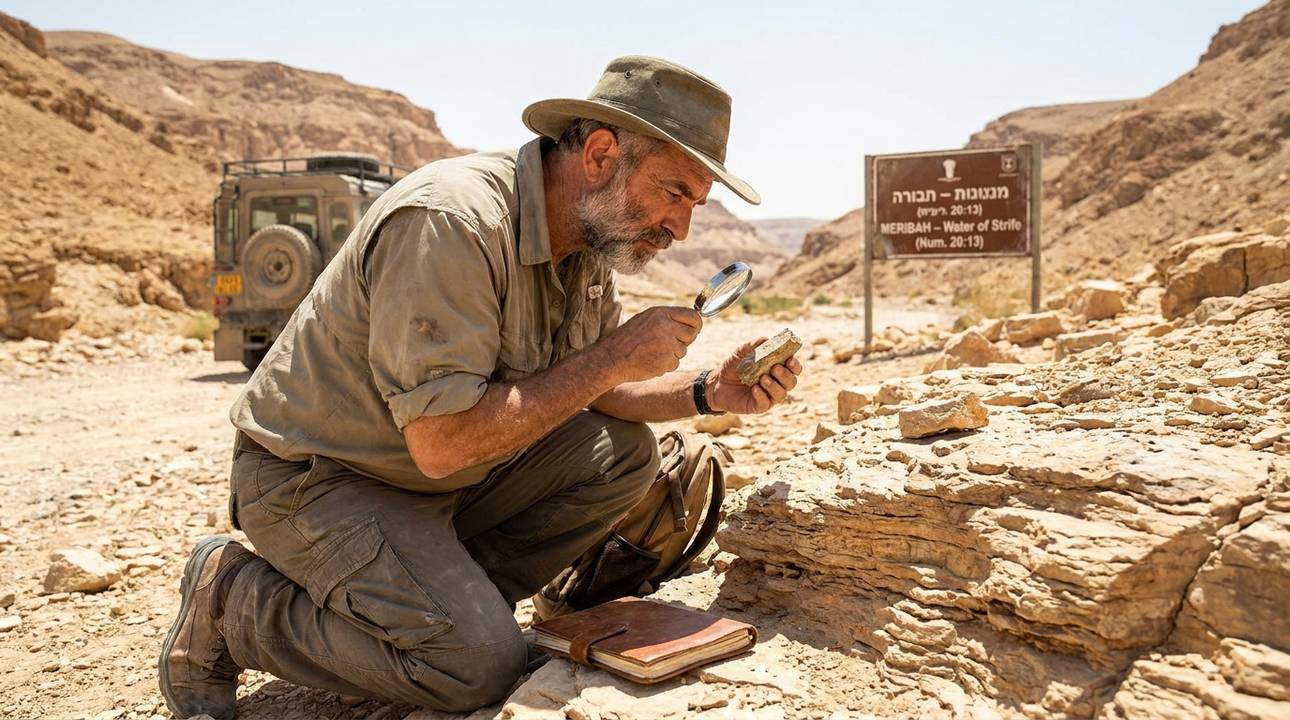
Meribah at Rephidim
The first Meribah at Rephidim is crucial. It marks the place where water was provided from a rock through the leader. Facing thirst, the Israelites quarreled with their leader, and he was instructed to strike the rock to produce water. This event highlighted dependency on provision and tested the community’s faith.
It serves as a powerful reminder of the need for trust and patience in times of need, emphasizing reliance on care.
The narrative emphasizes the significance of leadership and the challenges faced by those in authority. The leader’s actions at Meribah are often discussed in terms of adherence and the consequences of doubt. In ancient narratives, the leader was instructed to speak to the rock, but he struck it instead, leading to his exclusion from entering the land. This account is still remembered in discussions about responsibility and the role of guidance in our lives, highlighting the weight of leadership decisions.
The Lessons of Meribah
Meribah’s narratives teach about trust and leadership challenges. In both stories, the leader confronted complaints from the Israelites, and instructions offered guidance. The events at Meribah emphasize the importance of obedience to will, even for leaders.
In ancient narratives, the leader’s actions set a precedent for relying on provision. The people quarreled due to lack of water, and he was instructed to strike the rock, providing water and demonstrating care.
These moments are about responsibility, leadership, and accountability, illustrating how quickly circumstances can test a community’s resolve. The leader was told to speak to the rock, but he struck it instead, showing the difficulty of maintaining trust under pressure.
This disobedience resulted in the leader being barred from entering the land, highlighting the serious consequences of not following instructions, even for those in leadership positions.
The narrative shifts to Kadesh, a significant location in the Israelites’ journey. Here, the leader’s disobedience led to severe consequences, illustrating the weight of leadership responsibilities and the need for adherence to guidance.
This event occurred after the death of Miriam, adding emotional strain to the situation. These stories serve as reminders of the challenges leaders face in maintaining faith and integrity, especially when under pressure from their communities.
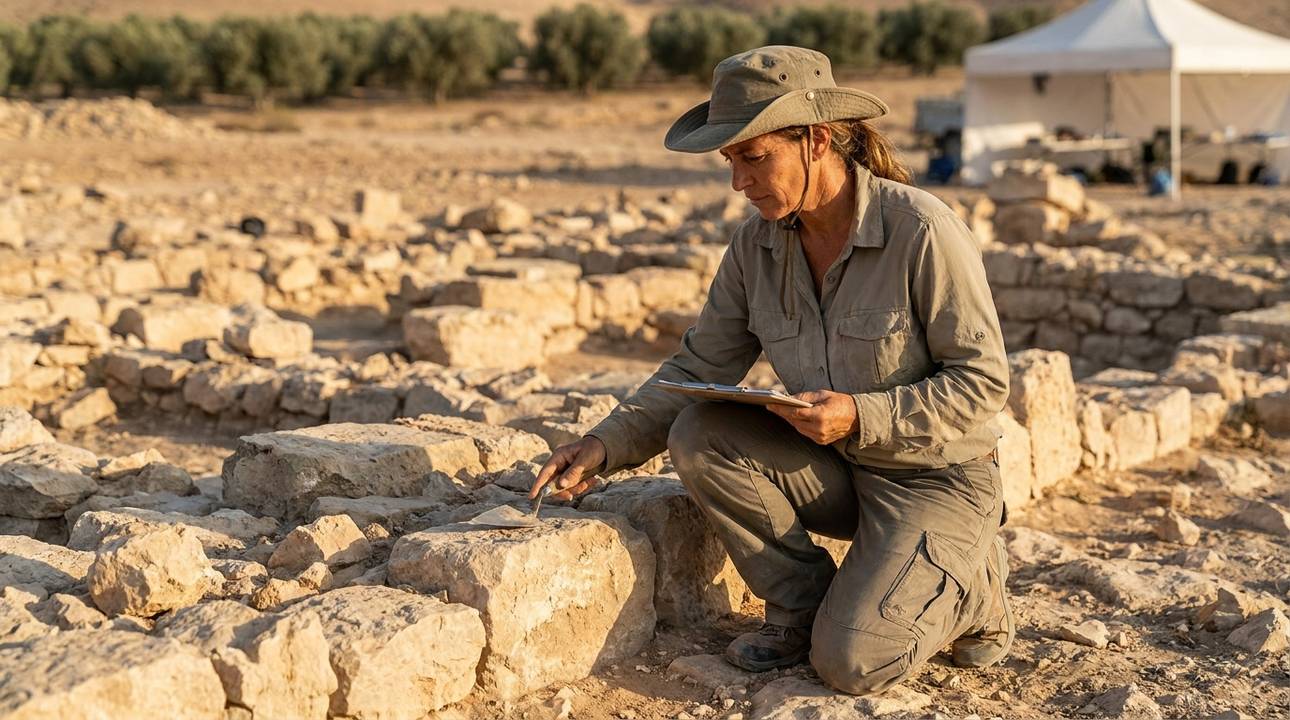
Reflections in Later Traditions
In later Jewish tradition, Meribah becomes a symbol. It represents both failure and divine patience, as seen in the Israelites’ repeated testing of their faith. References to Meribah can be found in Psalms, such as Psalm 95:8, which warns against hardening one’s heart as at Meribah.
These stories encourage reflection on communal struggles and the importance of maintaining faithfulness amidst challenges. They remind us of the need for patience and trust in difficult times, fostering resilience.
The symbolism of Meribah extends to personal and communal growth, urging individuals to learn from past mistakes. It serves as a reminder that even in moments of doubt, there is an opportunity for growth and renewal.
The events at Meribah emphasize the importance of adhering to instructions. By reflecting on these lessons, communities can strengthen their resolve and commitment to their values, fostering a culture of accountability and perseverance.
from the Western Wall to Masada.
Connection to Modern Identity
Today, Meribah resonates as a reminder of the need for perseverance and responsibility. It serves to inspire those who seek understanding of faith and perseverance. The lessons from Meribah are timeless, showing the complexities of human loyalty within narratives of growth and maturity. These accounts encourage individuals to remain steadfast in their beliefs and to take responsibility for their actions, even when faced with challenges, fostering a deeper connection to their values.
Meribah’s lessons continue to be relevant, showing the complexities of human loyalty within narratives of growth and maturity. By reflecting on the events at Meribah, we are reminded of the importance of maintaining faith and integrity, even in the face of adversity. This reflection helps us to better understand our own journeys, encouraging us to uphold our values and remain steadfast, drawing strength from the lessons of past generations and the enduring wisdom of these stories.

Meribah’s Impact on Jewish Law
Meribah influences Jewish thought, reminding scholars of human imperfection. This account is discussed in Talmudic literature, particularly in the context of leadership and the people’s response.
The Israelites’ complaints and the leader’s actions at Meribah are examined for their ethical implications. It emphasizes themes of judgment and forgiveness in discourse.
The narrative is used to explore the balance between justice and mercy, highlighting the consequences of human actions.
These reflections help shape understanding of ethical challenges and justice. By studying Meribah, scholars gain insights into the complexities of leadership and the expectations placed on those who guide others.
This account serves as a cautionary tale about the importance of faith and obedience. The consequences faced by the leader highlight the potential for redemption and the need for leaders to act with integrity and humility, even under pressure.
Meribah reminds us that leadership comes with great responsibility and that even leaders are not immune to the consequences of their actions. These narratives encourage reflection on the role of faith and obedience in leadership, emphasizing the need for accountability and the potential for growth through learning from past mistakes.
Cultural Resonance of Meribah
Beyond religious texts, Meribah occupies a space in cultural narratives. It represents struggles relevant to broader human experiences. Jewish literature and art reflect on these stories, portraying the struggle between divine guidance and human choice.
This theme is explored in various forms, from poetry to visual arts. This resonance has kept Meribah alive as a symbol of enduring challenges and possibilities. These accounts serve as a metaphor for the ongoing journey of faith and the quest for understanding.
The cultural impact of Meribah extends to discussions about morality and ethics, encouraging individuals to reflect on their own choices and actions. By examining these narratives, we gain insights into the human condition and the timeless nature of the challenges we face.
Meribah remains a powerful symbol of the complexities of life. The lessons on trust and leadership continue to resonate, reminding us of the need for integrity and the potential for growth through adversity.
Meribah’s narratives serve as a metaphor for the ongoing journey of faith and the quest for understanding. They encourage individuals to reflect on their own lives and the importance of making ethical choices, fostering a deeper connection to their values and beliefs.

Understanding Meribah
