Discovering the Significance of Rama in History


Rama appears frequently in historical texts, featuring prominently in passages and as the site of important events. This article delves into the geographic and historical context of this town, uncovering its significance in narratives. Its strategic location made it a focal point during various conflicts, including those involving the kingdoms of Israel and Judah.
What Is Rama?
Rama is a town that holds a significant place in several historical accounts. Located in the highlands of the current West Bank area, it has been linked to various events, such as the gathering of tribes for military campaigns. Often mentioned as a center of importance, it highlights its central role in society.
from the Western Wall to Masada.
Rama’s location in the central highlands made it a key site for communication and decision-making among the tribes. Its proximity to other significant locations, such as Bethel, further enhanced its strategic and cultural role. The town’s role in military and activities illustrates its multifaceted significance, serving as a hub for leadership and guidance.
The Geographic Location of Rama
Believed to have been situated near the modern-day city of Ramallah, Rama’s exact location varies in historical sources, but it is typically placed along the central plateau, an area of strategic importance. This region was known for its fertile lands and was a key area during various events. The central plateau served as a corridor for ancient trade routes, making it a significant location for both economic and military activities. Its proximity to Jerusalem further enhanced its strategic value.
The strategic location of Rama made it a vital point for controlling access to the central highlands and the surrounding regions. This made it a focal point in various historical conflicts and alliances. The area’s fertility and accessibility contributed to its importance as a center for agriculture and trade, supporting the livelihoods of its inhabitants and reinforcing its role as a place of gathering and decision-making.

Historical References to Rama
Rama is first noted in historical texts capturing the sorrow of Rachel, who is considered a matriarch, mourning for her descendants. This passage symbolizes loss and mourning connected to the Babylonian exile, a period in the 6th century BCE when many were forcibly taken to Babylon. The exile marked a significant moment of grief and longing for return, deeply impacting identity and culture.
The Babylonian exile was a pivotal event in history, leading to profound changes in practices and cultural identity. During this time, many began to emphasize the importance of maintaining their traditions in a foreign land. This era of exile and longing for return is echoed in other passages, which also express the deep yearning for restoration and the hope for eventual redemption.
Rama in the Book of Samuel
Rama is recorded as the hometown of Samuel in historical texts. According to records, Samuel was born in Ramathaim-Zophim, in the hill country of Ephraim, which is identified with Rama. It is cited as a place where Samuel judged and conducted ceremonies. Samuel’s connection to this town emphasizes its role in the life of the people, as he was a pivotal figure in transitioning from the period of judges to the establishment of monarchy.
Samuel’s influence in Rama is further highlighted where the elders gathered there to request a king, leading to the anointing of Saul. This marked a significant shift in governance. The association with such key events underscores its importance in the narrative, serving as a backdrop for critical developments in the nation’s history. Samuel’s leadership reflects its significance.
Rama’s Role in Hebrew Prophecy
Rama’s recognition in history extends to its role as a location where messages were delivered. Samuel, for instance, was connected to Rama, where he judged and built an altar. These messages often related to fate and impending challenges, affirming Rama’s importance as a place of communication and guidance. This connection underscores its importance in the landscape.
from the Western Wall to Masada.
In addition to Samuel, others also referenced Rama in their messages, further establishing its role as a site of activity. The town’s association with communication is evident in its frequent mention in contexts of guidance and judgment. Rama’s significance is reflected in its continued presence in texts, symbolizing a place where will and history intersected, shaping the course of the journey.
Archaeological Insights into Rama
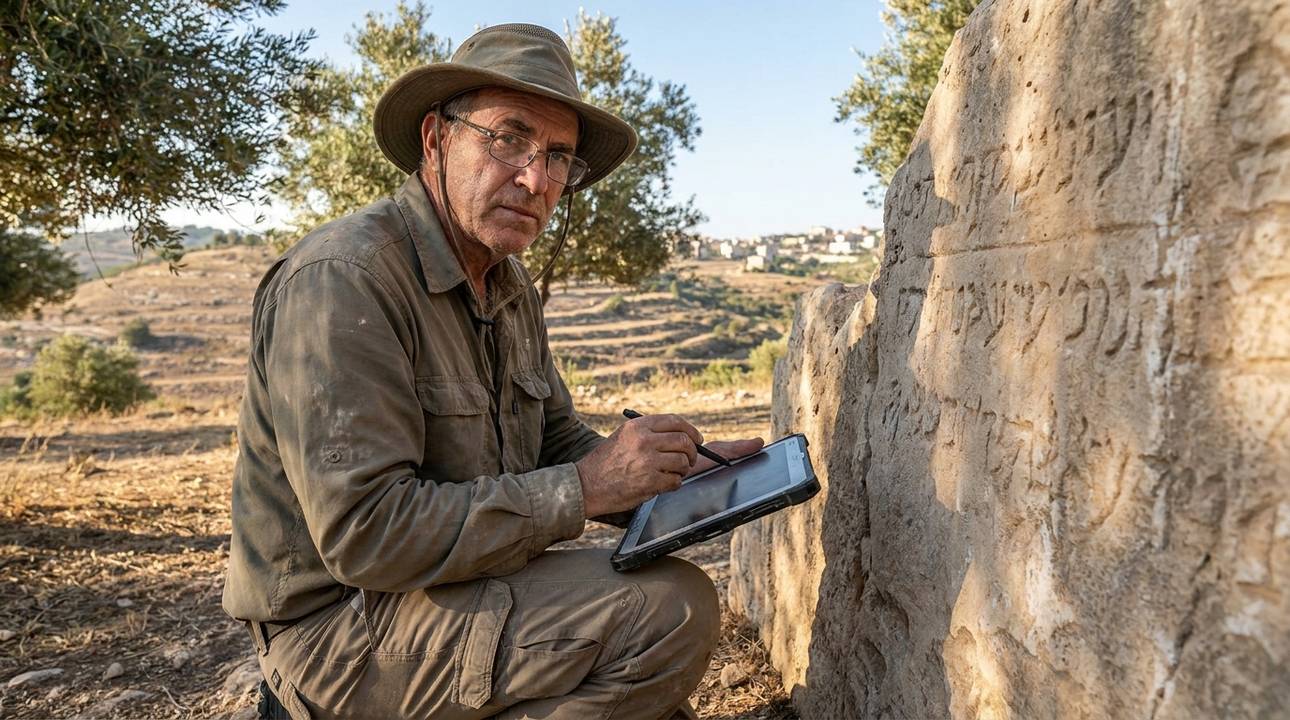
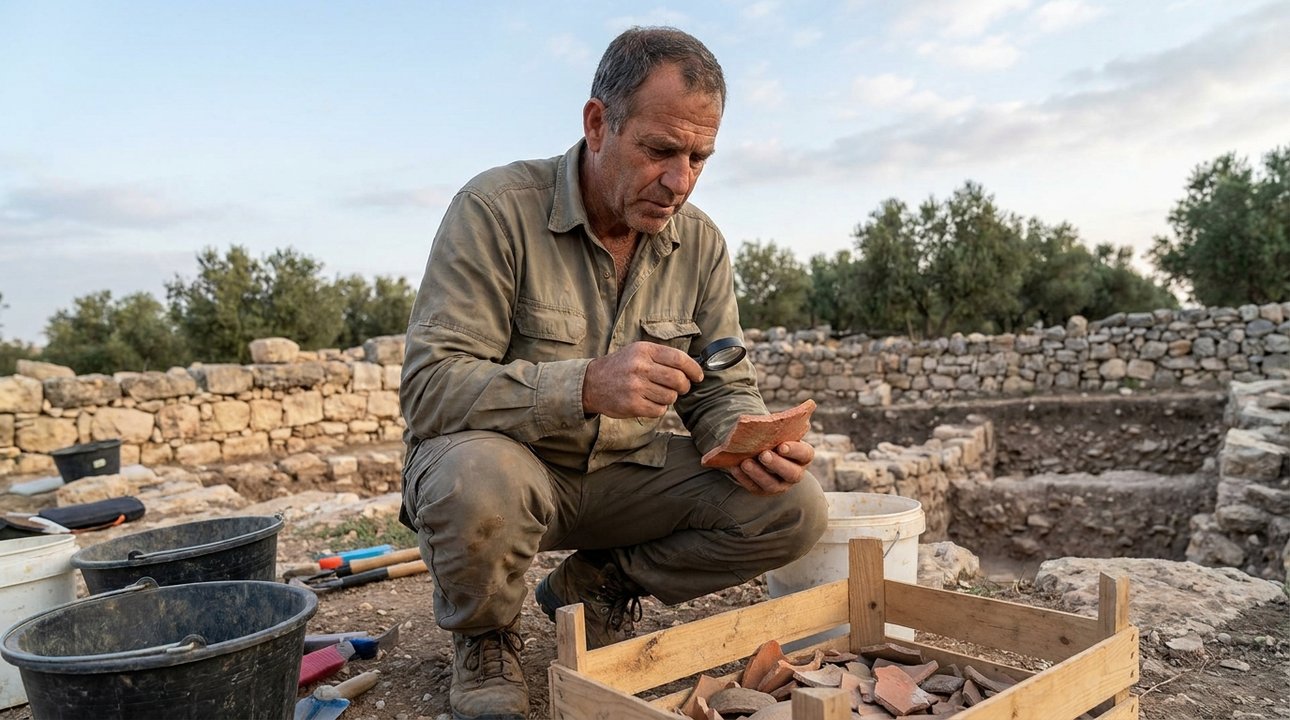
Archaeologists have investigated the area believed to be Rama, uncovering signs of ancient settlements and activity. Excavations at sites like Ramat Rahel have revealed artifacts such as pottery and inscriptions that offer glimpses into the region’s historical prominence. These findings help piece together the daily lives of those who lived there, providing a tangible connection to the narratives that mention Rama. The artifacts also suggest a cultural exchange with neighboring regions, reflecting its strategic importance.
Rama in Jewish Tradition
In tradition, Rama is often associated with memories of exile and return. The mention of this town in texts underscores themes of yearning and redemption, resonating with the broader narrative of hope and restoration. These themes reflect the people’s enduring connection to their land and the promise of eventual return, a central motif in their cultural history. The emotional depth of these messages is still remembered and guides thought and identity.
The association of Rama with exile and return is further emphasized in the context of the Babylonian exile, a period marked by profound loss and longing for restoration. This connection is reflected in the Jewish tradition of remembering and commemorating moments of displacement and hope for return, which are central to the shared history and identity of the Jewish people. These themes continue to resonate in contemporary Jewish culture and spirituality.
Rama Today
Today, the region around Rama continues to be of interest for its historical associations. Archaeologists and historians study the area to better understand its role in times and its impact on the surrounding regions. As discussions on archaeological findings and studies continue, Rama remains a focal point of interest for scholars and those interested in history. The ongoing research helps illuminate the lives of ancient inhabitants and their interactions with neighboring cultures.
Recent archaeological discoveries in the area have provided new insights into the daily lives and practices of those who lived in Rama. These findings contribute to a deeper understanding of the social and cultural dynamics of the region. The study of Rama and its surroundings continues to reveal connections between narratives and historical realities, offering valuable perspectives on the region’s significance in the broader context of history.
Conclusion: the Legacy of Rama
Rama’s enduring presence in texts highlights its importance within the spiritual landscape. It is mentioned in contexts that emphasize its role in history, such as in the stories of the judges and the prophets. Samuel is said to have returned to Rama, where he judged and built an altar. This illustrates Rama’s significance as a center for leadership and activity. Samuel’s connection to Rama enriches the appreciation of its role in narratives.
Understanding its historical context, including its connections to figures like Samuel, enriches the appreciation of its role in narratives, showing the cultural dynamics. Rama’s mention in texts further underscores its symbolic role in conveying messages of hope and redemption. These references collectively highlight Rama’s multifaceted significance in tradition.
Historical Insights