
Exploring the Valley of Achor in Historical Context


The Valley of Achor holds a unique place in historical narrative as a location of transformation and renewal. Situated in the region allocated to the tribe of Judah, it is introduced in the Book of Joshua as a place of both punishment and hope. This duality reflects the broader themes of justice and mercy found throughout historical texts. Understanding its significance requires a dive into its history and stories woven into the fabric of Israel’s heritage, showing the challenges and triumphs faced by the people of the region. Achor’s story is one of redemption, where initial despair gives way to renewed purpose.
The narrative of Achan, whose disobedience led to Achor’s association with trouble, serves as a cautionary tale within historical tradition. Yet, the eventual restoration of fortunes highlights the potential for growth and renewal, themes that are still remembered and resonate with readers today.
from the Western Wall to Masada.

Where Is the Valley of Achor Mentioned in the Bible?
Achor is first mentioned in the Book of Joshua, where it is associated with the story of Achan. Achan’s act of disobedience leads to his punishment in this very place.
This event marks Achor as a place of consequence but also as a symbol of purification for the people of Israel. The echo of this narrative continues in prophetic writings, showcasing its layered significance beyond just a physical landmark.
Beyond its historical roots, the name ‘Achor’ means trouble, fitting its early narrative role. Traditionally understood to be located near Jericho, in the region allotted to the tribe of Judah, this area was significant in history, serving as a backdrop for pivotal events.
Thus, it served as a geographical reference connected to Israel’s broader territorial landscape depicted in historical texts, marking a place of both historical events and lessons. Achor’s name reflects its association with the story of Achan, whose actions brought trouble to Israel.
Geographic Significance of the Valley of Achor
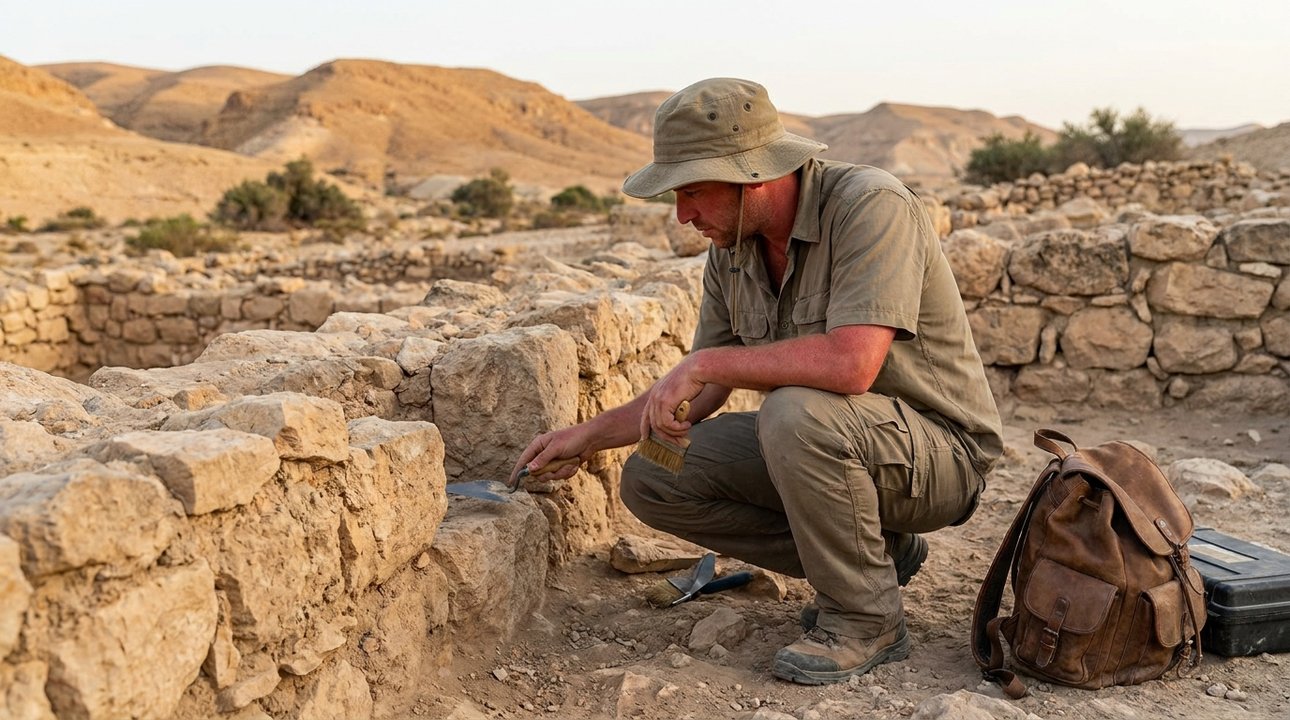
Geographically, Achor is believed to be situated near Jericho’s plains, marking an area characterized by desert landscape. Its location was strategic, lying along ancient trade routes and serving as a boundary marker within the tribal territories of Israel. These routes facilitated commerce and cultural exchange, contributing to Achor’s history. Assuming an agricultural past, the area’s topographical features likely supported seasonal farming activities, contributing to its regional importance in historical contexts. The fertile soil near the Jordan River would have been ideal for crops, supporting local communities.
Achor’s strategic position also made it a point of convergence for various tribes, influencing the social and political dynamics of the region. Its proximity to key locations like Jericho and the Jordan River further underscores its importance in the ancient world, as these areas were central to many historical events and narratives.
Its significance as a border area highlights the intersection between various cultural and tribal influences within the land of Israel. Achor’s proximity to Jericho underscores its strategic importance. This location served as a pivotal point in the region.
Being near the site of Jericho, it bridged Jerusalem’s vicinity with other key regions, making it crucial to understanding the historical narratives tied to the territory and the movement of peoples. Achor’s role as a boundary marker reflects its importance in the territorial organization of the area.
Achor’s strategic location facilitated interactions between different tribes and cultures, influencing the region’s social and political landscape. Its role in the narrative as a place of transition and transformation further enhances its history, showing the dynamics of the society.
Archaeology and the Valley of Achor
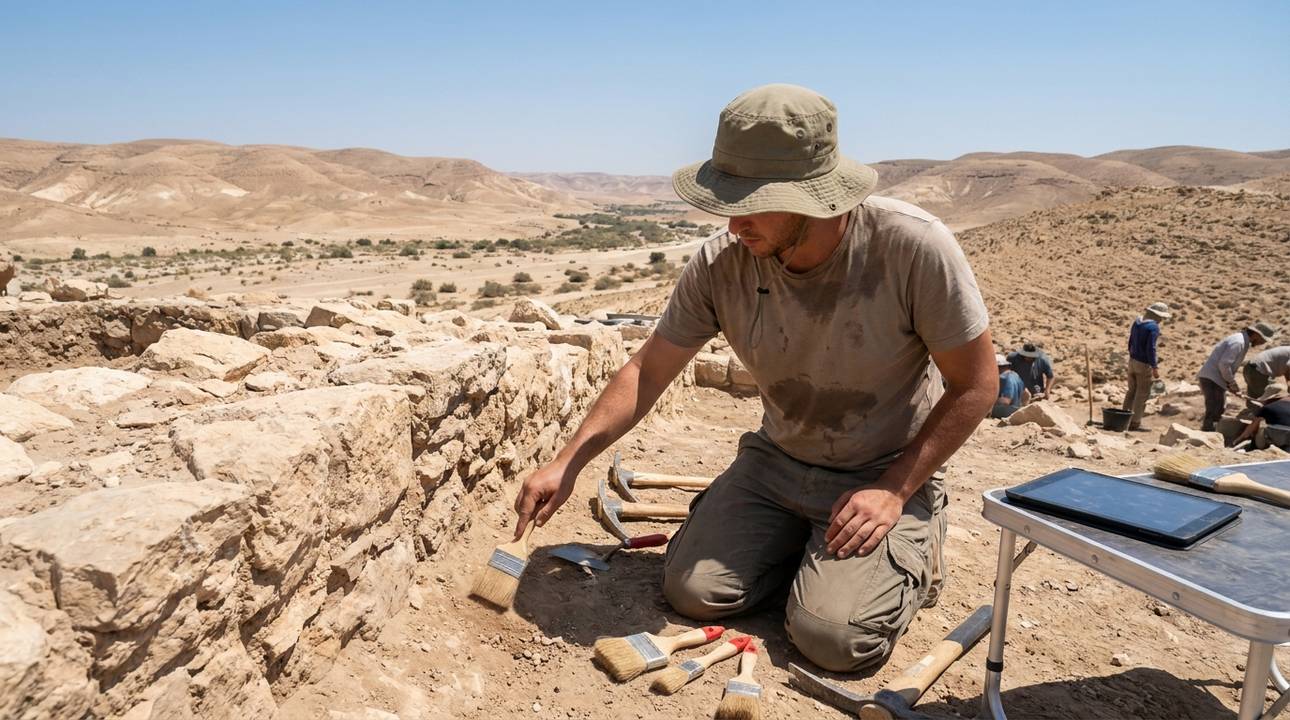
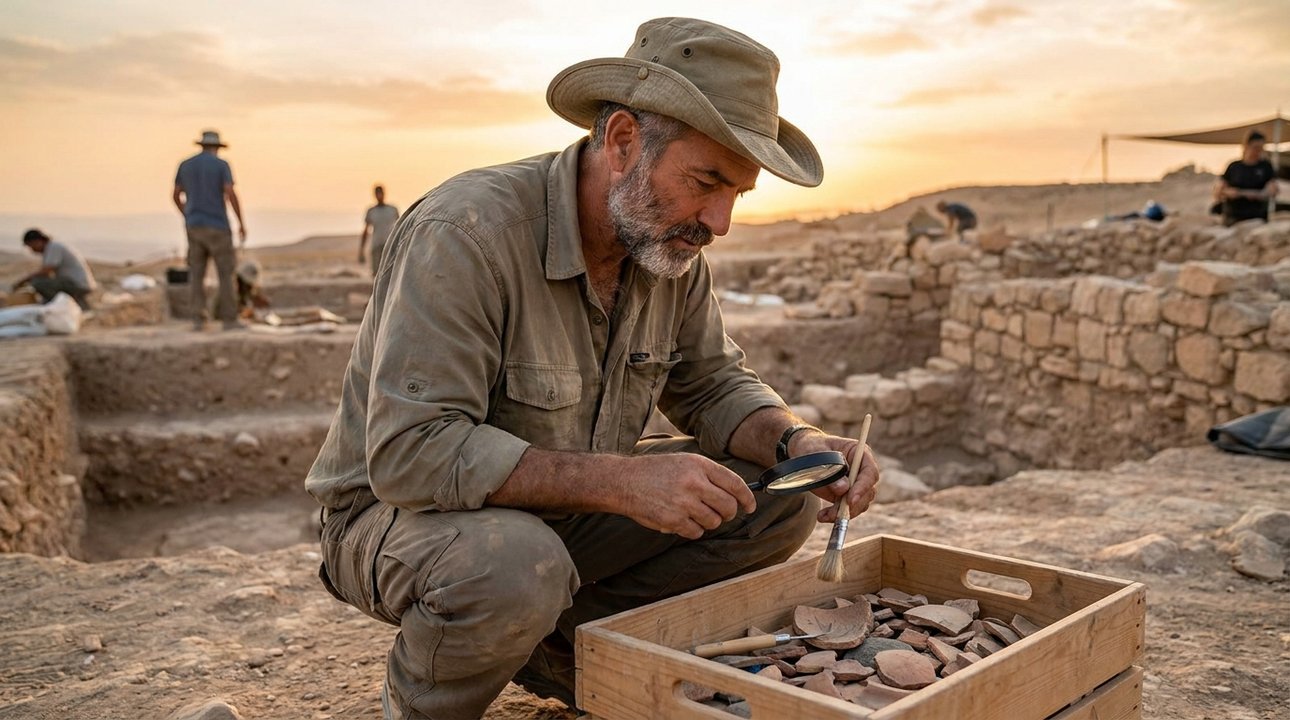
Archaeological pursuits in the region near Jericho provide insights into what Achor might have represented in earlier times. Excavations indicate possible remnants of past settlements or agricultural usage. For instance, pottery shards and ancient tools unearthed in the area suggest a once-thriving community.
However, the exact location remains subject to scholarly debate as archaeological evidence provides limited direct confirmation.
Despite these findings, the precise identification of Achor continues to elude researchers. The lack of definitive artifacts directly linking to the narrative leaves room for interpretation. This ongoing mystery fuels further archaeological interest, as each discovery potentially brings us closer to understanding the lives of those who once inhabited this enigmatic region.
Studies continue to explore the potential finds in the area, helping piece together insights into how Achor served the broader community in earlier times. Excavations have revealed pottery and tools that suggest it was once a hub of activity, possibly linked to the nearby city of Jericho.
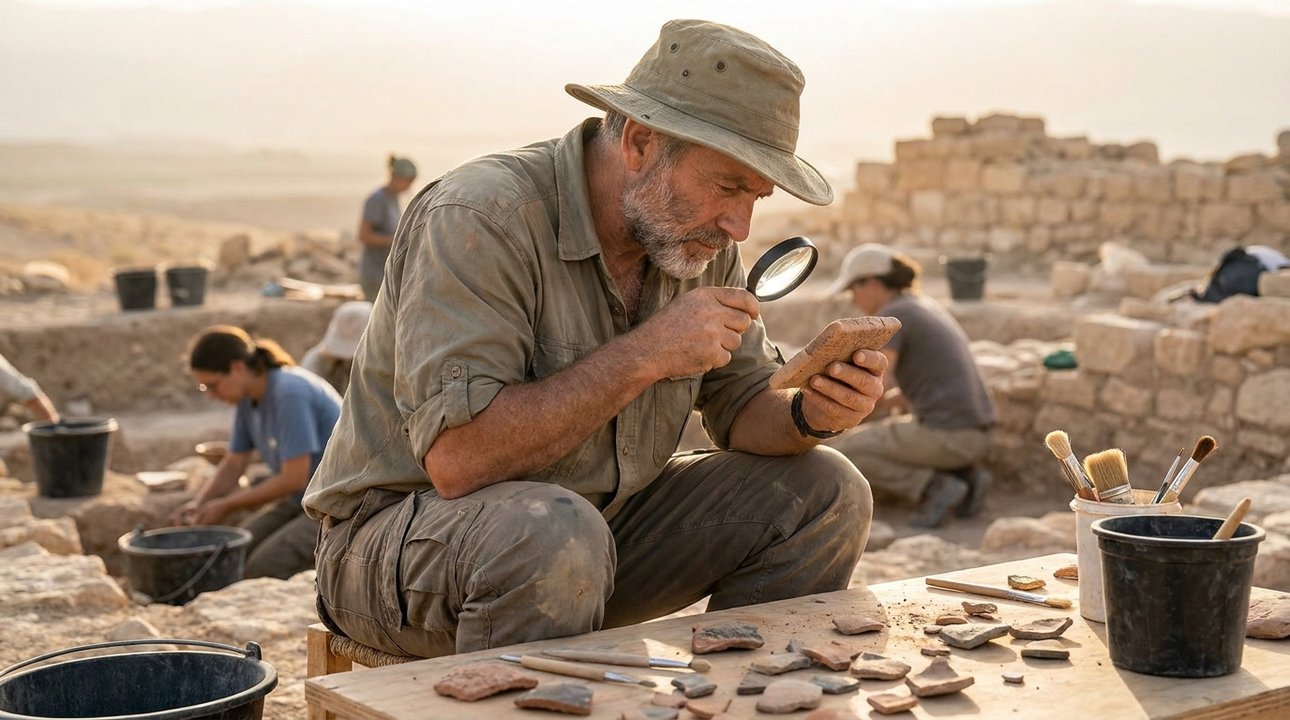
This ongoing exploration underscores Achor’s continued relevance in studies of Israel’s history, offering a window into the daily lives of its past inhabitants. Artifacts such as these illuminate the cultural and economic practices of the time, providing a tangible connection to the past.
from the Western Wall to Masada.
The discoveries in Achor contribute to our understanding of the region’s historical landscape. By examining these artifacts, researchers can reconstruct aspects of daily life, trade, and community organization, enriching our knowledge of the society and its development over time.
The Valley of Achor in Jewish Tradition
In Jewish thought, Achor’s connotations expand beyond its historical role. It serves as a metaphor for transformation, where tragedy can lead to redemption, a theme echoed in Jewish teachings and commentaries over centuries. This idea is reflected in the writings of the prophets, who often spoke of hope emerging from despair. Narratives emphasize this duality, recognizing Achor’s place as one of transition from despair to renewed hope. Such symbolic interpretations offer deep layers to its understanding in Jewish religious and cultural texts. Achor becomes a symbol of human spirit.
This metaphorical understanding of Achor is further enriched by its connection to the broader narrative of Israel’s journey. It serves as a reminder of the potential for redemption and the importance of faith and perseverance in the face of adversity, themes that are central to Jewish identity and tradition.
This conceptual evolution is further detailed in rabbinic literature, depicting it as a place where challenges transform into opportunities for growth and renewal. In the Talmud, Achor is often referenced as a metaphor for turning adversity into triumph. It stands as a sign of enduring faith and perseverance, reminding us of the perseverance shown by the Israelites as they journeyed through trials and tribulations.

The Valley of Achor in Modern Context
Today, Achor remains a subject of interest for historians, theologians, and archaeologists. It represents a bridge between ancient texts and present-day exploration, preserving its historical and cultural resonance. Scholars examine its role in the narrative of Joshua, where it symbolizes a turning point for the Israelites.
Modern interpretations continue to explore its lessons, emphasizing themes of redemption and renewal that hold relevance today, particularly in discussions about overcoming adversity and finding hope. These themes resonate in contemporary Jewish thought, providing a lens through which to view personal and communal growth.
Achor’s importance is reflected in its ability to connect the past with the present. As researchers uncover more about its historical context, new insights emerge about the cultural and life of the region. This ongoing dialogue between history and modernity keeps the story of Achor alive and relevant.
Achor’s story is woven into the modern fabric of Israeli identity, connecting past and present through scholarly and cultural discussions. Archaeological studies in the region have unearthed artifacts that offer insights into the lifestyles and practices of the people who once inhabited the area. Such continuity serves to highlight its lasting significance within the shared history, as it is still remembered discussions on cultural heritage and historical identity. Achor remains a symbol of continuity, bridging the ancient world with contemporary Israeli culture.
Through ongoing research and exploration, Achor continues to reveal new facets of its historical and cultural role. These findings not only enrich our understanding of the past but also contribute to the ongoing dialogue about identity and heritage in modern Israel, underscoring its enduring relevance.
Historical Context
